Intel AI head Justin Hotard to depart from chipmaker By Investing.com
Written by Emily J. Thompson, Senior Investment Analyst
Updated: Feb 10 2025
0mins
Source: Investing.com
Leadership Changes at Intel and Nokia: Justin Hotard, head of Intel's data center and AI division, is stepping down amid a leadership shake-up following the ousting of former CEO Pat Gelsinger. Hotard will become CEO of Nokia on April 1, replacing Pekka Lundmark.
Nokia's Growth Strategy: Nokia aims to expand beyond telecoms, focusing on data centers as a key growth area, particularly in relation to AI capabilities, with Hotard bringing extensive experience in technology and innovation to drive this strategy.
Trade with 70% Backtested Accuracy
Stop guessing "Should I Buy INTC?" and start using high-conviction signals backed by rigorous historical data.
Sign up today to access powerful investing tools and make smarter, data-driven decisions.
Analyst Views on INTC
Wall Street analysts forecast INTC stock price to fall
29 Analyst Rating
5 Buy
19 Hold
5 Sell
Hold
Current: 107.920

Low
20.00
Averages
39.30
High
52.00
Current: 107.920
Low
20.00
Averages
39.30
High
52.00
About INTC
Intel Corporation is a global designer and manufacturer of semiconductor products. The Company's segments include Intel Products, Intel Foundry, and All Other. Its Intel Products comprise Client Computing Group (CCG) and Data Center and AI (DCAI). CCG delivers platforms and processors that power PCs and edge devices, enabling enhanced performance, connectivity and user experience for consumer and commercial markets with capabilities that also support retail, industrial robotics and AI ecosystems at the edge. DCAI delivers workload-optimized solutions based upon its x86 architecture for data centers, including CPUs, AI accelerators, NICs, IPUs and custom ASICs, enabling performance and scalability for cloud, enterprise, telecommunication and HPC environments. The Intel Foundry segment comprises technology development, manufacturing and foundry services, developing new semiconductor process technologies and advanced packaging technologies. All Other segments include Mobileye and Other.
About the author

Emily J. Thompson
Emily J. Thompson, a Chartered Financial Analyst (CFA) with 12 years in investment research, graduated with honors from the Wharton School. Specializing in industrial and technology stocks, she provides in-depth analysis for Intellectia’s earnings and market brief reports.
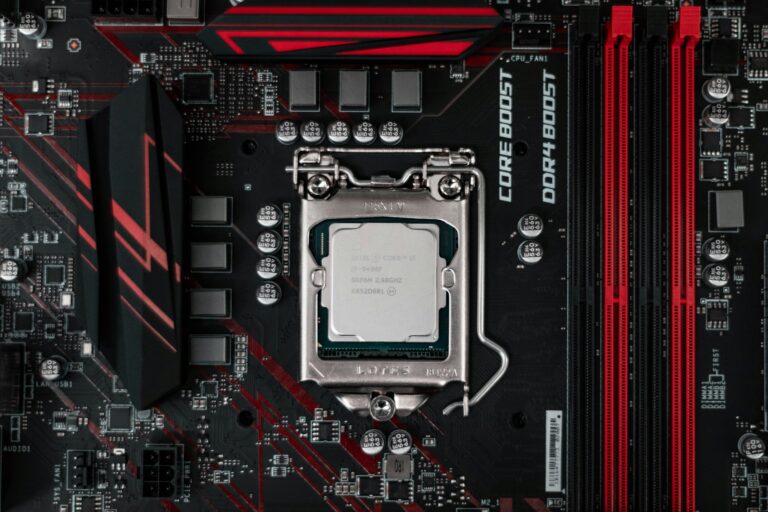
Intel Shares Surge 168% Amid Earnings Growth

- Strong Financial Performance: Intel's Q1 fiscal 2026 revenue rose 7% year-over-year to $13.6 billion, with non-GAAP EPS at $0.29 and net income soaring 156% to nearly $1.5 billion, indicating significant improvements in financial and operational metrics.
- Rising Data Center Demand: Demand for Intel's Xeon server CPUs is outpacing supply, particularly in AI data centers, with management noting that the CPU-to-GPU ratio may shift from 7:1 to 3:1 as workloads transition to inference, enhancing Intel's potential in AI infrastructure growth.
- Strengthened Partnerships: In April 2026, Google expanded its multiyear partnership with Intel to utilize Xeon CPUs for AI inference and cloud workloads, providing Intel with clearer visibility into future data center demand and stable chip requirements over the next three to five years.
- Manufacturing Technology Challenges: Despite generating $5.4 billion in revenue from its Foundry segment in Q1, Intel faced an operating loss of approximately $2.4 billion and a GAAP loss of $0.73 per share, with management anticipating a decline in PC demand in the second half of 2026, indicating that the company's turnaround relies heavily on data center demand and successful execution of its 18A technology.
See More
Semiconductor Investors Face Challenges Amid Sell-Off


- Market Value Loss: Last Friday, the AI chip sector experienced a sell-off that erased approximately $1.3 trillion in market value in a single day, causing Nvidia and AMD to drop about 6% and 11% respectively, indicating a significant loss of investor confidence in the industry.
- Nvidia's Strong Earnings: Despite the stock pullback, Nvidia remains the sector leader with a market capitalization of about $4.9 trillion, reporting an 85% year-over-year revenue increase to $81.6 billion in its fiscal first quarter, driven by a 92% surge in data center revenue, with management forecasting second-quarter revenue of around $91 billion, implying a 95% year-over-year growth, reflecting robust momentum in AI infrastructure development.
- AMD's Growth Momentum: AMD shares hit a record high of $542.52 on June 3 but have since fallen to about $452; however, the stock has more than doubled in 2026, with first-quarter revenue rising 38% year-over-year to $10.3 billion, fueled by a 57% increase in the data center segment, and management expects second-quarter revenue of about $11.2 billion, representing a 46% year-over-year growth.
- Broadcom Under Pressure: Although Broadcom reported a 48% year-over-year revenue growth to $22.2 billion in its fiscal second quarter, with AI chip revenue soaring 143% to $10.8 billion, concerns about profitability have intensified, as CEO Hock Tan noted that the sales mix is diluting gross margins, and the company only reiterated its $100 billion AI chip revenue target for fiscal 2027 without raising it, leading to a significant stock decline.
See More
Intel Partners with Major Tech Giants
- Partnership Expansion: Intel is forming partnerships with several leading tech companies globally, aiming to enhance product competitiveness through technology integration, although specific details of these collaborations remain undisclosed, this move could strengthen its market position.
- Market Response Stable: As of the afternoon of June 8, 2026, Intel's stock price stood at $0.54, indicating a cautiously optimistic market reaction to its partnership strategy, with no significant fluctuations observed, reflecting investor expectations for future growth.
- Integration Potential: Collaborations with major tech firms may provide Intel with new opportunities for technology integration, enhancing its innovation capabilities in the semiconductor industry, thereby driving long-term growth.
- Strategic Implications: By partnering with industry leaders, Intel not only expands its product offerings but also maintains a competitive edge in a fiercely contested market, thereby increasing its influence within the global tech ecosystem.
See More
Intel's Stock Fluctuations and New Order Outlook

- Stock Performance Volatility: Intel's shares have surged 427% over the past year, yet they have declined over 16% since hitting a 52-week high on May 11, indicating investor concerns about its future prospects amid a broader semiconductor market downturn.
- Major Order Secured: Reports indicate that Google has placed an order with Intel's foundry unit for over three million of its custom Tensor Processing Units (TPUs) by 2028, which could significantly enhance Intel's competitiveness in the AI processor market and potentially boost its stock price.
- Foundry Business Growth: Intel's foundry business generated $5.4 billion in revenue in Q1 2026, marking a 16% year-over-year increase and accounting for 40% of the company's total revenue, showcasing strong performance particularly through partnerships with major clients like Tesla and Apple.
- Future Growth Potential: Despite Intel's high price-to-earnings ratio of 141, analysts anticipate solid earnings growth driven by new customer orders, which could provide long-term growth momentum and bolster investor confidence in the company's prospects.
See More
Intel's Foundry Business Gains Strong Momentum
- Surge in Foundry Orders: Google has partnered with Intel to manufacture over three million Tensor Processing Units (TPUs) by 2028, indicating significant market demand for Intel's foundry services, which is expected to further boost the company's revenue growth.
- Significant Revenue Growth: Intel's foundry business generated $5.4 billion in revenue in Q1 2026, marking a 16% year-over-year increase and accounting for 40% of the company's total revenue, showcasing its strong performance in the semiconductor market, outpacing the overall 7% revenue growth.
- Expanding Customer Base: In addition to Google, Intel has secured a foundry order from Tesla and is in talks with Apple, which will provide long-term growth potential for Intel's foundry business and enhance its competitive position in the market.
- Optimistic Market Outlook: Despite Intel's high price-to-earnings ratio of 141, analysts anticipate that its earnings growth will exceed expectations, and with the ongoing development of its foundry business, investors maintain an optimistic view on its future performance, potentially driving the stock price higher.
See More

Casey's Reports Record Fiscal Year Earnings


- Significant Earnings Growth: Casey's General Stores reported its fourth-quarter earnings with a remarkable 66.2% year-over-year increase in EPS, achieving $714 million in net income and nearly $1.5 billion in EBITDA, showcasing the company's strong profitability and market competitiveness.
- Consistent Dividend Increases: The company raised its quarterly dividend by 14% for the 27th consecutive year, which not only reflects its commitment to shareholder returns but also boosts investor confidence, likely driving the stock price higher.
- Successful Strategic Plan Completion: CEO Darren Rebelez noted the successful conclusion of a three-year strategic plan on a high note, and while same-store sales growth is expected to moderate to 2% to 5%, the company maintains a solid operational foundation.
- Positive Market Reaction: Following the earnings report, Casey's stock gained approximately 1% in pre-market trading, indicating investor optimism regarding the company's future growth potential, particularly in the expanding convenience store and gas station sectors.
See More
Intel Shares Surge 168% Amid Earnings Growth
- Strong Financial Performance: Intel's Q1 fiscal 2026 revenue rose 7% year-over-year to $13.6 billion, with non-GAAP EPS at $0.29 and net income soaring 156% to nearly $1.5 billion, indicating significant improvements in financial and operational metrics.
- Rising Data Center Demand: Demand for Intel's Xeon server CPUs is outpacing supply, particularly in AI data centers, with management noting that the CPU-to-GPU ratio may shift from 7:1 to 3:1 as workloads transition to inference, enhancing Intel's potential in AI infrastructure growth.
- Strengthened Partnerships: In April 2026, Google expanded its multiyear partnership with Intel to utilize Xeon CPUs for AI inference and cloud workloads, providing Intel with clearer visibility into future data center demand and stable chip requirements over the next three to five years.
- Manufacturing Technology Challenges: Despite generating $5.4 billion in revenue from its Foundry segment in Q1, Intel faced an operating loss of approximately $2.4 billion and a GAAP loss of $0.73 per share, with management anticipating a decline in PC demand in the second half of 2026, indicating that the company's turnaround relies heavily on data center demand and successful execution of its 18A technology.
See More
Semiconductor Investors Face Challenges Amid Sell-Off
- Market Value Loss: Last Friday, the AI chip sector experienced a sell-off that erased approximately $1.3 trillion in market value in a single day, causing Nvidia and AMD to drop about 6% and 11% respectively, indicating a significant loss of investor confidence in the industry.
- Nvidia's Strong Earnings: Despite the stock pullback, Nvidia remains the sector leader with a market capitalization of about $4.9 trillion, reporting an 85% year-over-year revenue increase to $81.6 billion in its fiscal first quarter, driven by a 92% surge in data center revenue, with management forecasting second-quarter revenue of around $91 billion, implying a 95% year-over-year growth, reflecting robust momentum in AI infrastructure development.
- AMD's Growth Momentum: AMD shares hit a record high of $542.52 on June 3 but have since fallen to about $452; however, the stock has more than doubled in 2026, with first-quarter revenue rising 38% year-over-year to $10.3 billion, fueled by a 57% increase in the data center segment, and management expects second-quarter revenue of about $11.2 billion, representing a 46% year-over-year growth.
- Broadcom Under Pressure: Although Broadcom reported a 48% year-over-year revenue growth to $22.2 billion in its fiscal second quarter, with AI chip revenue soaring 143% to $10.8 billion, concerns about profitability have intensified, as CEO Hock Tan noted that the sales mix is diluting gross margins, and the company only reiterated its $100 billion AI chip revenue target for fiscal 2027 without raising it, leading to a significant stock decline.
See More
Intel Partners with Major Tech Giants
- Partnership Expansion: Intel is forming partnerships with several leading tech companies globally, aiming to enhance product competitiveness through technology integration, although specific details of these collaborations remain undisclosed, this move could strengthen its market position.
- Market Response Stable: As of the afternoon of June 8, 2026, Intel's stock price stood at $0.54, indicating a cautiously optimistic market reaction to its partnership strategy, with no significant fluctuations observed, reflecting investor expectations for future growth.
- Integration Potential: Collaborations with major tech firms may provide Intel with new opportunities for technology integration, enhancing its innovation capabilities in the semiconductor industry, thereby driving long-term growth.
- Strategic Implications: By partnering with industry leaders, Intel not only expands its product offerings but also maintains a competitive edge in a fiercely contested market, thereby increasing its influence within the global tech ecosystem.
See More
Intel's Stock Fluctuations and New Order Outlook
- Stock Performance Volatility: Intel's shares have surged 427% over the past year, yet they have declined over 16% since hitting a 52-week high on May 11, indicating investor concerns about its future prospects amid a broader semiconductor market downturn.
- Major Order Secured: Reports indicate that Google has placed an order with Intel's foundry unit for over three million of its custom Tensor Processing Units (TPUs) by 2028, which could significantly enhance Intel's competitiveness in the AI processor market and potentially boost its stock price.
- Foundry Business Growth: Intel's foundry business generated $5.4 billion in revenue in Q1 2026, marking a 16% year-over-year increase and accounting for 40% of the company's total revenue, showcasing strong performance particularly through partnerships with major clients like Tesla and Apple.
- Future Growth Potential: Despite Intel's high price-to-earnings ratio of 141, analysts anticipate solid earnings growth driven by new customer orders, which could provide long-term growth momentum and bolster investor confidence in the company's prospects.
See More
Intel's Foundry Business Gains Strong Momentum
- Surge in Foundry Orders: Google has partnered with Intel to manufacture over three million Tensor Processing Units (TPUs) by 2028, indicating significant market demand for Intel's foundry services, which is expected to further boost the company's revenue growth.
- Significant Revenue Growth: Intel's foundry business generated $5.4 billion in revenue in Q1 2026, marking a 16% year-over-year increase and accounting for 40% of the company's total revenue, showcasing its strong performance in the semiconductor market, outpacing the overall 7% revenue growth.
- Expanding Customer Base: In addition to Google, Intel has secured a foundry order from Tesla and is in talks with Apple, which will provide long-term growth potential for Intel's foundry business and enhance its competitive position in the market.
- Optimistic Market Outlook: Despite Intel's high price-to-earnings ratio of 141, analysts anticipate that its earnings growth will exceed expectations, and with the ongoing development of its foundry business, investors maintain an optimistic view on its future performance, potentially driving the stock price higher.
See More
Casey's Reports Record Fiscal Year Earnings
- Significant Earnings Growth: Casey's General Stores reported its fourth-quarter earnings with a remarkable 66.2% year-over-year increase in EPS, achieving $714 million in net income and nearly $1.5 billion in EBITDA, showcasing the company's strong profitability and market competitiveness.
- Consistent Dividend Increases: The company raised its quarterly dividend by 14% for the 27th consecutive year, which not only reflects its commitment to shareholder returns but also boosts investor confidence, likely driving the stock price higher.
- Successful Strategic Plan Completion: CEO Darren Rebelez noted the successful conclusion of a three-year strategic plan on a high note, and while same-store sales growth is expected to moderate to 2% to 5%, the company maintains a solid operational foundation.
- Positive Market Reaction: Following the earnings report, Casey's stock gained approximately 1% in pre-market trading, indicating investor optimism regarding the company's future growth potential, particularly in the expanding convenience store and gas station sectors.
See More