Insiders Optimistic About Specific DFSV Holdings
Written by Emily J. Thompson, Senior Investment Analyst
Updated: Aug 19 2025
0mins

Source: NASDAQ.COM
Insider Buying Activity: The Dimensional US Small Cap Value ETF (DFSV) has 11.4% of its weighted holdings showing insider buying in the last six months.
Huntington Ingalls Industries: HII, making up 0.31% of DFSV, has had two directors and officers purchase shares recently, with the ETF holding $15,013,126 worth of HII.
Teleflex Incorporated: TFX, the #116 largest holding in DFSV, has seen five directors and officers file Form 4s indicating share purchases, with the ETF holding $12,601,147 worth of TFX.
General Note: The views expressed in the article are those of the author and do not necessarily reflect those of Nasdaq, Inc.
Trade with 70% Backtested Accuracy
Stop guessing "Should I Buy HII?" and start using high-conviction signals backed by rigorous historical data.
Sign up today to access powerful investing tools and make smarter, data-driven decisions.
Analyst Views on HII
Wall Street analysts forecast HII stock price to fall
6 Analyst Rating
4 Buy
1 Hold
1 Sell
Moderate Buy
Current: 394.810

Low
300.00
Averages
344.80
High
376.00
Current: 394.810
Low
300.00
Averages
344.80
High
376.00
About HII
Huntington Ingalls Industries, Inc. is a global, all-domain defense provider. The Company delivers ships and all-domain solutions in service of the nation. It delivers critical capabilities extending from ships to unmanned systems, cyber, ISR, AI/ML and synthetic training. It operates through three segments: Ingalls Shipbuilding (Ingalls), Newport News Shipbuilding (Newport News), and Mission Technologies. Through its Ingalls segment, the Company designs and constructs non-nuclear ships for the United States Navy and Coast Guard, including amphibious assault ships, expeditionary warfare ships, surface combatants, and national security cutters (NSC). The core business of its Newport News segment is designing and constructing nuclear-powered aircraft carriers and submarines, and the refueling and overhaul and the inactivation of nuclear-powered aircraft carriers. The Company’s Mission Technologies segment develops integrated solutions that enable connected, all-domain force.
About the author

Emily J. Thompson
Emily J. Thompson, a Chartered Financial Analyst (CFA) with 12 years in investment research, graduated with honors from the Wharton School. Specializing in industrial and technology stocks, she provides in-depth analysis for Intellectia’s earnings and market brief reports.
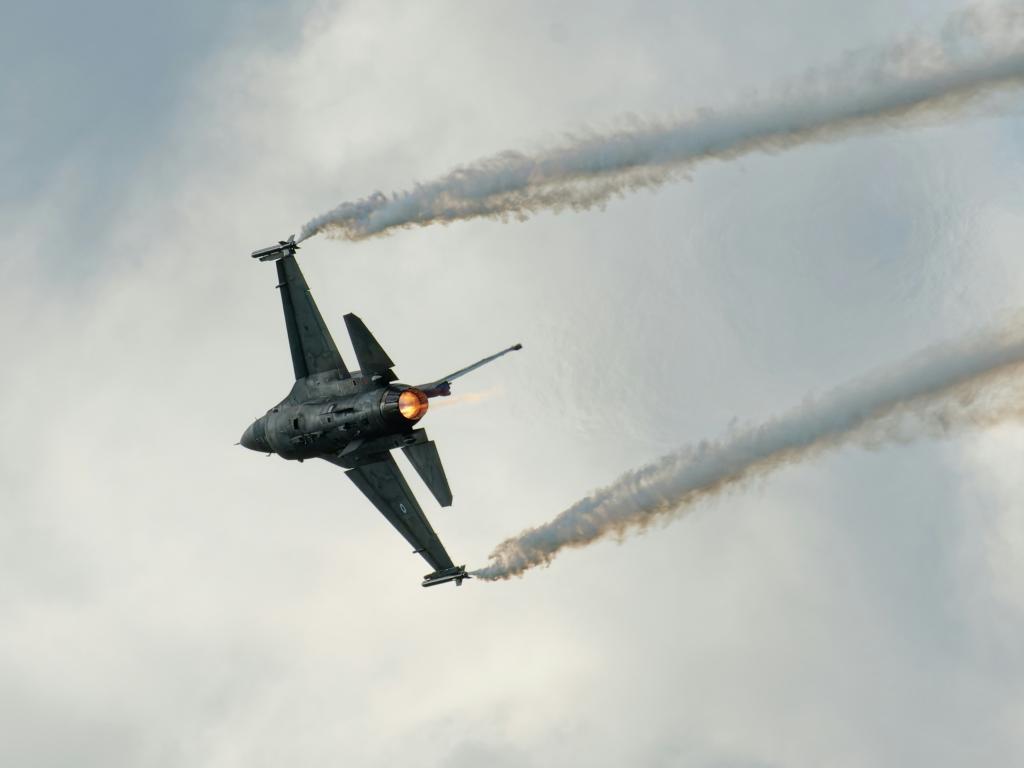
HII Celebrates 25 Years of REMUS Unmanned Underwater Vehicles

- Technological Evolution and Reliability: HII celebrates the 25th anniversary of the REMUS unmanned underwater vehicle family, with over 750 units delivered to more than 30 nations, showcasing its leadership in defense, commercial, and scientific missions through modular and open architecture design.
- Enhanced Mission Adaptability: The successful launch and recovery of REMUS 600 from the torpedo tubes of a U.S. Navy Virginia-class submarine significantly extends mission reach while reducing risk, thereby enhancing stealth and operational capabilities for submarine forces.
- Global Impact: More than 90% of REMUS systems remain in active service after 25 years, demonstrating their durability and lifecycle value, and they play critical roles in mine countermeasures, intelligence, surveillance, reconnaissance, and seabed mapping, becoming essential tools for global ocean research and environmental monitoring.
- Future Strategic Partnerships: HII's strategic agreement with Babcock International Group to integrate REMUS UUVs with submarine weapon handling systems unlocks new deployment options, further advancing the application and development of unmanned systems across the maritime domain.
See More

HII Launches High-Yield Production Robotics Program HYPR
- High-Yield Robotics Initiative: HII, in collaboration with Path Robotics and GrayMatter Robotics, has launched the HYPR program aimed at leveraging advanced physical AI technologies to accelerate the fabrication processes of both crewed and uncrewed naval platforms, which is expected to significantly enhance shipbuilding efficiency and production capacity.
- Technological Integration Benefits: The HYPR program will combine robotic welding, automated material movement, and autonomous quality checks, with proof-of-concept demonstrations planned for 2026 and a full pilot program expected to launch in 2027, addressing the Navy's increasing demand signals.
- Production Capacity Enhancement: This initiative aims to reduce labor hours per hull and improve schedule predictability, helping HII achieve higher automation levels in complex shipbuilding tasks, thereby strengthening the overall combat capability of the U.S. Navy.
- International Cooperation Opportunity: The HYPR program aligns with AUKUS-related submarine industrial base efforts, reflecting a broader push within U.S. defense to modernize shipbuilding and adopt scalable manufacturing methods to enhance national security industrial capacity.
See More

HII Expands Shipbuilding Capacity to Meet Urgent Demand
- Shipbuilding Capacity Increase: HII plans to outsource over 2.5 million hours of shipbuilding work in 2026, a 30% increase from 2025, significantly enhancing production capacity through distributed shipbuilding strategies and expected to create over 1,000 new jobs, thereby strengthening U.S. Navy operational capabilities.
- Expanded Partner Network: HII collaborates with shipbuilding partners from six states, utilizing 25 locations with available facilities and skilled labor to drive shipbuilding efforts, ensuring improved schedule performance in critical defense projects.
- Production Efficiency Gains: Through distributed shipbuilding, HII achieved a 14% increase in shipbuilding throughput in 2025 and is targeting similar gains in 2026, further accelerating delivery speeds to meet U.S. Navy demands.
- Outsourcing Structural Units: HII plans to outsource 37 of the 77 structural units for the Arleigh Burke-class destroyers, ensuring these units are ready for integration upon arrival at the shipyard, thereby enhancing overall production efficiency and schedule performance.
See More
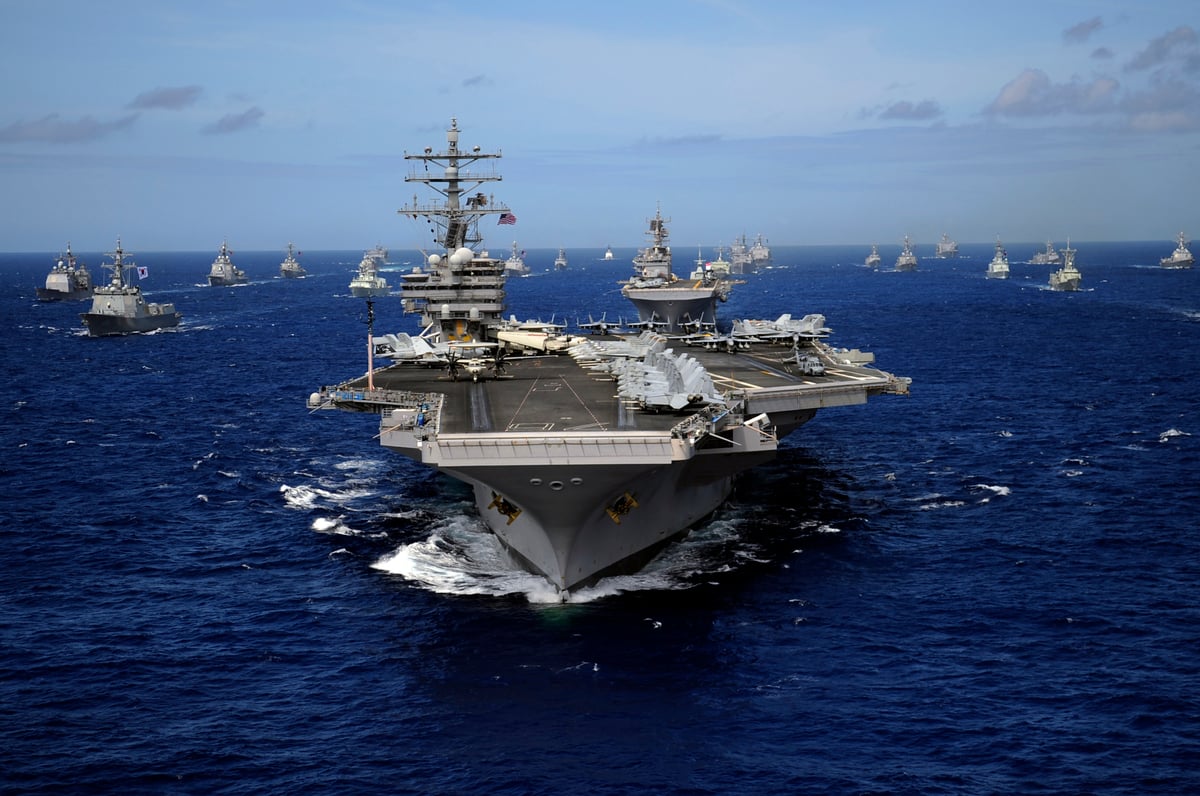
Impact of US-Iran Conflict on Defense Stocks


- Surge in Defense Spending: The U.S. is spending $2 billion daily in and around Iran, totaling $88 billion after 44 days of conflict, which exceeds the annual revenues of RTX, GD, and Lockheed, indicating significant growth opportunities in the defense sector.
- Weak Defense Stock Performance: Despite ongoing conflict, major defense contractors like General Dynamics, Lockheed Martin, and RTX have not seen significant stock price increases, reflecting market expectations for a short-term peace that may dampen investor interest in defense stocks in the near term.
- Textron Investment Opportunity: Textron's stock is trading close to 1x sales, and as a manufacturer of various military and civilian products, its V-22 Osprey tiltrotor aircraft may see increased usage in the conflict, highlighting its potential in the defense sector.
- Naval Shipbuilding Expansion: Leidos and Huntington Ingalls, as key military contractors, have competitive advantages in unmanned vessels and nuclear submarines, respectively, and are expected to benefit from the U.S. Navy's fleet expansion, showcasing significant long-term growth potential.
See More

Defense Stocks Decline Amid Iran Conflict
- Defense Stock Performance: Major defense stocks like General Dynamics (GD), Lockheed Martin (LMT), and RTX have seen declines over the past six weeks despite ongoing U.S.-Iran conflict, indicating weakened investor confidence amid expectations of a short-lived war and imminent peace.
- Massive Spending Impact: Economists from Harvard Kennedy School report that the U.S. is spending $2 billion daily in and around Iran, totaling $88 billion over 44 days, which exceeds RTX's annual revenue, highlighting the potential long-term implications of the conflict on the defense sector.
- Investment Opportunities: Despite the overall poor performance of defense stocks, investors are advised to consider buying during this downturn, with Textron (TXT) trading at 1.06 times sales, indicating its potential in meeting future military demands, especially as tensions in the Gulf escalate.
- Optimistic Industry Outlook: Companies like Leidos (LDOS) and Huntington Ingalls (HII) show promising growth potential, with Leidos averaging 20% annual earnings growth over the past five years and Huntington expected to achieve a 15% long-term growth rate, suggesting a potential recovery for the defense industry ahead.
See More
HII Unveils Next-Gen Naval Operations Framework at Sea-Air-Space Expo
- Naval Operations Framework Innovation: At the Sea-Air-Space Expo, HII showcased a next-generation naval operations framework that integrates naval warships, unmanned systems, and open architecture technologies, aimed at enhancing U.S. military capabilities across multiple domains, thereby strengthening its competitive edge in global maritime warfare.
- Autonomous Systems Coordination: Utilizing the Minotaur Mission Management System and Odyssey Autonomous Control System, HII achieves centralized command and control over various unmanned platforms, enhancing data collection and operational reach while shortening the sensor-to-shooter timeline, significantly improving survivability and lethality in contested environments.
- Modular Capability Deployment: HII emphasizes rapidly deployable containerized mission payloads that support flexible force reconfiguration and quick responses, reducing integration timelines and costs, enabling the Navy to conduct distributed joint operations without platform dependency, thus enhancing tactical options for commanders.
- Support for Naval Strategic Transformation: HII's framework aligns closely with the U.S. Navy's Hedge Strategy, providing more flexible combat options that enhance the operational capabilities of aircraft carrier strike groups, expanding their operational reach and awareness while presenting additional strategic dilemmas for adversaries.
See More
HII Celebrates 25 Years of REMUS Unmanned Underwater Vehicles
- Technological Evolution and Reliability: HII celebrates the 25th anniversary of the REMUS unmanned underwater vehicle family, with over 750 units delivered to more than 30 nations, showcasing its leadership in defense, commercial, and scientific missions through modular and open architecture design.
- Enhanced Mission Adaptability: The successful launch and recovery of REMUS 600 from the torpedo tubes of a U.S. Navy Virginia-class submarine significantly extends mission reach while reducing risk, thereby enhancing stealth and operational capabilities for submarine forces.
- Global Impact: More than 90% of REMUS systems remain in active service after 25 years, demonstrating their durability and lifecycle value, and they play critical roles in mine countermeasures, intelligence, surveillance, reconnaissance, and seabed mapping, becoming essential tools for global ocean research and environmental monitoring.
- Future Strategic Partnerships: HII's strategic agreement with Babcock International Group to integrate REMUS UUVs with submarine weapon handling systems unlocks new deployment options, further advancing the application and development of unmanned systems across the maritime domain.
See More
HII Launches High-Yield Production Robotics Program HYPR
- High-Yield Robotics Initiative: HII, in collaboration with Path Robotics and GrayMatter Robotics, has launched the HYPR program aimed at leveraging advanced physical AI technologies to accelerate the fabrication processes of both crewed and uncrewed naval platforms, which is expected to significantly enhance shipbuilding efficiency and production capacity.
- Technological Integration Benefits: The HYPR program will combine robotic welding, automated material movement, and autonomous quality checks, with proof-of-concept demonstrations planned for 2026 and a full pilot program expected to launch in 2027, addressing the Navy's increasing demand signals.
- Production Capacity Enhancement: This initiative aims to reduce labor hours per hull and improve schedule predictability, helping HII achieve higher automation levels in complex shipbuilding tasks, thereby strengthening the overall combat capability of the U.S. Navy.
- International Cooperation Opportunity: The HYPR program aligns with AUKUS-related submarine industrial base efforts, reflecting a broader push within U.S. defense to modernize shipbuilding and adopt scalable manufacturing methods to enhance national security industrial capacity.
See More
HII Expands Shipbuilding Capacity to Meet Urgent Demand
- Shipbuilding Capacity Increase: HII plans to outsource over 2.5 million hours of shipbuilding work in 2026, a 30% increase from 2025, significantly enhancing production capacity through distributed shipbuilding strategies and expected to create over 1,000 new jobs, thereby strengthening U.S. Navy operational capabilities.
- Expanded Partner Network: HII collaborates with shipbuilding partners from six states, utilizing 25 locations with available facilities and skilled labor to drive shipbuilding efforts, ensuring improved schedule performance in critical defense projects.
- Production Efficiency Gains: Through distributed shipbuilding, HII achieved a 14% increase in shipbuilding throughput in 2025 and is targeting similar gains in 2026, further accelerating delivery speeds to meet U.S. Navy demands.
- Outsourcing Structural Units: HII plans to outsource 37 of the 77 structural units for the Arleigh Burke-class destroyers, ensuring these units are ready for integration upon arrival at the shipyard, thereby enhancing overall production efficiency and schedule performance.
See More
Impact of US-Iran Conflict on Defense Stocks
- Surge in Defense Spending: The U.S. is spending $2 billion daily in and around Iran, totaling $88 billion after 44 days of conflict, which exceeds the annual revenues of RTX, GD, and Lockheed, indicating significant growth opportunities in the defense sector.
- Weak Defense Stock Performance: Despite ongoing conflict, major defense contractors like General Dynamics, Lockheed Martin, and RTX have not seen significant stock price increases, reflecting market expectations for a short-term peace that may dampen investor interest in defense stocks in the near term.
- Textron Investment Opportunity: Textron's stock is trading close to 1x sales, and as a manufacturer of various military and civilian products, its V-22 Osprey tiltrotor aircraft may see increased usage in the conflict, highlighting its potential in the defense sector.
- Naval Shipbuilding Expansion: Leidos and Huntington Ingalls, as key military contractors, have competitive advantages in unmanned vessels and nuclear submarines, respectively, and are expected to benefit from the U.S. Navy's fleet expansion, showcasing significant long-term growth potential.
See More
Defense Stocks Decline Amid Iran Conflict
- Defense Stock Performance: Major defense stocks like General Dynamics (GD), Lockheed Martin (LMT), and RTX have seen declines over the past six weeks despite ongoing U.S.-Iran conflict, indicating weakened investor confidence amid expectations of a short-lived war and imminent peace.
- Massive Spending Impact: Economists from Harvard Kennedy School report that the U.S. is spending $2 billion daily in and around Iran, totaling $88 billion over 44 days, which exceeds RTX's annual revenue, highlighting the potential long-term implications of the conflict on the defense sector.
- Investment Opportunities: Despite the overall poor performance of defense stocks, investors are advised to consider buying during this downturn, with Textron (TXT) trading at 1.06 times sales, indicating its potential in meeting future military demands, especially as tensions in the Gulf escalate.
- Optimistic Industry Outlook: Companies like Leidos (LDOS) and Huntington Ingalls (HII) show promising growth potential, with Leidos averaging 20% annual earnings growth over the past five years and Huntington expected to achieve a 15% long-term growth rate, suggesting a potential recovery for the defense industry ahead.
See More
HII Unveils Next-Gen Naval Operations Framework at Sea-Air-Space Expo
- Naval Operations Framework Innovation: At the Sea-Air-Space Expo, HII showcased a next-generation naval operations framework that integrates naval warships, unmanned systems, and open architecture technologies, aimed at enhancing U.S. military capabilities across multiple domains, thereby strengthening its competitive edge in global maritime warfare.
- Autonomous Systems Coordination: Utilizing the Minotaur Mission Management System and Odyssey Autonomous Control System, HII achieves centralized command and control over various unmanned platforms, enhancing data collection and operational reach while shortening the sensor-to-shooter timeline, significantly improving survivability and lethality in contested environments.
- Modular Capability Deployment: HII emphasizes rapidly deployable containerized mission payloads that support flexible force reconfiguration and quick responses, reducing integration timelines and costs, enabling the Navy to conduct distributed joint operations without platform dependency, thus enhancing tactical options for commanders.
- Support for Naval Strategic Transformation: HII's framework aligns closely with the U.S. Navy's Hedge Strategy, providing more flexible combat options that enhance the operational capabilities of aircraft carrier strike groups, expanding their operational reach and awareness while presenting additional strategic dilemmas for adversaries.
See More