Insiders Invested Heavily in These 3 Stocks in Q4—One Shines Above the Rest


Insider Buying Trends: Insider buying was prominent in Q4 2025, particularly in three stocks, with one standout due to its simple and effective technology that is in high demand in a rapidly growing industry.
Stock Performance and Institutional Activity: Insiders, including directors, have been actively purchasing shares, accumulating about 2% of the stock, while institutions own around 24%, indicating strong market interest despite a decline in stock prices.
Market Sentiment and Short Interest: Short interest remains high at nearly 7%, contributing to stock price declines, but analysts suggest a potential rebound with a significant upside forecast of 200% relative to consensus targets.
Investment Recommendations: Analysts rate the stock as a moderate buy, with a minimum upside of 12%, indicating a favorable long-term outlook as the market stabilizes and improves in revenue and earnings.
Trade with 70% Backtested Accuracy
Analyst Views on COO

About COO
About the author


CooperVision Launches Sustainability Platform to Enhance Eco-Friendly Practices

- Sustainability Commitment: CooperVision's launch of the MADE BETTER™ Promise aims to reduce the carbon footprint of its MyDay® daily disposable contact lenses through smarter choices and sustainable manufacturing processes, enhancing brand image and meeting eco-conscious consumer demands.
- Plastic Neutrality Program: The company has partnered with Plastic Bank to successfully recycle over 659 million plastic bottles, demonstrating its proactive contribution to reducing ocean plastic pollution while creating economic benefits for communities in participating countries.
- Innovative Material Use: The MADE BETTER™ Innovation program incorporates ISCC PLUS-certified lower-carbon plastics and aluminum, which reduces packaging carbon emissions for MyDay® products, thereby enhancing their market competitiveness.
- Production Efficiency Improvement: At its Puerto Rico manufacturing facility, the implementation of combined heat and power technology has reduced greenhouse gas emissions per lens by approximately 30% compared to 2021, not only improving production efficiency but also aligning with global environmental trends.

Telix Pharmaceuticals Appoints New Non-Executive Directors


- Board Expansion: Telix Pharmaceuticals announces the appointment of Maria Rivas and William Jellison as Non-Executive Directors effective May 11, 2026, aimed at enhancing governance and financial oversight to support the company's strategic development in the global biopharmaceutical sector.
- Rivas's Background: Maria Rivas brings over 25 years of clinical development and commercialization experience, having served as Chief Medical Officer at Pfizer, where she oversaw the launch of multiple blockbuster medical products, and her expertise is expected to bolster Telix's capabilities in oncology and rare diseases.
- Jellison's Experience: William Jellison has over 30 years of corporate finance leadership experience, including serving as CFO of Stryker Corporation, where he managed international finance and M&A, and his financial acumen will provide critical strategic support for Telix.
- Strategic Implications: This board expansion aligns with Telix's evolution into a global commercial-stage biopharmaceutical company, reflecting the company's commitment to enhancing governance structures and increasing market competitiveness, which is expected to drive long-term growth in the biopharmaceutical industry.

Telix Pharmaceuticals Appoints New Non-Executive Directors


- Board Expansion: Telix Pharmaceuticals announces the appointment of Maria Rivas and William Jellison as Non-Executive Directors effective May 11, 2026, aimed at enhancing governance and financial oversight to support the company's strategic development in the global biopharmaceutical sector.
- Maria Rivas Background: Rivas brings over 25 years of clinical development and commercialization experience, having served as Chief Medical Officer at Pfizer, overseeing the launch of multiple blockbuster drugs, which will provide critical support for Telix's product development and market strategies.
- William Jellison Credentials: Jellison has over 30 years of corporate finance experience in large regulated environments, previously serving as CFO of Stryker, managing international finance and M&A, and his financial management expertise will enhance Telix's capital allocation efficiency.
- Strategic Implications: This board expansion aligns with Telix's evolution as a dual-listed global commercial-stage biopharmaceutical company, reflecting the company's commitment to improving governance structures and market competitiveness, which is expected to drive future business growth.

TELIX ENHANCES BOARD WITH NEW DIRECTOR APPOINTMENTS

New Director Appointments: Telix has strengthened its board by appointing additional directors to enhance governance and strategic oversight.
Focus on Growth: The new appointments are part of Telix's strategy to support its growth initiatives and expand its operational capabilities.

S&P 500 Futures Drop in Pre-Market Trading; Piper Sandler and Intercorp Financial Services at the Forefront


Market Opening: U.S. stock markets are set to open in two hours.
Piper Sandler Performance: Piper Sandler Cos. (PIPR) saw an 11.0% increase in pre-market trading.
Intercorp Financial Services Performance: Intercorp Financial Services Inc. (IFS) experienced a 9.2% rise in pre-market trading.
Overall Market Sentiment: The pre-market gains indicate positive sentiment ahead of the market opening.
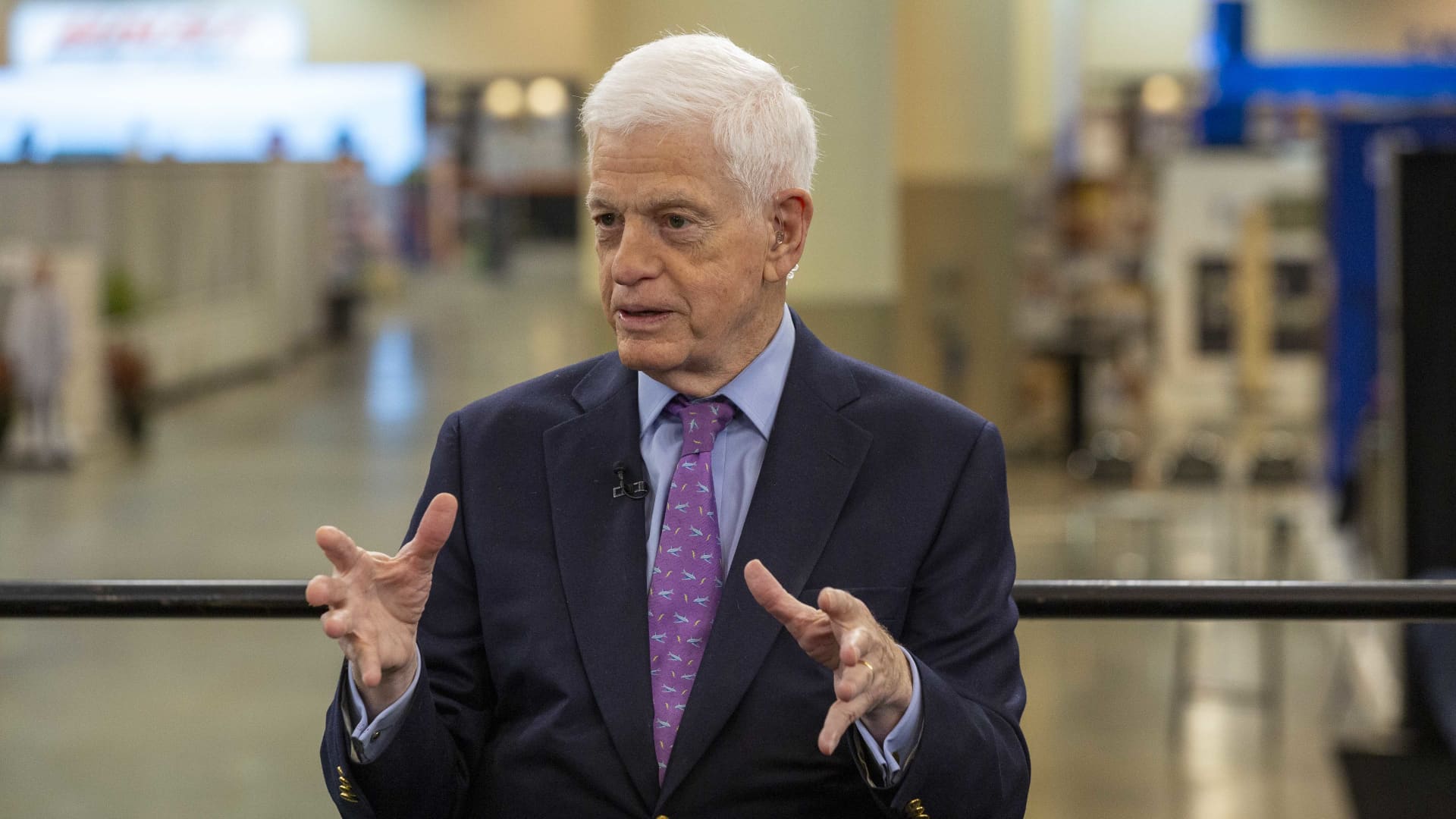
Value Investors Pitch Stock Ideas at New York Conference


- CF Industries Cash Flow Advantage: Amid soaring liquid fertilizer prices due to shipping bottlenecks in the Strait of Hormuz, Jennifer Wallace from Summit Street Capital highlighted CF Industries as a structurally advantaged 'cash-flow machine,' benefiting from its exposure to globally priced fertilizers and low-cost U.S. natural gas, positioning it as one of the most profitable producers worldwide.
- Signet Jewelers Steady Cash Flow: Wallace also pointed out that Signet Jewelers is undervalued by the market, as the company generates most of its sales in North America and holds a leading share in the U.S. bridal jewelry market, which supports steady cash generation despite concerns around consumer spending.
- Investment Opportunities in Sports Stocks: Mario Gabelli of GAMCO Investors emphasized the scarcity of sports-related stocks tied to premium live content, identifying the Atlanta Braves, Madison Square Garden Sports, and Manchester United as attractive investments, particularly noting that Madison Square Garden Sports could see a 50% increase in value.
- Scotts Miracle-Gro Undervalued: John Rogers from Ariel Investments highlighted Scotts Miracle-Gro's strong brand and potential for shareholder returns, expecting the lawn-care company to rely more on share buybacks, which he believes could drive both earnings and stock price higher.
CooperVision Launches Sustainability Platform to Enhance Eco-Friendly Practices
- Sustainability Commitment: CooperVision's launch of the MADE BETTER™ Promise aims to reduce the carbon footprint of its MyDay® daily disposable contact lenses through smarter choices and sustainable manufacturing processes, enhancing brand image and meeting eco-conscious consumer demands.
- Plastic Neutrality Program: The company has partnered with Plastic Bank to successfully recycle over 659 million plastic bottles, demonstrating its proactive contribution to reducing ocean plastic pollution while creating economic benefits for communities in participating countries.
- Innovative Material Use: The MADE BETTER™ Innovation program incorporates ISCC PLUS-certified lower-carbon plastics and aluminum, which reduces packaging carbon emissions for MyDay® products, thereby enhancing their market competitiveness.
- Production Efficiency Improvement: At its Puerto Rico manufacturing facility, the implementation of combined heat and power technology has reduced greenhouse gas emissions per lens by approximately 30% compared to 2021, not only improving production efficiency but also aligning with global environmental trends.
Telix Pharmaceuticals Appoints New Non-Executive Directors
- Board Expansion: Telix Pharmaceuticals announces the appointment of Maria Rivas and William Jellison as Non-Executive Directors effective May 11, 2026, aimed at enhancing governance and financial oversight to support the company's strategic development in the global biopharmaceutical sector.
- Rivas's Background: Maria Rivas brings over 25 years of clinical development and commercialization experience, having served as Chief Medical Officer at Pfizer, where she oversaw the launch of multiple blockbuster medical products, and her expertise is expected to bolster Telix's capabilities in oncology and rare diseases.
- Jellison's Experience: William Jellison has over 30 years of corporate finance leadership experience, including serving as CFO of Stryker Corporation, where he managed international finance and M&A, and his financial acumen will provide critical strategic support for Telix.
- Strategic Implications: This board expansion aligns with Telix's evolution into a global commercial-stage biopharmaceutical company, reflecting the company's commitment to enhancing governance structures and increasing market competitiveness, which is expected to drive long-term growth in the biopharmaceutical industry.
Telix Pharmaceuticals Appoints New Non-Executive Directors
- Board Expansion: Telix Pharmaceuticals announces the appointment of Maria Rivas and William Jellison as Non-Executive Directors effective May 11, 2026, aimed at enhancing governance and financial oversight to support the company's strategic development in the global biopharmaceutical sector.
- Maria Rivas Background: Rivas brings over 25 years of clinical development and commercialization experience, having served as Chief Medical Officer at Pfizer, overseeing the launch of multiple blockbuster drugs, which will provide critical support for Telix's product development and market strategies.
- William Jellison Credentials: Jellison has over 30 years of corporate finance experience in large regulated environments, previously serving as CFO of Stryker, managing international finance and M&A, and his financial management expertise will enhance Telix's capital allocation efficiency.
- Strategic Implications: This board expansion aligns with Telix's evolution as a dual-listed global commercial-stage biopharmaceutical company, reflecting the company's commitment to improving governance structures and market competitiveness, which is expected to drive future business growth.
TELIX ENHANCES BOARD WITH NEW DIRECTOR APPOINTMENTS
New Director Appointments: Telix has strengthened its board by appointing additional directors to enhance governance and strategic oversight.
Focus on Growth: The new appointments are part of Telix's strategy to support its growth initiatives and expand its operational capabilities.
S&P 500 Futures Drop in Pre-Market Trading; Piper Sandler and Intercorp Financial Services at the Forefront
Market Opening: U.S. stock markets are set to open in two hours.
Piper Sandler Performance: Piper Sandler Cos. (PIPR) saw an 11.0% increase in pre-market trading.
Intercorp Financial Services Performance: Intercorp Financial Services Inc. (IFS) experienced a 9.2% rise in pre-market trading.
Overall Market Sentiment: The pre-market gains indicate positive sentiment ahead of the market opening.
Value Investors Pitch Stock Ideas at New York Conference
- CF Industries Cash Flow Advantage: Amid soaring liquid fertilizer prices due to shipping bottlenecks in the Strait of Hormuz, Jennifer Wallace from Summit Street Capital highlighted CF Industries as a structurally advantaged 'cash-flow machine,' benefiting from its exposure to globally priced fertilizers and low-cost U.S. natural gas, positioning it as one of the most profitable producers worldwide.
- Signet Jewelers Steady Cash Flow: Wallace also pointed out that Signet Jewelers is undervalued by the market, as the company generates most of its sales in North America and holds a leading share in the U.S. bridal jewelry market, which supports steady cash generation despite concerns around consumer spending.
- Investment Opportunities in Sports Stocks: Mario Gabelli of GAMCO Investors emphasized the scarcity of sports-related stocks tied to premium live content, identifying the Atlanta Braves, Madison Square Garden Sports, and Manchester United as attractive investments, particularly noting that Madison Square Garden Sports could see a 50% increase in value.
- Scotts Miracle-Gro Undervalued: John Rogers from Ariel Investments highlighted Scotts Miracle-Gro's strong brand and potential for shareholder returns, expecting the lawn-care company to rely more on share buybacks, which he believes could drive both earnings and stock price higher.