Insider Buying Update for Tuesday, October 28: RANI and KO
Written by Emily J. Thompson, Senior Investment Analyst
Updated: Oct 28 2025
0mins

Should l Buy KO?
Source: NASDAQ.COM
Rani Therapeutics Holdings Insider Purchase: Mir Imran, the CEO of Rani Therapeutics Holdings, bought 2,083,334 shares of RANI for $1.26 million, resulting in a 228.9% gain based on the current trading price.
Coca-Cola Insider Purchase: Director Max R. Levchin purchased 14,267 shares of Coca-Cola for $998,676, marking his first purchase in the past year, with Coca-Cola's stock up 0.5% on the same day.
Trade with 70% Backtested Accuracy
Stop guessing "Should I Buy KO?" and start using high-conviction signals backed by rigorous historical data.
Sign up today to access powerful investing tools and make smarter, data-driven decisions.
Analyst Views on KO
Wall Street analysts forecast KO stock price to fall
14 Analyst Rating
13 Buy
1 Hold
0 Sell
Strong Buy
Current: 80.030

Low
71.00
Averages
79.33
High
85.00
Current: 80.030
Low
71.00
Averages
79.33
High
85.00
About KO
The Coca-Cola Company is a beverage company. The Company's segments include Europe, Middle East and Africa (EMEA); Latin America; North America; Asia Pacific, and Bottling Investments. It sells multiple brands across several beverage categories worldwide. Its portfolio of sparkling soft drink brands includes Coca-Cola, Sprite and Fanta. Its water, sports, coffee and tea brands include Dasani, smartwater, vitaminwater, Topo Chico, BODYARMOR, Powerade, Costa, Georgia, Fuze Tea, Gold Peak and Ayataka. Its juice, value-added dairy and plant-based beverage brands include Minute Maid, Simply, innocent, Del Valle, fairlife and Santa Clara. It operates in two lines of business: concentrate operations and finished product operations. Its concentrate operations sell beverage concentrates, syrups, including fountain syrups, and certain finished beverages to authorized bottling operations. Its finished product operations sell sparkling soft drinks and a variety of other finished beverages.
About the author

Emily J. Thompson
Emily J. Thompson, a Chartered Financial Analyst (CFA) with 12 years in investment research, graduated with honors from the Wharton School. Specializing in industrial and technology stocks, she provides in-depth analysis for Intellectia’s earnings and market brief reports.

Berkshire Hathaway's Portfolio Focused on Five Key Stocks


- Portfolio Concentration: Berkshire Hathaway's portfolio is heavily concentrated in five key stocks—Apple, American Express, Coca-Cola, Bank of America, and Chevron—which together account for approximately 60% of total investments, indicating a strong reliance on these core assets.
- Buffett's Cautious Strategy: Despite a strong stock market, Buffett remains cautious in his investments, refraining from significantly increasing exposure to emerging technologies and industries, reflecting his preference for familiar sectors.
- Significant Cash Flow Growth: While the portfolio has not changed dramatically, Berkshire's cash flow has grown significantly, indicating that the company can still achieve strong financial performance through stable core assets.
- Successful Investment Philosophy: Buffett emphasizes that having just one top-performing stock, like Apple, can dramatically enhance overall portfolio performance, underscoring the importance of focusing on familiar areas of expertise.
See More

SCHD ETF Outperforms with Strong Returns, Attracts Investor Interest


- Strong Start to the Year: As of Tuesday, the S&P 500 is up 7%, with a remarkable 15% increase since March 30, reflecting growing investor confidence in economic recovery and heightened market interest.
- Impressive SCHD Returns: The Schwab U.S. Dividend Equity ETF (SCHD) has risen over 15% year-to-date, with its appeal strengthening as investors seek high-quality dividend stocks, making it a top choice for portfolio diversification.
- Portfolio Stability: SCHD's holdings must meet strict criteria, including 10 consecutive years of dividend increases and solid debt ratios, ensuring stable returns during economic uncertainty, which attracts risk-averse investors.
- Long-Term Investment Value: Since its inception in October 2011, SCHD has averaged 13.1% annual total returns; while past performance does not guarantee future results, its consistent income and low expense ratio (0.06%) position it as an ideal option for long-term investors.
See More

Schwab U.S. Dividend Equity ETF Investment Analysis

- Quality Dividend Stock Portfolio: The Schwab U.S. Dividend Equity ETF (SCHD) holds around 100 carefully selected stocks, ensuring strong fundamentals and avoiding high-risk dividend stocks, thereby enhancing investment safety.
- Low-Risk Investment Characteristics: With only 11% of its holdings in tech stocks and stable sectors like consumer staples, healthcare, and energy accounting for 16% to 20%, this ETF demonstrates low-risk investment traits, making it suitable for investors seeking stable returns.
- Fee and Yield Advantages: The Schwab fund boasts an expense ratio of just 0.06%, while its dividend yield is approximately 3.3%, which is three times the S&P 500's yield of 1.1%, making it highly attractive.
- Outstanding Market Performance: The ETF has risen about 15% since the beginning of the year, performing excellently amid geopolitical and economic uncertainties, positioning itself as an ideal choice for investors seeking safe investments.
See More
The Importance of Tolerance for Volatility in Investing

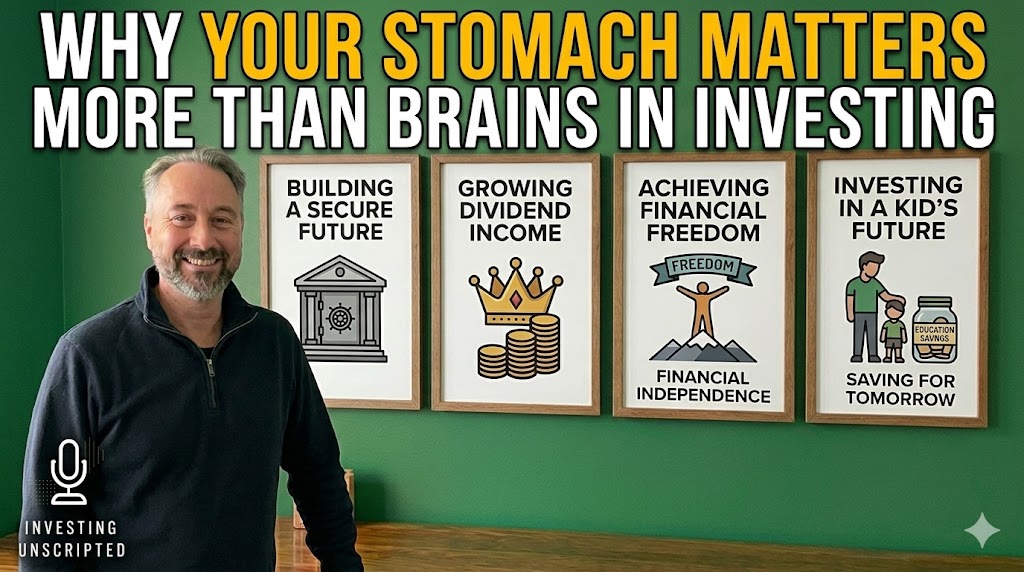
- Historical Lessons: Even the smartest individuals in history have faced significant losses in stock investing, highlighting that market volatility is an unavoidable risk in investing, necessitating investors to be psychologically prepared to handle such fluctuations.
- Amazon Case Study: Taking Amazon as an example, the company has experienced substantial stock price volatility throughout its development, and investors who can endure short-term fluctuations may have the opportunity for long-term capital appreciation, leading to wealth growth.
- Coca-Cola Analysis: Coca-Cola's stock price has also undergone multiple fluctuations; however, its brand value and market position have allowed long-term holders to achieve substantial returns, emphasizing the importance of patience and long-term investment.
- Investment Mindset: The video underscores that possessing the psychological resilience to cope with market volatility is crucial for success in investing, and investors should cultivate this mindset to remain calm and rational in the face of market uncertainties.
See More

Strategies for Protecting Retirement Income Amid Economic Turbulence

- Dividend Stock Investment: In times of economic turbulence, ensuring investments in reliable dividend-paying stocks like Coca-Cola (KO) and Verizon (VZ) can provide stable cash flow, thereby reducing the risk to retirement income.
- Staggering Bond Maturities: By spacing out bond maturity dates over the coming years, investors can avoid locking in low rates during market downturns, enhancing investment flexibility and potential returns.
- Inflation-Protected Bonds: Investing in Treasury Inflation-Protected Securities (TIPS), which adjust interest payments based on the Consumer Price Index (CPI), offers a way to safeguard purchasing power despite lower interest rates, particularly during inflationary periods.
- Cash Reserve Management: Maintaining a substantial cash reserve to meet unforeseen needs during economic uncertainty is crucial, while opting for money market accounts yielding up to 4% can maximize the efficiency of cash holdings.
See More

Berkshire Hathaway's Future Under Greg Abel: Growth Prospects and Stability
- Leadership Transition: Warren Buffett stepped down as CEO at the end of 2025, with successor Greg Abel reaffirming at the recent shareholder meeting his commitment to maintaining Berkshire's culture and policies, ensuring stability and continued growth for the company in the future.
- Reasonable Valuation: With a forward-looking P/E ratio of 22, close to its five-year average of 21, Berkshire Hathaway presents a reasonable valuation in the current market environment, attracting long-term investors' interest.
- Strong Growth Outlook: The stock has averaged a 10.3% annual growth over the past five years, and it is expected to maintain similar growth in the next five years, potentially increasing its price from $476 to around $767, showcasing robust investment potential.
- Diversified Business Strength: Berkshire's numerous defensive subsidiaries, such as those in insurance and energy, can maintain stability during economic downturns, while its substantial stock portfolio (including Coca-Cola and Apple) continues to provide steady cash flow for the company.
See More
Berkshire Hathaway's Portfolio Focused on Five Key Stocks
- Portfolio Concentration: Berkshire Hathaway's portfolio is heavily concentrated in five key stocks—Apple, American Express, Coca-Cola, Bank of America, and Chevron—which together account for approximately 60% of total investments, indicating a strong reliance on these core assets.
- Buffett's Cautious Strategy: Despite a strong stock market, Buffett remains cautious in his investments, refraining from significantly increasing exposure to emerging technologies and industries, reflecting his preference for familiar sectors.
- Significant Cash Flow Growth: While the portfolio has not changed dramatically, Berkshire's cash flow has grown significantly, indicating that the company can still achieve strong financial performance through stable core assets.
- Successful Investment Philosophy: Buffett emphasizes that having just one top-performing stock, like Apple, can dramatically enhance overall portfolio performance, underscoring the importance of focusing on familiar areas of expertise.
See More
SCHD ETF Outperforms with Strong Returns, Attracts Investor Interest
- Strong Start to the Year: As of Tuesday, the S&P 500 is up 7%, with a remarkable 15% increase since March 30, reflecting growing investor confidence in economic recovery and heightened market interest.
- Impressive SCHD Returns: The Schwab U.S. Dividend Equity ETF (SCHD) has risen over 15% year-to-date, with its appeal strengthening as investors seek high-quality dividend stocks, making it a top choice for portfolio diversification.
- Portfolio Stability: SCHD's holdings must meet strict criteria, including 10 consecutive years of dividend increases and solid debt ratios, ensuring stable returns during economic uncertainty, which attracts risk-averse investors.
- Long-Term Investment Value: Since its inception in October 2011, SCHD has averaged 13.1% annual total returns; while past performance does not guarantee future results, its consistent income and low expense ratio (0.06%) position it as an ideal option for long-term investors.
See More
Schwab U.S. Dividend Equity ETF Investment Analysis
- Quality Dividend Stock Portfolio: The Schwab U.S. Dividend Equity ETF (SCHD) holds around 100 carefully selected stocks, ensuring strong fundamentals and avoiding high-risk dividend stocks, thereby enhancing investment safety.
- Low-Risk Investment Characteristics: With only 11% of its holdings in tech stocks and stable sectors like consumer staples, healthcare, and energy accounting for 16% to 20%, this ETF demonstrates low-risk investment traits, making it suitable for investors seeking stable returns.
- Fee and Yield Advantages: The Schwab fund boasts an expense ratio of just 0.06%, while its dividend yield is approximately 3.3%, which is three times the S&P 500's yield of 1.1%, making it highly attractive.
- Outstanding Market Performance: The ETF has risen about 15% since the beginning of the year, performing excellently amid geopolitical and economic uncertainties, positioning itself as an ideal choice for investors seeking safe investments.
See More
The Importance of Tolerance for Volatility in Investing
- Historical Lessons: Even the smartest individuals in history have faced significant losses in stock investing, highlighting that market volatility is an unavoidable risk in investing, necessitating investors to be psychologically prepared to handle such fluctuations.
- Amazon Case Study: Taking Amazon as an example, the company has experienced substantial stock price volatility throughout its development, and investors who can endure short-term fluctuations may have the opportunity for long-term capital appreciation, leading to wealth growth.
- Coca-Cola Analysis: Coca-Cola's stock price has also undergone multiple fluctuations; however, its brand value and market position have allowed long-term holders to achieve substantial returns, emphasizing the importance of patience and long-term investment.
- Investment Mindset: The video underscores that possessing the psychological resilience to cope with market volatility is crucial for success in investing, and investors should cultivate this mindset to remain calm and rational in the face of market uncertainties.
See More
Strategies for Protecting Retirement Income Amid Economic Turbulence
- Dividend Stock Investment: In times of economic turbulence, ensuring investments in reliable dividend-paying stocks like Coca-Cola (KO) and Verizon (VZ) can provide stable cash flow, thereby reducing the risk to retirement income.
- Staggering Bond Maturities: By spacing out bond maturity dates over the coming years, investors can avoid locking in low rates during market downturns, enhancing investment flexibility and potential returns.
- Inflation-Protected Bonds: Investing in Treasury Inflation-Protected Securities (TIPS), which adjust interest payments based on the Consumer Price Index (CPI), offers a way to safeguard purchasing power despite lower interest rates, particularly during inflationary periods.
- Cash Reserve Management: Maintaining a substantial cash reserve to meet unforeseen needs during economic uncertainty is crucial, while opting for money market accounts yielding up to 4% can maximize the efficiency of cash holdings.
See More
Berkshire Hathaway's Future Under Greg Abel: Growth Prospects and Stability
- Leadership Transition: Warren Buffett stepped down as CEO at the end of 2025, with successor Greg Abel reaffirming at the recent shareholder meeting his commitment to maintaining Berkshire's culture and policies, ensuring stability and continued growth for the company in the future.
- Reasonable Valuation: With a forward-looking P/E ratio of 22, close to its five-year average of 21, Berkshire Hathaway presents a reasonable valuation in the current market environment, attracting long-term investors' interest.
- Strong Growth Outlook: The stock has averaged a 10.3% annual growth over the past five years, and it is expected to maintain similar growth in the next five years, potentially increasing its price from $476 to around $767, showcasing robust investment potential.
- Diversified Business Strength: Berkshire's numerous defensive subsidiaries, such as those in insurance and energy, can maintain stability during economic downturns, while its substantial stock portfolio (including Coca-Cola and Apple) continues to provide steady cash flow for the company.
See More