India's Economic Growth Faces Oil Price Pressures
Written by Emily J. Thompson, Senior Investment Analyst
Updated: 1 hour ago
0mins
Source: CNBC
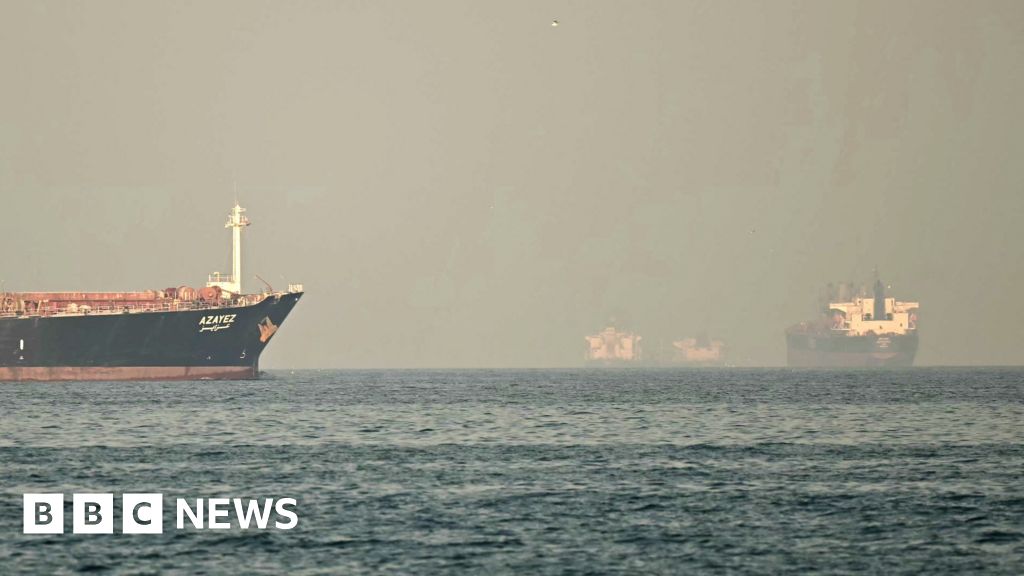
- GDP Growth Forecast: S&P Global predicts India's GDP growth will reach 6.4% in 2024 and 7% by 2026, but rising oil prices could hinder this growth trajectory.
- Rising Energy Import Costs: India imports nearly 85% of its crude oil, approximately 4.2 million barrels per day, and a $10 increase in oil prices is expected to widen the current account deficit by 50 basis points, adding further economic strain.
- Aviation Sector Impact: Flight disruptions in the Middle East are causing significant operational challenges for Indian airlines like IndiGo and Air India, with weekly losses estimated at ₹875 crores (about $96 million) due to cancellations and increased costs.
- International Relations Tensions: The U.S. is monitoring India's Russian oil imports, and any attempt to resume purchases could trigger punitive tariffs, creating greater uncertainty in India's energy supply landscape.
Trade with 70% Backtested Accuracy
Stop guessing "Should I Buy BA?" and start using high-conviction signals backed by rigorous historical data.
Sign up today to access powerful investing tools and make smarter, data-driven decisions.
Analyst Views on BA
Wall Street analysts forecast BA stock price to rise
16 Analyst Rating
14 Buy
1 Hold
1 Sell
Strong Buy
Current: 229.410

Low
150.00
Averages
269.14
High
298.00
Current: 229.410
Low
150.00
Averages
269.14
High
298.00
About BA
The Boeing Company is an aerospace company. Its segments include Commercial Airplanes (BCA), Defense, Space & Security (BDS), and Global Services (BGS). Its BCA segment develops, produces and markets commercial jet aircraft principally for the commercial airline industry worldwide. Its family of commercial jet aircraft in production includes the 737 narrow-body model and the 767, 777 and 787 wide-body models. Its BDS segment is engaged in the research, development, production and modification of manned and unmanned military aircraft and weapons systems for strike, surveillance and mobility. Its BGS segment provides services to its commercial and defense customers worldwide. It sustains aerospace platforms and systems with a range of products and services, including supply chain and logistics management, engineering, maintenance and modifications, upgrades and conversions, spare parts, pilot and maintenance training systems and services, technical and maintenance documents, and others.
About the author

Emily J. Thompson
Emily J. Thompson, a Chartered Financial Analyst (CFA) with 12 years in investment research, graduated with honors from the Wharton School. Specializing in industrial and technology stocks, she provides in-depth analysis for Intellectia’s earnings and market brief reports.
U.S. Department of Defense's New Contracts Highlight Modernization Investments

- Navy Contract Award: Hornbeck Offshore Operators has been awarded a $291.7 million Navy contract for the operation and maintenance of four government-owned Transportation Auxiliary General Submarine Escort vessels, set to conclude on August 31, 2031, if all options are exercised, highlighting the Pentagon's ongoing investment in naval modernization.
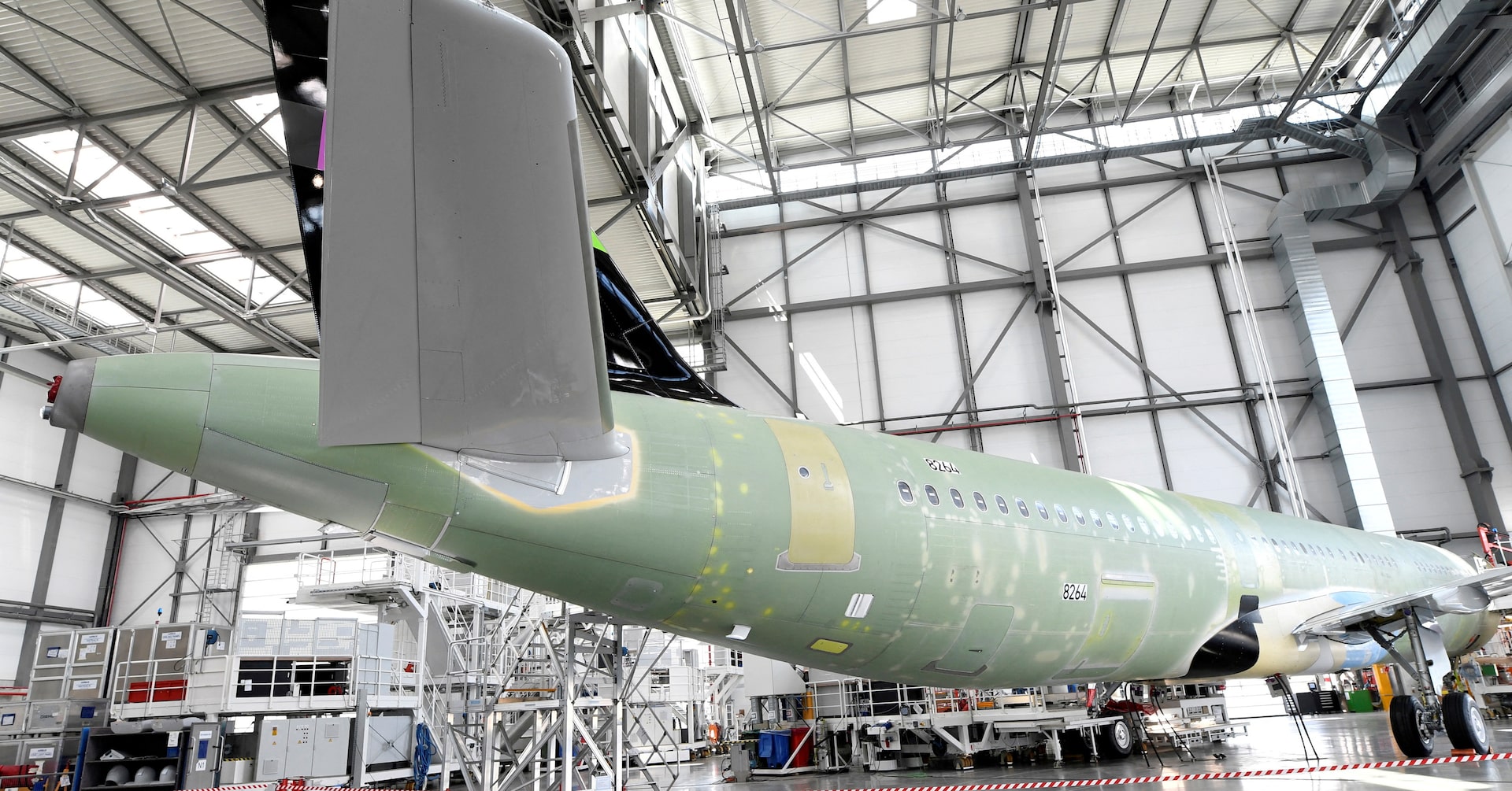
- Boeing Contract Update: Boeing secured a $166.8 million Navy contract to provide engineering analysis and software maintenance for P-8A systems, with work expected to be completed by December 2030, reflecting a strong emphasis on enhancing naval software and hardware capabilities to address obsolescence issues.
- L3 Technologies Contract: L3 Harris Maritime Services and others received a combined $49 million contract for engine room control system maintenance on Military Sealift Command vessels, with a five-year ordering period, indicating a long-term commitment to naval vessel maintenance.
- Night Vision Device Development: L3 Technologies was awarded a $465 million Army contract for the development and testing of binocular night observation devices, expected to be completed by February 27, 2033, underscoring the Army's strategic investment in enhancing nighttime operational capabilities.
See More

Middle East Escalation Drives Defense Stocks Up


- Defense Stocks Surge: Global defense stocks, particularly Germany's Hensoldt and Britain's BAE Systems, rose over 5% as investors reacted to the dramatic military escalation in the Middle East, indicating increased confidence in defense spending amid broader market declines.
- Strong U.S. Market Reaction: Lockheed Martin and Northrop Grumman saw premarket gains of 7.7% and 5.2%, respectively, highlighting strong investor interest in defense stocks despite a 1% drop in S&P 500 futures, reflecting market uncertainty.
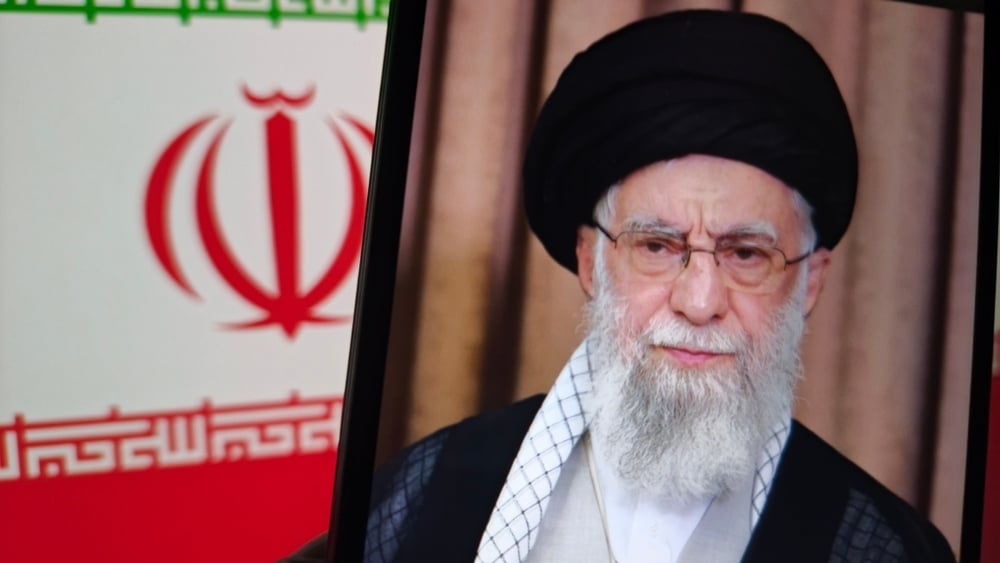
- Geopolitical Impact: The U.S. and Israel's attacks on Iran, resulting in the death of Supreme Leader Khamenei, have heightened concerns over escalating conflict, leading to surges in oil prices and energy stocks, showcasing the direct economic implications of geopolitical tensions.
- Uncertain Conflict Duration: President Trump warned that the conflict could last up to four weeks, causing investor anxiety over potential impacts on growth and inflation, which may lead to increased defense spending as markets grapple with ongoing uncertainty.
See More

China and Russia's Limited Response to Iran Crisis


- Condemnation of US-Israel Strikes: Chinese Foreign Minister Wang Yi and Russian Deputy Foreign Minister Sergey Ryabkov condemned the US and Israeli attacks on Iran, labeling them as violations of international law, yet refrained from committing military support, highlighting the strategic limitations of their partnership regarding Iran.
- China's Priority on US Relations: Analysts suggest that while China condemns the US actions, it prioritizes maintaining relations with the US, with expectations for a high-level meeting between President Trump and President Xi to proceed, potentially seeking concessions on issues like trade and Taiwan in exchange for a softer stance on Iran.
- Russia's Strategic Concerns: Despite condemning the attacks, Russia's capacity to influence the Middle East is waning due to its ongoing war in Ukraine, making Iran's stability crucial for Moscow to avoid losing another regional ally, following Syria's regime change.
- Impact on Oil Prices: Fears of a major global supply disruption due to the Iran conflict led to an over 8% rise in oil prices, prompting OPEC+ countries to announce an increase in production by 206,000 barrels per day, which benefits Russia but also indicates market sensitivity to geopolitical tensions.
See More
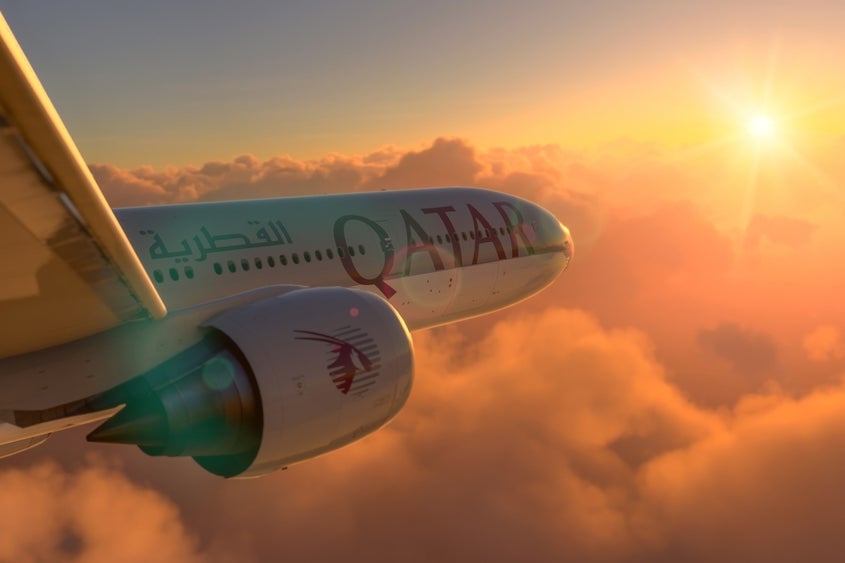
India's Economic Growth Faces Oil Price Pressures

- GDP Growth Forecast: S&P Global predicts India's GDP growth will reach 6.4% in 2024 and 7% by 2026, but rising oil prices could hinder this growth trajectory.
- Rising Energy Import Costs: India imports nearly 85% of its crude oil, approximately 4.2 million barrels per day, and a $10 increase in oil prices is expected to widen the current account deficit by 50 basis points, adding further economic strain.
- Aviation Sector Impact: Flight disruptions in the Middle East are causing significant operational challenges for Indian airlines like IndiGo and Air India, with weekly losses estimated at ₹875 crores (about $96 million) due to cancellations and increased costs.
- International Relations Tensions: The U.S. is monitoring India's Russian oil imports, and any attempt to resume purchases could trigger punitive tariffs, creating greater uncertainty in India's energy supply landscape.
See More
Trump's China Trip Faces Growing Uncertainty Amid Iran Strikes
- Iranian Leader Killed: The joint U.S.-Israel airstrike resulting in the death of Iran's Supreme Leader Khamenei complicates President Trump's upcoming trip to China, particularly against the backdrop of fragile U.S.-China relations, as analysts suggest.
- China's Response: China's Foreign Ministry condemned Khamenei's killing as a grave violation of Iran's sovereignty and security, urging an immediate ceasefire, which indicates Beijing's dissatisfaction with U.S. actions and concern for regional stability.
- Market Expectation Shift: According to Polymarket, expectations for Trump's visit to China by March 31 plummeted from 83.9% on February 21 to 42%, while the likelihood of a visit by April 30 remains high at 81%, reflecting increasing uncertainty in the market regarding Trump's travel plans.
- Business Environment Challenges: Prior to the Iran incident, many American CEOs were already hesitant to accompany Trump to China, and the current situation exacerbates challenges for business leaders in navigating plans for deals, potentially impacting future economic cooperation.
See More
Khamenei's Death Triggers Succession Process in Iran
- Urgent Succession Process: The death of Iran's Supreme Leader Khamenei has triggered an urgent succession process, as the Assembly of Experts is constitutionally required to appoint a new leader in the shortest possible time, highlighting instability within the nation's leadership.
- Temporary Leadership Council Formed: Until a new leader is appointed, a three-member provisional council comprising President Pezeshkian, Judiciary Chief Mohseni-Ejei, and Arafi assumes the supreme leader's duties, ensuring continuity in governance during this transitional phase.
- Intense Candidate Competition: Mohseni-Ejei is viewed as the frontrunner with market odds at approximately 18%, while Arafi and Hassan Khomeini are also in contention, reflecting the power struggles among various factions within Iran's political landscape.
- Uncertain Future: Analysts caution that the succession process may involve intense elite bargaining, with a hardline successor likely to continue Khamenei's confrontational policies, while a more moderate figure could seek limited reforms to improve international relations and alleviate sanctions pressure.
See More
U.S. Department of Defense's New Contracts Highlight Modernization Investments
- Navy Contract Award: Hornbeck Offshore Operators has been awarded a $291.7 million Navy contract for the operation and maintenance of four government-owned Transportation Auxiliary General Submarine Escort vessels, set to conclude on August 31, 2031, if all options are exercised, highlighting the Pentagon's ongoing investment in naval modernization.
- Boeing Contract Update: Boeing secured a $166.8 million Navy contract to provide engineering analysis and software maintenance for P-8A systems, with work expected to be completed by December 2030, reflecting a strong emphasis on enhancing naval software and hardware capabilities to address obsolescence issues.
- L3 Technologies Contract: L3 Harris Maritime Services and others received a combined $49 million contract for engine room control system maintenance on Military Sealift Command vessels, with a five-year ordering period, indicating a long-term commitment to naval vessel maintenance.
- Night Vision Device Development: L3 Technologies was awarded a $465 million Army contract for the development and testing of binocular night observation devices, expected to be completed by February 27, 2033, underscoring the Army's strategic investment in enhancing nighttime operational capabilities.
See More
Middle East Escalation Drives Defense Stocks Up
- Defense Stocks Surge: Global defense stocks, particularly Germany's Hensoldt and Britain's BAE Systems, rose over 5% as investors reacted to the dramatic military escalation in the Middle East, indicating increased confidence in defense spending amid broader market declines.
- Strong U.S. Market Reaction: Lockheed Martin and Northrop Grumman saw premarket gains of 7.7% and 5.2%, respectively, highlighting strong investor interest in defense stocks despite a 1% drop in S&P 500 futures, reflecting market uncertainty.
- Geopolitical Impact: The U.S. and Israel's attacks on Iran, resulting in the death of Supreme Leader Khamenei, have heightened concerns over escalating conflict, leading to surges in oil prices and energy stocks, showcasing the direct economic implications of geopolitical tensions.
- Uncertain Conflict Duration: President Trump warned that the conflict could last up to four weeks, causing investor anxiety over potential impacts on growth and inflation, which may lead to increased defense spending as markets grapple with ongoing uncertainty.
See More
China and Russia's Limited Response to Iran Crisis
- Condemnation of US-Israel Strikes: Chinese Foreign Minister Wang Yi and Russian Deputy Foreign Minister Sergey Ryabkov condemned the US and Israeli attacks on Iran, labeling them as violations of international law, yet refrained from committing military support, highlighting the strategic limitations of their partnership regarding Iran.
- China's Priority on US Relations: Analysts suggest that while China condemns the US actions, it prioritizes maintaining relations with the US, with expectations for a high-level meeting between President Trump and President Xi to proceed, potentially seeking concessions on issues like trade and Taiwan in exchange for a softer stance on Iran.
- Russia's Strategic Concerns: Despite condemning the attacks, Russia's capacity to influence the Middle East is waning due to its ongoing war in Ukraine, making Iran's stability crucial for Moscow to avoid losing another regional ally, following Syria's regime change.
- Impact on Oil Prices: Fears of a major global supply disruption due to the Iran conflict led to an over 8% rise in oil prices, prompting OPEC+ countries to announce an increase in production by 206,000 barrels per day, which benefits Russia but also indicates market sensitivity to geopolitical tensions.
See More
India's Economic Growth Faces Oil Price Pressures
- GDP Growth Forecast: S&P Global predicts India's GDP growth will reach 6.4% in 2024 and 7% by 2026, but rising oil prices could hinder this growth trajectory.
- Rising Energy Import Costs: India imports nearly 85% of its crude oil, approximately 4.2 million barrels per day, and a $10 increase in oil prices is expected to widen the current account deficit by 50 basis points, adding further economic strain.
- Aviation Sector Impact: Flight disruptions in the Middle East are causing significant operational challenges for Indian airlines like IndiGo and Air India, with weekly losses estimated at ₹875 crores (about $96 million) due to cancellations and increased costs.
- International Relations Tensions: The U.S. is monitoring India's Russian oil imports, and any attempt to resume purchases could trigger punitive tariffs, creating greater uncertainty in India's energy supply landscape.
See More
Trump's China Trip Faces Growing Uncertainty Amid Iran Strikes
- Iranian Leader Killed: The joint U.S.-Israel airstrike resulting in the death of Iran's Supreme Leader Khamenei complicates President Trump's upcoming trip to China, particularly against the backdrop of fragile U.S.-China relations, as analysts suggest.
- China's Response: China's Foreign Ministry condemned Khamenei's killing as a grave violation of Iran's sovereignty and security, urging an immediate ceasefire, which indicates Beijing's dissatisfaction with U.S. actions and concern for regional stability.
- Market Expectation Shift: According to Polymarket, expectations for Trump's visit to China by March 31 plummeted from 83.9% on February 21 to 42%, while the likelihood of a visit by April 30 remains high at 81%, reflecting increasing uncertainty in the market regarding Trump's travel plans.
- Business Environment Challenges: Prior to the Iran incident, many American CEOs were already hesitant to accompany Trump to China, and the current situation exacerbates challenges for business leaders in navigating plans for deals, potentially impacting future economic cooperation.
See More
Khamenei's Death Triggers Succession Process in Iran
- Urgent Succession Process: The death of Iran's Supreme Leader Khamenei has triggered an urgent succession process, as the Assembly of Experts is constitutionally required to appoint a new leader in the shortest possible time, highlighting instability within the nation's leadership.
- Temporary Leadership Council Formed: Until a new leader is appointed, a three-member provisional council comprising President Pezeshkian, Judiciary Chief Mohseni-Ejei, and Arafi assumes the supreme leader's duties, ensuring continuity in governance during this transitional phase.
- Intense Candidate Competition: Mohseni-Ejei is viewed as the frontrunner with market odds at approximately 18%, while Arafi and Hassan Khomeini are also in contention, reflecting the power struggles among various factions within Iran's political landscape.
- Uncertain Future: Analysts caution that the succession process may involve intense elite bargaining, with a hardline successor likely to continue Khamenei's confrontational policies, while a more moderate figure could seek limited reforms to improve international relations and alleviate sanctions pressure.
See More