Indian Markets Rattle Amid Iran War Turmoil
Written by Emily J. Thompson, Senior Investment Analyst
Updated: Apr 02 2026
0mins
Source: CNBC
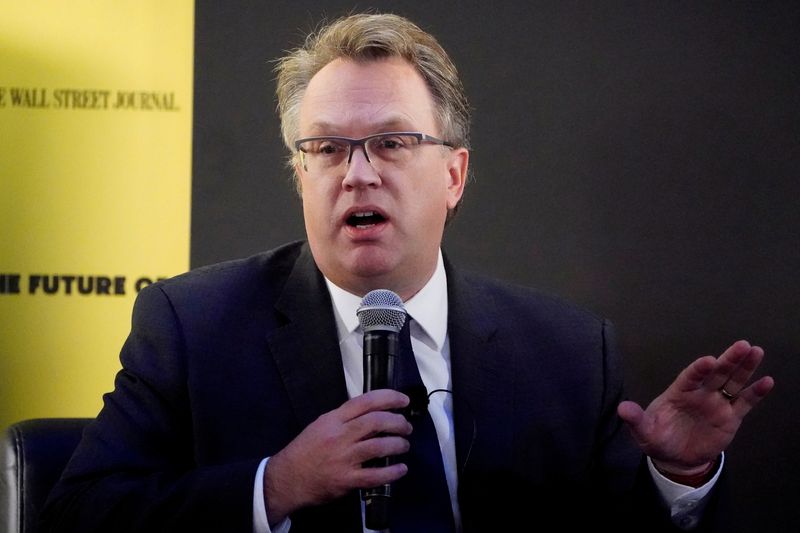
- Foreign Capital Exodus: Amid the turmoil of the Iran war, Indian markets experienced a record foreign investor sell-off exceeding $12 billion in March, resulting in a more than 10% drop in the Nifty 50 index, highlighting significant concerns over future economic growth prospects.
- Diminished Growth Outlook: India's Chief Economic Advisor V. Anantha Nageswaran warned that rising energy costs and supply chain disruptions pose considerable downside risks to the forecasted 7.0%-7.4% growth for FY 2027, with expectations of a significant widening of the trade deficit exacerbating fiscal pressures.
- Government Intervention: In response to economic strains, the Indian government implemented two key measures, including limiting banks' currency-hedging positions and cutting excise duties on petrol and diesel by 10 rupees per liter, which will significantly impact tax revenues and potentially hinder government spending capabilities.
- Weak Job Market: While India's consumption narrative continues to attract foreign investment, the lack of white-collar job creation undermines this story, with reports indicating that only a small percentage of graduates secure stable employment within a year of graduation, posing a long-term challenge to economic growth.
Trade with 70% Backtested Accuracy
Stop guessing "Should I Buy USB?" and start using high-conviction signals backed by rigorous historical data.
Sign up today to access powerful investing tools and make smarter, data-driven decisions.
Analyst Views on USB
Wall Street analysts forecast USB stock price to rise
20 Analyst Rating
12 Buy
7 Hold
1 Sell
Moderate Buy
Current: 56.810

Low
50.00
Averages
58.87
High
75.00
Current: 56.810
Low
50.00
Averages
58.87
High
75.00
About USB
U.S. Bancorp is a financial services holding company. Its segments are Wealth, Corporate, Commercial and Institutional Banking, Consumer and Business Banking, Payment Services, and Treasury and Corporate Support. It provides a full range of financial services, including lending and depository services, cash management, capital markets, and trust and investment management services. It also engages in credit card services, merchant and ATM processing, mortgage banking, insurance, brokerage and leasing. Its banking subsidiary, U.S. Bank National Association (USBNA), is engaged in the banking business, principally in domestic markets. USBNA provides a range of products and services to individuals, businesses, institutional organizations, governmental entities and other financial institutions. Its non-banking subsidiaries offer investment and insurance products to its customers principally within its domestic markets, and fund administration services to a range of mutual and other funds.
About the author

Emily J. Thompson
Emily J. Thompson, a Chartered Financial Analyst (CFA) with 12 years in investment research, graduated with honors from the Wharton School. Specializing in industrial and technology stocks, she provides in-depth analysis for Intellectia’s earnings and market brief reports.

US Stocks Close Mixed: Dow Hits All-Time High


- Dow Hits Record High: The Dow Jones Industrial Average rose 1.73% to reach an all-time high, reflecting strong rebounds in bank and managed healthcare stocks, despite a 0.53% decline in the Nasdaq 100 due to weakness in technology stocks.
- Crude Oil Prices Decline: WTI crude oil prices fell over 3%, lowering inflation expectations and pushing the 10-year T-note yield down 2 basis points to 4.47%, providing support for both stock and bond markets, indicating a complex market reaction to economic outlooks.
- Jobless Claims Rise: Initial jobless claims in the US increased by 13,000 to 225,000, marking a 3.75-month high, suggesting a weaker labor market, although unit labor costs were unexpectedly revised down to 1.8%, easing concerns over wage pressures.
- Earnings Season Summary: As of Thursday, 83% of the 494 S&P 500 companies reported earnings that beat estimates, with Q1 earnings projected to rise 12% year-over-year, but excluding the tech sector, growth is only about 3%, the lowest in two years, reflecting divergence across industries.
See More

U.S. Bancorp Executives to Attend Financial Conference

- Executives Attending: U.S. Bancorp's Chairman and CEO Gunjan Kedia, along with Vice Chair and CFO John Stern, will participate in a fireside chat at the Morgan Stanley U.S. Financials Conference on June 10, showcasing the company's leadership transparency and communication capabilities.
- Conference Timing: The event is scheduled to begin at 9:45 a.m. ET, likely attracting attention from investors and analysts, thereby enhancing the company's visibility in the financial sector.
- Live Webcast Availability: A live audio webcast will be available on the day of the conference, allowing investors who cannot attend in person to engage, thus strengthening the interaction between the company and its investors.
- Company Background: Headquartered in Minneapolis, U.S. Bancorp is the fifth-largest commercial bank in the U.S., serving 15 million clients with nearly 70,000 employees, demonstrating a strong market position and business diversity.
See More
U.S. Bancorp Completes Acquisition of BTIG, Enhancing Capital Markets Platform
- Acquisition Finalized: U.S. Bancorp successfully completed its acquisition of BTIG on June 1, 2026, which is expected to enhance the company's capital markets platform and create broader client service capabilities and market opportunities.
- Team Integration: U.S. Bancorp CEO Gunjan Kedia stated that the addition of the BTIG team will combine deep market expertise with the strength of a broader franchise, thereby enhancing the company's competitiveness among corporate and institutional clients.
- Business Synergy: Since its founding in 2005, BTIG has participated in over 1,350 investment banking transactions and ranks among the top ten U.S. brokers for high-touch equity volume, with the acquisition enabling U.S. Bancorp to better meet client needs and drive capital market growth.
- Leadership Stability: BTIG CEO Anton LeRoy will continue in his role and report to U.S. Bancorp Vice Chairman Stephen Philipson, ensuring business continuity and deepening client relationships during the integration process.
See More
U.S. Bancorp Updates 2027 Earnings Call Schedule
- Earnings Call Schedule: U.S. Bancorp has updated its earnings call schedule for 2027, with the first quarter results set to be released on April 16, 2027, at 8 a.m. CT, reflecting the company's commitment to transparency.
- Quarterly Reporting Dates: The second quarter results will be reported on July 15, 2027, at 7 a.m. CT, and the third quarter on October 20, 2027, at 8 a.m. CT, ensuring timely information for investors.
- 2026 Earnings Timeline: U.S. Bancorp has also announced the 2026 earnings call schedule, with the second quarter on July 16, 2026, the third quarter on October 15, 2026, and the fourth quarter on January 19, 2027, demonstrating a commitment to future financial transparency.
- Company Overview: Headquartered in Minneapolis, U.S. Bancorp is the fifth-largest commercial bank in the U.S., serving 15 million clients with nearly 70,000 employees, showcasing its strong position and capabilities in the financial services sector.
See More

Rising Treasury Yields Signal Stock Market Risks Amid Inflation

- Bond Market Alarm: Treasury yields have surged in recent months as investors anticipate the Federal Reserve will raise rates to combat inflation linked to the Iran war, with the 1-year Treasury yield reaching 3.86%, up 38 basis points from last month, indicating growing concerns about a potential economic slowdown.
- Inflationary Pressures: Oil prices have surged to multi-year highs, causing the Consumer Price Index (CPI) to accelerate to 3.8% in April, with projections suggesting it could rise to 6.7% in the second quarter, exerting persistent inflationary pressure on manufacturing and transportation costs.
- Historical Trends Warning: Since 1999, every rate-hike cycle initiated by the Federal Reserve has led to declines in the S&P 500, with drops ranging from 1% to 17% and an average drawdown of 7%, suggesting that current rate hike expectations could pose significant risks to the stock market.
- Investor Sentiment Shift: The CME Group's FedWatch tool indicates that investors initially expected two rate cuts in 2023, but now foresee a rate hike by January 2027, reflecting a growing pessimism about future economic conditions and potential impacts on stock performance.
See More

US Inflation Accelerates to Three-Year High Amid Geopolitical Tensions
- Inflation Surge: CPI inflation accelerated to 3.8% in April, the highest level since 2023, driven by rising energy prices linked to the U.S.-Iran conflict, with forecasts suggesting it could reach 6.7% in the coming months, thereby increasing manufacturing and transportation costs across the economy.
- Rising Bond Yields: Treasury yields have surged recently, with the 30-year yield hitting a 19-year high as investors expect the Federal Reserve to raise interest rates to combat inflation, indicating growing concerns about potential economic slowdown.
- Increased Stock Market Risks: Historically, the S&P 500 has averaged a 7% decline in the three months following the onset of a new rate-hike cycle since 1999, suggesting that current rate hike expectations could negatively impact stock market performance by limiting corporate investment and expansion plans.
- Market Warning Signals: The bond market is signaling alarm as investors sell Treasuries, driving prices down and yields up, which could adversely affect stock market performance, especially in a high-inflation environment where rising borrowing costs may suppress consumer demand.
See More
US Stocks Close Mixed: Dow Hits All-Time High
- Dow Hits Record High: The Dow Jones Industrial Average rose 1.73% to reach an all-time high, reflecting strong rebounds in bank and managed healthcare stocks, despite a 0.53% decline in the Nasdaq 100 due to weakness in technology stocks.
- Crude Oil Prices Decline: WTI crude oil prices fell over 3%, lowering inflation expectations and pushing the 10-year T-note yield down 2 basis points to 4.47%, providing support for both stock and bond markets, indicating a complex market reaction to economic outlooks.
- Jobless Claims Rise: Initial jobless claims in the US increased by 13,000 to 225,000, marking a 3.75-month high, suggesting a weaker labor market, although unit labor costs were unexpectedly revised down to 1.8%, easing concerns over wage pressures.
- Earnings Season Summary: As of Thursday, 83% of the 494 S&P 500 companies reported earnings that beat estimates, with Q1 earnings projected to rise 12% year-over-year, but excluding the tech sector, growth is only about 3%, the lowest in two years, reflecting divergence across industries.
See More
U.S. Bancorp Executives to Attend Financial Conference
- Executives Attending: U.S. Bancorp's Chairman and CEO Gunjan Kedia, along with Vice Chair and CFO John Stern, will participate in a fireside chat at the Morgan Stanley U.S. Financials Conference on June 10, showcasing the company's leadership transparency and communication capabilities.
- Conference Timing: The event is scheduled to begin at 9:45 a.m. ET, likely attracting attention from investors and analysts, thereby enhancing the company's visibility in the financial sector.
- Live Webcast Availability: A live audio webcast will be available on the day of the conference, allowing investors who cannot attend in person to engage, thus strengthening the interaction between the company and its investors.
- Company Background: Headquartered in Minneapolis, U.S. Bancorp is the fifth-largest commercial bank in the U.S., serving 15 million clients with nearly 70,000 employees, demonstrating a strong market position and business diversity.
See More
U.S. Bancorp Completes Acquisition of BTIG, Enhancing Capital Markets Platform
- Acquisition Finalized: U.S. Bancorp successfully completed its acquisition of BTIG on June 1, 2026, which is expected to enhance the company's capital markets platform and create broader client service capabilities and market opportunities.
- Team Integration: U.S. Bancorp CEO Gunjan Kedia stated that the addition of the BTIG team will combine deep market expertise with the strength of a broader franchise, thereby enhancing the company's competitiveness among corporate and institutional clients.
- Business Synergy: Since its founding in 2005, BTIG has participated in over 1,350 investment banking transactions and ranks among the top ten U.S. brokers for high-touch equity volume, with the acquisition enabling U.S. Bancorp to better meet client needs and drive capital market growth.
- Leadership Stability: BTIG CEO Anton LeRoy will continue in his role and report to U.S. Bancorp Vice Chairman Stephen Philipson, ensuring business continuity and deepening client relationships during the integration process.
See More
U.S. Bancorp Updates 2027 Earnings Call Schedule
- Earnings Call Schedule: U.S. Bancorp has updated its earnings call schedule for 2027, with the first quarter results set to be released on April 16, 2027, at 8 a.m. CT, reflecting the company's commitment to transparency.
- Quarterly Reporting Dates: The second quarter results will be reported on July 15, 2027, at 7 a.m. CT, and the third quarter on October 20, 2027, at 8 a.m. CT, ensuring timely information for investors.
- 2026 Earnings Timeline: U.S. Bancorp has also announced the 2026 earnings call schedule, with the second quarter on July 16, 2026, the third quarter on October 15, 2026, and the fourth quarter on January 19, 2027, demonstrating a commitment to future financial transparency.
- Company Overview: Headquartered in Minneapolis, U.S. Bancorp is the fifth-largest commercial bank in the U.S., serving 15 million clients with nearly 70,000 employees, showcasing its strong position and capabilities in the financial services sector.
See More
Rising Treasury Yields Signal Stock Market Risks Amid Inflation
- Bond Market Alarm: Treasury yields have surged in recent months as investors anticipate the Federal Reserve will raise rates to combat inflation linked to the Iran war, with the 1-year Treasury yield reaching 3.86%, up 38 basis points from last month, indicating growing concerns about a potential economic slowdown.
- Inflationary Pressures: Oil prices have surged to multi-year highs, causing the Consumer Price Index (CPI) to accelerate to 3.8% in April, with projections suggesting it could rise to 6.7% in the second quarter, exerting persistent inflationary pressure on manufacturing and transportation costs.
- Historical Trends Warning: Since 1999, every rate-hike cycle initiated by the Federal Reserve has led to declines in the S&P 500, with drops ranging from 1% to 17% and an average drawdown of 7%, suggesting that current rate hike expectations could pose significant risks to the stock market.
- Investor Sentiment Shift: The CME Group's FedWatch tool indicates that investors initially expected two rate cuts in 2023, but now foresee a rate hike by January 2027, reflecting a growing pessimism about future economic conditions and potential impacts on stock performance.
See More
US Inflation Accelerates to Three-Year High Amid Geopolitical Tensions
- Inflation Surge: CPI inflation accelerated to 3.8% in April, the highest level since 2023, driven by rising energy prices linked to the U.S.-Iran conflict, with forecasts suggesting it could reach 6.7% in the coming months, thereby increasing manufacturing and transportation costs across the economy.
- Rising Bond Yields: Treasury yields have surged recently, with the 30-year yield hitting a 19-year high as investors expect the Federal Reserve to raise interest rates to combat inflation, indicating growing concerns about potential economic slowdown.
- Increased Stock Market Risks: Historically, the S&P 500 has averaged a 7% decline in the three months following the onset of a new rate-hike cycle since 1999, suggesting that current rate hike expectations could negatively impact stock market performance by limiting corporate investment and expansion plans.
- Market Warning Signals: The bond market is signaling alarm as investors sell Treasuries, driving prices down and yields up, which could adversely affect stock market performance, especially in a high-inflation environment where rising borrowing costs may suppress consumer demand.
See More