Impact of Iran War on Supply Chains
Written by Emily J. Thompson, Senior Investment Analyst
Updated: 1 hour ago
0mins
Source: Fool
- Supply Chain Vulnerability: The Iran war has caused helium prices to double, revealing the fragility of global supply chains to geopolitical shocks, prompting investors to reassess risks and seize current buying opportunities.
- Semiconductor Industry Resilience: Since March 30, the iShares Semiconductor ETF has surged over 30%, and despite ongoing conflict, TSMC has indicated no immediate operational disruptions, showcasing the industry's robust resilience.
- Helium as a Strategic Asset: Linde has emerged as a major beneficiary of rising helium prices due to its significant storage capacity and supply network, which is expected to drive long-term growth and enhance market pricing power.
- Urgency in Domestic Manufacturing: GlobalFoundries' multibillion-dollar expansion plan in the U.S., supported by CHIPS Act funding, ensures structural advantages in a complex supply chain, reducing reliance on external supplies.
Trade with 70% Backtested Accuracy
Stop guessing "Should I Buy GFS?" and start using high-conviction signals backed by rigorous historical data.
Sign up today to access powerful investing tools and make smarter, data-driven decisions.
Analyst Views on GFS
Wall Street analysts forecast GFS stock price to fall
11 Analyst Rating
2 Buy
7 Hold
2 Sell
Hold
Current: 61.540

Low
35.00
Averages
41.32
High
48.50
Current: 61.540
Low
35.00
Averages
41.32
High
48.50
About GFS
GlobalFoundries Inc. is a semiconductor manufacturer. The Company offers a range of mainstream wafer fabrication services and technologies. It manufactures a range of semiconductor devices, including microprocessors, mobile application processors, baseband processors, network processors, radio frequency modems, microcontrollers, and power management units. Its specialized foundry manufacturing processes include a library consisting of qualified circuit-building block designs (known as IP titles or IP blocks), and advanced transistor and device technology. The Company's differentiated technology platforms include radio frequency (RF) silicon-on-insulator (SOI), Fin Field-Effect Transistor (FinFET), FDX, Complementary Metal-Oxide Semiconductor (CMOS), Silicon Germanium (SiGe), Gallium Nitride (GaN), Bipolar-CMOS-DMOS (BCD), and Silicon Photonics (SiPh).
About the author

Emily J. Thompson
Emily J. Thompson, a Chartered Financial Analyst (CFA) with 12 years in investment research, graduated with honors from the Wharton School. Specializing in industrial and technology stocks, she provides in-depth analysis for Intellectia’s earnings and market brief reports.

Impact of Iran War on Supply Chains

- Supply Chain Vulnerability: The Iran war has caused helium prices to double, revealing the fragility of global supply chains to geopolitical shocks, prompting investors to reassess risks and seize current buying opportunities.
- Semiconductor Industry Resilience: Since March 30, the iShares Semiconductor ETF has surged over 30%, and despite ongoing conflict, TSMC has indicated no immediate operational disruptions, showcasing the industry's robust resilience.
- Helium as a Strategic Asset: Linde has emerged as a major beneficiary of rising helium prices due to its significant storage capacity and supply network, which is expected to drive long-term growth and enhance market pricing power.
- Urgency in Domestic Manufacturing: GlobalFoundries' multibillion-dollar expansion plan in the U.S., supported by CHIPS Act funding, ensures structural advantages in a complex supply chain, reducing reliance on external supplies.
See More

Geopolitical Shifts Raise Supply Chain Costs
- Supply Chain Vulnerability: Geopolitical factors have significantly increased the prices of critical inputs like helium, shifting pricing power to suppliers, which benefits industrial gas giants like Linde and domestic chip manufacturers like GlobalFoundries through a more localized supply chain.
- Helium as a Strategic Asset: Linde has gained disproportionate leverage due to its significant helium storage capacity and established supply network, allowing it to capitalize on rising helium prices, thereby reinforcing its position in clean energy contracts.
- Structural Advantages in Semiconductor Industry: GlobalFoundries' U.S. manufacturing expansion, supported by CHIPS Act funding, enhances its competitiveness amid a complex supply chain, reducing reliance on external helium supplies and bolstering economic and national security.
- AI Supercycle Continues: Despite supply chain challenges, the demand for AI computing remains robust, with hyperscalers committed to data center build-outs that cannot be paused, prompting investors to recognize the long-term investment opportunities arising from the increased strategic value of critical resources like helium.
See More
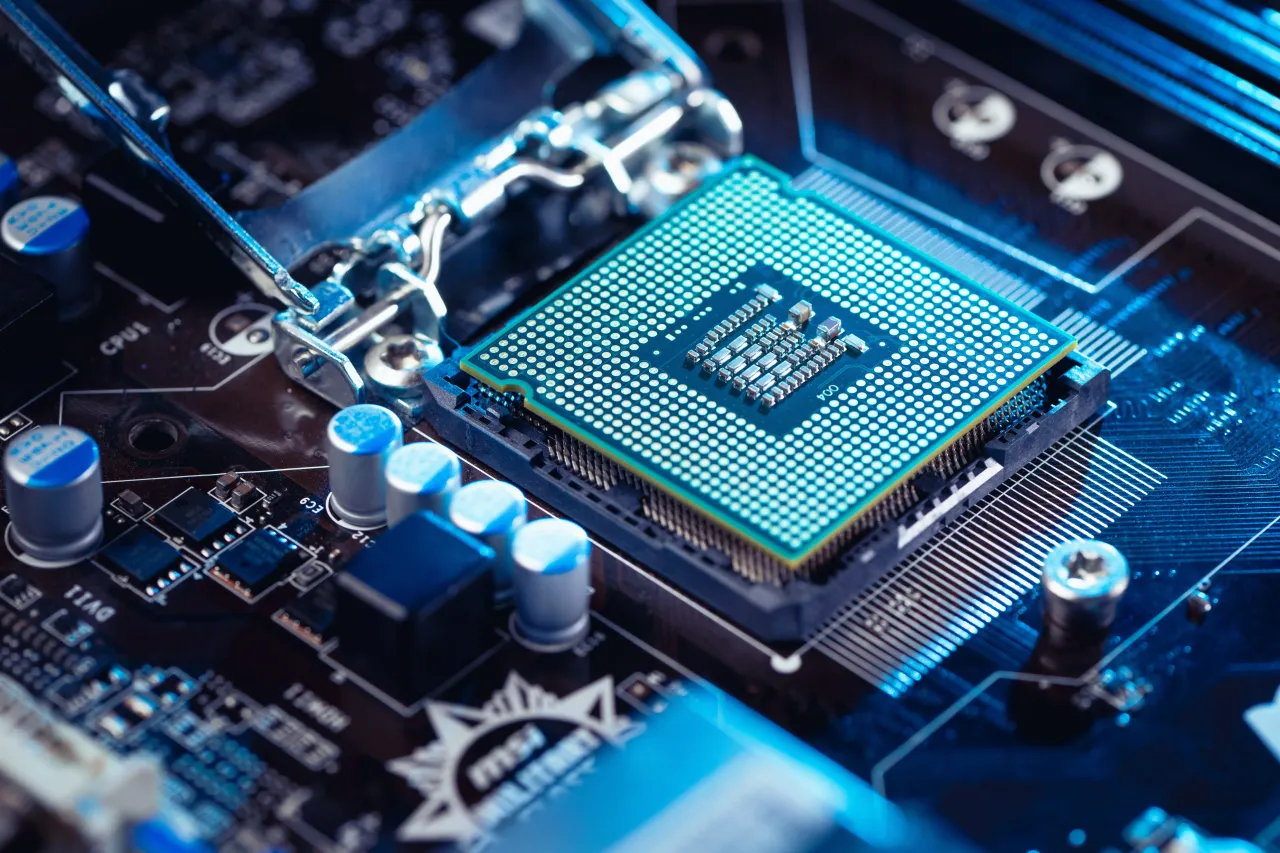
GlobalFoundries Accuses Tower Semiconductor of Patent Infringement

- Patent Infringement Allegations: GlobalFoundries has accused Tower Semiconductor of unauthorized use of 11 patents related to advanced manufacturing processes, impacting sectors like smartphones and automotive systems, which could restrict Tower's ability to import and sell products in the U.S.
- Escalation of Legal Actions: GlobalFoundries has filed complaints with the U.S. International Trade Commission and a federal court in Texas, seeking legal remedies to prevent Tower's related products from entering the U.S. market, indicating a growing competitive tension in the semiconductor industry.
- Market Reaction: Following the allegations, Tower Semiconductor's stock fell over 6%, with investor sentiment shifting from 'extremely bullish' to 'bullish', reflecting heightened market concern and potential risks of business losses.
- Financial Outlook: Despite the legal challenges, Tower Semiconductor projected first-quarter fiscal 2025 revenue of approximately $358 million, slightly above market expectations, and is reorganizing its Japan operations to enhance production capacity, demonstrating resilience amid adversity.
See More
Apple Collaborates with Cirrus Logic on Semiconductor Technologies

- New Technology Partnership: Apple is collaborating with Cirrus Logic and GlobalFoundries to develop new semiconductor process technologies at the Malta, New York facility, which is expected to drive innovation in Face ID systems and enhance Apple's product competitiveness.
- Investment Plan: Apple plans to invest $400 million through its American Manufacturing Program (AMP) by 2030, supporting new members like Cirrus Logic, Bosch, TDK, and Qnity Electronics, thereby strengthening domestic manufacturing capabilities.
- Positive Market Reaction: Cirrus Logic's stock surged over 7% following Apple's announcement, indicating optimistic market sentiment regarding the new technology and future growth potential, reflecting investor confidence in the company's prospects.
- Long-Term Outlook: Analysts predict that the new technology will mature by 2028, with Cirrus Logic potentially contributing $1 of new content across Apple phone SKUs in 2027, suggesting that this partnership will yield long-term strategic benefits for both parties.
See More
GlobalFoundries Sues Tower Semiconductor for Patent Infringement
- Patent Infringement Lawsuit: GlobalFoundries has filed lawsuits with the U.S. ITC and a Texas federal court, accusing Tower Semiconductor of unlawfully using its semiconductor manufacturing technologies without licensing, involving 11 U.S. patents related to critical chip technologies for mobile, automotive, aerospace, and communications sectors.
- Market Impact: GlobalFoundries is seeking to block Tower's import and sale of allegedly infringing products in the U.S. while also aiming to recover lost profits due to the infringement, demonstrating its strong commitment to protecting intellectual property rights.
- R&D Cost Issues: GF claims that Tower avoided costly R&D by exploiting its patented innovations instead of developing its own capabilities, a practice that not only undermines GF's competitive position but may also negatively impact the innovation landscape within the industry.
- Stock Price Reaction: Tower Semiconductor's shares fell by 3.3%, reflecting market concerns over the lawsuit and potentially affecting investor confidence in its future growth prospects.
See More

GlobalFoundries Sues Tower Semiconductor Over Patent Issues
- Lawsuit Initiation: GlobalFoundries filed a lawsuit against Tower Semiconductor on Thursday, alleging patent infringement, highlighting the intense competition in the semiconductor industry that could impact both companies' future market shares and technological collaborations.
- Market Reaction Anticipation: This lawsuit may lead to a decline in investor confidence in Tower Semiconductor, potentially affecting its stock performance, especially against the backdrop of current supply chain challenges in the semiconductor sector.
- Increased Legal Costs: The lawsuit will result in increased legal expenses for both parties, which could impact their financial health, particularly putting pressure on Tower Semiconductor's profitability.
- Industry-Wide Implications: The outcome of this case could have far-reaching implications for the entire semiconductor industry, particularly in terms of intellectual property protection and technological innovation, possibly prompting other companies to reassess their patent strategies.
See More
Impact of Iran War on Supply Chains
- Supply Chain Vulnerability: The Iran war has caused helium prices to double, revealing the fragility of global supply chains to geopolitical shocks, prompting investors to reassess risks and seize current buying opportunities.
- Semiconductor Industry Resilience: Since March 30, the iShares Semiconductor ETF has surged over 30%, and despite ongoing conflict, TSMC has indicated no immediate operational disruptions, showcasing the industry's robust resilience.
- Helium as a Strategic Asset: Linde has emerged as a major beneficiary of rising helium prices due to its significant storage capacity and supply network, which is expected to drive long-term growth and enhance market pricing power.
- Urgency in Domestic Manufacturing: GlobalFoundries' multibillion-dollar expansion plan in the U.S., supported by CHIPS Act funding, ensures structural advantages in a complex supply chain, reducing reliance on external supplies.
See More
Geopolitical Shifts Raise Supply Chain Costs
- Supply Chain Vulnerability: Geopolitical factors have significantly increased the prices of critical inputs like helium, shifting pricing power to suppliers, which benefits industrial gas giants like Linde and domestic chip manufacturers like GlobalFoundries through a more localized supply chain.
- Helium as a Strategic Asset: Linde has gained disproportionate leverage due to its significant helium storage capacity and established supply network, allowing it to capitalize on rising helium prices, thereby reinforcing its position in clean energy contracts.
- Structural Advantages in Semiconductor Industry: GlobalFoundries' U.S. manufacturing expansion, supported by CHIPS Act funding, enhances its competitiveness amid a complex supply chain, reducing reliance on external helium supplies and bolstering economic and national security.
- AI Supercycle Continues: Despite supply chain challenges, the demand for AI computing remains robust, with hyperscalers committed to data center build-outs that cannot be paused, prompting investors to recognize the long-term investment opportunities arising from the increased strategic value of critical resources like helium.
See More
GlobalFoundries Accuses Tower Semiconductor of Patent Infringement
- Patent Infringement Allegations: GlobalFoundries has accused Tower Semiconductor of unauthorized use of 11 patents related to advanced manufacturing processes, impacting sectors like smartphones and automotive systems, which could restrict Tower's ability to import and sell products in the U.S.
- Escalation of Legal Actions: GlobalFoundries has filed complaints with the U.S. International Trade Commission and a federal court in Texas, seeking legal remedies to prevent Tower's related products from entering the U.S. market, indicating a growing competitive tension in the semiconductor industry.
- Market Reaction: Following the allegations, Tower Semiconductor's stock fell over 6%, with investor sentiment shifting from 'extremely bullish' to 'bullish', reflecting heightened market concern and potential risks of business losses.
- Financial Outlook: Despite the legal challenges, Tower Semiconductor projected first-quarter fiscal 2025 revenue of approximately $358 million, slightly above market expectations, and is reorganizing its Japan operations to enhance production capacity, demonstrating resilience amid adversity.
See More
Apple Collaborates with Cirrus Logic on Semiconductor Technologies
- New Technology Partnership: Apple is collaborating with Cirrus Logic and GlobalFoundries to develop new semiconductor process technologies at the Malta, New York facility, which is expected to drive innovation in Face ID systems and enhance Apple's product competitiveness.
- Investment Plan: Apple plans to invest $400 million through its American Manufacturing Program (AMP) by 2030, supporting new members like Cirrus Logic, Bosch, TDK, and Qnity Electronics, thereby strengthening domestic manufacturing capabilities.
- Positive Market Reaction: Cirrus Logic's stock surged over 7% following Apple's announcement, indicating optimistic market sentiment regarding the new technology and future growth potential, reflecting investor confidence in the company's prospects.
- Long-Term Outlook: Analysts predict that the new technology will mature by 2028, with Cirrus Logic potentially contributing $1 of new content across Apple phone SKUs in 2027, suggesting that this partnership will yield long-term strategic benefits for both parties.
See More
GlobalFoundries Sues Tower Semiconductor for Patent Infringement
- Patent Infringement Lawsuit: GlobalFoundries has filed lawsuits with the U.S. ITC and a Texas federal court, accusing Tower Semiconductor of unlawfully using its semiconductor manufacturing technologies without licensing, involving 11 U.S. patents related to critical chip technologies for mobile, automotive, aerospace, and communications sectors.
- Market Impact: GlobalFoundries is seeking to block Tower's import and sale of allegedly infringing products in the U.S. while also aiming to recover lost profits due to the infringement, demonstrating its strong commitment to protecting intellectual property rights.
- R&D Cost Issues: GF claims that Tower avoided costly R&D by exploiting its patented innovations instead of developing its own capabilities, a practice that not only undermines GF's competitive position but may also negatively impact the innovation landscape within the industry.
- Stock Price Reaction: Tower Semiconductor's shares fell by 3.3%, reflecting market concerns over the lawsuit and potentially affecting investor confidence in its future growth prospects.
See More
GlobalFoundries Sues Tower Semiconductor Over Patent Issues
- Lawsuit Initiation: GlobalFoundries filed a lawsuit against Tower Semiconductor on Thursday, alleging patent infringement, highlighting the intense competition in the semiconductor industry that could impact both companies' future market shares and technological collaborations.
- Market Reaction Anticipation: This lawsuit may lead to a decline in investor confidence in Tower Semiconductor, potentially affecting its stock performance, especially against the backdrop of current supply chain challenges in the semiconductor sector.
- Increased Legal Costs: The lawsuit will result in increased legal expenses for both parties, which could impact their financial health, particularly putting pressure on Tower Semiconductor's profitability.
- Industry-Wide Implications: The outcome of this case could have far-reaching implications for the entire semiconductor industry, particularly in terms of intellectual property protection and technological innovation, possibly prompting other companies to reassess their patent strategies.
See More