HSBC's Q1 Profit Misses Expectations Amid Rising Credit Losses
Written by Emily J. Thompson, Senior Investment Analyst
Updated: 2 days ago
0mins
Should l Buy HSBC?
Source: CNBC
- Profit Performance: HSBC reported a pre-tax profit of $9.4 billion for Q1, missing analysts' expectations of $9.59 billion primarily due to rising expected credit losses and other impairment charges, indicating economic uncertainty.
- Strong Revenue Growth: Despite the profit decline, HSBC's revenue increased by 6% year-on-year to $18.62 billion, exceeding estimates, driven by stronger wealth management fees and other income, showcasing the effectiveness of its diversification strategy.
- Rising Credit Losses: Expected credit losses rose to $1.3 billion, $400 million higher than the same period last year, primarily linked to exposure to a UK financial sponsor, reflecting economic pressures and uncertainties stemming from the Middle East conflict.
- Shareholder Return Plan: HSBC's board approved its first interim dividend of 10 cents per share for 2026, maintaining a target return on tangible equity of 17% despite potential impacts from the Middle East crisis, demonstrating confidence in future profitability.
Trade with 70% Backtested Accuracy
Stop guessing "Should I Buy HSBC?" and start using high-conviction signals backed by rigorous historical data.
Sign up today to access powerful investing tools and make smarter, data-driven decisions.
Analyst Views on HSBC
About HSBC
HSBC Holdings plc (HSBC) is a banking and financial services company. Its business segments include Hong Kong, UK, Corporate and Institutional Banking (CIB), and International Wealth and Premier Banking (IWPB). Its Hong Kong business comprises retail banking and wealth and commercial banking of HSBC Hong Kong and Hang Seng Bank. Its UK business comprises UK retail banking and wealth (including first direct and M&S Bank) and UK commercial banking, including HSBC Innovation Bank. The CIB segment is formed from the integration of its commercial banking business (outside the UK and Hong Kong) with its global banking and markets business. The IWPB segment comprises premier banking outside of Hong Kong and the UK, its global private bank, and its asset management, insurance and investment distribution businesses. Its customers worldwide through a network covering 58 countries and territories. Its customers range from individual savers and investors to companies, governments and others.
About the author

Emily J. Thompson
Emily J. Thompson, a Chartered Financial Analyst (CFA) with 12 years in investment research, graduated with honors from the Wharton School. Specializing in industrial and technology stocks, she provides in-depth analysis for Intellectia’s earnings and market brief reports.
HSBC's Q1 Profit Misses Expectations Amid Rising Credit Losses

- Profit Performance: HSBC reported a pre-tax profit of $9.4 billion for Q1, missing analysts' expectations of $9.59 billion primarily due to rising expected credit losses and other impairment charges, indicating economic uncertainty.
- Strong Revenue Growth: Despite the profit decline, HSBC's revenue increased by 6% year-on-year to $18.62 billion, exceeding estimates, driven by stronger wealth management fees and other income, showcasing the effectiveness of its diversification strategy.
- Rising Credit Losses: Expected credit losses rose to $1.3 billion, $400 million higher than the same period last year, primarily linked to exposure to a UK financial sponsor, reflecting economic pressures and uncertainties stemming from the Middle East conflict.
- Shareholder Return Plan: HSBC's board approved its first interim dividend of 10 cents per share for 2026, maintaining a target return on tangible equity of 17% despite potential impacts from the Middle East crisis, demonstrating confidence in future profitability.
See More

Iran and US Peace Talks Spark Market Optimism

- Peace Proposal Review: A spokesperson for Iran's foreign ministry announced that Iran is reviewing a U.S. peace proposal, indicating that both nations are nearing an agreement to end the war and address key issues, which could positively impact market sentiment.
- Oil Price Fluctuations: Reports of a potential agreement between the U.S. and Iran led to a sharp decline in crude oil prices on Wednesday, although prices have stabilized since, as traders continue to monitor developments in the Middle East closely.
- Global Stock Market Rally: Global stocks are experiencing a relief rally, with Japan's Nikkei 225 index reopening after a holiday and surpassing 62,000 for the first time, driven by a 16% surge in Softbank shares, reflecting strong investor confidence in tech stocks.
- Corporate Growth Challenges: Anthropic's CEO stated that the company faced an 80-fold increase in revenue and usage in Q1, which has made it difficult to keep up with demand, highlighting the intense market appetite for AI technology despite challenges in computing capacity.
See More
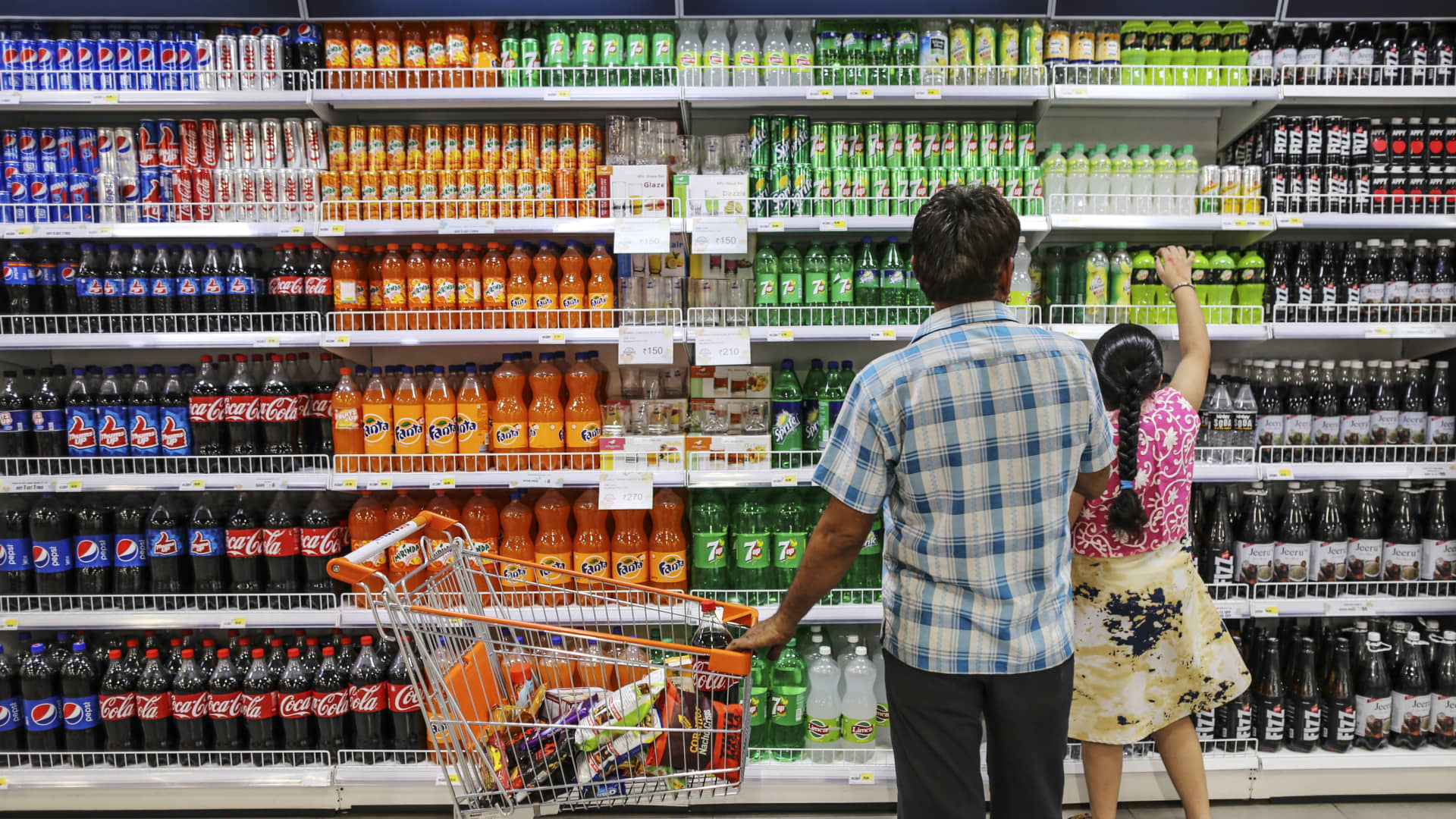
Social Media Influencers Transform India's Food and Beverage Market


- Health Beverage Transformation: PepsiCo reports that over 50% of its beverage portfolio in India consists of low- to no-sugar options, with plans to increase this to 90%, reflecting a significant shift towards healthier consumer preferences in the market.
- Consumer Awareness Rise: Social media influencers are urging consumers to read labels, leading brands like Dabur and Mondelez to reduce sugar content; Dabur has cut sugar by 21% in its juices by 2023 and aims for an additional 20% reduction, highlighting the strong demand for healthier products.
- Rise of D2C Brands: The growth of social media is facilitating the rise of direct-to-consumer brands in India, posing a threat to traditional companies that fail to adapt, as experts indicate this trend will be a crucial lever for future personal care and food brands.
- Strengthened Food Safety Regulations: India's food safety regulator has banned certain beverages from using
See More
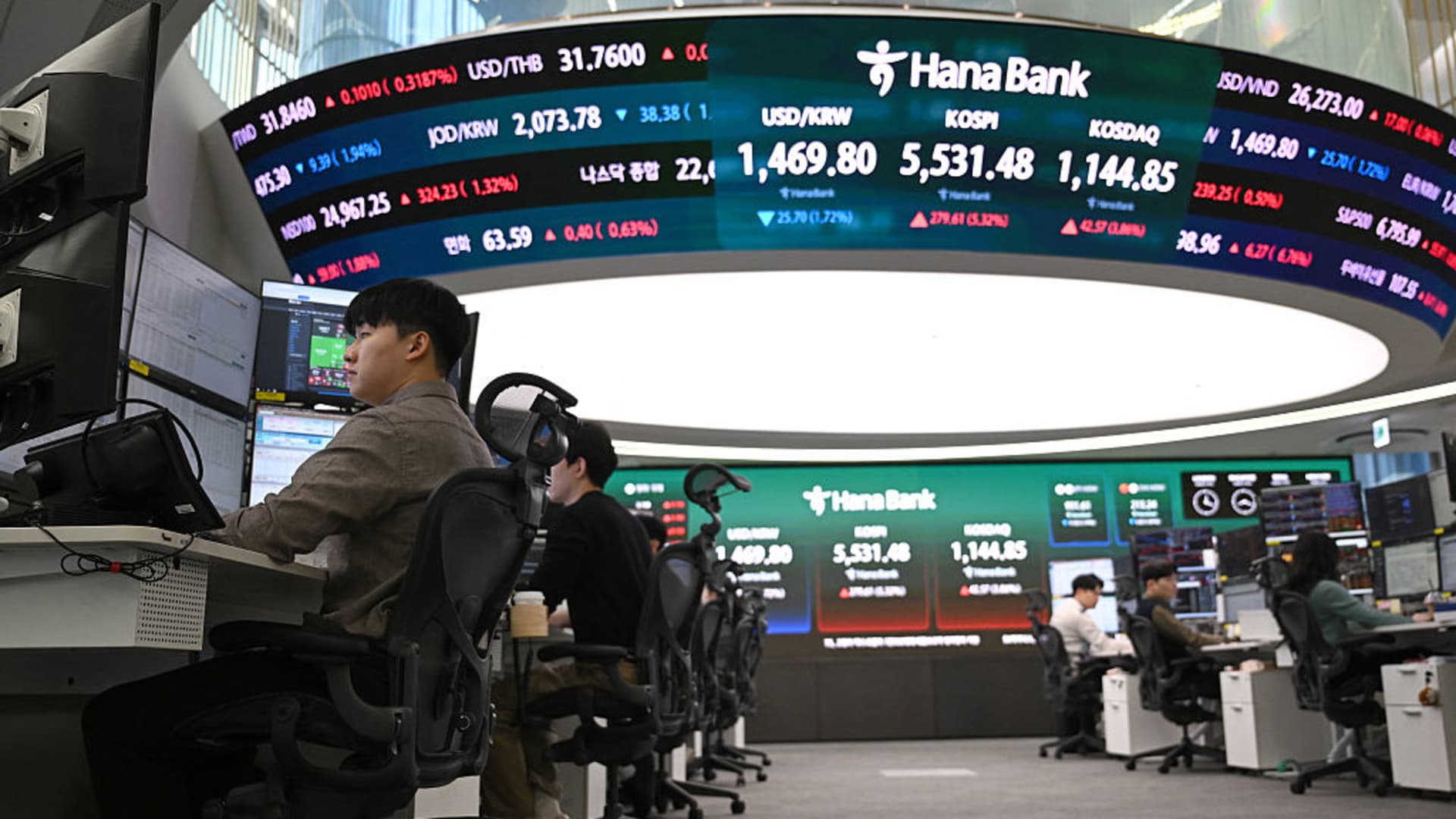
South Korea's Stock Market Hits Record High
- KOSPI Surge: As of early May, South Korea's KOSPI index has surged over 70% since the beginning of the year, breaking above 7,000 in today's trading to reach a new record high, indicating a robust market recovery.
- Samsung's Market Milestone: Samsung Electronics' stock jumped over 15% on Wednesday, pushing its market capitalization past $1 trillion, making it the second Asian company to achieve this milestone after TSMC, reflecting strong investor interest in AI-linked stocks.
- Market Reaction to Trump Policy: Following President Trump's announcement to pause 'Project Freedom' aimed at facilitating an agreement with Iran, broader markets rose, showcasing investor optimism amid geopolitical tensions, particularly in the Middle East.
- Bitcoin Strategy Shift: Bitcoin treasury firm Strategy announced a shift from its longstanding 'never sell' approach in its latest earnings release, opting to actively manage its bitcoin assets in response to a $12.5 billion net loss in Q1, demonstrating adaptability to market dynamics.
See More
HSBC Holdings Reports Decline in Q1 Profit
- Credit Loss Impact: HSBC's expected credit losses and other impairment charges reached $0.52 per share in Q1, up from $0.38 a year ago and $0.36 in the previous quarter, indicating a deteriorating credit environment that may pressure future profitability.
- Profitability Decline: Pre-tax profit fell to $9.38 billion from $9.48 billion a year earlier, although it increased from $6.80 billion in Q4 2025, reflecting the adverse effects of higher credit losses and rising operating expenses on earnings.
- Weak Revenue Growth: Net interest income rose year-over-year to $8.95 billion but decreased from $9.20 billion sequentially, suggesting that changes in the interest rate environment are beginning to impact bank revenues, potentially affecting future revenue forecasts.
- Capital Ratio Decline: The common equity tier 1 capital ratio decreased to 14.0% from 14.9% in the previous quarter, indicating pressure on capital adequacy that may affect the bank's risk-bearing capacity and future growth potential.
See More
HSBC Holdings Declares $0.50 Interim Dividend per ADS
- Dividend Announcement: HSBC Holdings has declared an interim dividend of $0.50 per American Depositary Share (ADS), payable on June 26, with a record date of May 15 and an ex-dividend date also on May 15, indicating the company's commitment to shareholder returns and robust cash flow management.
- Preferred Share Dividends: The company plans to pay a quarterly dividend of £0.01 per Series A sterling preference share on March 16, June 15, September 15, and December 15, 2026, demonstrating HSBC's intention to maintain returns for its preferred shareholders in the coming years.
- Buyback Plans: HSBC stated that any future stock buybacks will be subject to normal quarterly review processes, reflecting a cautious approach to capital management aimed at balancing shareholder returns with capital adequacy.
- Dividend Policy: HSBC has established a target dividend payout ratio of 50% for 2026, excluding material notable items and related impacts, which reflects the company's confidence in future profitability and commitment to shareholder interests.
See More
HSBC's Q1 Profit Misses Expectations Amid Rising Credit Losses
- Profit Performance: HSBC reported a pre-tax profit of $9.4 billion for Q1, missing analysts' expectations of $9.59 billion primarily due to rising expected credit losses and other impairment charges, indicating economic uncertainty.
- Strong Revenue Growth: Despite the profit decline, HSBC's revenue increased by 6% year-on-year to $18.62 billion, exceeding estimates, driven by stronger wealth management fees and other income, showcasing the effectiveness of its diversification strategy.
- Rising Credit Losses: Expected credit losses rose to $1.3 billion, $400 million higher than the same period last year, primarily linked to exposure to a UK financial sponsor, reflecting economic pressures and uncertainties stemming from the Middle East conflict.
- Shareholder Return Plan: HSBC's board approved its first interim dividend of 10 cents per share for 2026, maintaining a target return on tangible equity of 17% despite potential impacts from the Middle East crisis, demonstrating confidence in future profitability.
See More
Iran and US Peace Talks Spark Market Optimism
- Peace Proposal Review: A spokesperson for Iran's foreign ministry announced that Iran is reviewing a U.S. peace proposal, indicating that both nations are nearing an agreement to end the war and address key issues, which could positively impact market sentiment.
- Oil Price Fluctuations: Reports of a potential agreement between the U.S. and Iran led to a sharp decline in crude oil prices on Wednesday, although prices have stabilized since, as traders continue to monitor developments in the Middle East closely.
- Global Stock Market Rally: Global stocks are experiencing a relief rally, with Japan's Nikkei 225 index reopening after a holiday and surpassing 62,000 for the first time, driven by a 16% surge in Softbank shares, reflecting strong investor confidence in tech stocks.
- Corporate Growth Challenges: Anthropic's CEO stated that the company faced an 80-fold increase in revenue and usage in Q1, which has made it difficult to keep up with demand, highlighting the intense market appetite for AI technology despite challenges in computing capacity.
See More
Social Media Influencers Transform India's Food and Beverage Market
- Health Beverage Transformation: PepsiCo reports that over 50% of its beverage portfolio in India consists of low- to no-sugar options, with plans to increase this to 90%, reflecting a significant shift towards healthier consumer preferences in the market.
- Consumer Awareness Rise: Social media influencers are urging consumers to read labels, leading brands like Dabur and Mondelez to reduce sugar content; Dabur has cut sugar by 21% in its juices by 2023 and aims for an additional 20% reduction, highlighting the strong demand for healthier products.
- Rise of D2C Brands: The growth of social media is facilitating the rise of direct-to-consumer brands in India, posing a threat to traditional companies that fail to adapt, as experts indicate this trend will be a crucial lever for future personal care and food brands.
- Strengthened Food Safety Regulations: India's food safety regulator has banned certain beverages from using
See More
South Korea's Stock Market Hits Record High
- KOSPI Surge: As of early May, South Korea's KOSPI index has surged over 70% since the beginning of the year, breaking above 7,000 in today's trading to reach a new record high, indicating a robust market recovery.
- Samsung's Market Milestone: Samsung Electronics' stock jumped over 15% on Wednesday, pushing its market capitalization past $1 trillion, making it the second Asian company to achieve this milestone after TSMC, reflecting strong investor interest in AI-linked stocks.
- Market Reaction to Trump Policy: Following President Trump's announcement to pause 'Project Freedom' aimed at facilitating an agreement with Iran, broader markets rose, showcasing investor optimism amid geopolitical tensions, particularly in the Middle East.
- Bitcoin Strategy Shift: Bitcoin treasury firm Strategy announced a shift from its longstanding 'never sell' approach in its latest earnings release, opting to actively manage its bitcoin assets in response to a $12.5 billion net loss in Q1, demonstrating adaptability to market dynamics.
See More
HSBC Holdings Reports Decline in Q1 Profit
- Credit Loss Impact: HSBC's expected credit losses and other impairment charges reached $0.52 per share in Q1, up from $0.38 a year ago and $0.36 in the previous quarter, indicating a deteriorating credit environment that may pressure future profitability.
- Profitability Decline: Pre-tax profit fell to $9.38 billion from $9.48 billion a year earlier, although it increased from $6.80 billion in Q4 2025, reflecting the adverse effects of higher credit losses and rising operating expenses on earnings.
- Weak Revenue Growth: Net interest income rose year-over-year to $8.95 billion but decreased from $9.20 billion sequentially, suggesting that changes in the interest rate environment are beginning to impact bank revenues, potentially affecting future revenue forecasts.
- Capital Ratio Decline: The common equity tier 1 capital ratio decreased to 14.0% from 14.9% in the previous quarter, indicating pressure on capital adequacy that may affect the bank's risk-bearing capacity and future growth potential.
See More
HSBC Holdings Declares $0.50 Interim Dividend per ADS
- Dividend Announcement: HSBC Holdings has declared an interim dividend of $0.50 per American Depositary Share (ADS), payable on June 26, with a record date of May 15 and an ex-dividend date also on May 15, indicating the company's commitment to shareholder returns and robust cash flow management.
- Preferred Share Dividends: The company plans to pay a quarterly dividend of £0.01 per Series A sterling preference share on March 16, June 15, September 15, and December 15, 2026, demonstrating HSBC's intention to maintain returns for its preferred shareholders in the coming years.
- Buyback Plans: HSBC stated that any future stock buybacks will be subject to normal quarterly review processes, reflecting a cautious approach to capital management aimed at balancing shareholder returns with capital adequacy.
- Dividend Policy: HSBC has established a target dividend payout ratio of 50% for 2026, excluding material notable items and related impacts, which reflects the company's confidence in future profitability and commitment to shareholder interests.
See More