Goldman Sachs Shares Drop After Stronger-Than-Expected PPI Report
Written by Emily J. Thompson, Senior Investment Analyst
Updated: Feb 28 2026
0mins
Should l Buy GS?
Source: Yahoo Finance
- PPI Impact: The U.S. Bureau of Labor Statistics reported a 0.5% month-over-month increase in the Producer Price Index (PPI) for January, significantly above the 0.3% consensus forecast, indicating that wholesale inflation pressures are more persistent than previously thought, which could affect the Fed's rate policy.
- Market Reaction: Following the report, Goldman Sachs shares fell 7.6%, reflecting a dampening of investor optimism regarding near-term interest rate cuts, leading to a broad market sell-off as concerns about prolonged high rates emerged.
- Credit Market Concerns: A Bank of America strategist highlighted increasing worries about problem loans that could pressure lenders, prompting investors to reassess credit risk, particularly in private-credit and leveraged-loan markets, negatively impacting bank valuations.
- Stock Performance Analysis: Goldman Sachs has declined 5.8% since the beginning of the year, trading at $861.44 per share, which is 11.7% below its 52-week high of $975.86, indicating a cautious market sentiment regarding its future performance.
Trade with 70% Backtested Accuracy
Stop guessing "Should I Buy GS?" and start using high-conviction signals backed by rigorous historical data.
Sign up today to access powerful investing tools and make smarter, data-driven decisions.
Analyst Views on GS
Wall Street analysts forecast GS stock price to rise
12 Analyst Rating
5 Buy
7 Hold
0 Sell
Moderate Buy
Current: 860.210

Low
604.00
Averages
951.45
High
1100
Current: 860.210
Low
604.00
Averages
951.45
High
1100
About GS
The Goldman Sachs Group, Inc. is a global financial institution that delivers a range of financial services to a large and diversified client base that includes corporations, financial institutions, governments and individuals. Its segments include Global Banking & Markets, Asset & Wealth Management and Platform Solutions. The Global Banking & Markets segment offers a range of services, including financing, advisory services, risk distribution, and hedging for its institutional and corporate clients. It facilitates client transactions and makes markets in fixed income, equity, currency and commodity products. The Asset & Wealth Management segment manages assets and offers investment products across all asset classes to a diverse set of clients. It also provides investing and wealth advisory solutions. The Platform Solutions segment includes consumer platforms, such as partnerships offering credit cards and point-of-sale financing, and transaction banking and other platform businesses.
About the author

Emily J. Thompson
Emily J. Thompson, a Chartered Financial Analyst (CFA) with 12 years in investment research, graduated with honors from the Wharton School. Specializing in industrial and technology stocks, she provides in-depth analysis for Intellectia’s earnings and market brief reports.

Bitcoin Prices Drop with Signs of Market Recovery

- Market Sentiment Shift: Bitcoin's price has dropped over 45% in the past six months, falling from its October high of approximately $66,700, reflecting the impact of risk-off sentiment and geopolitical tensions on the cryptocurrency market.
- Institutional Investor Re-entry: In March, $1.32 billion flowed into spot Bitcoin ETFs, indicating a resurgence of institutional investors in the market, which provides a positive signal for crypto recovery and suggests that Bitcoin may have reached its bottom.
- Decrease in Liquidations: The number of liquidations in Bitcoin trading began to decline in March, following a record $19 billion in liquidations in a single day last October, indicating reduced market pressure that could facilitate price recovery, although full recovery will take time.
- Optimistic Long-term Outlook: While Bitcoin's price may continue to fluctuate in the short term, the U.S. government's ownership of nearly 200,000 Bitcoins, valued at about $13.5 billion, lends legitimacy and stability to the cryptocurrency, making it an attractive entry point for investors considering long-term exposure.
See More

Goldman Sachs Predicts Bitcoin Bottom Is Near

- Bitcoin Price Decline: Bitcoin has dropped over 45% in the past six months, falling from approximately $66,700 in October to current levels, reflecting a decline in market risk appetite and increased geopolitical tensions.
- Institutional Investor Re-entry: In March, $1.32 billion flowed into spot Bitcoin ETFs, indicating a resurgence of institutional investors in the market, which provides a positive signal for crypto recovery and could drive prices higher.
- Decrease in Liquidations: The number of liquidations in Bitcoin trading decreased in March, suggesting a reduction in leveraged investments, which alleviates the pressure of forced sales on prices and creates a more favorable environment for potential price increases.
- Optimistic Long-term Outlook: While Bitcoin's price may continue to fluctuate in the short term, its nearly 60% market cap share and the U.S. government's strategic reserve of almost 200,000 Bitcoins indicate its long-term investment value, attracting more investor interest.
See More

Federal Reserve Rate Cut Forecast Delayed to September 2026


- Rate Cut Delay: According to Nomura's latest report, analysts have pushed back the forecast for the Federal Reserve's first rate cut from June 2026 to September 2026, primarily due to geopolitical volatility and shifting leadership dynamics at the Fed, indicating a cautious market outlook on future monetary policy.
- Geopolitical Impact: The ongoing conflict in Iran has introduced new inflationary pressures into the U.S. economy, with volatile energy prices and supply chain disruptions prompting the Fed to prioritize price stability in the near term, thereby influencing its monetary policy decisions.
- Leadership Changes: The delayed confirmation of Kevin Warsh's nomination has reduced political pressure on the Fed for a mid-year rate cut; although the incoming leadership is expected to eventually prioritize easing, the current political vacuum justifies the Fed's restrictive stance through the summer months.
- Labor Market Response: Despite the delay in rate cuts, Nomura maintains that the Fed's underlying bias remains toward easing, as Chair Jerome Powell has shown a higher sensitivity to signs of labor market weakness, suggesting that once the leadership transition is finalized and labor market conditions cool further, the path for a September rate reduction will become clearer.
See More

Iran Conflict Sparks Structural Inflation Concerns
- Surging Energy Costs: The military strikes by the U.S. and Israel on Iran have caused crude oil futures to rise 74% year-to-date to approximately $100, leading to a long-term crisis in the global energy market that impacts operational costs across various sectors.
- Refining Capacity Damage: According to the French government, 30% to 40% of Gulf oil refining capacity has been damaged during the conflict, resulting in a shortage of 11 million barrels per day, with repairs potentially taking years, further exacerbating market uncertainty.
- Rising Inflation Expectations: Analysts at Goldman Sachs predict that the war will increase U.S. inflation by 0.2 percentage points to 3.1% by the end of 2026, which could undermine consumer confidence and heighten the risk of an economic recession.
- AI Projects Struggling: As energy costs rise, many AI projects are facing profitability challenges, exemplified by OpenAI's decision to shut down its video generation platform Sora, indicating a cautious investment attitude among companies amid the uncertainty of the Trump economy.
See More

Trump's Election Sparks Economic Concerns Ahead
- Energy Crisis Impact: The U.S. and Israel's military strikes on Iran have led to a 74% surge in global oil prices to around $100, with 30%-40% of Gulf oil refining capacity damaged, creating a daily shortfall of 11 million barrels, and repairs could take years, potentially increasing investment risks and stifling economic growth.
- Inflation Rebound Risk: Rising energy costs are expected to push U.S. inflation up by 0.2 percentage points to 3.1% by the end of 2026, which, while seemingly minor, could exacerbate declining consumer confidence and trigger a recession, complicating the Federal Reserve's efforts to manage inflation.
- AI Economics Strained: Despite a $700 billion investment in generative AI over the past three years, rising energy costs are pressuring many AI projects, with OpenAI shutting down its video generation platform Sora due to high compute costs, indicating the financial strain on the AI sector and signaling increasing uncertainty in Trump's economy.
- Market Outlook Dim: As the energy crisis and inflation pressures mount, investors should expect interest rates to remain elevated, increasing corporate financing costs and leading to poor stock performance, suggesting that the
See More
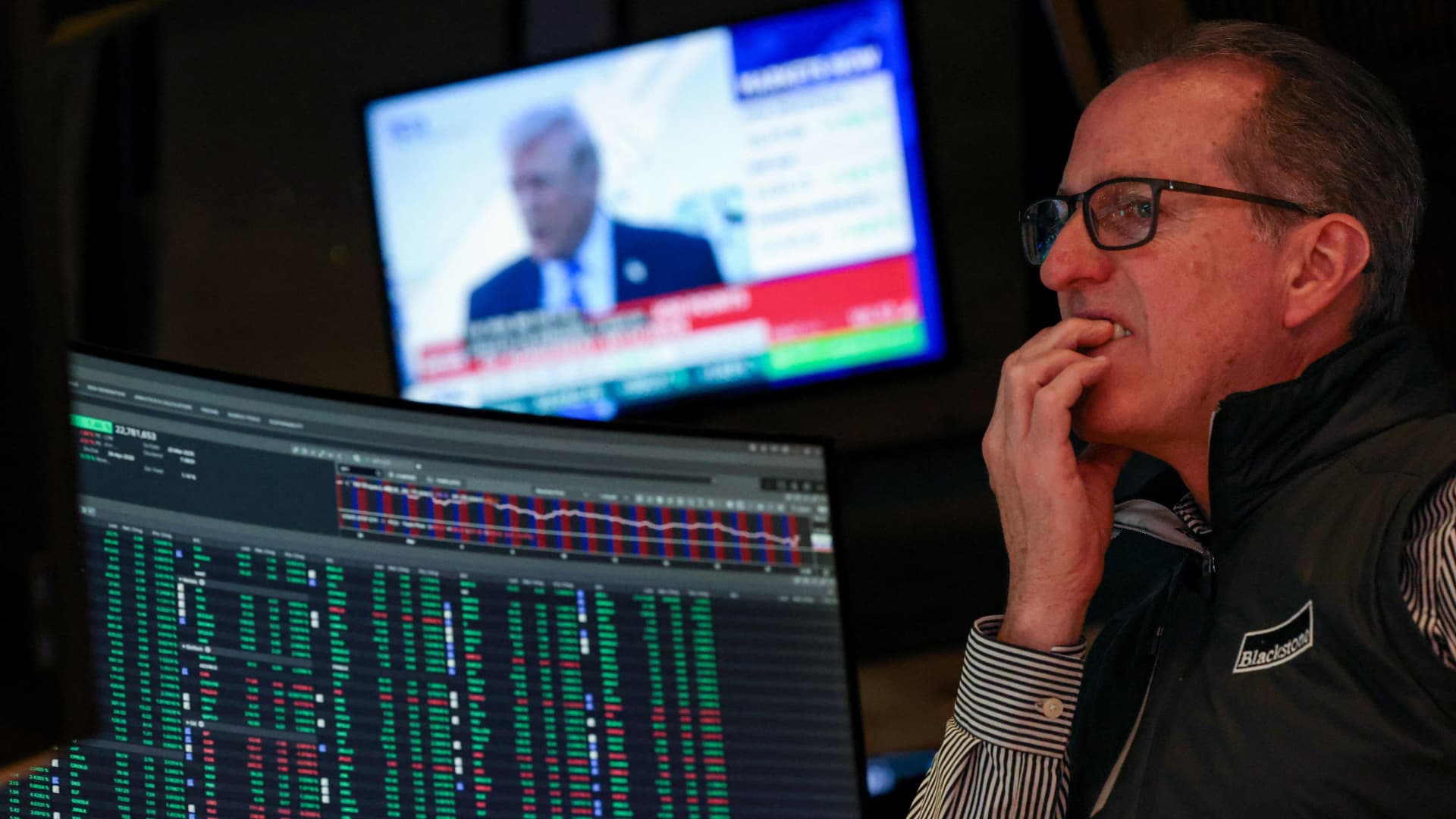
Stock Market Rallies on Optimism Over Iran War Resolution

- Market Rebound: The S&P 500 and Nasdaq Composite rose 3.4% and 4.4% respectively during the holiday-shortened trading week, breaking a five-week losing streak, reflecting optimism about a potential resolution to the Iran war.
- Oil Price Volatility: Despite an 11.4% surge in oil prices on Thursday, the stock market still rallied, indicating a new understanding of the inverse relationship between oil prices and stocks, which may signal increased investor confidence for the future.
- Strong Employment Data: The U.S. March jobs report revealed an addition of 178,000 jobs, significantly surpassing the Dow Jones estimate of 59,000, suggesting a healthy labor market that could alleviate concerns about stagflation driven by rising oil prices.
- IPO Surge: SpaceX confidentially filed for an IPO, potentially valued at $1.75 trillion, while OpenAI and other startups are also considering going public, which could bring new capital inflows and investment opportunities to the market.
See More
Bitcoin Prices Drop with Signs of Market Recovery
- Market Sentiment Shift: Bitcoin's price has dropped over 45% in the past six months, falling from its October high of approximately $66,700, reflecting the impact of risk-off sentiment and geopolitical tensions on the cryptocurrency market.
- Institutional Investor Re-entry: In March, $1.32 billion flowed into spot Bitcoin ETFs, indicating a resurgence of institutional investors in the market, which provides a positive signal for crypto recovery and suggests that Bitcoin may have reached its bottom.
- Decrease in Liquidations: The number of liquidations in Bitcoin trading began to decline in March, following a record $19 billion in liquidations in a single day last October, indicating reduced market pressure that could facilitate price recovery, although full recovery will take time.
- Optimistic Long-term Outlook: While Bitcoin's price may continue to fluctuate in the short term, the U.S. government's ownership of nearly 200,000 Bitcoins, valued at about $13.5 billion, lends legitimacy and stability to the cryptocurrency, making it an attractive entry point for investors considering long-term exposure.
See More
Goldman Sachs Predicts Bitcoin Bottom Is Near
- Bitcoin Price Decline: Bitcoin has dropped over 45% in the past six months, falling from approximately $66,700 in October to current levels, reflecting a decline in market risk appetite and increased geopolitical tensions.
- Institutional Investor Re-entry: In March, $1.32 billion flowed into spot Bitcoin ETFs, indicating a resurgence of institutional investors in the market, which provides a positive signal for crypto recovery and could drive prices higher.
- Decrease in Liquidations: The number of liquidations in Bitcoin trading decreased in March, suggesting a reduction in leveraged investments, which alleviates the pressure of forced sales on prices and creates a more favorable environment for potential price increases.
- Optimistic Long-term Outlook: While Bitcoin's price may continue to fluctuate in the short term, its nearly 60% market cap share and the U.S. government's strategic reserve of almost 200,000 Bitcoins indicate its long-term investment value, attracting more investor interest.
See More
Federal Reserve Rate Cut Forecast Delayed to September 2026
- Rate Cut Delay: According to Nomura's latest report, analysts have pushed back the forecast for the Federal Reserve's first rate cut from June 2026 to September 2026, primarily due to geopolitical volatility and shifting leadership dynamics at the Fed, indicating a cautious market outlook on future monetary policy.
- Geopolitical Impact: The ongoing conflict in Iran has introduced new inflationary pressures into the U.S. economy, with volatile energy prices and supply chain disruptions prompting the Fed to prioritize price stability in the near term, thereby influencing its monetary policy decisions.
- Leadership Changes: The delayed confirmation of Kevin Warsh's nomination has reduced political pressure on the Fed for a mid-year rate cut; although the incoming leadership is expected to eventually prioritize easing, the current political vacuum justifies the Fed's restrictive stance through the summer months.
- Labor Market Response: Despite the delay in rate cuts, Nomura maintains that the Fed's underlying bias remains toward easing, as Chair Jerome Powell has shown a higher sensitivity to signs of labor market weakness, suggesting that once the leadership transition is finalized and labor market conditions cool further, the path for a September rate reduction will become clearer.
See More
Iran Conflict Sparks Structural Inflation Concerns
- Surging Energy Costs: The military strikes by the U.S. and Israel on Iran have caused crude oil futures to rise 74% year-to-date to approximately $100, leading to a long-term crisis in the global energy market that impacts operational costs across various sectors.
- Refining Capacity Damage: According to the French government, 30% to 40% of Gulf oil refining capacity has been damaged during the conflict, resulting in a shortage of 11 million barrels per day, with repairs potentially taking years, further exacerbating market uncertainty.
- Rising Inflation Expectations: Analysts at Goldman Sachs predict that the war will increase U.S. inflation by 0.2 percentage points to 3.1% by the end of 2026, which could undermine consumer confidence and heighten the risk of an economic recession.
- AI Projects Struggling: As energy costs rise, many AI projects are facing profitability challenges, exemplified by OpenAI's decision to shut down its video generation platform Sora, indicating a cautious investment attitude among companies amid the uncertainty of the Trump economy.
See More
Trump's Election Sparks Economic Concerns Ahead
- Energy Crisis Impact: The U.S. and Israel's military strikes on Iran have led to a 74% surge in global oil prices to around $100, with 30%-40% of Gulf oil refining capacity damaged, creating a daily shortfall of 11 million barrels, and repairs could take years, potentially increasing investment risks and stifling economic growth.
- Inflation Rebound Risk: Rising energy costs are expected to push U.S. inflation up by 0.2 percentage points to 3.1% by the end of 2026, which, while seemingly minor, could exacerbate declining consumer confidence and trigger a recession, complicating the Federal Reserve's efforts to manage inflation.
- AI Economics Strained: Despite a $700 billion investment in generative AI over the past three years, rising energy costs are pressuring many AI projects, with OpenAI shutting down its video generation platform Sora due to high compute costs, indicating the financial strain on the AI sector and signaling increasing uncertainty in Trump's economy.
- Market Outlook Dim: As the energy crisis and inflation pressures mount, investors should expect interest rates to remain elevated, increasing corporate financing costs and leading to poor stock performance, suggesting that the
See More
Stock Market Rallies on Optimism Over Iran War Resolution
- Market Rebound: The S&P 500 and Nasdaq Composite rose 3.4% and 4.4% respectively during the holiday-shortened trading week, breaking a five-week losing streak, reflecting optimism about a potential resolution to the Iran war.
- Oil Price Volatility: Despite an 11.4% surge in oil prices on Thursday, the stock market still rallied, indicating a new understanding of the inverse relationship between oil prices and stocks, which may signal increased investor confidence for the future.
- Strong Employment Data: The U.S. March jobs report revealed an addition of 178,000 jobs, significantly surpassing the Dow Jones estimate of 59,000, suggesting a healthy labor market that could alleviate concerns about stagflation driven by rising oil prices.
- IPO Surge: SpaceX confidentially filed for an IPO, potentially valued at $1.75 trillion, while OpenAI and other startups are also considering going public, which could bring new capital inflows and investment opportunities to the market.
See More