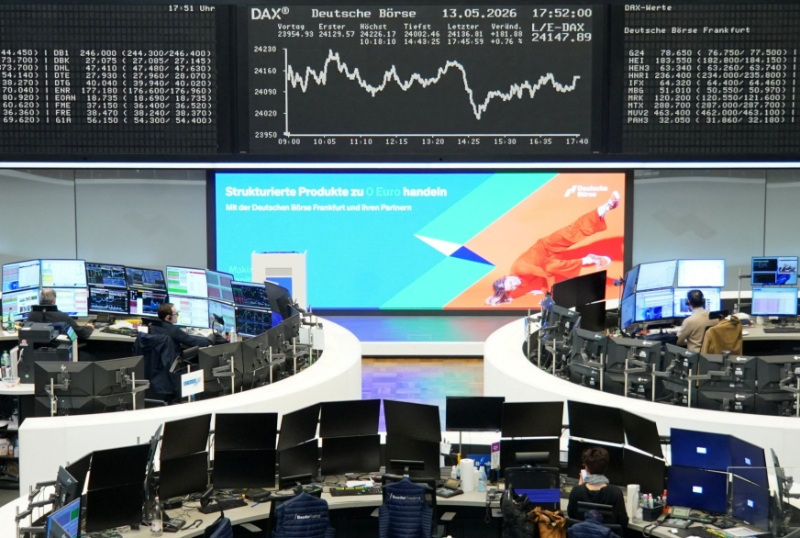
Goldman Sachs Reports Record M&A Earnings in Q1
Written by Emily J. Thompson, Senior Investment Analyst
Updated: 39 minutes ago
0mins

Source: Fool
- Surge in M&A Activity: The first quarter saw a 50% year-over-year increase in global M&A deal value, significantly boosting Goldman Sachs' revenue from investment banking and reinforcing its market leadership.
- Strong Financial Performance: Goldman Sachs reported Q1 revenue of $17.2 billion, a 14% year-over-year increase, with net income reaching $5.6 billion and earnings per share of $17.55, surpassing analysts' expectations and demonstrating robust profitability.
- Investment Banking Strength: The investment banking division experienced a 48% year-over-year revenue spike to $2.84 billion, with $1.49 billion from advisory services, reflecting strong momentum from M&A activity and enhancing the company's competitive edge in the industry.
- Optimistic Future Outlook: The CEO noted that despite geopolitical tensions, the backlog of M&A deals is at a four-year high, with expectations for continued robust activity in the coming years, supported by declining interest rates and a favorable regulatory environment.
Trade with 70% Backtested Accuracy
Stop guessing "Should I Buy GS?" and start using high-conviction signals backed by rigorous historical data.
Sign up today to access powerful investing tools and make smarter, data-driven decisions.
Analyst Views on GS
Wall Street analysts forecast GS stock price to rise
12 Analyst Rating
5 Buy
7 Hold
0 Sell
Moderate Buy
Current: 948.470

Low
604.00
Averages
951.45
High
1100
Current: 948.470
Low
604.00
Averages
951.45
High
1100
About GS
The Goldman Sachs Group, Inc. is a global financial institution that delivers a range of financial services to a large and diversified client base that includes corporations, financial institutions, governments and individuals. Its segments include Global Banking & Markets, Asset & Wealth Management and Platform Solutions. The Global Banking & Markets segment offers a range of services, including financing, advisory services, risk distribution, and hedging for its institutional and corporate clients. It facilitates client transactions and makes markets in fixed income, equity, currency and commodity products. The Asset & Wealth Management segment manages assets and offers investment products across all asset classes to a diverse set of clients. It also provides investing and wealth advisory solutions. The Platform Solutions segment includes consumer platforms, such as partnerships offering credit cards and point-of-sale financing, and transaction banking and other platform businesses.
About the author

Emily J. Thompson
Emily J. Thompson, a Chartered Financial Analyst (CFA) with 12 years in investment research, graduated with honors from the Wharton School. Specializing in industrial and technology stocks, she provides in-depth analysis for Intellectia’s earnings and market brief reports.

Current CD Rates Exceed National Average

- Rate Trends: The Federal Reserve's three interest rate cuts in 2025 and subsequent stability in 2026 have led to rising deposit account rates, making it an opportune time to lock in high CD rates, with the current highest rate at 4% APY.
- Competitive Edge: Marcus by Goldman Sachs offers a leading 4% APY on its 9-month CD, significantly surpassing the national average of 1.53% for a 1-year CD, highlighting the competitive advantage of online banks and credit unions.
- Market Opportunity: Today's CD rates represent the highest levels seen in nearly two decades, primarily due to the Federal Reserve's efforts to combat inflation by maintaining elevated rates, providing investors with a chance to secure high returns amid increasing economic uncertainty.
- Selection Strategy: When choosing a CD, investors are advised to compare rates from various financial institutions, consider the advantages of online banks, and pay attention to minimum deposit requirements and account terms to ensure they secure the best rates and flexibility.
See More

Goldman Sachs Reports Record M&A Earnings in Q1

- Surge in M&A Activity: The first quarter saw a 50% year-over-year increase in global M&A deal value, significantly boosting Goldman Sachs' revenue from investment banking and reinforcing its market leadership.
- Strong Financial Performance: Goldman Sachs reported Q1 revenue of $17.2 billion, a 14% year-over-year increase, with net income reaching $5.6 billion and earnings per share of $17.55, surpassing analysts' expectations and demonstrating robust profitability.
- Investment Banking Strength: The investment banking division experienced a 48% year-over-year revenue spike to $2.84 billion, with $1.49 billion from advisory services, reflecting strong momentum from M&A activity and enhancing the company's competitive edge in the industry.
- Optimistic Future Outlook: The CEO noted that despite geopolitical tensions, the backlog of M&A deals is at a four-year high, with expectations for continued robust activity in the coming years, supported by declining interest rates and a favorable regulatory environment.
See More

Shift in AI Infrastructure Market Towards Inference Workloads

- Rise of Inference Workloads: Deloitte estimates that inference workloads will account for two-thirds of AI data center computing power this year, a significant increase from 50% in 2025, driving demand for both compute and storage, which will influence investment strategies across the industry.
- Surge in Memory Demand: The explosive growth in inference requests is expected to benefit memory manufacturers like Micron and Sandisk, with Micron's stock rising 639% over the past year and Sandisk's soaring nearly 3,400%, reflecting strong market demand for memory products.
- Supply Shortage Warning: Industry participants warn that supply shortages may persist until next year, potentially leading to further price hikes in DRAM and NAND flash, with Gartner predicting the memory industry's revenue will reach $633.3 billion by 2026, significantly outpacing the growth of the non-memory semiconductor market.
- Attractive Investment Opportunity: Despite substantial stock price increases, Micron and Sandisk have forward P/E ratios of 7.6 and 24, respectively, indicating they are undervalued; given their earnings growth potential, investing in these stocks is considered a smart move.
See More
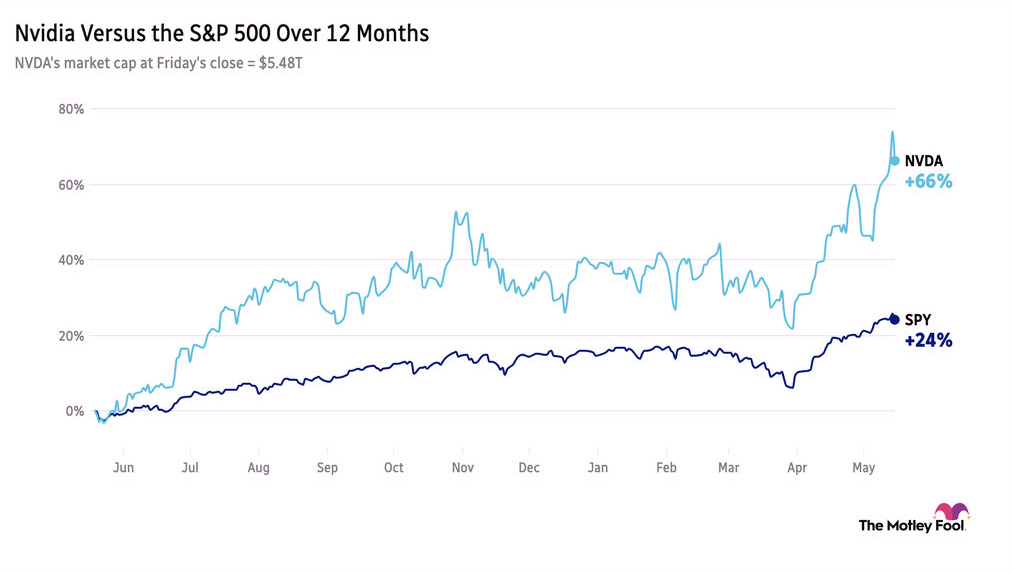
Nvidia Earnings in Focus as Market Reacts Mutedly


- Nvidia Earnings Expectations: Nvidia is expected to report an 80% year-over-year revenue growth for Q1, with its market cap briefly exceeding $5.7 trillion last week, underscoring its leadership in the AI sector, despite a 4.4% drop in stock price last Friday.
- Market Impact Analysis: Analysts note that Nvidia accounts for 9% of the S&P 500 index and contributed 20% to the index's total returns for 2026, highlighting its significant influence on overall market performance, particularly driven by AI stocks.
- Retail Earnings Outlook: TJX anticipates a 6% year-over-year revenue increase for Q1, while Walmart is expected to maintain strong performance following a 12% EPS growth, indicating continued consumer spending resilience.
- Berkshire Portfolio Adjustments: Berkshire Hathaway, under new CEO Abel, acquired a $2.6 billion stake in Delta Air Lines and reduced investments in banking and healthcare sectors, reflecting a strategy focused on concentrated investments.
See More
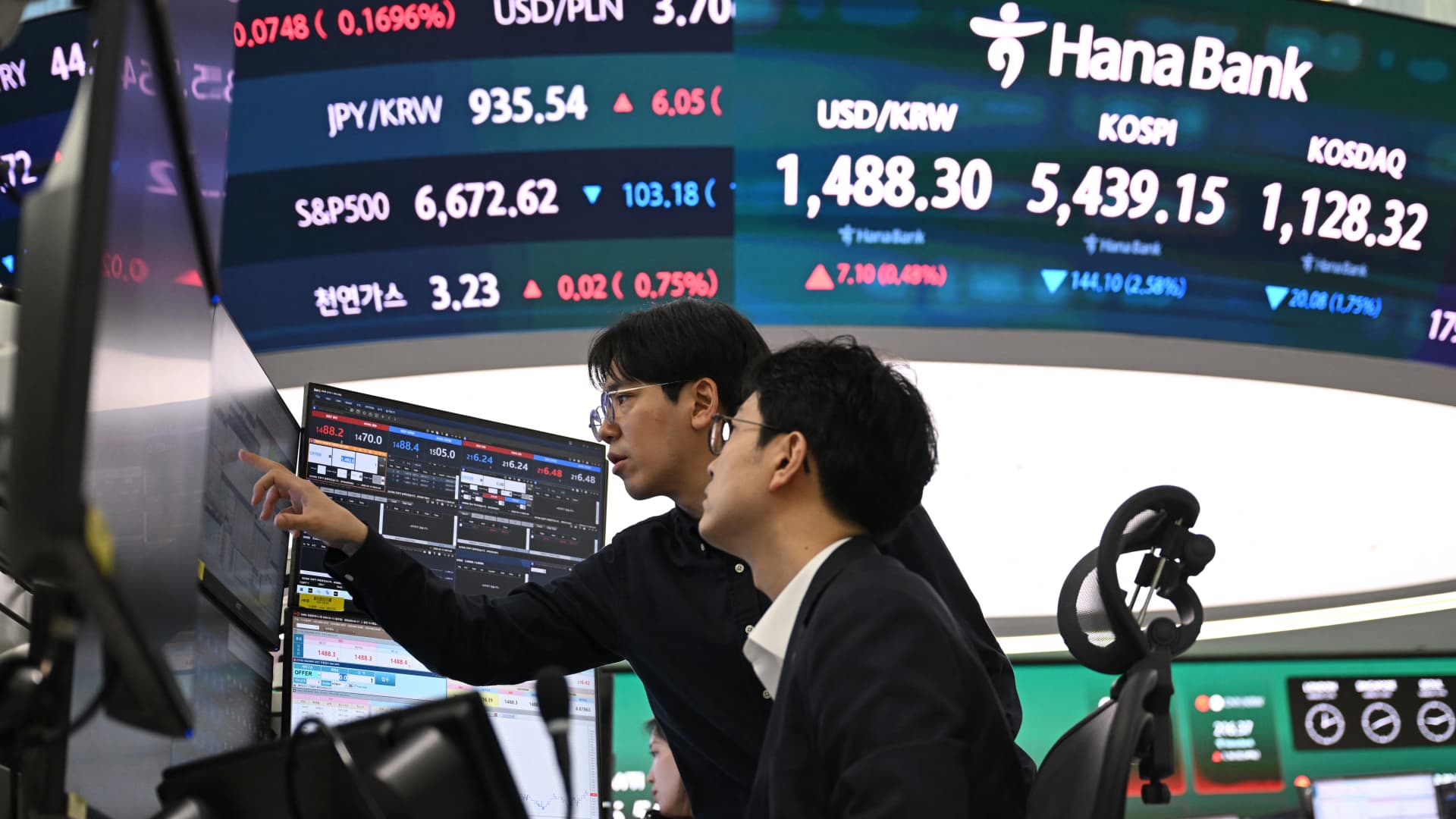
South Korea's Stock Market Volatility Surges After $13.2 Billion Foreign Sell-Off

- Foreign Sell-Off: Last week, foreign investors sold off $13.2 billion worth of South Korean stocks, causing the KOSPI index to drop 4% during Monday's trading and triggering a trading halt mechanism, indicating the market's high sensitivity to foreign outflows.
- Increased Market Volatility: The KOSPI Volatility Index surged 2.56% on Monday, nearing peaks seen in early March, reflecting the extreme fluctuations in market sentiment, especially following a 6% decline last week.
- Investor Sentiment Shift: Citigroup noted that the Korean market appears much more overbought than the U.S. market, prompting a recommendation to reduce exposure to its bullish Korea trade, highlighting growing concerns about rising market risks.
- Active Retail Investors: Despite the foreign outflows, South Korean retail investors purchased $14.1 billion in stocks last week, demonstrating potential market resilience, but also indicating an increase in associated risks.
See More

Analysis of Earnings from Locking in High CD Rates
- CD Rate Overview: Currently, the highest CD rate is 4% APY offered by Marcus by Goldman Sachs for a 9-month CD, attracting more savers to lock in their funds and enhancing the bank's deposit base.
- Interest Earnings Calculation: For a $1,000 investment in a one-year CD at 1.52% APY, the end-of-year balance would be $1,015.20, whereas choosing a 4% APY CD would grow the balance to $1,040.74, highlighting the significant impact of higher rates on earnings and encouraging savers to opt for higher-yield products.
- Impact of Deposit Amount: If the investment amount is increased to $10,000 with a 4% APY CD, the total balance at maturity would reach $10,407.42, resulting in $407.42 in interest, demonstrating how combining higher deposit amounts with competitive rates can significantly enhance returns.
- Diversity of CD Types: Beyond traditional CDs, various types are available in the market, such as bump-up CDs, no-penalty CDs, and jumbo CDs, which, while potentially offering lower rates, provide flexibility and potential earnings that cater to different investor needs.
See More
Current CD Rates Exceed National Average
- Rate Trends: The Federal Reserve's three interest rate cuts in 2025 and subsequent stability in 2026 have led to rising deposit account rates, making it an opportune time to lock in high CD rates, with the current highest rate at 4% APY.
- Competitive Edge: Marcus by Goldman Sachs offers a leading 4% APY on its 9-month CD, significantly surpassing the national average of 1.53% for a 1-year CD, highlighting the competitive advantage of online banks and credit unions.
- Market Opportunity: Today's CD rates represent the highest levels seen in nearly two decades, primarily due to the Federal Reserve's efforts to combat inflation by maintaining elevated rates, providing investors with a chance to secure high returns amid increasing economic uncertainty.
- Selection Strategy: When choosing a CD, investors are advised to compare rates from various financial institutions, consider the advantages of online banks, and pay attention to minimum deposit requirements and account terms to ensure they secure the best rates and flexibility.
See More
Goldman Sachs Reports Record M&A Earnings in Q1
- Surge in M&A Activity: The first quarter saw a 50% year-over-year increase in global M&A deal value, significantly boosting Goldman Sachs' revenue from investment banking and reinforcing its market leadership.
- Strong Financial Performance: Goldman Sachs reported Q1 revenue of $17.2 billion, a 14% year-over-year increase, with net income reaching $5.6 billion and earnings per share of $17.55, surpassing analysts' expectations and demonstrating robust profitability.
- Investment Banking Strength: The investment banking division experienced a 48% year-over-year revenue spike to $2.84 billion, with $1.49 billion from advisory services, reflecting strong momentum from M&A activity and enhancing the company's competitive edge in the industry.
- Optimistic Future Outlook: The CEO noted that despite geopolitical tensions, the backlog of M&A deals is at a four-year high, with expectations for continued robust activity in the coming years, supported by declining interest rates and a favorable regulatory environment.
See More
Shift in AI Infrastructure Market Towards Inference Workloads
- Rise of Inference Workloads: Deloitte estimates that inference workloads will account for two-thirds of AI data center computing power this year, a significant increase from 50% in 2025, driving demand for both compute and storage, which will influence investment strategies across the industry.
- Surge in Memory Demand: The explosive growth in inference requests is expected to benefit memory manufacturers like Micron and Sandisk, with Micron's stock rising 639% over the past year and Sandisk's soaring nearly 3,400%, reflecting strong market demand for memory products.
- Supply Shortage Warning: Industry participants warn that supply shortages may persist until next year, potentially leading to further price hikes in DRAM and NAND flash, with Gartner predicting the memory industry's revenue will reach $633.3 billion by 2026, significantly outpacing the growth of the non-memory semiconductor market.
- Attractive Investment Opportunity: Despite substantial stock price increases, Micron and Sandisk have forward P/E ratios of 7.6 and 24, respectively, indicating they are undervalued; given their earnings growth potential, investing in these stocks is considered a smart move.
See More
Nvidia Earnings in Focus as Market Reacts Mutedly
- Nvidia Earnings Expectations: Nvidia is expected to report an 80% year-over-year revenue growth for Q1, with its market cap briefly exceeding $5.7 trillion last week, underscoring its leadership in the AI sector, despite a 4.4% drop in stock price last Friday.
- Market Impact Analysis: Analysts note that Nvidia accounts for 9% of the S&P 500 index and contributed 20% to the index's total returns for 2026, highlighting its significant influence on overall market performance, particularly driven by AI stocks.
- Retail Earnings Outlook: TJX anticipates a 6% year-over-year revenue increase for Q1, while Walmart is expected to maintain strong performance following a 12% EPS growth, indicating continued consumer spending resilience.
- Berkshire Portfolio Adjustments: Berkshire Hathaway, under new CEO Abel, acquired a $2.6 billion stake in Delta Air Lines and reduced investments in banking and healthcare sectors, reflecting a strategy focused on concentrated investments.
See More
South Korea's Stock Market Volatility Surges After $13.2 Billion Foreign Sell-Off
- Foreign Sell-Off: Last week, foreign investors sold off $13.2 billion worth of South Korean stocks, causing the KOSPI index to drop 4% during Monday's trading and triggering a trading halt mechanism, indicating the market's high sensitivity to foreign outflows.
- Increased Market Volatility: The KOSPI Volatility Index surged 2.56% on Monday, nearing peaks seen in early March, reflecting the extreme fluctuations in market sentiment, especially following a 6% decline last week.
- Investor Sentiment Shift: Citigroup noted that the Korean market appears much more overbought than the U.S. market, prompting a recommendation to reduce exposure to its bullish Korea trade, highlighting growing concerns about rising market risks.
- Active Retail Investors: Despite the foreign outflows, South Korean retail investors purchased $14.1 billion in stocks last week, demonstrating potential market resilience, but also indicating an increase in associated risks.
See More
Analysis of Earnings from Locking in High CD Rates
- CD Rate Overview: Currently, the highest CD rate is 4% APY offered by Marcus by Goldman Sachs for a 9-month CD, attracting more savers to lock in their funds and enhancing the bank's deposit base.
- Interest Earnings Calculation: For a $1,000 investment in a one-year CD at 1.52% APY, the end-of-year balance would be $1,015.20, whereas choosing a 4% APY CD would grow the balance to $1,040.74, highlighting the significant impact of higher rates on earnings and encouraging savers to opt for higher-yield products.
- Impact of Deposit Amount: If the investment amount is increased to $10,000 with a 4% APY CD, the total balance at maturity would reach $10,407.42, resulting in $407.42 in interest, demonstrating how combining higher deposit amounts with competitive rates can significantly enhance returns.
- Diversity of CD Types: Beyond traditional CDs, various types are available in the market, such as bump-up CDs, no-penalty CDs, and jumbo CDs, which, while potentially offering lower rates, provide flexibility and potential earnings that cater to different investor needs.
See More