GOLDMAN SACHS CUTS Q2 BRENT/WTI FORECAST TO $90/87 DUE TO DECREASE IN RISK PREMIUM AND INCREASING OIL FLOWS THROUGH THE SOH
Goldman Sachs Q2 Forecast: Goldman Sachs has lowered its Q2 forecast for Brent and WTI crude oil prices to $90 and $87, respectively.
Market Conditions: This adjustment is attributed to a reduction in the risk premium at the front of the curve, indicating changing market dynamics.
Oil Flow Trends: There is an ongoing trend of oil flows through the Southern Hemisphere, which may impact global supply and pricing.
Implications for Investors: The revised forecasts and market conditions could influence investment strategies and decisions in the energy sector.
Trade with 70% Backtested Accuracy
Analyst Views on WTI
About WTI
About the author

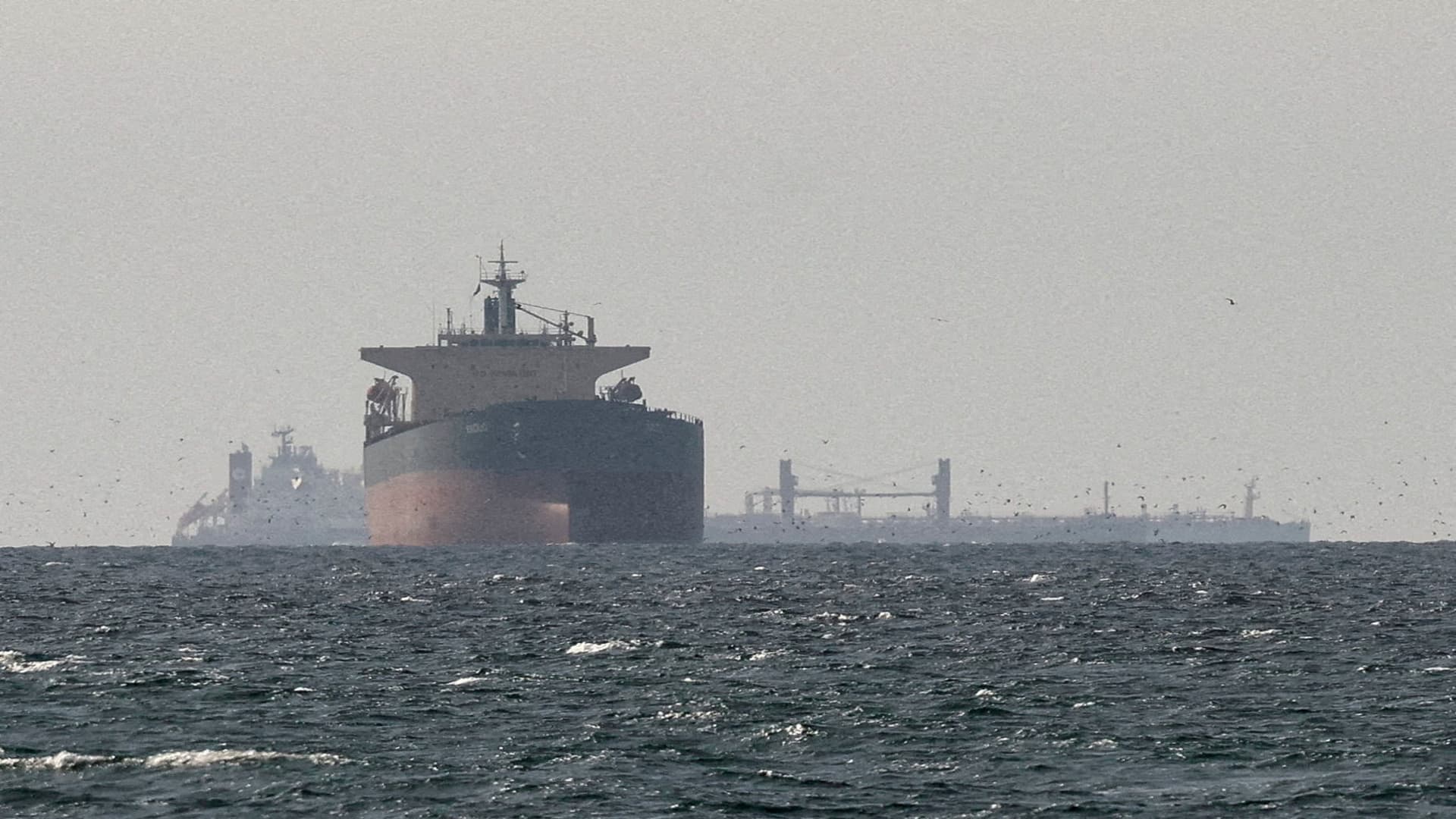
Tensions in Strait of Hormuz Surge, Oil Prices Spike

- Oil Price Surge: Crude oil prices spiked as WTI futures rose approximately 7% to $89.74 per barrel and Brent futures increased nearly 5.8% to $95.59, reflecting market sensitivity to geopolitical risks amid escalating U.S.-Iran tensions.
- Military Conflict Escalation: The U.S. Navy fired on an Iranian container ship and took custody of it, indicating a heightened military presence in the Strait of Hormuz that could lead to larger conflicts, thereby impacting global energy supplies.
- Uncertain Negotiation Prospects: While Trump announced talks with Iran in Islamabad on Monday, Iran declined to attend due to the ongoing U.S. naval blockade, highlighting significant divisions in peace negotiations that could worsen the situation.
- Ceasefire Agreement Expiration: The ceasefire between the U.S. and Iran is set to expire this week, with Trump threatening to destroy Iranian infrastructure if a deal is not accepted, increasing market concerns over potential future conflicts and further oil price hikes.

Latest Ratings and Outlook from Wall Street

- Apple Maintained as Buy: Bank of America reiterated its buy rating on Apple (AAPL), labeling it as the “highest quality name,” and despite underperformance year-to-date, it is still viewed as a high-quality compounder supported by resilient services growth and a healthy product cycle.
- Semiconductor Sector Pressure: Mizuho downgraded NXP Semiconductors (NXPI) to sell, citing its significant exposure to the auto sector as a headwind, with the 2026 auto outlook softened by geopolitical and macroeconomic challenges.
- Netflix's Solid Performance: Bank of America reaffirmed its buy rating on Netflix following a solid first quarter that modestly beat forecasts, with management reiterating three core priorities that align with their ongoing strategic focus and competitive positioning in the market.
- Petrobras Rating Upgrade: Bank of America upgraded Petrobras (PBR) from neutral to buy, highlighting its robust cash flow generation and low double-digit dividend yield, which reduces the risk of a potential revision to its dividend policy in a high oil price environment.

Market Volatility and Semiconductor Rally
- Market Volatility Warning: Punxsutawney Phil's prediction suggests at least six more weeks of market volatility; despite the Nasdaq-100's rebound after an eight-week sell-off, challenges remain, particularly regarding confidence in growth stocks due to narrow leadership.
- Semiconductor Sector Drive: The strong rebound in semiconductor stocks is seen as a confirmation of the AI revolution, although the decline in software stocks raises doubts about market trends, this rebound could still attract more capital inflows, pushing the market upward.
- Interest Rates and Dollar Correlation: A strong correlation exists between the U.S. 10-year yield and the Dollar Index, and with the Fed's potential rate cut, lower yields may encourage investors to rotate into growth and emerging market stocks, further driving market growth.
- Emerging Markets Outlook: If the S&P 500 to iShares MSCI Emerging Markets ETF ratio breaks above $112, it may indicate that emerging markets will outperform the U.S. for an extended period, particularly highlighting investment opportunities in Latin America and Asia.

Oil Prices Rise; Brent and WTI Increase by $1 a Barrel Amid Continued Disruption of Ship Traffic Through Hormuz

Oil Prices: Brent crude oil prices have increased by $1 per barrel.
Shipping Traffic: Shipping traffic through the Hormuz Strait remains significantly disrupted.
GOLDMAN SACHS CUTS Q2 BRENT/WTI FORECAST TO $90/87 DUE TO DECREASE IN RISK PREMIUM AND INCREASING OIL FLOWS THROUGH THE SOH

Goldman Sachs Q2 Forecast: Goldman Sachs has lowered its Q2 forecast for Brent and WTI crude oil prices to $90 and $87, respectively.
Market Conditions: This adjustment is attributed to a reduction in the risk premium at the front of the curve, indicating changing market dynamics.
Oil Flow Trends: There is an ongoing trend of oil flows through the Southern Hemisphere, which may impact global supply and pricing.
Implications for Investors: The revised forecasts and market conditions could influence investment strategies and decisions in the energy sector.
EIA PREDICTS GRADUAL DECREASE IN BRENT-WTI SPREAD AS OIL FLOWS THROUGH STRAIT OF HORMUZ RESTART, OIL PRICES DROP
Oil Price Trends: Brent crude oil prices are expected to gradually decline as market conditions change.
Impact on Hormuz Strait: The anticipated decrease in oil prices is linked to the flow of oil through the strategic Strait of Hormuz.
Tensions in Strait of Hormuz Surge, Oil Prices Spike
- Oil Price Surge: Crude oil prices spiked as WTI futures rose approximately 7% to $89.74 per barrel and Brent futures increased nearly 5.8% to $95.59, reflecting market sensitivity to geopolitical risks amid escalating U.S.-Iran tensions.
- Military Conflict Escalation: The U.S. Navy fired on an Iranian container ship and took custody of it, indicating a heightened military presence in the Strait of Hormuz that could lead to larger conflicts, thereby impacting global energy supplies.
- Uncertain Negotiation Prospects: While Trump announced talks with Iran in Islamabad on Monday, Iran declined to attend due to the ongoing U.S. naval blockade, highlighting significant divisions in peace negotiations that could worsen the situation.
- Ceasefire Agreement Expiration: The ceasefire between the U.S. and Iran is set to expire this week, with Trump threatening to destroy Iranian infrastructure if a deal is not accepted, increasing market concerns over potential future conflicts and further oil price hikes.
Latest Ratings and Outlook from Wall Street
- Apple Maintained as Buy: Bank of America reiterated its buy rating on Apple (AAPL), labeling it as the “highest quality name,” and despite underperformance year-to-date, it is still viewed as a high-quality compounder supported by resilient services growth and a healthy product cycle.
- Semiconductor Sector Pressure: Mizuho downgraded NXP Semiconductors (NXPI) to sell, citing its significant exposure to the auto sector as a headwind, with the 2026 auto outlook softened by geopolitical and macroeconomic challenges.
- Netflix's Solid Performance: Bank of America reaffirmed its buy rating on Netflix following a solid first quarter that modestly beat forecasts, with management reiterating three core priorities that align with their ongoing strategic focus and competitive positioning in the market.
- Petrobras Rating Upgrade: Bank of America upgraded Petrobras (PBR) from neutral to buy, highlighting its robust cash flow generation and low double-digit dividend yield, which reduces the risk of a potential revision to its dividend policy in a high oil price environment.
Market Volatility and Semiconductor Rally
- Market Volatility Warning: Punxsutawney Phil's prediction suggests at least six more weeks of market volatility; despite the Nasdaq-100's rebound after an eight-week sell-off, challenges remain, particularly regarding confidence in growth stocks due to narrow leadership.
- Semiconductor Sector Drive: The strong rebound in semiconductor stocks is seen as a confirmation of the AI revolution, although the decline in software stocks raises doubts about market trends, this rebound could still attract more capital inflows, pushing the market upward.
- Interest Rates and Dollar Correlation: A strong correlation exists between the U.S. 10-year yield and the Dollar Index, and with the Fed's potential rate cut, lower yields may encourage investors to rotate into growth and emerging market stocks, further driving market growth.
- Emerging Markets Outlook: If the S&P 500 to iShares MSCI Emerging Markets ETF ratio breaks above $112, it may indicate that emerging markets will outperform the U.S. for an extended period, particularly highlighting investment opportunities in Latin America and Asia.
Oil Prices Rise; Brent and WTI Increase by $1 a Barrel Amid Continued Disruption of Ship Traffic Through Hormuz
Oil Prices: Brent crude oil prices have increased by $1 per barrel.
Shipping Traffic: Shipping traffic through the Hormuz Strait remains significantly disrupted.
GOLDMAN SACHS CUTS Q2 BRENT/WTI FORECAST TO $90/87 DUE TO DECREASE IN RISK PREMIUM AND INCREASING OIL FLOWS THROUGH THE SOH
Goldman Sachs Q2 Forecast: Goldman Sachs has lowered its Q2 forecast for Brent and WTI crude oil prices to $90 and $87, respectively.
Market Conditions: This adjustment is attributed to a reduction in the risk premium at the front of the curve, indicating changing market dynamics.
Oil Flow Trends: There is an ongoing trend of oil flows through the Southern Hemisphere, which may impact global supply and pricing.
Implications for Investors: The revised forecasts and market conditions could influence investment strategies and decisions in the energy sector.
EIA PREDICTS GRADUAL DECREASE IN BRENT-WTI SPREAD AS OIL FLOWS THROUGH STRAIT OF HORMUZ RESTART, OIL PRICES DROP
Oil Price Trends: Brent crude oil prices are expected to gradually decline as market conditions change.
Impact on Hormuz Strait: The anticipated decrease in oil prices is linked to the flow of oil through the strategic Strait of Hormuz.