Goldman Sachs and JPMorgan Chase Diverge on Quantum Computing Strategies
Written by Emily J. Thompson, Senior Investment Analyst
Updated: Apr 26 2026
0mins

Source: seekingalpha
- Goldman Sachs Strategy Retreat: Goldman Sachs has significantly scaled back its quantum computing investments after internal research indicated that current hardware is far from delivering practical investment applications, reflecting a cautious stance that may impact its competitive position in future fintech developments.
- JPMorgan's Continued Investment: In contrast, JPMorgan Chase continues to invest heavily in quantum computing, maintaining a team of over 50 physicists and computer scientists focused on potential applications such as portfolio construction and cybersecurity, demonstrating an optimistic outlook on the technology's future.
- Quantum Computing Potential: While quantum computing is seen as a major breakthrough, many experts believe that its commercial applications may still be years away, and banks face challenges in proving short-term returns due to their exploration of various uses, including asset pricing and fraud detection.
- Industry Outlook Assessment: McKinsey estimates that quantum computing revenue could rise to $72 billion by 2035, although the industry acknowledges that early expectations were overly optimistic, emphasizing that the current push for quantum technology is more about future preparation than immediate profitability.
Trade with 70% Backtested Accuracy
Stop guessing "Should I Buy GS?" and start using high-conviction signals backed by rigorous historical data.
Sign up today to access powerful investing tools and make smarter, data-driven decisions.
Analyst Views on GS
Wall Street analysts forecast GS stock price to rise
12 Analyst Rating
5 Buy
7 Hold
0 Sell
Moderate Buy
Current: 925.870

Low
604.00
Averages
951.45
High
1100
Current: 925.870
Low
604.00
Averages
951.45
High
1100
About GS
The Goldman Sachs Group, Inc. is a global financial institution that delivers a range of financial services to a large and diversified client base that includes corporations, financial institutions, governments and individuals. Its segments include Global Banking & Markets, Asset & Wealth Management and Platform Solutions. The Global Banking & Markets segment offers a range of services, including financing, advisory services, risk distribution, and hedging for its institutional and corporate clients. It facilitates client transactions and makes markets in fixed income, equity, currency and commodity products. The Asset & Wealth Management segment manages assets and offers investment products across all asset classes to a diverse set of clients. It also provides investing and wealth advisory solutions. The Platform Solutions segment includes consumer platforms, such as partnerships offering credit cards and point-of-sale financing, and transaction banking and other platform businesses.
About the author

Emily J. Thompson
Emily J. Thompson, a Chartered Financial Analyst (CFA) with 12 years in investment research, graduated with honors from the Wharton School. Specializing in industrial and technology stocks, she provides in-depth analysis for Intellectia’s earnings and market brief reports.

Opportunity to Lock in High CD Rates

- Rate Change Impact: After three rate cuts by the Federal Reserve in 2025, the Fed has kept rates steady in 2026, indicating that now may be the last chance to lock in competitive CD rates, particularly for shorter-term CDs which generally offer higher rates.
- Top CD Rates: Currently, the highest CD rate is 4% APY offered by Marcus by Goldman Sachs on its 9-month CD, highlighting the competitive edge of online banks and credit unions in attracting investors in the CD market.
- Investment Earnings Example: Investing $1,000 in a one-year CD at 1.52% APY results in a year-end balance of $1,015.20, while a 4% APY CD would grow to $1,040.74, illustrating the significant impact of higher rates on earnings.
- Diversity of CD Types: Beyond traditional CDs, various types such as bump-up CDs and no-penalty CDs offer different flexibility and earning potential, catering to the diverse needs of investors in today's market.
See More

Iran War Causes Massive Global Oil Supply Shortage

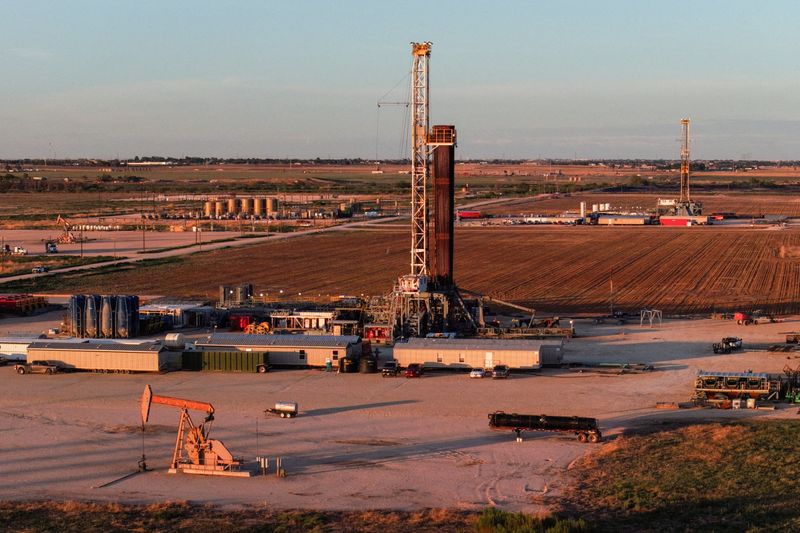
- Severe Supply Disruption: The closure of the Strait of Hormuz has led to a 57% drop in Persian Gulf oil production from pre-war levels, resulting in a nearly 1 billion barrel supply shortage that Shell's CEO warns is worsening daily, threatening global oil supply stability.
- Accelerated Inventory Drawdown: With global oil consumption at approximately 100 million barrels per day, the industry is currently depleting stockpiles at a record pace of 11 to 12 million barrels daily, highlighting the urgent demand for oil that may persist for several months.
- Long Road to Recovery: Even if the Strait of Hormuz reopens immediately, oil production in the Persian Gulf won't recover quickly, with S&P Global estimating that most wells may take up to seven months to restart, exacerbating the supply crunch.
- Investment Strategy Shift: Given the likelihood of sustained high oil prices, investors should consider reducing exposure to energy-intensive sectors while increasing allocations to oil stocks to prepare for potential fuel shortages and price hikes.
See More

Global Oil Supply Gap Reaches 1 Billion Barrels
- Escalating Supply Shortage: The ongoing war with Iran has led to a global oil supply shortfall of nearly 1 billion barrels, a situation expected to worsen, which will keep oil prices elevated for the remainder of the year and pose fuel shortage risks for import-reliant Asian and European markets.
- Significant Production Decline: Oil production in the Persian Gulf has plummeted by 57% from pre-war levels, with the closure of the Strait of Hormuz preventing the global economy from meeting its daily demand of 100 million barrels, forcing the industry to deplete stockpiles at a record pace of 11 to 12 million barrels per day.
- Long Road to Recovery: Even if the Strait of Hormuz reopens immediately, Persian Gulf oil production will not return to normal overnight, with S&P Global estimating that it could take up to seven months to restart most wells, further exacerbating the supply crunch.
- Investor Strategy: Given the persistent high oil prices, investors should reduce exposure to energy-intensive sectors and increase allocations to oil stocks to prepare for potential supply shocks and price fluctuations in the future.
See More

Financial Stocks Decline Slightly on Friday

- Financial Index Decline: The NYSE Financial Index fell by 0.2% on Friday afternoon, indicating cautious sentiment among investors which could lead to capital outflows and reduced market confidence.
- Market Sentiment Weakness: The overall weak performance of financial stocks may be linked to disappointing macroeconomic data and unclear interest rate outlooks, exacerbating market uncertainty and prompting investors to closely monitor upcoming economic indicators.
- Investor Reactions: The decline in financial stocks may lead investors to reassess their portfolios, shifting towards more defensive assets, which could impact market liquidity and overall stability.
- Industry Outlook Concerns: Challenges facing the financial sector may affect future profitability, particularly against a backdrop of rising interest rates and slowing economic growth, necessitating caution among investors regarding related stock investments.
See More
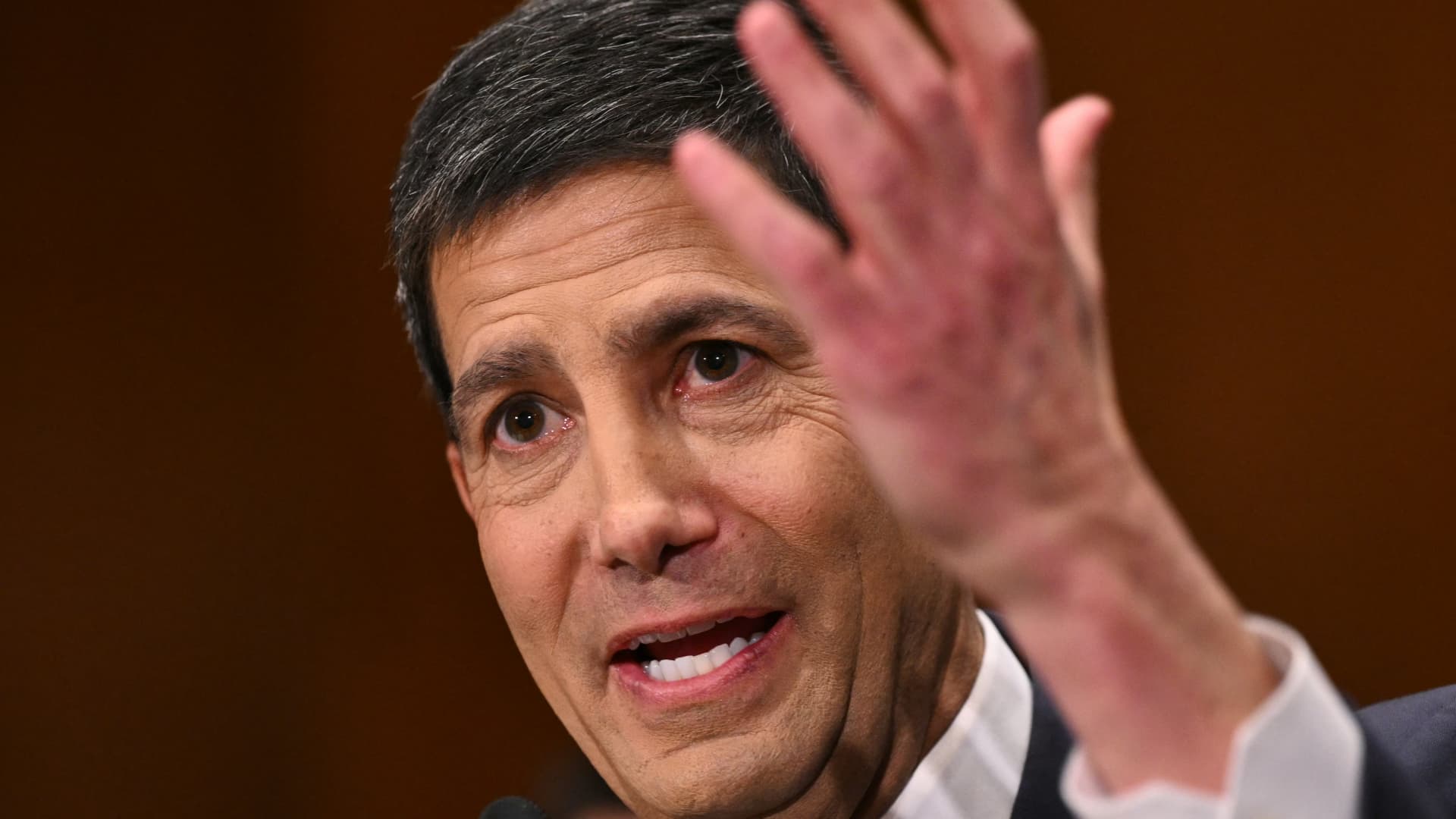
Analysis of Fed Chair Nominee Hearing
- Job Market Stability: The nonfarm payrolls increased by 115,000 in April, indicating a stabilization in the job market that alleviates pressure for interest rate cuts, suggesting the Fed may maintain current rates for an extended period.
- Rising Inflation Risks: The consumer price index for March showed an inflation rate of 3.3%, significantly above the Fed's 2% target, indicating inflation pressures are emerging beyond gasoline and tariffs, potentially forcing the Fed into a more hawkish stance.
- Market Expectation Shift: Traders have essentially removed the probability of a rate cut through April 2031, implying a stronger likelihood of rate hikes in the coming years, which simplifies the Fed's decision-making process, especially as current economic data supports holding rates steady.
- Challenges for New Chair: Incoming Chair Kevin Warsh faces significant challenges as he prefers lower rates, but advocating for cuts with inflation above 3% will be difficult, particularly given the current committee's leanings, complicating his policy implementation.
See More
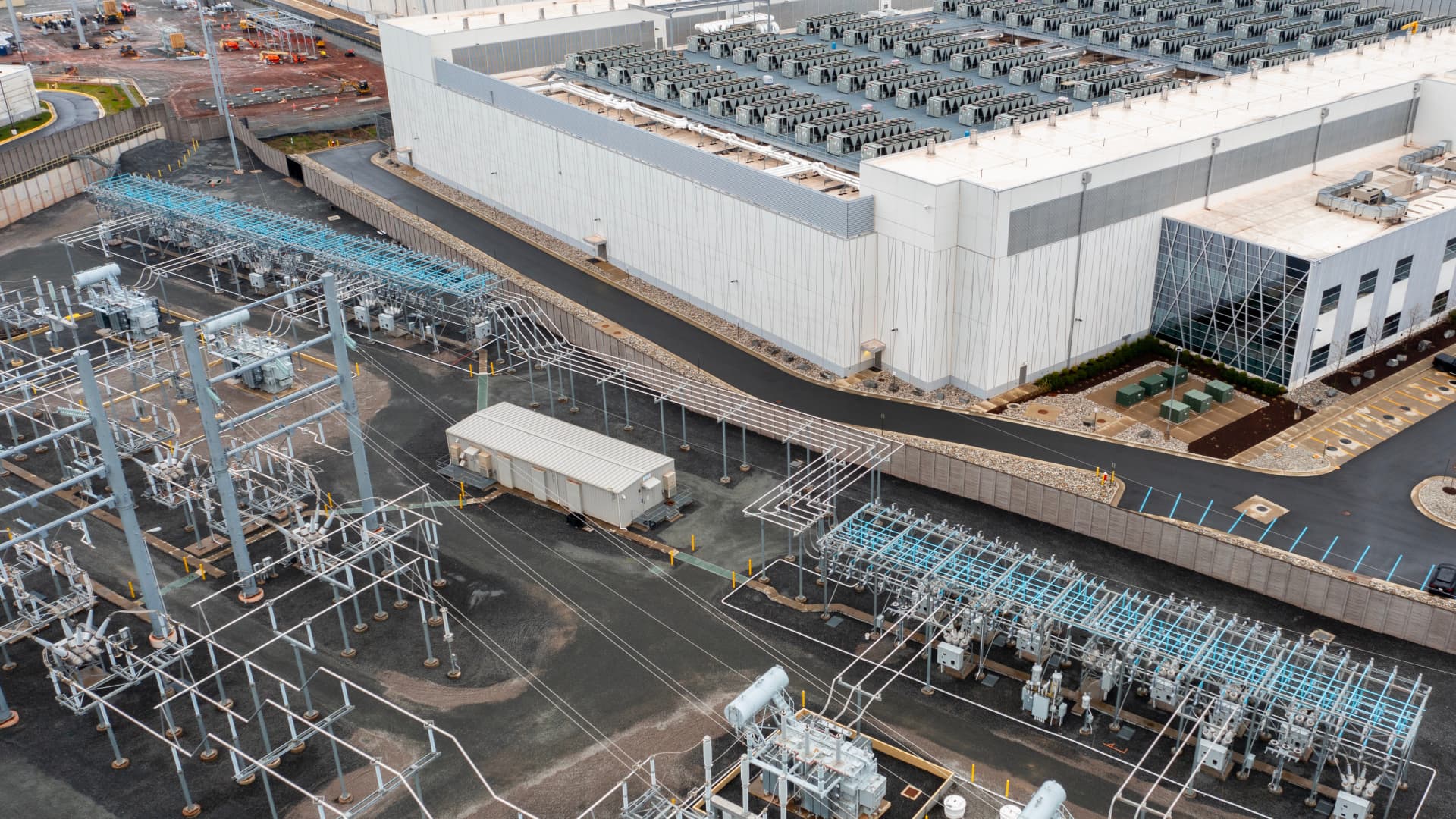
Goldman Sachs Private Credit Fund Reports Q1 NAV Decline

- NAV Decline: Goldman Sachs BDC reported a net asset value per share of $12.17 at the end of March, reflecting a 3.7% decline from the previous quarter due to increased unrealized losses and markdowns, which may impact investor confidence.
- Rising Non-Accrual Rate: The fund's non-accrual rate increased to 4.7%, up from 2.8% in the prior quarter, primarily driven by legacy loans underwritten before March 2022, indicating financial distress among certain borrowers.
- New Investment Commitments: Goldman Sachs BDC made new commitments of approximately $46.5 million across 17 companies in Q1, including six new borrowers, demonstrating an active search for investment opportunities despite current challenges.
- Shareholder Return Initiatives: The fund declared a dividend of 32 cents per share and announced a new $75 million stock buyback program, aimed at enhancing shareholder value and boosting market confidence.
See More
Opportunity to Lock in High CD Rates
- Rate Change Impact: After three rate cuts by the Federal Reserve in 2025, the Fed has kept rates steady in 2026, indicating that now may be the last chance to lock in competitive CD rates, particularly for shorter-term CDs which generally offer higher rates.
- Top CD Rates: Currently, the highest CD rate is 4% APY offered by Marcus by Goldman Sachs on its 9-month CD, highlighting the competitive edge of online banks and credit unions in attracting investors in the CD market.
- Investment Earnings Example: Investing $1,000 in a one-year CD at 1.52% APY results in a year-end balance of $1,015.20, while a 4% APY CD would grow to $1,040.74, illustrating the significant impact of higher rates on earnings.
- Diversity of CD Types: Beyond traditional CDs, various types such as bump-up CDs and no-penalty CDs offer different flexibility and earning potential, catering to the diverse needs of investors in today's market.
See More
Iran War Causes Massive Global Oil Supply Shortage
- Severe Supply Disruption: The closure of the Strait of Hormuz has led to a 57% drop in Persian Gulf oil production from pre-war levels, resulting in a nearly 1 billion barrel supply shortage that Shell's CEO warns is worsening daily, threatening global oil supply stability.
- Accelerated Inventory Drawdown: With global oil consumption at approximately 100 million barrels per day, the industry is currently depleting stockpiles at a record pace of 11 to 12 million barrels daily, highlighting the urgent demand for oil that may persist for several months.
- Long Road to Recovery: Even if the Strait of Hormuz reopens immediately, oil production in the Persian Gulf won't recover quickly, with S&P Global estimating that most wells may take up to seven months to restart, exacerbating the supply crunch.
- Investment Strategy Shift: Given the likelihood of sustained high oil prices, investors should consider reducing exposure to energy-intensive sectors while increasing allocations to oil stocks to prepare for potential fuel shortages and price hikes.
See More
Global Oil Supply Gap Reaches 1 Billion Barrels
- Escalating Supply Shortage: The ongoing war with Iran has led to a global oil supply shortfall of nearly 1 billion barrels, a situation expected to worsen, which will keep oil prices elevated for the remainder of the year and pose fuel shortage risks for import-reliant Asian and European markets.
- Significant Production Decline: Oil production in the Persian Gulf has plummeted by 57% from pre-war levels, with the closure of the Strait of Hormuz preventing the global economy from meeting its daily demand of 100 million barrels, forcing the industry to deplete stockpiles at a record pace of 11 to 12 million barrels per day.
- Long Road to Recovery: Even if the Strait of Hormuz reopens immediately, Persian Gulf oil production will not return to normal overnight, with S&P Global estimating that it could take up to seven months to restart most wells, further exacerbating the supply crunch.
- Investor Strategy: Given the persistent high oil prices, investors should reduce exposure to energy-intensive sectors and increase allocations to oil stocks to prepare for potential supply shocks and price fluctuations in the future.
See More
Financial Stocks Decline Slightly on Friday
- Financial Index Decline: The NYSE Financial Index fell by 0.2% on Friday afternoon, indicating cautious sentiment among investors which could lead to capital outflows and reduced market confidence.
- Market Sentiment Weakness: The overall weak performance of financial stocks may be linked to disappointing macroeconomic data and unclear interest rate outlooks, exacerbating market uncertainty and prompting investors to closely monitor upcoming economic indicators.
- Investor Reactions: The decline in financial stocks may lead investors to reassess their portfolios, shifting towards more defensive assets, which could impact market liquidity and overall stability.
- Industry Outlook Concerns: Challenges facing the financial sector may affect future profitability, particularly against a backdrop of rising interest rates and slowing economic growth, necessitating caution among investors regarding related stock investments.
See More
Analysis of Fed Chair Nominee Hearing
- Job Market Stability: The nonfarm payrolls increased by 115,000 in April, indicating a stabilization in the job market that alleviates pressure for interest rate cuts, suggesting the Fed may maintain current rates for an extended period.
- Rising Inflation Risks: The consumer price index for March showed an inflation rate of 3.3%, significantly above the Fed's 2% target, indicating inflation pressures are emerging beyond gasoline and tariffs, potentially forcing the Fed into a more hawkish stance.
- Market Expectation Shift: Traders have essentially removed the probability of a rate cut through April 2031, implying a stronger likelihood of rate hikes in the coming years, which simplifies the Fed's decision-making process, especially as current economic data supports holding rates steady.
- Challenges for New Chair: Incoming Chair Kevin Warsh faces significant challenges as he prefers lower rates, but advocating for cuts with inflation above 3% will be difficult, particularly given the current committee's leanings, complicating his policy implementation.
See More
Goldman Sachs Private Credit Fund Reports Q1 NAV Decline
- NAV Decline: Goldman Sachs BDC reported a net asset value per share of $12.17 at the end of March, reflecting a 3.7% decline from the previous quarter due to increased unrealized losses and markdowns, which may impact investor confidence.
- Rising Non-Accrual Rate: The fund's non-accrual rate increased to 4.7%, up from 2.8% in the prior quarter, primarily driven by legacy loans underwritten before March 2022, indicating financial distress among certain borrowers.
- New Investment Commitments: Goldman Sachs BDC made new commitments of approximately $46.5 million across 17 companies in Q1, including six new borrowers, demonstrating an active search for investment opportunities despite current challenges.
- Shareholder Return Initiatives: The fund declared a dividend of 32 cents per share and announced a new $75 million stock buyback program, aimed at enhancing shareholder value and boosting market confidence.
See More