Global Oil Supply Gap Reaches 1 Billion Barrels
Written by Emily J. Thompson, Senior Investment Analyst
Updated: 8 hours ago
0mins

Should l Buy SHEL?
Source: NASDAQ.COM
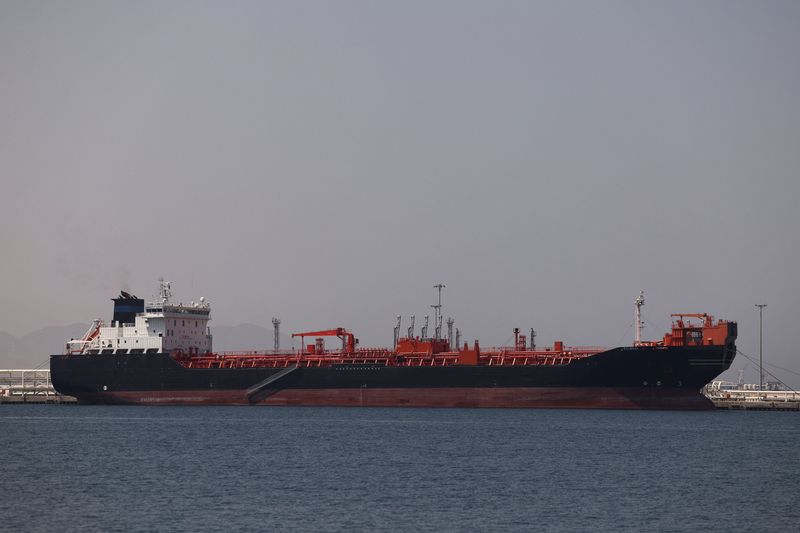
- Escalating Supply Shortage: The ongoing war with Iran has led to a global oil supply shortfall of nearly 1 billion barrels, a situation expected to worsen, which will keep oil prices elevated for the remainder of the year and pose fuel shortage risks for import-reliant Asian and European markets.
- Significant Production Decline: Oil production in the Persian Gulf has plummeted by 57% from pre-war levels, with the closure of the Strait of Hormuz preventing the global economy from meeting its daily demand of 100 million barrels, forcing the industry to deplete stockpiles at a record pace of 11 to 12 million barrels per day.
- Long Road to Recovery: Even if the Strait of Hormuz reopens immediately, Persian Gulf oil production will not return to normal overnight, with S&P Global estimating that it could take up to seven months to restart most wells, further exacerbating the supply crunch.
- Investor Strategy: Given the persistent high oil prices, investors should reduce exposure to energy-intensive sectors and increase allocations to oil stocks to prepare for potential supply shocks and price fluctuations in the future.
Trade with 70% Backtested Accuracy
Stop guessing "Should I Buy SHEL?" and start using high-conviction signals backed by rigorous historical data.
Sign up today to access powerful investing tools and make smarter, data-driven decisions.
Analyst Views on SHEL
Wall Street analysts forecast SHEL stock price to fall
10 Analyst Rating
5 Buy
5 Hold
0 Sell
Moderate Buy
Current: 84.240

Low
41.75
Averages
74.27
High
91.00
Current: 84.240
Low
41.75
Averages
74.27
High
91.00
About SHEL
Shell plc is an international energy company engaged in the principal aspects of the energy and petrochemical industries. The Company's segments include Integrated Gas, Upstream, Marketing, Chemicals and Products, Renewables and Energy Solutions, and Corporate. The Integrated Gas segment includes liquefied natural gas (LNG), conversion of natural gas into gas-to-liquids (GTL) fuels and other products. It includes natural gas and liquids exploration and extraction, and the operation of the upstream and midstream infrastructure. The Upstream segment includes exploration and extraction of crude oil, natural gas and natural gas liquids. It also markets and transports oil and gas and operates the infrastructure necessary to deliver them to the market. The Marketing segment comprises the Mobility, Lubricants, and Sectors & Decarbonization businesses. The Chemicals and Products segment includes chemicals manufacturing plants with their own marketing network, and refineries.
About the author

Emily J. Thompson
Emily J. Thompson, a Chartered Financial Analyst (CFA) with 12 years in investment research, graduated with honors from the Wharton School. Specializing in industrial and technology stocks, she provides in-depth analysis for Intellectia’s earnings and market brief reports.

Shell PLC Q1 2026 Unaudited Financial Results
- Significant Revenue Growth: In Q1 2026, Shell's income attributable to shareholders reached $5,694 million, a 37% increase from $4,134 million in Q4 2025, indicating strong market performance and enhanced profitability.
- Adjusted Earnings Performance: Adjusted earnings stood at $7,741 million, down from $12,799 million in Q4 2025, primarily driven by increased contributions from trading and optimization, reflecting ongoing growth potential in downstream and renewables sectors.
- Improved Free Cash Flow: The first quarter free cash flow was $4,202 million, a decrease from $6,015 million in Q4 2025, yet still demonstrating effective management in capital expenditures and operational efficiency.
- Rising Debt Levels: As of Q1 2026, net debt was $52,606 million, up from $45,687 million in Q4 2025, resulting in a gearing ratio increase to 23.2%, reflecting strategic decisions in expanding investments and acquisitions.
See More

Shell Reports Strong Results and Acquisition Strategy
- Strong Financial Performance: In Q1 2026, Shell reported adjusted earnings of $6.9 billion, demonstrating robust operational performance amidst unprecedented disruptions in global energy markets, highlighting the company's resilience and profitability in uncertain environments.
- Acquisition Accelerates Strategy: The acquisition of ARC Resources is expected to add 370,000 barrels of oil equivalent per day, driving a 4% production CAGR through 2030, further solidifying Shell's market position in low-cost liquids and gas assets.
- Enhanced Shareholder Returns: Shell has initiated a $3 billion share buyback program and increased its dividend by 5% to $0.3906 per share, reflecting its shareholder value-driven capital allocation philosophy and boosting investor confidence.
- Optimistic Capital Expenditure Outlook: The cash capex outlook for 2026 is projected between $24 billion and $26 billion, including approximately $4 billion for the ARC acquisition, indicating the company's proactive approach to expanding and optimizing its asset portfolio.
See More
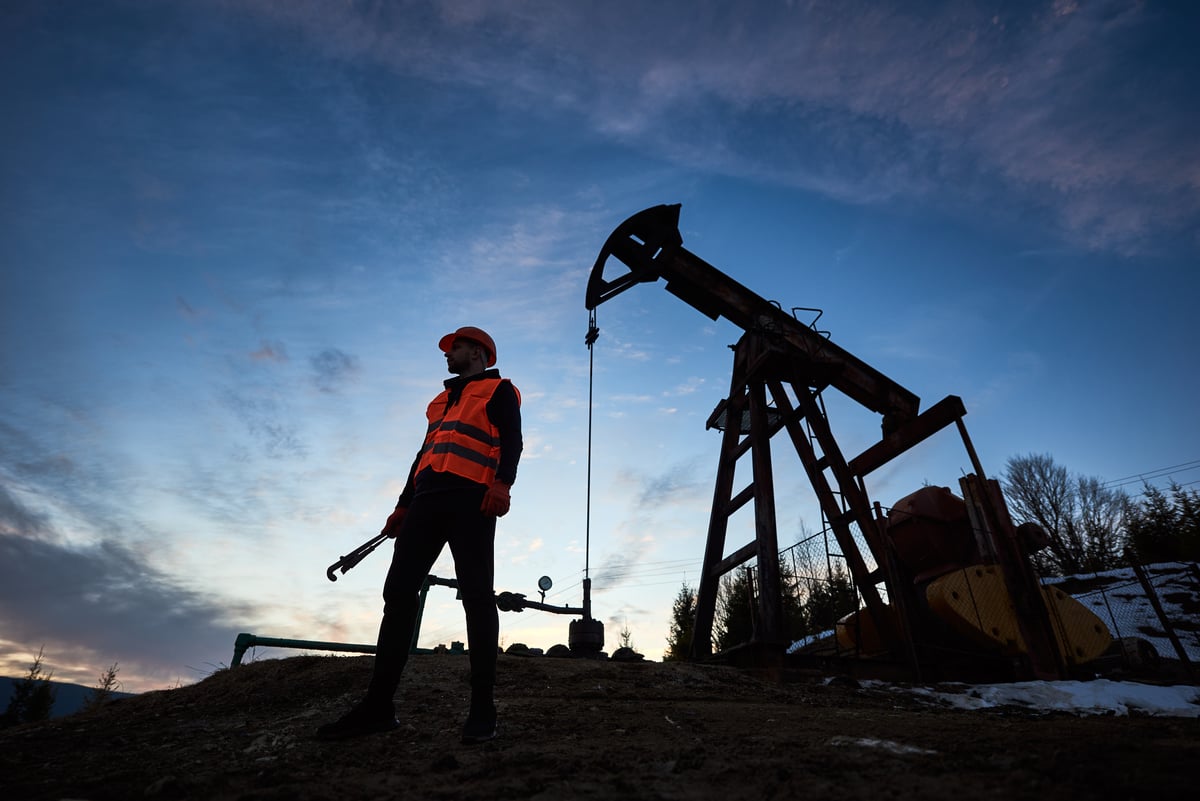
Iran War Causes Massive Global Oil Supply Shortage

- Severe Supply Disruption: The closure of the Strait of Hormuz has led to a 57% drop in Persian Gulf oil production from pre-war levels, resulting in a nearly 1 billion barrel supply shortage that Shell's CEO warns is worsening daily, threatening global oil supply stability.
- Accelerated Inventory Drawdown: With global oil consumption at approximately 100 million barrels per day, the industry is currently depleting stockpiles at a record pace of 11 to 12 million barrels daily, highlighting the urgent demand for oil that may persist for several months.
- Long Road to Recovery: Even if the Strait of Hormuz reopens immediately, oil production in the Persian Gulf won't recover quickly, with S&P Global estimating that most wells may take up to seven months to restart, exacerbating the supply crunch.
- Investment Strategy Shift: Given the likelihood of sustained high oil prices, investors should consider reducing exposure to energy-intensive sectors while increasing allocations to oil stocks to prepare for potential fuel shortages and price hikes.
See More

Global Oil Supply Gap Reaches 1 Billion Barrels
- Escalating Supply Shortage: The ongoing war with Iran has led to a global oil supply shortfall of nearly 1 billion barrels, a situation expected to worsen, which will keep oil prices elevated for the remainder of the year and pose fuel shortage risks for import-reliant Asian and European markets.
- Significant Production Decline: Oil production in the Persian Gulf has plummeted by 57% from pre-war levels, with the closure of the Strait of Hormuz preventing the global economy from meeting its daily demand of 100 million barrels, forcing the industry to deplete stockpiles at a record pace of 11 to 12 million barrels per day.
- Long Road to Recovery: Even if the Strait of Hormuz reopens immediately, Persian Gulf oil production will not return to normal overnight, with S&P Global estimating that it could take up to seven months to restart most wells, further exacerbating the supply crunch.
- Investor Strategy: Given the persistent high oil prices, investors should reduce exposure to energy-intensive sectors and increase allocations to oil stocks to prepare for potential supply shocks and price fluctuations in the future.
See More
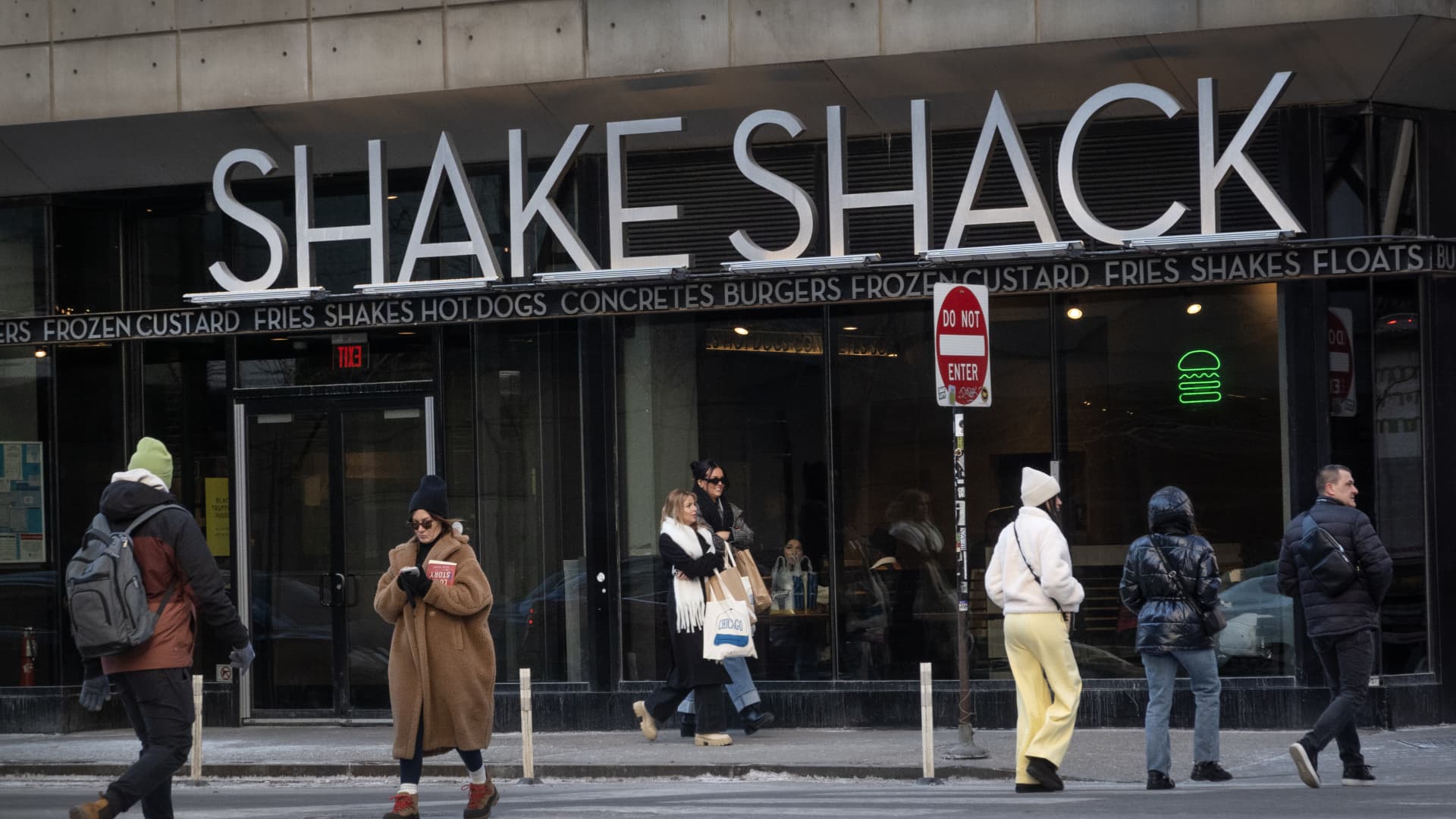
Consumer Confidence Decline Impacts Stock Market

- Market Volatility: Shares of several consumer-focused companies plummeted yesterday, with Planet Fitness down over 30%, marking its largest one-day loss ever, indicating market concerns about consumer health that could hinder overall economic recovery.
- Shake Shack Earnings Miss: Shake Shack's stock dropped more than 28% following an operating loss and earnings miss in Q1, reflecting weak consumer spending that may pressure future performance.
- Job Data Expectations: The U.S. is expected to add 55,000 jobs in April, with the unemployment rate holding steady at 4.3%, a figure that could sway market sentiment, as JPMorgan's trading desk warns of potential significant market swings.
- Cloudflare Layoffs Impact: Cloudflare announced it would cut over one-fifth of its workforce, leading to a 15% pre-market drop in its stock, despite beating Q1 earnings expectations, indicating the company's cautious outlook on future market conditions.
See More

Consumer Confidence Decline Impacts Stock Market

- Market Volatility: Shares of several consumer-focused companies plummeted, with Planet Fitness down over 30%, marking its largest one-day loss ever, reflecting market concerns about consumer health that could hinder overall economic recovery.
- Job Data Expectations: The U.S. is expected to add 55,000 jobs in April, a significant slowdown from March, with the unemployment rate projected to hold steady at 4.3%, potentially triggering significant market swings as investors await the employment report.
- Geopolitical Tensions: Hostilities in the Strait of Hormuz have reignited, with the U.S. and Iran exchanging fire, and although Trump claims the ceasefire remains intact, the escalating situation could negatively impact oil prices and market sentiment.
- Cloudflare Layoffs: Cloudflare announced it would cut over 20% of its workforce, leading to a 15% drop in shares before the bell, despite beating first-quarter earnings expectations, indicating a significant shift in the company's future direction that may affect investor confidence.
See More
Shell PLC Q1 2026 Unaudited Financial Results
- Significant Revenue Growth: In Q1 2026, Shell's income attributable to shareholders reached $5,694 million, a 37% increase from $4,134 million in Q4 2025, indicating strong market performance and enhanced profitability.
- Adjusted Earnings Performance: Adjusted earnings stood at $7,741 million, down from $12,799 million in Q4 2025, primarily driven by increased contributions from trading and optimization, reflecting ongoing growth potential in downstream and renewables sectors.
- Improved Free Cash Flow: The first quarter free cash flow was $4,202 million, a decrease from $6,015 million in Q4 2025, yet still demonstrating effective management in capital expenditures and operational efficiency.
- Rising Debt Levels: As of Q1 2026, net debt was $52,606 million, up from $45,687 million in Q4 2025, resulting in a gearing ratio increase to 23.2%, reflecting strategic decisions in expanding investments and acquisitions.
See More
Shell Reports Strong Results and Acquisition Strategy
- Strong Financial Performance: In Q1 2026, Shell reported adjusted earnings of $6.9 billion, demonstrating robust operational performance amidst unprecedented disruptions in global energy markets, highlighting the company's resilience and profitability in uncertain environments.
- Acquisition Accelerates Strategy: The acquisition of ARC Resources is expected to add 370,000 barrels of oil equivalent per day, driving a 4% production CAGR through 2030, further solidifying Shell's market position in low-cost liquids and gas assets.
- Enhanced Shareholder Returns: Shell has initiated a $3 billion share buyback program and increased its dividend by 5% to $0.3906 per share, reflecting its shareholder value-driven capital allocation philosophy and boosting investor confidence.
- Optimistic Capital Expenditure Outlook: The cash capex outlook for 2026 is projected between $24 billion and $26 billion, including approximately $4 billion for the ARC acquisition, indicating the company's proactive approach to expanding and optimizing its asset portfolio.
See More
Iran War Causes Massive Global Oil Supply Shortage
- Severe Supply Disruption: The closure of the Strait of Hormuz has led to a 57% drop in Persian Gulf oil production from pre-war levels, resulting in a nearly 1 billion barrel supply shortage that Shell's CEO warns is worsening daily, threatening global oil supply stability.
- Accelerated Inventory Drawdown: With global oil consumption at approximately 100 million barrels per day, the industry is currently depleting stockpiles at a record pace of 11 to 12 million barrels daily, highlighting the urgent demand for oil that may persist for several months.
- Long Road to Recovery: Even if the Strait of Hormuz reopens immediately, oil production in the Persian Gulf won't recover quickly, with S&P Global estimating that most wells may take up to seven months to restart, exacerbating the supply crunch.
- Investment Strategy Shift: Given the likelihood of sustained high oil prices, investors should consider reducing exposure to energy-intensive sectors while increasing allocations to oil stocks to prepare for potential fuel shortages and price hikes.
See More
Global Oil Supply Gap Reaches 1 Billion Barrels
- Escalating Supply Shortage: The ongoing war with Iran has led to a global oil supply shortfall of nearly 1 billion barrels, a situation expected to worsen, which will keep oil prices elevated for the remainder of the year and pose fuel shortage risks for import-reliant Asian and European markets.
- Significant Production Decline: Oil production in the Persian Gulf has plummeted by 57% from pre-war levels, with the closure of the Strait of Hormuz preventing the global economy from meeting its daily demand of 100 million barrels, forcing the industry to deplete stockpiles at a record pace of 11 to 12 million barrels per day.
- Long Road to Recovery: Even if the Strait of Hormuz reopens immediately, Persian Gulf oil production will not return to normal overnight, with S&P Global estimating that it could take up to seven months to restart most wells, further exacerbating the supply crunch.
- Investor Strategy: Given the persistent high oil prices, investors should reduce exposure to energy-intensive sectors and increase allocations to oil stocks to prepare for potential supply shocks and price fluctuations in the future.
See More
Consumer Confidence Decline Impacts Stock Market
- Market Volatility: Shares of several consumer-focused companies plummeted yesterday, with Planet Fitness down over 30%, marking its largest one-day loss ever, indicating market concerns about consumer health that could hinder overall economic recovery.
- Shake Shack Earnings Miss: Shake Shack's stock dropped more than 28% following an operating loss and earnings miss in Q1, reflecting weak consumer spending that may pressure future performance.
- Job Data Expectations: The U.S. is expected to add 55,000 jobs in April, with the unemployment rate holding steady at 4.3%, a figure that could sway market sentiment, as JPMorgan's trading desk warns of potential significant market swings.
- Cloudflare Layoffs Impact: Cloudflare announced it would cut over one-fifth of its workforce, leading to a 15% pre-market drop in its stock, despite beating Q1 earnings expectations, indicating the company's cautious outlook on future market conditions.
See More
Consumer Confidence Decline Impacts Stock Market
- Market Volatility: Shares of several consumer-focused companies plummeted, with Planet Fitness down over 30%, marking its largest one-day loss ever, reflecting market concerns about consumer health that could hinder overall economic recovery.
- Job Data Expectations: The U.S. is expected to add 55,000 jobs in April, a significant slowdown from March, with the unemployment rate projected to hold steady at 4.3%, potentially triggering significant market swings as investors await the employment report.
- Geopolitical Tensions: Hostilities in the Strait of Hormuz have reignited, with the U.S. and Iran exchanging fire, and although Trump claims the ceasefire remains intact, the escalating situation could negatively impact oil prices and market sentiment.
- Cloudflare Layoffs: Cloudflare announced it would cut over 20% of its workforce, leading to a 15% drop in shares before the bell, despite beating first-quarter earnings expectations, indicating a significant shift in the company's future direction that may affect investor confidence.
See More