

Gilead Acquires Ouro to Enhance Portfolio
Written by Emily J. Thompson, Senior Investment Analyst
Updated: Mar 24 2026
0mins


Source: Fool
- Ouro Acquisition: Gilead Sciences has announced a $2.18 billion acquisition of Ouro Medicines to enhance its inflammation portfolio, underscoring its commitment to advancing transformative therapies, with Ouro's key drug gamgertamig already in the FDA fast-track process.
- Sales Growth Outlook: Analysts project Gilead's product sales to approach or exceed $30 billion in 2026, indicating significant growth potential in the market, and the acquisition is expected to further drive business development.
- Tesla's European Recovery: Tesla recorded its first monthly sales increase in Europe in over a year, with nearly a 12% rise, ending a 14-month slump, demonstrating its competitive edge against Chinese EVs, while the overall EV market grew by almost 16%.
- AI Infrastructure Bottlenecks: Broadcom has warned of supply chain constraints in the AI infrastructure sector, which could hinder industry growth, particularly as demand for AI chips surges, with capacity limitations at key manufacturers like Taiwan Semiconductor potentially leading to longer lead times.
Trade with 70% Backtested Accuracy
Stop guessing "Should I Buy TSLA?" and start using high-conviction signals backed by rigorous historical data.
Sign up today to access powerful investing tools and make smarter, data-driven decisions.
Analyst Views on TSLA
Wall Street analysts forecast TSLA stock price to rise
30 Analyst Rating
12 Buy
11 Hold
7 Sell
Hold
Current: 396.380

Low
25.28
Averages
401.93
High
600.00
Current: 396.380
Low
25.28
Averages
401.93
High
600.00
About TSLA
Tesla, Inc. designs, develops, manufactures, sells and leases high-performance fully electric vehicles and energy generation and storage systems, and offers services related to its products. Its segments include automotive, and energy generation and storage. The automotive segment includes the design, development, manufacturing, sales and leasing of high-performance fully electric vehicles, and sales of automotive regulatory credits. It also includes sales of used vehicles, non-warranty maintenance services and collisions, part sales, paid supercharging, insurance services revenue and retail merchandise sales. The energy generation and storage segment include the design, manufacture, installation, sales and leasing of solar energy generation and energy storage products and related services and sales of solar energy systems incentives. Its consumer vehicles include the Model 3, Y, S, X and Cybertruck. Its lithium-ion battery energy storage products include Powerwall and Megapack.
About the author

Emily J. Thompson
Emily J. Thompson, a Chartered Financial Analyst (CFA) with 12 years in investment research, graduated with honors from the Wharton School. Specializing in industrial and technology stocks, she provides in-depth analysis for Intellectia’s earnings and market brief reports.
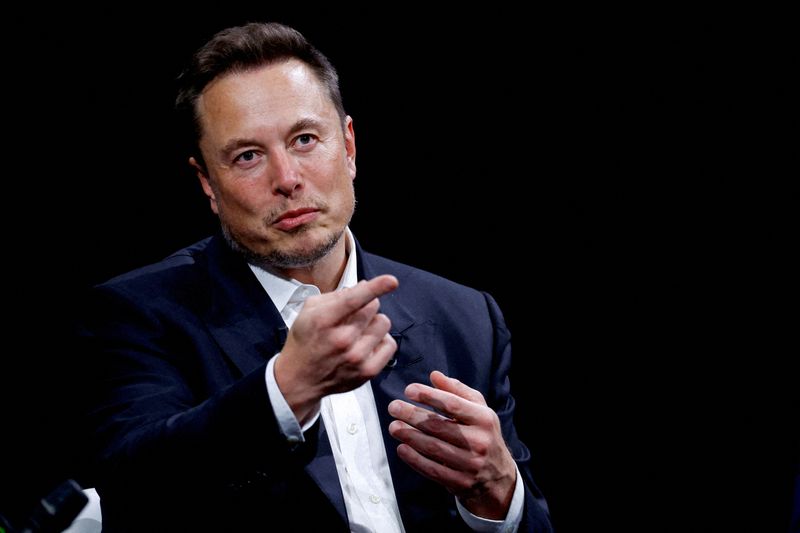
Tesla's Future Growth Expectations Should Be Tempered

- Stock Price Growth Review: Tesla's stock has surged 2,630% over the past decade, meaning a $10,000 investment is now worth $273,000; despite a 19% drop from its December 2025 peak, long-term investors have still reaped substantial rewards.
- Revenue Decline Warning: In 2025, Tesla's total revenue was $94.8 billion, reflecting a year-over-year decline that highlights increased competition in the EV market, prompting investors to consider the macroeconomic factors affecting company performance.
- Strategic Transformation Goals: Tesla aims to be more than just an EV manufacturer, focusing on leveraging AI technology for autonomous driving and humanoid robots, showcasing its technological foresight and potential for diversification in the premium EV market.
- Market Expectations Too High: With a price-to-earnings ratio of 363, Tesla's stock reflects exceedingly high market expectations for future growth, suggesting that investors should adopt a cautious outlook when considering the next decade's stock performance to avoid unrealistic expectations.
See More

SpaceX IPO Sparks Retail Investor Frenzy
- Strong IPO Performance: SpaceX completed the world's largest IPO, opening at $150 and closing at $191, achieving a market value exceeding $2.5 trillion, indicating strong investor interest in its technology and market potential.
- Retail Investor Participation: Over 20% of shares were allocated to retail investors in this IPO, significantly higher than the typical 5% to 10%, reflecting SpaceX's commitment to ordinary investors and further fueling market enthusiasm.
- Technological and Innovation Edge: SpaceX leads in rocket launches and satellite internet services while actively developing its AI business, which is expected to achieve business goals through low costs and high control, enhancing its competitive position in the market.
- Future Challenges and Risks: Despite strong initial performance, SpaceX faces $12 billion in capital expenditures and a $4.9 billion loss, prompting investors to monitor its financial health and the risks associated with relying on new technologies for growth, which may impact stock performance.
See More
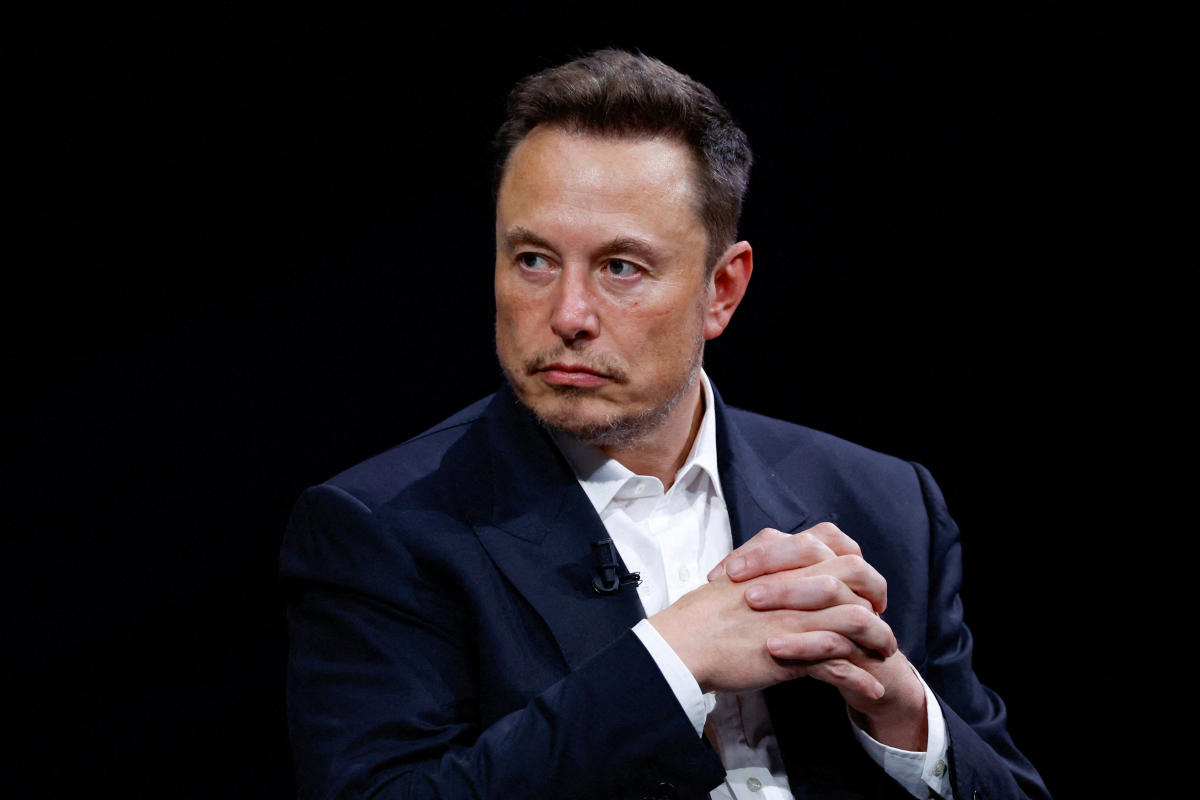
Electric Vehicles as Keystone Species in Tech Stack

- Tesla's Strong Earnings: Tesla reported Q1 FY2026 revenue of $22.39 billion, a 15.78% year-over-year increase, with automotive gross margin rising from 16.2% to 21.1%, indicating robust market demand and profitability.
- EV Market Growth: The volume of electric vehicles has driven down battery costs, creating a positive feedback loop that has scaled wide-bandgap semiconductor technology for grid applications, further advancing technological progress in the sector.
- Surge in Silicon Carbide Demand: On Semiconductor and Wolfspeed saw stock price increases of 124.6% and 229.75%, respectively, reflecting strong demand for silicon carbide in electric vehicles and AI data centers, showcasing rapid industry growth potential.
- Investor Focus on Power Electronics: Power electronics is viewed as the
See More

SpaceX IPO Raises Investor Concerns Over Lockup Period

- IPO Fundraising Scale: SpaceX raised $75 billion through its IPO, becoming one of the largest companies in Wall Street history with a valuation of $2.66 trillion, surpassing well-known firms like Amazon and Tesla, showcasing its strong potential in the space economy and AI sectors.
- Index Inclusion Rule Changes: Structural changes in Nasdaq and Russell indexes allow SpaceX to be included in the Nasdaq-100 within just 15 trading days, forcing passive funds to rapidly purchase its stock post-IPO, which is expected to generate tens of billions in demand and further elevate its share price.
- Lockup Period Risks: SpaceX's staggered lockup schedule permits some insiders to sell shares earlier than typical IPO lockup periods, posing significant wealth transfer risks for retail investors, especially amid heightened market enthusiasm.
- Financial Health Concerns: The company's prospectus warns of using debt issuance and share dilution to fund the expansion of AI data center infrastructure and M&A opportunities, combined with its historically high price-to-sales ratio of 142, indicating potential vulnerabilities in profitability and sales growth.
See More
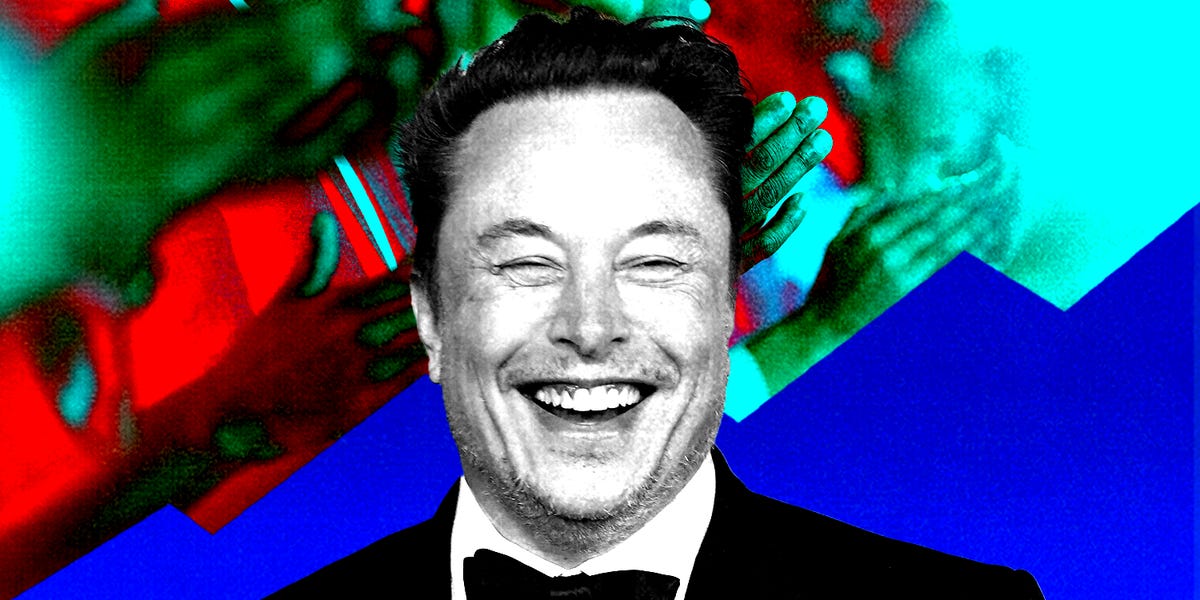
SpaceX Raises $75 Billion in Record IPO, Surpassing Major Competitors

- Record IPO Financing: SpaceX raised $75 billion through its IPO, becoming one of the largest in history with a valuation of $2.66 trillion, surpassing giants like Amazon and Tesla, highlighting its significant potential in the space economy and AI sectors.
- Index Inclusion Rule Changes: Structural changes in Nasdaq and Russell indexes allow SpaceX to be included in relevant indexes within just 5 to 15 trading days, expected to trigger billions in passive fund buying, further boosting its stock price.
- Lockup Period Arrangement: SpaceX's staggered lockup schedule permits some insiders to cash out shortly after the first quarterly report, potentially exposing retail investors to risks of passive selling that could impact their returns.
- Future Financing Risks: SpaceX plans to utilize debt issuances and share dilution to fund the expansion of its AI data center infrastructure, which may further dilute shareholder equity and increase financial risks for retail investors.
See More

Musk Becomes the World's First Trillionaire
- Trillionaire Emergence: With SpaceX's IPO on June 12, Elon Musk's wealth surpassed $1 trillion, making him the world's first trillionaire, showcasing his immense influence in the technology and aerospace sectors.
- Wealth Impact from Stock Volatility: According to Bloomberg's Billionaires Index, Musk owns 4.76 billion shares of SpaceX, meaning a $1 change in stock price alters his net worth by approximately $4.76 billion, highlighting the extreme volatility of his wealth.
- Investment Opportunities: At SpaceX's latest closing price of $185, a $1,000 investment would buy about 5.41 shares, indicating that even small investments can benefit from stock price increases, reflecting the importance of ownership.
- Principle of Wealth Growth: Musk's wealth primarily stems from his stakes in companies like SpaceX and Tesla, and everyday investors can similarly achieve wealth growth through quality stock ownership, emphasizing the value of long-term investing.
See More
Tesla's Future Growth Expectations Should Be Tempered
- Stock Price Growth Review: Tesla's stock has surged 2,630% over the past decade, meaning a $10,000 investment is now worth $273,000; despite a 19% drop from its December 2025 peak, long-term investors have still reaped substantial rewards.
- Revenue Decline Warning: In 2025, Tesla's total revenue was $94.8 billion, reflecting a year-over-year decline that highlights increased competition in the EV market, prompting investors to consider the macroeconomic factors affecting company performance.
- Strategic Transformation Goals: Tesla aims to be more than just an EV manufacturer, focusing on leveraging AI technology for autonomous driving and humanoid robots, showcasing its technological foresight and potential for diversification in the premium EV market.
- Market Expectations Too High: With a price-to-earnings ratio of 363, Tesla's stock reflects exceedingly high market expectations for future growth, suggesting that investors should adopt a cautious outlook when considering the next decade's stock performance to avoid unrealistic expectations.
See More
SpaceX IPO Sparks Retail Investor Frenzy
- Strong IPO Performance: SpaceX completed the world's largest IPO, opening at $150 and closing at $191, achieving a market value exceeding $2.5 trillion, indicating strong investor interest in its technology and market potential.
- Retail Investor Participation: Over 20% of shares were allocated to retail investors in this IPO, significantly higher than the typical 5% to 10%, reflecting SpaceX's commitment to ordinary investors and further fueling market enthusiasm.
- Technological and Innovation Edge: SpaceX leads in rocket launches and satellite internet services while actively developing its AI business, which is expected to achieve business goals through low costs and high control, enhancing its competitive position in the market.
- Future Challenges and Risks: Despite strong initial performance, SpaceX faces $12 billion in capital expenditures and a $4.9 billion loss, prompting investors to monitor its financial health and the risks associated with relying on new technologies for growth, which may impact stock performance.
See More
Electric Vehicles as Keystone Species in Tech Stack
- Tesla's Strong Earnings: Tesla reported Q1 FY2026 revenue of $22.39 billion, a 15.78% year-over-year increase, with automotive gross margin rising from 16.2% to 21.1%, indicating robust market demand and profitability.
- EV Market Growth: The volume of electric vehicles has driven down battery costs, creating a positive feedback loop that has scaled wide-bandgap semiconductor technology for grid applications, further advancing technological progress in the sector.
- Surge in Silicon Carbide Demand: On Semiconductor and Wolfspeed saw stock price increases of 124.6% and 229.75%, respectively, reflecting strong demand for silicon carbide in electric vehicles and AI data centers, showcasing rapid industry growth potential.
- Investor Focus on Power Electronics: Power electronics is viewed as the
See More
SpaceX IPO Raises Investor Concerns Over Lockup Period
- IPO Fundraising Scale: SpaceX raised $75 billion through its IPO, becoming one of the largest companies in Wall Street history with a valuation of $2.66 trillion, surpassing well-known firms like Amazon and Tesla, showcasing its strong potential in the space economy and AI sectors.
- Index Inclusion Rule Changes: Structural changes in Nasdaq and Russell indexes allow SpaceX to be included in the Nasdaq-100 within just 15 trading days, forcing passive funds to rapidly purchase its stock post-IPO, which is expected to generate tens of billions in demand and further elevate its share price.
- Lockup Period Risks: SpaceX's staggered lockup schedule permits some insiders to sell shares earlier than typical IPO lockup periods, posing significant wealth transfer risks for retail investors, especially amid heightened market enthusiasm.
- Financial Health Concerns: The company's prospectus warns of using debt issuance and share dilution to fund the expansion of AI data center infrastructure and M&A opportunities, combined with its historically high price-to-sales ratio of 142, indicating potential vulnerabilities in profitability and sales growth.
See More
SpaceX Raises $75 Billion in Record IPO, Surpassing Major Competitors
- Record IPO Financing: SpaceX raised $75 billion through its IPO, becoming one of the largest in history with a valuation of $2.66 trillion, surpassing giants like Amazon and Tesla, highlighting its significant potential in the space economy and AI sectors.
- Index Inclusion Rule Changes: Structural changes in Nasdaq and Russell indexes allow SpaceX to be included in relevant indexes within just 5 to 15 trading days, expected to trigger billions in passive fund buying, further boosting its stock price.
- Lockup Period Arrangement: SpaceX's staggered lockup schedule permits some insiders to cash out shortly after the first quarterly report, potentially exposing retail investors to risks of passive selling that could impact their returns.
- Future Financing Risks: SpaceX plans to utilize debt issuances and share dilution to fund the expansion of its AI data center infrastructure, which may further dilute shareholder equity and increase financial risks for retail investors.
See More
Musk Becomes the World's First Trillionaire
- Trillionaire Emergence: With SpaceX's IPO on June 12, Elon Musk's wealth surpassed $1 trillion, making him the world's first trillionaire, showcasing his immense influence in the technology and aerospace sectors.
- Wealth Impact from Stock Volatility: According to Bloomberg's Billionaires Index, Musk owns 4.76 billion shares of SpaceX, meaning a $1 change in stock price alters his net worth by approximately $4.76 billion, highlighting the extreme volatility of his wealth.
- Investment Opportunities: At SpaceX's latest closing price of $185, a $1,000 investment would buy about 5.41 shares, indicating that even small investments can benefit from stock price increases, reflecting the importance of ownership.
- Principle of Wealth Growth: Musk's wealth primarily stems from his stakes in companies like SpaceX and Tesla, and everyday investors can similarly achieve wealth growth through quality stock ownership, emphasizing the value of long-term investing.
See More




