General Dynamics Secures $285 Million Cybersecurity Contract with Virginia
Written by Emily J. Thompson, Senior Investment Analyst
Updated: Dec 16 2025
0mins
Should l Buy GD?
Source: PRnewswire
- Significant Contract Value: General Dynamics Information Technology (GDIT) has been awarded a $285 million cybersecurity contract by the Commonwealth of Virginia, aimed at enhancing the cybersecurity infrastructure for 67 agencies serving over 8.8 million residents, marking a significant expansion in the company's public safety initiatives.
- Innovative Technology Application: GDIT will leverage its Eclipse Defensive Cyber and Everest Zero Trust Digital Accelerators to provide comprehensive cybersecurity services, including vulnerability management and a 24/7 security operations center, significantly enhancing the state's capacity to respond to cyber threats.
- AI Integration: By automating security monitoring through artificial intelligence, GDIT will enhance threat detection capabilities, ensuring that Virginia's digital infrastructure is resilient against future security challenges posed by quantum computing, thereby improving the overall cybersecurity posture.
- Deepened Strategic Partnership: This contract not only strengthens GDIT's service capabilities for state and local governments but also reflects the company's strategic investment in modernizing defenses and addressing AI-driven attacks, further solidifying its leadership position in the cybersecurity sector.
Trade with 70% Backtested Accuracy
Stop guessing "Should I Buy GD?" and start using high-conviction signals backed by rigorous historical data.
Sign up today to access powerful investing tools and make smarter, data-driven decisions.
Analyst Views on GD
Wall Street analysts forecast GD stock price to rise
15 Analyst Rating
7 Buy
8 Hold
0 Sell
Moderate Buy
Current: 357.050

Low
360.00
Averages
386.85
High
410.00
Current: 357.050
Low
360.00
Averages
386.85
High
410.00
About GD
General Dynamics Corporation is a global aerospace and defense company. It offers a portfolio of products and services in business aviation; ship construction and repair; land combat vehicles, weapons systems and munitions, and technology products and services. Its segments include Aerospace, Marine Systems, Combat Systems and Technologies. The Aerospace segment produces business jets and is the standard bearer in new technology aircraft, aircraft repair, customer support and custom completion services. The Marine Systems segment designs and builds nuclear-powered submarines and is engaged in surface combatant and auxiliary ship design and construction for the U.S. Navy. The Combat Systems segment manufactures land combat solutions worldwide, including wheeled and tracked combat vehicles, weapons systems and munitions. The Technologies segment provides a full spectrum of services, technologies and products to a range of military, intelligence, federal civilian and state customers.
About the author

Emily J. Thompson
Emily J. Thompson, a Chartered Financial Analyst (CFA) with 12 years in investment research, graduated with honors from the Wharton School. Specializing in industrial and technology stocks, she provides in-depth analysis for Intellectia’s earnings and market brief reports.

Europe's Delayed Response to US-Israeli Strikes on Iran


- Communication Breakdown: MEP Hannah Neumann revealed that very few European officials were informed prior to the US-Israeli strikes on Iran, with German Chancellor Merz only notified minutes in advance, highlighting Europe's passive role in the escalating Middle East conflict and the potential for economic upheaval.
- Ineffective Sanctions: While the EU stated it would protect its security and interests through additional sanctions, Merz criticized their ineffectiveness and emphasized the need for military action if necessary, indicating a lack of coherence and decisiveness in the EU's crisis response.
- Limited Diplomatic Efforts: Neumann noted that despite Iran's retaliatory actions exceeding expectations, the EU must still utilize existing diplomatic channels to engage with Tehran in hopes of de-escalating tensions, showcasing the bloc's vulnerability in crisis management.
- Energy Security Risks: Neumann stressed the need for the EU to collaboratively ensure the safe evacuation of citizens and establish buffers in energy security and supply chains to mitigate risks associated with a potential blockade of the Strait of Hormuz, underscoring the looming threats to Europe's economy.
See More

The Iran Conflict Escalates, Yet Not All Defense Stocks Are Increasing. Here's the Reason.

- Defense Stocks Performance: Defense stocks continued to rise on Tuesday, showing resilience amid broader market selloffs.
- Market Context: This increase in defense stocks coincides with the ongoing conflict in the Middle East, which has now entered its fourth day.
See More

Israel ETFs Surge Amid Optimism Over War Resolution


- Israeli Market Rally: The TA-35 index, which tracks the largest stocks on the Tel Aviv Stock Exchange, rose 4.6% on Monday, while the broader TA-125 increased by 4.75%, indicating investor optimism likely tied to expectations of a short resolution to the ongoing conflict.
- Strong ETF Performance: The iShares MSCI Israel ETF (EIS) surged 5.5% on Monday, reaching a new high, and has gained 131% since the October 7 attack, reflecting robust market confidence in Israel's economic recovery amidst geopolitical tensions.
- Defense Sector Growth: The iShares U.S. Aerospace & Defense ETF (ITA) jumped 2.8% on Monday and is up 16.7% year-to-date, highlighting sustained investor interest in defense spending, particularly in light of current geopolitical uncertainties.
- Rising Oil Prices Impact: Both Brent and West Texas Intermediate crude futures rose over 6%, with Brent up 17% in the past month, which could have significant implications for the global economy and related sectors, especially energy and transportation.
See More
South Korean Defense Stocks Surge Amid Global Tensions
- Defense Stocks Surge: South Korean defense stocks saw significant gains after the public holiday, with Hanwha Aerospace shares soaring 22%, indicating strong market interest in the defense sector.
- Leading Companies Growth: Korea Aerospace Industries' stock rose over 7%, while Lignex1, a manufacturer of South Korean air defense systems, skyrocketed by 30%, reflecting a surge in global demand for defense products.
- Market Contrast: The robust performance of defense stocks stands in stark contrast to the overall Kospi index, which fell by 2%, highlighting investor confidence in the defense sector amid escalating tensions in the Middle East.
- Global Defense Market Outlook: South Korea aims to become the world's fourth-largest defense industry by 2030, with increasing orders from European nations like Poland and Romania driving significant growth in the sector.
See More

Mixed Close for US Stocks Amid Iran War Impact


- Mixed Market Performance: On Monday, the S&P 500 closed up 0.04%, while the Dow Jones Industrial Average fell 0.15%, and the Nasdaq 100 rose 0.13%, reflecting a divergence in market sentiment influenced by the ongoing war in Iran, with increased demand for defense and energy stocks.
- Surge in Oil Prices: WTI crude oil prices soared over 6% to an 8.25-month high following Iran's attack on oil tankers, which is expected to elevate inflation expectations and impact the overall economic environment and investor confidence.
- Strong Manufacturing Index: The US February ISM manufacturing index unexpectedly rose to 52.4, surpassing the market expectation of 51.5, indicating economic resilience that could influence the Federal Reserve's monetary policy direction, leading to shifts in future rate hike expectations.
- Optimistic Earnings Outlook: More than 90% of S&P 500 companies have reported earnings, with 73% exceeding expectations, and Q4 earnings growth is projected at 8.4%, providing market support despite geopolitical risks.
See More
Middle East Conflict Drives Defense Stocks Up

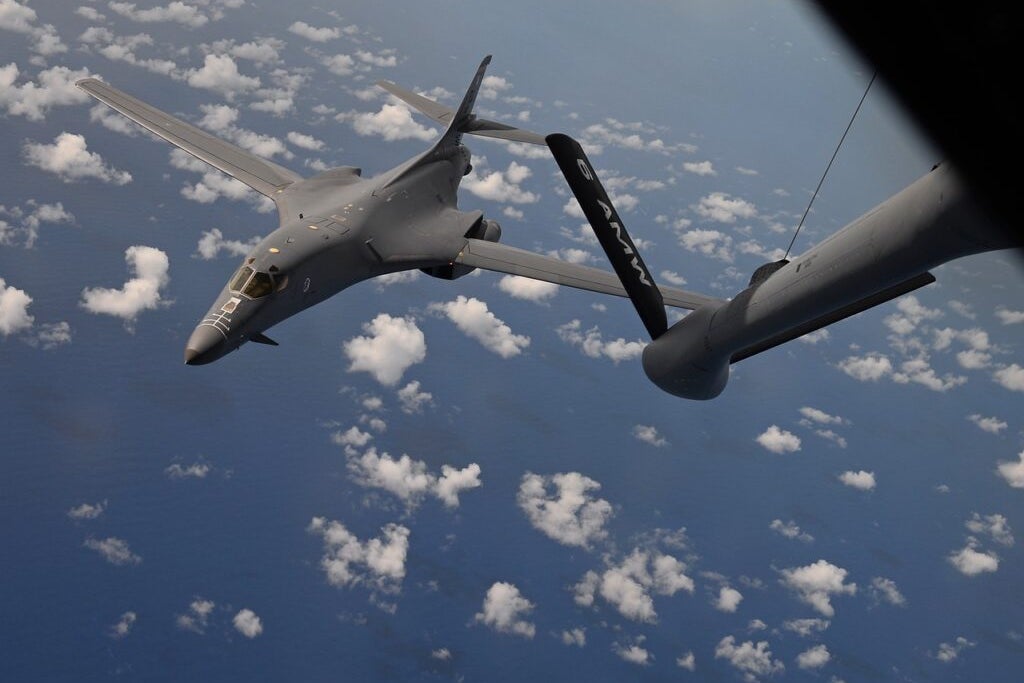
- Defense Stocks Surge: As the conflict in the Middle East escalates, investors are seeking safe havens, leading to a broad increase in defense company stocks on Monday, indicating strong market demand for secure investments.
- U.S.-Israel Military Operations: The U.S. and Israeli militaries launched large-scale operations against Iran this weekend, expected to last four to five weeks, which will likely require significant replenishment of armaments, further driving demand in the defense sector.
- Key Defense Contractors' Roles: Companies like RTX, Lockheed Martin, Huntington Ingalls, and Northrop Grumman play crucial roles in this conflict, producing interceptors, fighter jets, and strategic bombers to ensure the defense capabilities of U.S. forces and allies.
- Investor Focus on Future Returns: Although Northrop Grumman was not recommended as a top stock by The Motley Fool, the overall performance and future demand in the defense industry may attract increased investor interest.
See More
Europe's Delayed Response to US-Israeli Strikes on Iran
- Communication Breakdown: MEP Hannah Neumann revealed that very few European officials were informed prior to the US-Israeli strikes on Iran, with German Chancellor Merz only notified minutes in advance, highlighting Europe's passive role in the escalating Middle East conflict and the potential for economic upheaval.
- Ineffective Sanctions: While the EU stated it would protect its security and interests through additional sanctions, Merz criticized their ineffectiveness and emphasized the need for military action if necessary, indicating a lack of coherence and decisiveness in the EU's crisis response.
- Limited Diplomatic Efforts: Neumann noted that despite Iran's retaliatory actions exceeding expectations, the EU must still utilize existing diplomatic channels to engage with Tehran in hopes of de-escalating tensions, showcasing the bloc's vulnerability in crisis management.
- Energy Security Risks: Neumann stressed the need for the EU to collaboratively ensure the safe evacuation of citizens and establish buffers in energy security and supply chains to mitigate risks associated with a potential blockade of the Strait of Hormuz, underscoring the looming threats to Europe's economy.
See More
The Iran Conflict Escalates, Yet Not All Defense Stocks Are Increasing. Here's the Reason.
- Defense Stocks Performance: Defense stocks continued to rise on Tuesday, showing resilience amid broader market selloffs.
- Market Context: This increase in defense stocks coincides with the ongoing conflict in the Middle East, which has now entered its fourth day.
See More
Israel ETFs Surge Amid Optimism Over War Resolution
- Israeli Market Rally: The TA-35 index, which tracks the largest stocks on the Tel Aviv Stock Exchange, rose 4.6% on Monday, while the broader TA-125 increased by 4.75%, indicating investor optimism likely tied to expectations of a short resolution to the ongoing conflict.
- Strong ETF Performance: The iShares MSCI Israel ETF (EIS) surged 5.5% on Monday, reaching a new high, and has gained 131% since the October 7 attack, reflecting robust market confidence in Israel's economic recovery amidst geopolitical tensions.
- Defense Sector Growth: The iShares U.S. Aerospace & Defense ETF (ITA) jumped 2.8% on Monday and is up 16.7% year-to-date, highlighting sustained investor interest in defense spending, particularly in light of current geopolitical uncertainties.
- Rising Oil Prices Impact: Both Brent and West Texas Intermediate crude futures rose over 6%, with Brent up 17% in the past month, which could have significant implications for the global economy and related sectors, especially energy and transportation.
See More
South Korean Defense Stocks Surge Amid Global Tensions
- Defense Stocks Surge: South Korean defense stocks saw significant gains after the public holiday, with Hanwha Aerospace shares soaring 22%, indicating strong market interest in the defense sector.
- Leading Companies Growth: Korea Aerospace Industries' stock rose over 7%, while Lignex1, a manufacturer of South Korean air defense systems, skyrocketed by 30%, reflecting a surge in global demand for defense products.
- Market Contrast: The robust performance of defense stocks stands in stark contrast to the overall Kospi index, which fell by 2%, highlighting investor confidence in the defense sector amid escalating tensions in the Middle East.
- Global Defense Market Outlook: South Korea aims to become the world's fourth-largest defense industry by 2030, with increasing orders from European nations like Poland and Romania driving significant growth in the sector.
See More
Mixed Close for US Stocks Amid Iran War Impact
- Mixed Market Performance: On Monday, the S&P 500 closed up 0.04%, while the Dow Jones Industrial Average fell 0.15%, and the Nasdaq 100 rose 0.13%, reflecting a divergence in market sentiment influenced by the ongoing war in Iran, with increased demand for defense and energy stocks.
- Surge in Oil Prices: WTI crude oil prices soared over 6% to an 8.25-month high following Iran's attack on oil tankers, which is expected to elevate inflation expectations and impact the overall economic environment and investor confidence.
- Strong Manufacturing Index: The US February ISM manufacturing index unexpectedly rose to 52.4, surpassing the market expectation of 51.5, indicating economic resilience that could influence the Federal Reserve's monetary policy direction, leading to shifts in future rate hike expectations.
- Optimistic Earnings Outlook: More than 90% of S&P 500 companies have reported earnings, with 73% exceeding expectations, and Q4 earnings growth is projected at 8.4%, providing market support despite geopolitical risks.
See More
Middle East Conflict Drives Defense Stocks Up
- Defense Stocks Surge: As the conflict in the Middle East escalates, investors are seeking safe havens, leading to a broad increase in defense company stocks on Monday, indicating strong market demand for secure investments.
- U.S.-Israel Military Operations: The U.S. and Israeli militaries launched large-scale operations against Iran this weekend, expected to last four to five weeks, which will likely require significant replenishment of armaments, further driving demand in the defense sector.
- Key Defense Contractors' Roles: Companies like RTX, Lockheed Martin, Huntington Ingalls, and Northrop Grumman play crucial roles in this conflict, producing interceptors, fighter jets, and strategic bombers to ensure the defense capabilities of U.S. forces and allies.
- Investor Focus on Future Returns: Although Northrop Grumman was not recommended as a top stock by The Motley Fool, the overall performance and future demand in the defense industry may attract increased investor interest.
See More