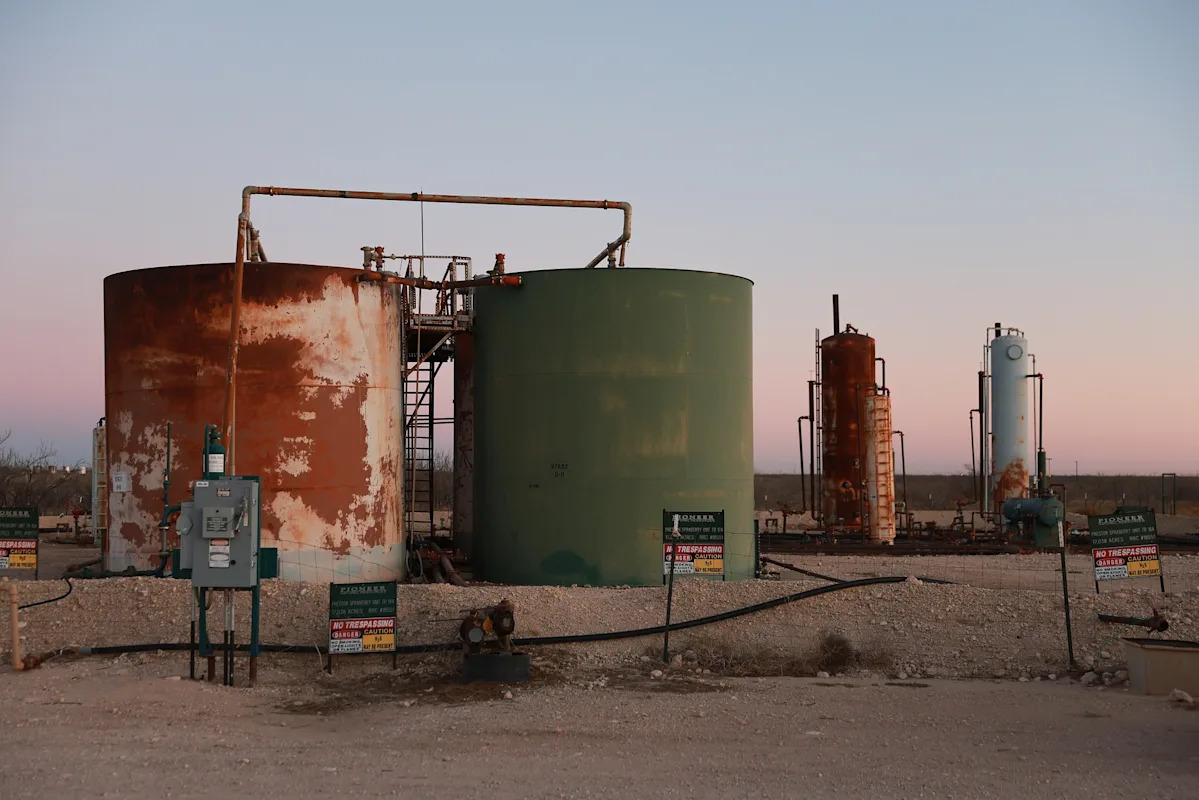
General Dynamics Electric Boat Secures $15.38B Contract Modification
Written by Emily J. Thompson, Senior Investment Analyst
Updated: 1 hour ago
0mins
Should l Buy GD?
Source: seekingalpha
- Massive Contract Award: General Dynamics Electric Boat has secured a $15.38 billion cost-plus contract modification to support the execution of the Columbia-class ballistic missile submarine program, significantly bolstering the company's defense business.
- Clear Funding Allocation: The FY26 national sea-based deterrence fund totals $3.07 billion, accounting for 95% of the budget, while the FY25 maritime industrial base receives $74 million, indicating the government's prioritization of sea-based deterrence capabilities.
- Project Completion Timeline: Work on the project is expected to be completed by June 2035, providing the company with long-term revenue assurance and reflecting the complexity and longevity of defense projects.
- Contract Management Authority: The contract is managed by the Naval Sea Systems Command in Washington, D.C., demonstrating the U.S. Navy's trust and reliance on General Dynamics Electric Boat in the defense sector.
Trade with 70% Backtested Accuracy
Stop guessing "Should I Buy GD?" and start using high-conviction signals backed by rigorous historical data.
Sign up today to access powerful investing tools and make smarter, data-driven decisions.
Analyst Views on GD
Wall Street analysts forecast GD stock price to rise
15 Analyst Rating
7 Buy
8 Hold
0 Sell
Moderate Buy
Current: 356.290

Low
360.00
Averages
386.85
High
410.00
Current: 356.290
Low
360.00
Averages
386.85
High
410.00
About GD
General Dynamics Corporation is a global aerospace and defense company. It offers a portfolio of products and services in business aviation; ship construction and repair; land combat vehicles, weapons systems and munitions, and technology products and services. Its segments include Aerospace, Marine Systems, Combat Systems and Technologies. The Aerospace segment produces business jets and is the standard bearer in new technology aircraft, aircraft repair, customer support and custom completion services. The Marine Systems segment designs and builds nuclear-powered submarines and is engaged in surface combatant and auxiliary ship design and construction for the U.S. Navy. The Combat Systems segment manufactures land combat solutions worldwide, including wheeled and tracked combat vehicles, weapons systems and munitions. The Technologies segment provides a full spectrum of services, technologies and products to a range of military, intelligence, federal civilian and state customers.
About the author

Emily J. Thompson
Emily J. Thompson, a Chartered Financial Analyst (CFA) with 12 years in investment research, graduated with honors from the Wharton School. Specializing in industrial and technology stocks, she provides in-depth analysis for Intellectia’s earnings and market brief reports.

General Dynamics Electric Boat Secures $15.38B Contract Modification

- Massive Contract Award: General Dynamics Electric Boat has secured a $15.38 billion cost-plus contract modification to support the execution of the Columbia-class ballistic missile submarine program, significantly bolstering the company's defense business.
- Clear Funding Allocation: The FY26 national sea-based deterrence fund totals $3.07 billion, accounting for 95% of the budget, while the FY25 maritime industrial base receives $74 million, indicating the government's prioritization of sea-based deterrence capabilities.
- Project Completion Timeline: Work on the project is expected to be completed by June 2035, providing the company with long-term revenue assurance and reflecting the complexity and longevity of defense projects.
- Contract Management Authority: The contract is managed by the Naval Sea Systems Command in Washington, D.C., demonstrating the U.S. Navy's trust and reliance on General Dynamics Electric Boat in the defense sector.
See More
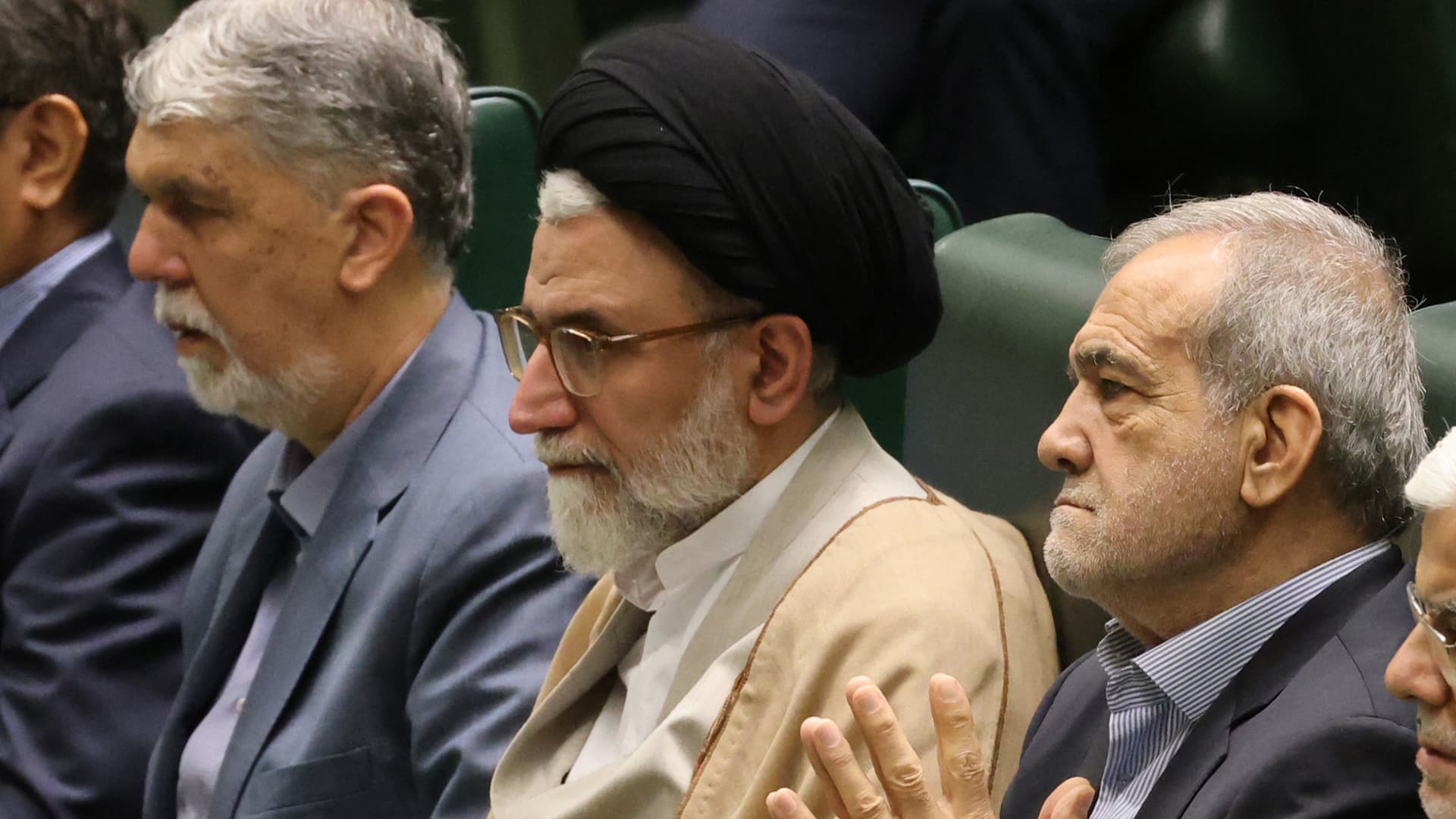
Israel Assassinated Iran's Intelligence Minister in Targeted Strike


- High-Ranking Officials Targeted: The Israeli Defense Forces reported the assassination of Iran's Intelligence Minister Esmail Khatib in Tehran, marking the third high-ranking official killed in just two days, highlighting the severe internal security situation in Iran.
- Role in Protests: Khatib played a significant role during recent protests, including the arrest and killing of demonstrators, which may further tarnish Iran's international reputation and provoke additional sanctions.
- Iran's Retaliatory Actions: Following Khatib's death, Iran retaliated by attacking its Gulf neighbors and targeting ships in the strategically vital Strait of Hormuz, escalating tensions in the region.
- Assassination of Security Officials: Prior to Khatib's assassination, Iran's top security official Ali Larijani and his aides were also killed, indicating Israel's ongoing campaign against Iranian leadership, which could lead to instability within the Iranian government.
See More
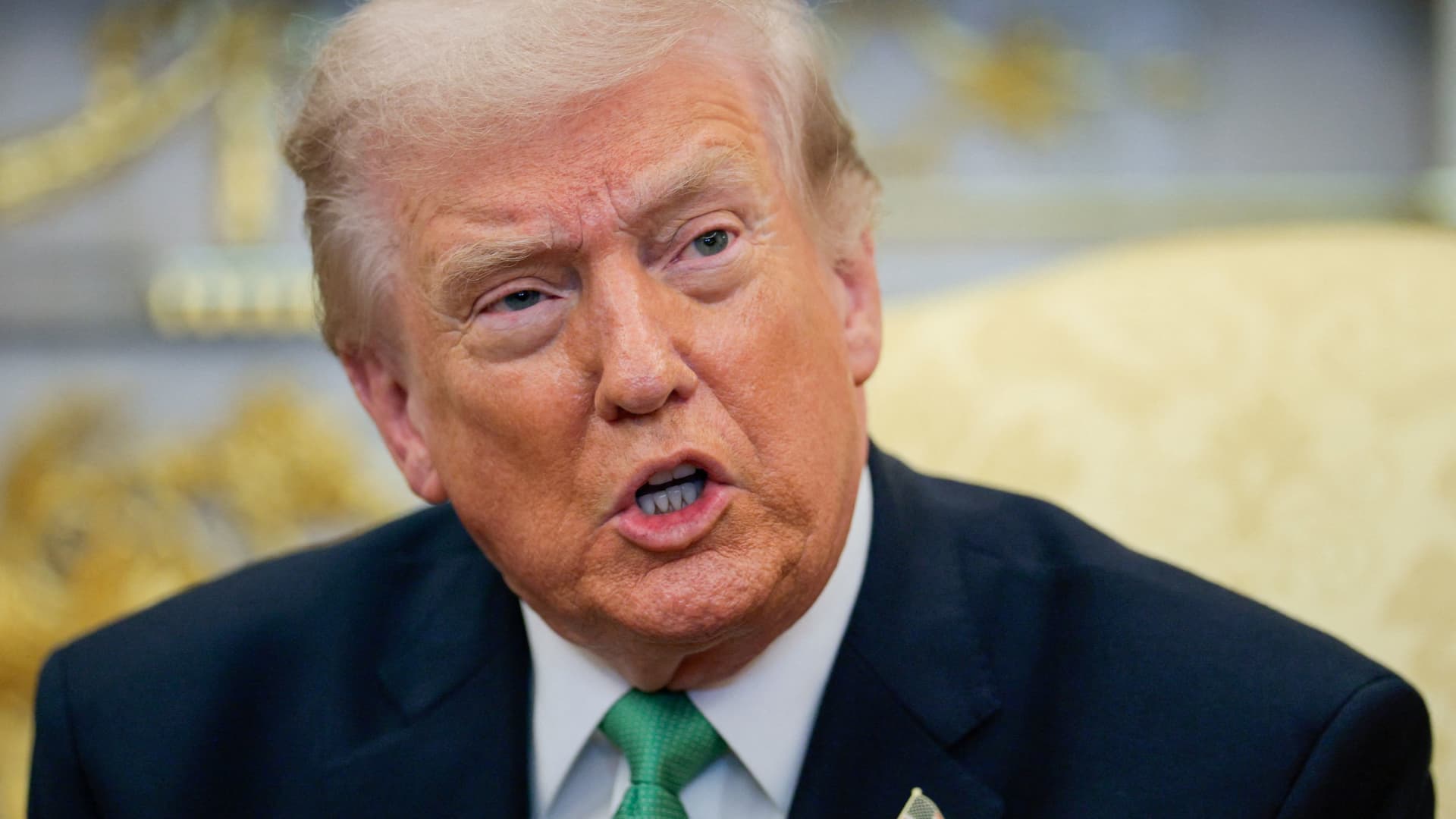
Trump Criticizes NATO Allies for Reluctance in Iran War

- Trump's NATO Criticism: During a meeting with the Irish Prime Minister, Trump criticized NATO allies for their reluctance to engage in the Iran war, labeling it a “foolish mistake,” which could strain U.S.-NATO relations further.
- U.S. Independence from NATO: Trump asserted that the U.S. does not require NATO's assistance in its military operations in Iran, claiming that recent military successes have made such support unnecessary, potentially diminishing NATO members' willingness to support U.S. initiatives.
- Oil Price Surge: Following Trump's remarks, oil prices rose sharply, indicating market skepticism regarding the likelihood of a multistate coalition reopening the vital Strait of Hormuz, which could destabilize global oil markets.
- Potential Delay in U.S.-China Summit: Trump suggested that his anticipated meeting with President Xi Jinping might be postponed, reflecting the complexities of international relations amid the Iran war and ongoing U.S. investigations into Chinese trade practices.
See More
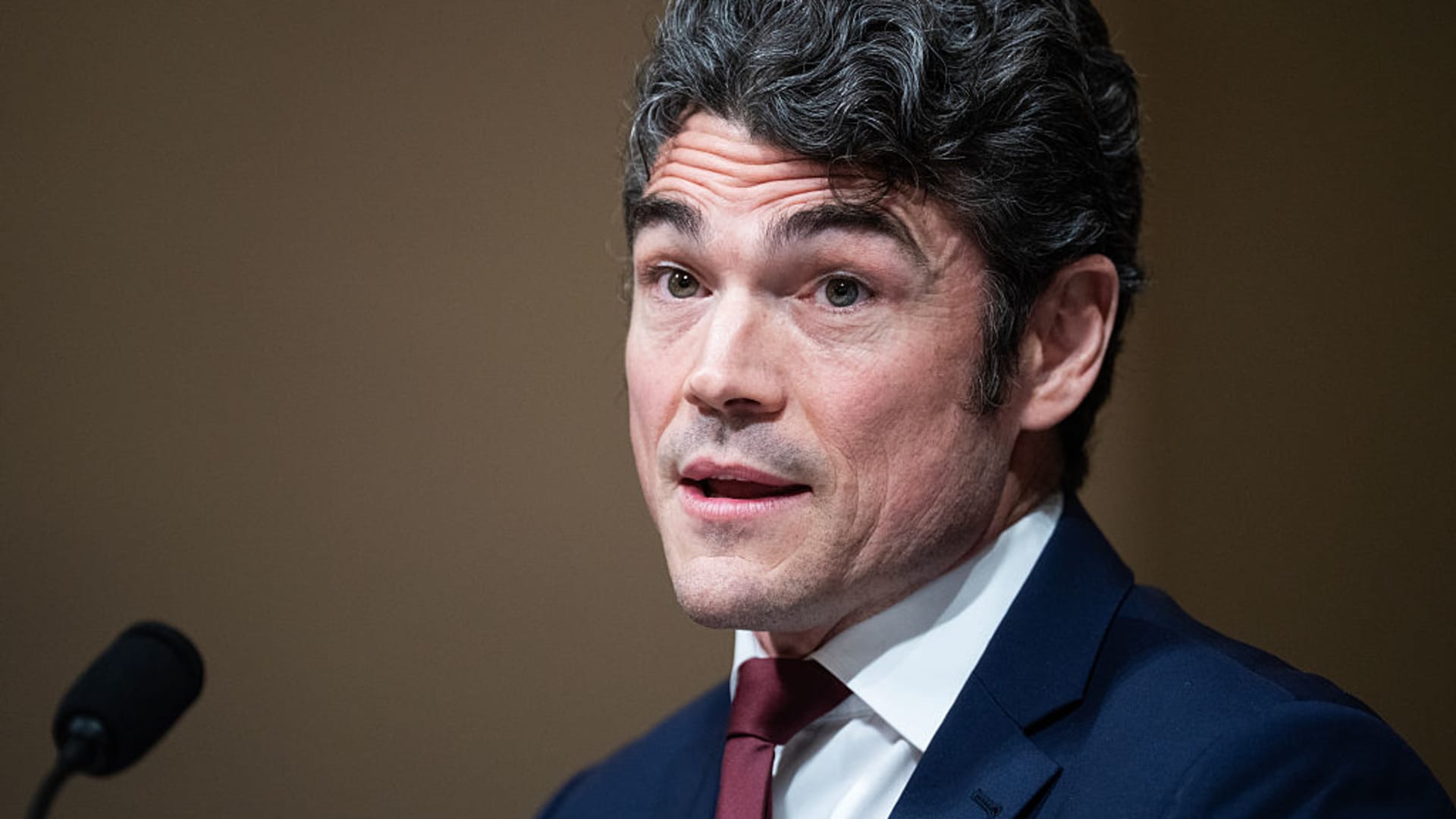
National Counterterrorism Center Director Joe Kent Resigns

- Resignation Announcement: Joe Kent, the director of the National Counterterrorism Center, announced his resignation via personal social media, stating he cannot in good conscience support the Trump administration's war against Iran, reflecting internal dissent and policy disagreements.
- War Context: In his letter, Kent accused Trump of being misled by Israel, asserting that Iran posed no imminent threat to the U.S., highlighting the influence of Israeli lobbying on U.S. foreign policy decisions.
- Position Impact: Kent's resignation could significantly affect U.S. counterterrorism and counternarcotics efforts, particularly amid rising international tensions, potentially leading to major shifts in policy direction.
- Government Response: The White House and the National Counterterrorism Center have not yet responded to the incident, indicating the complexities and challenges the government faces in managing internal dissent and external pressures.
See More
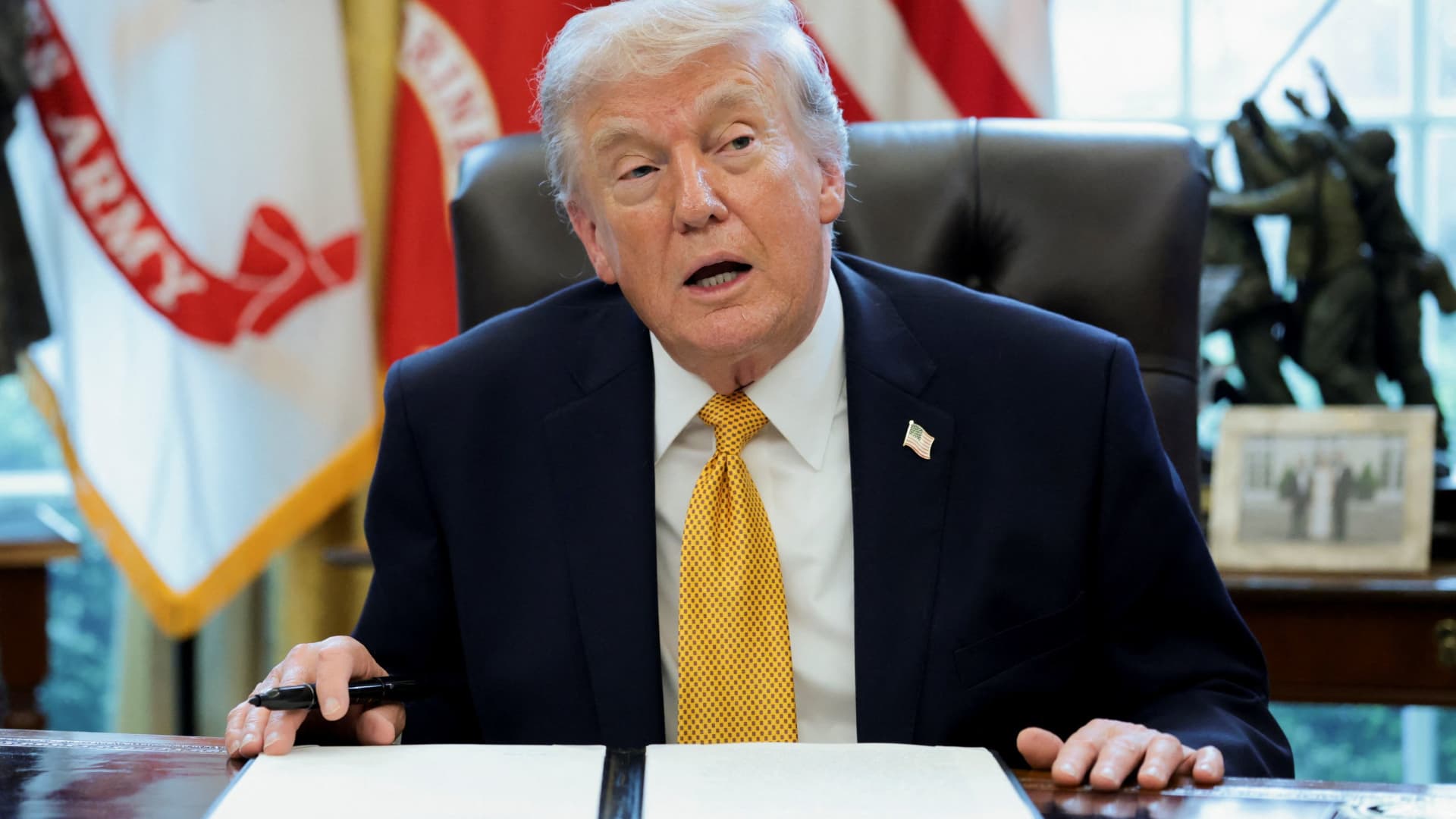
Trump Delays Meeting with Xi Jinping

- Meeting Postponed: Trump announced that the U.S. has requested to delay his planned meeting with Chinese President Xi Jinping, originally set for late March in Beijing, by about a month due to the ongoing war with Iran, highlighting the impact of current international tensions on diplomatic engagements.
- War Impact: Trump emphasized the need to remain in the U.S. due to the war, expressing a desire to resolve tensions with Iran before meeting Xi, which indicates the prioritization of domestic issues in U.S. foreign policy considerations.
- China's Role: Trump mentioned that China, as a major buyer of Iranian oil, should assist the U.S. in breaking the de facto blockade of the Strait of Hormuz, reflecting expectations for a more proactive Chinese role in Middle Eastern affairs.
- Official Clarification: Senior officials clarified that the postponement is primarily for logistical reasons rather than a demand for China to intervene in the Strait of Hormuz, which helps mitigate misunderstandings regarding U.S. diplomatic strategies.
See More
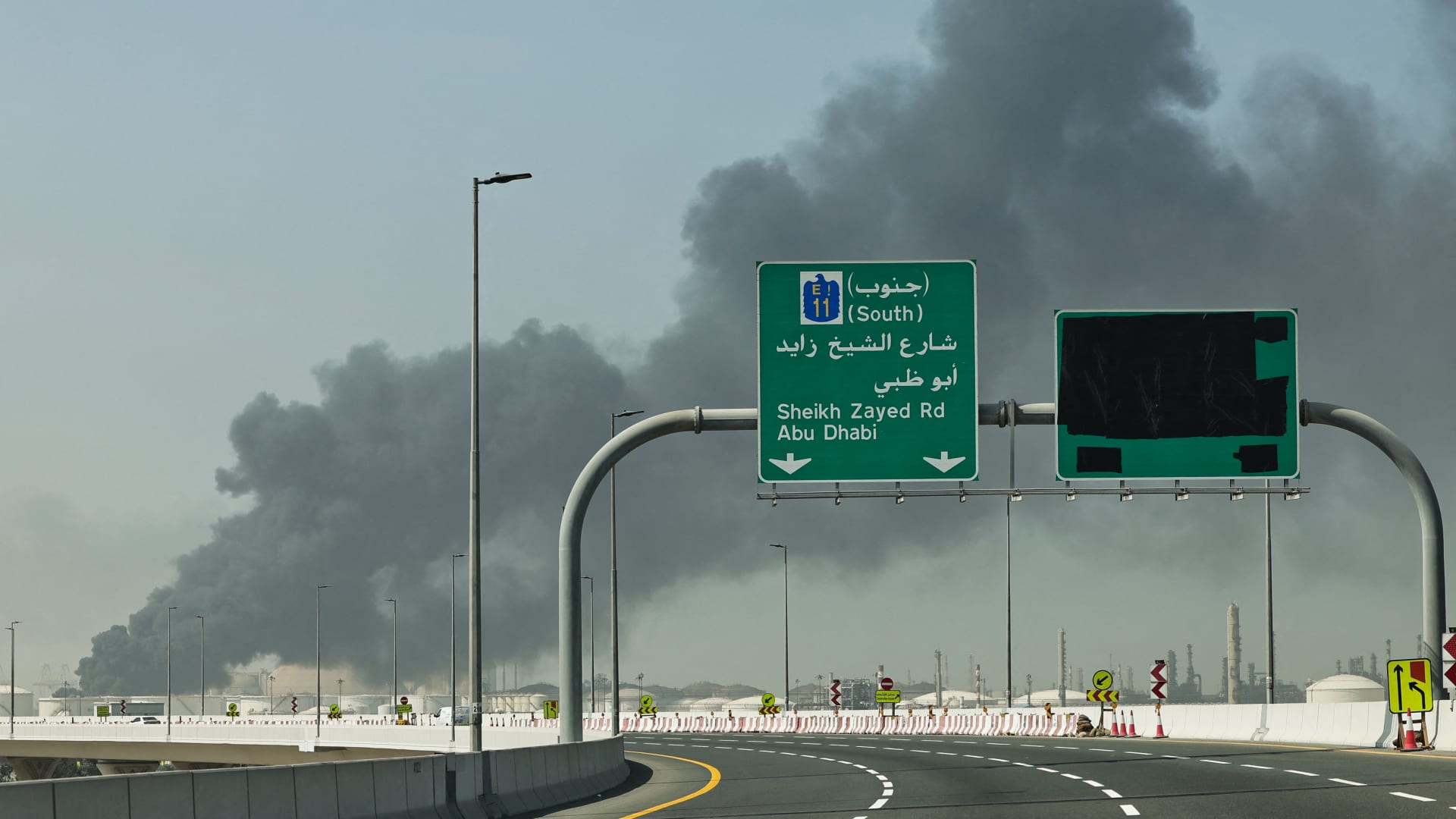
Iran's Strikes on UAE: Significant Regional Impact


- Defense Capability Enhancement: The UAE has successfully intercepted over 90% of incoming missiles and drones during the conflict with Iran, with official data showing that as of March 12, 268 ballistic missiles, 15 cruise missiles, and 1,514 drones were intercepted, although this has resulted in 6 fatalities and 131 injuries, highlighting the pressure and challenges faced by the defense systems.
- Economic Centers Under Threat: Iran's strikes have significantly impacted life in the UAE, with residents in Dubai and Abu Dhabi frequently hearing explosions; despite government efforts to maintain 'business as usual', several international banks have pulled employees, reflecting concerns over economic security.
- Strengthened Strategic Alliance: The UAE's defense cooperation with the U.S. was further deepened in 2024, designating it as a major defense partner, particularly in artificial intelligence technology and investment, making this partnership crucial in the current situation.
- Energy Infrastructure Risks: The Abu Dhabi National Oil Company's Ruwais refinery was shut down due to a drone strike, indicating a direct threat to energy infrastructure from Iran, which could disrupt global energy supply chains and exacerbate market uncertainties.
See More
General Dynamics Electric Boat Secures $15.38B Contract Modification
- Massive Contract Award: General Dynamics Electric Boat has secured a $15.38 billion cost-plus contract modification to support the execution of the Columbia-class ballistic missile submarine program, significantly bolstering the company's defense business.
- Clear Funding Allocation: The FY26 national sea-based deterrence fund totals $3.07 billion, accounting for 95% of the budget, while the FY25 maritime industrial base receives $74 million, indicating the government's prioritization of sea-based deterrence capabilities.
- Project Completion Timeline: Work on the project is expected to be completed by June 2035, providing the company with long-term revenue assurance and reflecting the complexity and longevity of defense projects.
- Contract Management Authority: The contract is managed by the Naval Sea Systems Command in Washington, D.C., demonstrating the U.S. Navy's trust and reliance on General Dynamics Electric Boat in the defense sector.
See More
Israel Assassinated Iran's Intelligence Minister in Targeted Strike
- High-Ranking Officials Targeted: The Israeli Defense Forces reported the assassination of Iran's Intelligence Minister Esmail Khatib in Tehran, marking the third high-ranking official killed in just two days, highlighting the severe internal security situation in Iran.
- Role in Protests: Khatib played a significant role during recent protests, including the arrest and killing of demonstrators, which may further tarnish Iran's international reputation and provoke additional sanctions.
- Iran's Retaliatory Actions: Following Khatib's death, Iran retaliated by attacking its Gulf neighbors and targeting ships in the strategically vital Strait of Hormuz, escalating tensions in the region.
- Assassination of Security Officials: Prior to Khatib's assassination, Iran's top security official Ali Larijani and his aides were also killed, indicating Israel's ongoing campaign against Iranian leadership, which could lead to instability within the Iranian government.
See More
Trump Criticizes NATO Allies for Reluctance in Iran War
- Trump's NATO Criticism: During a meeting with the Irish Prime Minister, Trump criticized NATO allies for their reluctance to engage in the Iran war, labeling it a “foolish mistake,” which could strain U.S.-NATO relations further.
- U.S. Independence from NATO: Trump asserted that the U.S. does not require NATO's assistance in its military operations in Iran, claiming that recent military successes have made such support unnecessary, potentially diminishing NATO members' willingness to support U.S. initiatives.
- Oil Price Surge: Following Trump's remarks, oil prices rose sharply, indicating market skepticism regarding the likelihood of a multistate coalition reopening the vital Strait of Hormuz, which could destabilize global oil markets.
- Potential Delay in U.S.-China Summit: Trump suggested that his anticipated meeting with President Xi Jinping might be postponed, reflecting the complexities of international relations amid the Iran war and ongoing U.S. investigations into Chinese trade practices.
See More
National Counterterrorism Center Director Joe Kent Resigns
- Resignation Announcement: Joe Kent, the director of the National Counterterrorism Center, announced his resignation via personal social media, stating he cannot in good conscience support the Trump administration's war against Iran, reflecting internal dissent and policy disagreements.
- War Context: In his letter, Kent accused Trump of being misled by Israel, asserting that Iran posed no imminent threat to the U.S., highlighting the influence of Israeli lobbying on U.S. foreign policy decisions.
- Position Impact: Kent's resignation could significantly affect U.S. counterterrorism and counternarcotics efforts, particularly amid rising international tensions, potentially leading to major shifts in policy direction.
- Government Response: The White House and the National Counterterrorism Center have not yet responded to the incident, indicating the complexities and challenges the government faces in managing internal dissent and external pressures.
See More
Trump Delays Meeting with Xi Jinping
- Meeting Postponed: Trump announced that the U.S. has requested to delay his planned meeting with Chinese President Xi Jinping, originally set for late March in Beijing, by about a month due to the ongoing war with Iran, highlighting the impact of current international tensions on diplomatic engagements.
- War Impact: Trump emphasized the need to remain in the U.S. due to the war, expressing a desire to resolve tensions with Iran before meeting Xi, which indicates the prioritization of domestic issues in U.S. foreign policy considerations.
- China's Role: Trump mentioned that China, as a major buyer of Iranian oil, should assist the U.S. in breaking the de facto blockade of the Strait of Hormuz, reflecting expectations for a more proactive Chinese role in Middle Eastern affairs.
- Official Clarification: Senior officials clarified that the postponement is primarily for logistical reasons rather than a demand for China to intervene in the Strait of Hormuz, which helps mitigate misunderstandings regarding U.S. diplomatic strategies.
See More
Iran's Strikes on UAE: Significant Regional Impact
- Defense Capability Enhancement: The UAE has successfully intercepted over 90% of incoming missiles and drones during the conflict with Iran, with official data showing that as of March 12, 268 ballistic missiles, 15 cruise missiles, and 1,514 drones were intercepted, although this has resulted in 6 fatalities and 131 injuries, highlighting the pressure and challenges faced by the defense systems.
- Economic Centers Under Threat: Iran's strikes have significantly impacted life in the UAE, with residents in Dubai and Abu Dhabi frequently hearing explosions; despite government efforts to maintain 'business as usual', several international banks have pulled employees, reflecting concerns over economic security.
- Strengthened Strategic Alliance: The UAE's defense cooperation with the U.S. was further deepened in 2024, designating it as a major defense partner, particularly in artificial intelligence technology and investment, making this partnership crucial in the current situation.
- Energy Infrastructure Risks: The Abu Dhabi National Oil Company's Ruwais refinery was shut down due to a drone strike, indicating a direct threat to energy infrastructure from Iran, which could disrupt global energy supply chains and exacerbate market uncertainties.
See More