Alibaba Reports Q2 FY2025: Revenue Up 2%, Net Income Down 66%
Written by Emily J. Thompson, Senior Investment Analyst
Updated: Mar 19 2026
0mins
Source: Newsfilter
- Revenue Growth: Alibaba's revenue for Q2 FY2025 reached RMB 284.84 billion (approximately USD 40.73 billion), marking a 2% year-over-year increase, and a 9% increase on a like-for-like basis excluding disposed businesses, indicating resilience in core operations.
- Significant Net Income Decline: Net income fell to RMB 15.63 billion (approximately USD 2.24 billion), a 66% decrease year-over-year, primarily due to a 74% drop in operating income, reflecting the pressure from investments in the quick commerce sector.
- Strong Cloud Business Performance: The Cloud Intelligence Group generated revenue of RMB 43.28 billion (approximately USD 6.19 billion), a 36% year-over-year increase, with AI-related product revenue achieving triple-digit growth for the tenth consecutive quarter, showcasing the returns from ongoing investments in cloud and AI.
- Deteriorating Cash Flow: Net cash provided by operating activities was RMB 36.03 billion (approximately USD 5.15 billion), down 49% year-over-year, while free cash flow dropped to RMB 11.35 billion (approximately USD 1.62 billion), a 71% decline, primarily impacted by investments in quick commerce, highlighting challenges in liquidity management.
Trade with 70% Backtested Accuracy
Stop guessing "Should I Buy BABA?" and start using high-conviction signals backed by rigorous historical data.
Sign up today to access powerful investing tools and make smarter, data-driven decisions.
Analyst Views on BABA
Wall Street analysts forecast BABA stock price to rise
15 Analyst Rating
15 Buy
0 Hold
0 Sell
Strong Buy
Current: 125.400

Low
180.00
Averages
203.09
High
230.00
Current: 125.400
Low
180.00
Averages
203.09
High
230.00
About BABA
Alibaba Group Holding Ltd is an investment holding company mainly engaged in the provision of technology infrastructure and marketing platforms. The Company operates its business through four segments. The Alibaba China E-commerce Group segment is mainly engaged in E-commerce business, including operating Tmall Supermarket and Tmall Global, providing customer management services, product sales, as well as logistics services. It also operates quick commerce business such as Taobao Instant Commerce and Ele.me, as well as the China commerce wholesale business through 1688.com. The Alibaba International Digital Commerce Group segment is mainly engaged in international commerce retail and wholesale business, operating platforms such as AliExpress, Trendyol, Lazada and Alibaba.com. The Cloud Intelligence Group segment mainly provides public and non-public cloud services. The Other segments primarily include the operations of Freshippo, Cainiao, Alibaba Health and other business.
About the author

Emily J. Thompson
Emily J. Thompson, a Chartered Financial Analyst (CFA) with 12 years in investment research, graduated with honors from the Wharton School. Specializing in industrial and technology stocks, she provides in-depth analysis for Intellectia’s earnings and market brief reports.
China's Tech Self-Sufficiency Accelerates


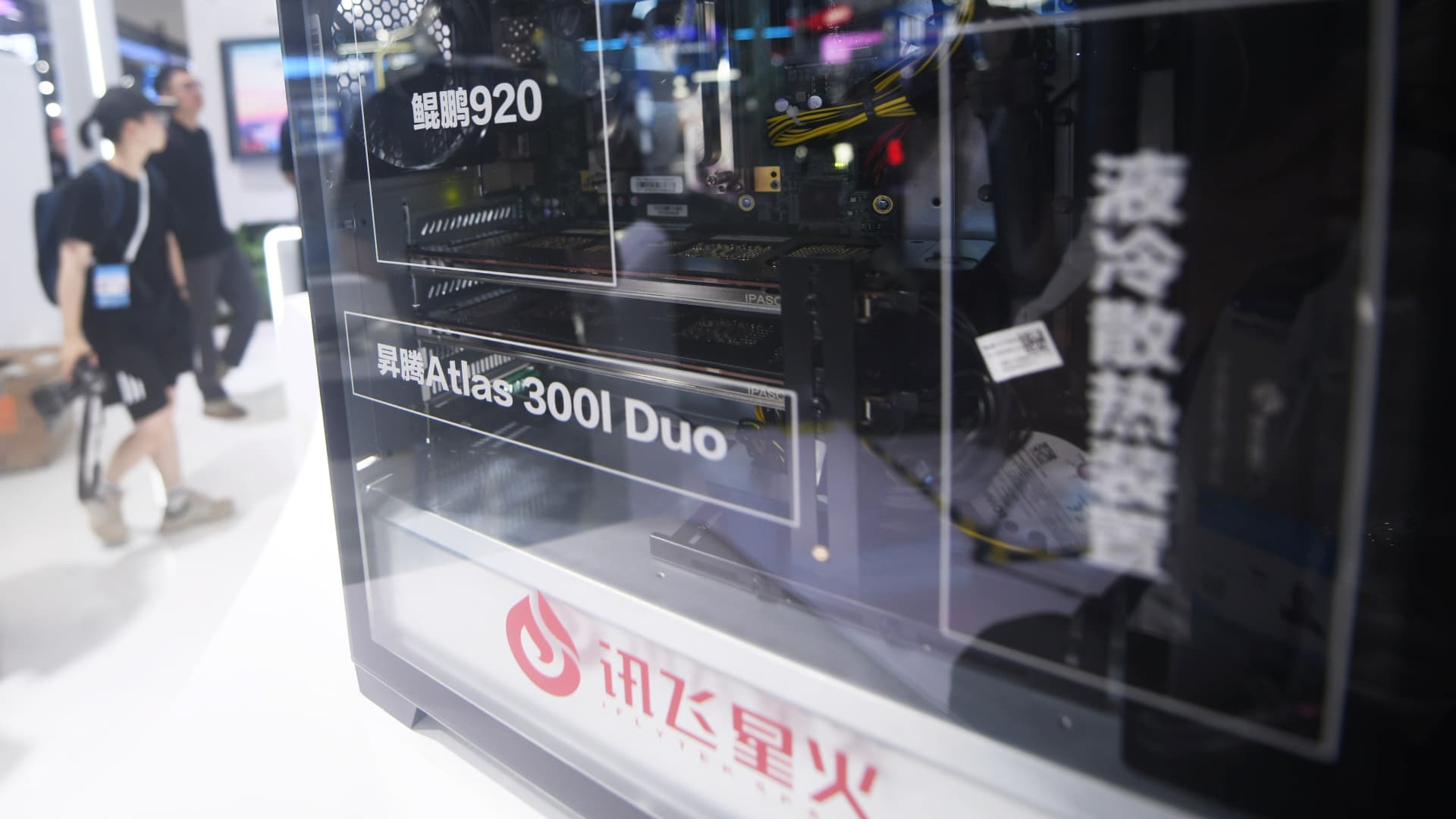
- Diversified Chip Supply: Zelostech plans to utilize multiple chip suppliers from China and abroad over the next year, moving away from reliance on Nvidia chips, which will significantly reduce costs for its self-driving systems and enhance market competitiveness.
- Vehicle Scale Expansion: Currently operating over 25,000 vehicles across more than 20 countries primarily for logistics, Zelostech aims for rapid expansion, which will greatly enhance its data collection capabilities in the autonomous driving sector and strengthen its industry influence.
- Domestic Chip Adoption: Chinese EV manufacturers like Nio and BYD are increasing investments in their own semiconductors, with Nio planning a fivefold increase in computing power spending, indicating a strong push to reduce dependence on Nvidia and promote local technology development.
- Technological Collaboration and Innovation: Huawei is adopting new scientific methods for chip development and plans to incorporate them into future products, signaling a resurgence for Chinese tech giants under U.S. restrictions, potentially accelerating the application and development of domestic chips.
See More

SpaceX IPO to Reserve Shares for Employees


- Employee Share Program: SpaceX reserves up to 5% of its IPO stock for 'certain employees and persons,' aiming to enhance employee engagement and loyalty, which could positively impact overall company morale and market performance.
- Fundraising Target: The IPO is expected to raise up to $75 billion, reflecting strong market demand and investor confidence, potentially making it the largest tech IPO in history, following SpaceX's earlier valuation of $1.25 trillion.
- Underwriter Role: Morgan Stanley, as the underwriter for the IPO, will manage SpaceX's direct share program, allowing employees and select individuals to participate without lock-up restrictions, thereby strengthening the relationship between the company and its investors.
- Market Expectations: SpaceX's roadshow could commence this week, with a potential Nasdaq debut around June 12, positioning it to become the third tech company to exceed a $100 billion valuation on its first day of trading in the U.S., following Facebook and Alibaba.
See More
SpaceX Reveals IPO Details with Direct Share Program


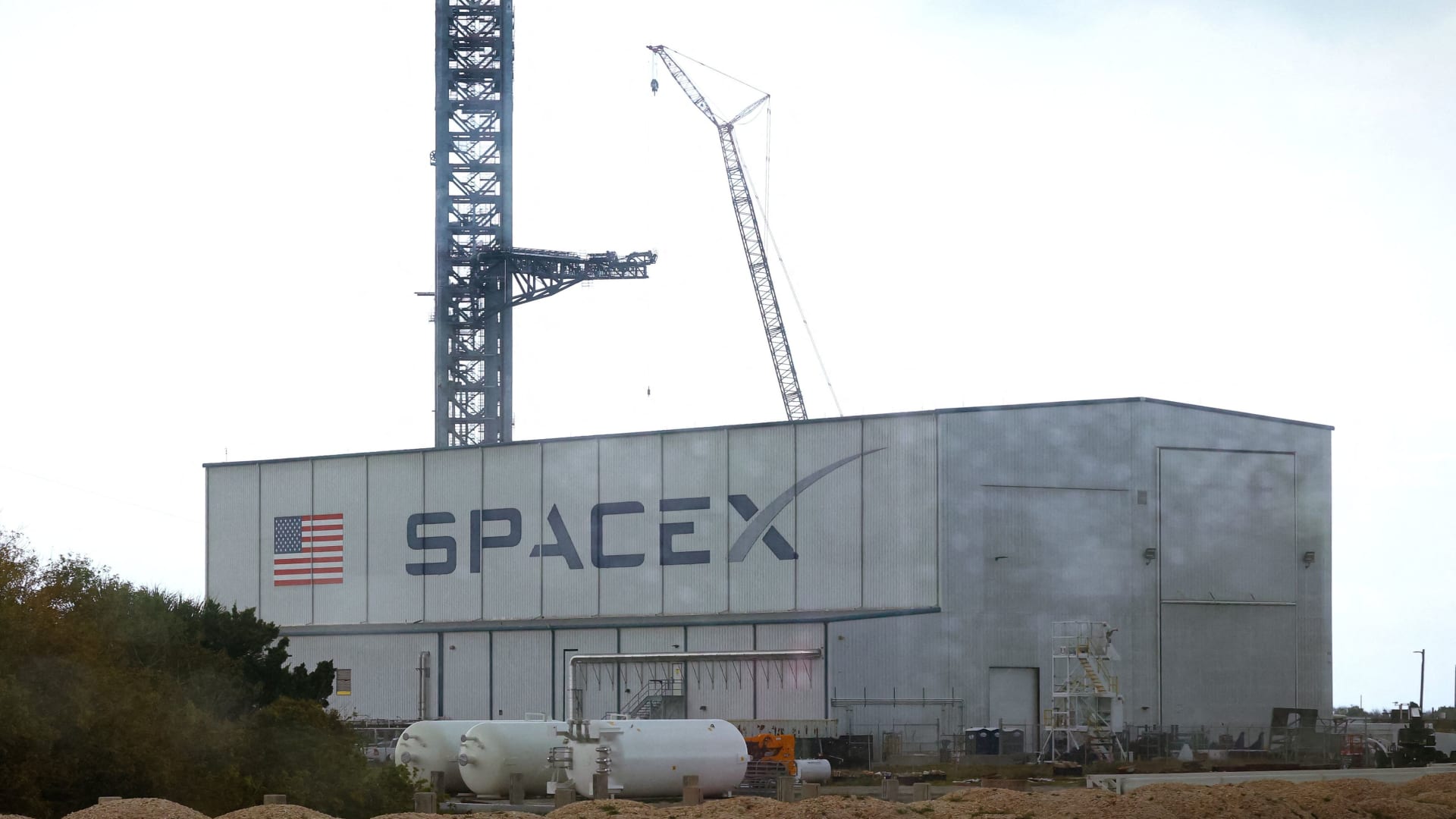
- IPO Scale: SpaceX aims to raise up to $75 billion through its IPO, potentially setting a record, reflecting strong market confidence after its valuation reached $1.25 trillion post-merger with xAI, indicating robust growth prospects.
- Direct Share Program: The company reserves up to 5% of shares for 'certain employees and persons' in a direct share program, allowing employees to benefit from the IPO, breaking the traditional investor monopoly and enhancing employee engagement and loyalty.
- Partnership with Anthropic: SpaceX's agreement with Anthropic involves $1.25 billion monthly payments, with the potential for termination after six months, which could impact revenue stability and requires close monitoring of future developments.
- Market Expectations and Competition: SpaceX's roadshow may start this week, with a potential Nasdaq debut on June 12, and Morgan Stanley managing the direct share program, highlighting significant market interest while facing competition from other tech firms.
See More
Softbank's Masayoshi Son Sees Trillion-Dollar Opportunity in Physical AI and Robotics

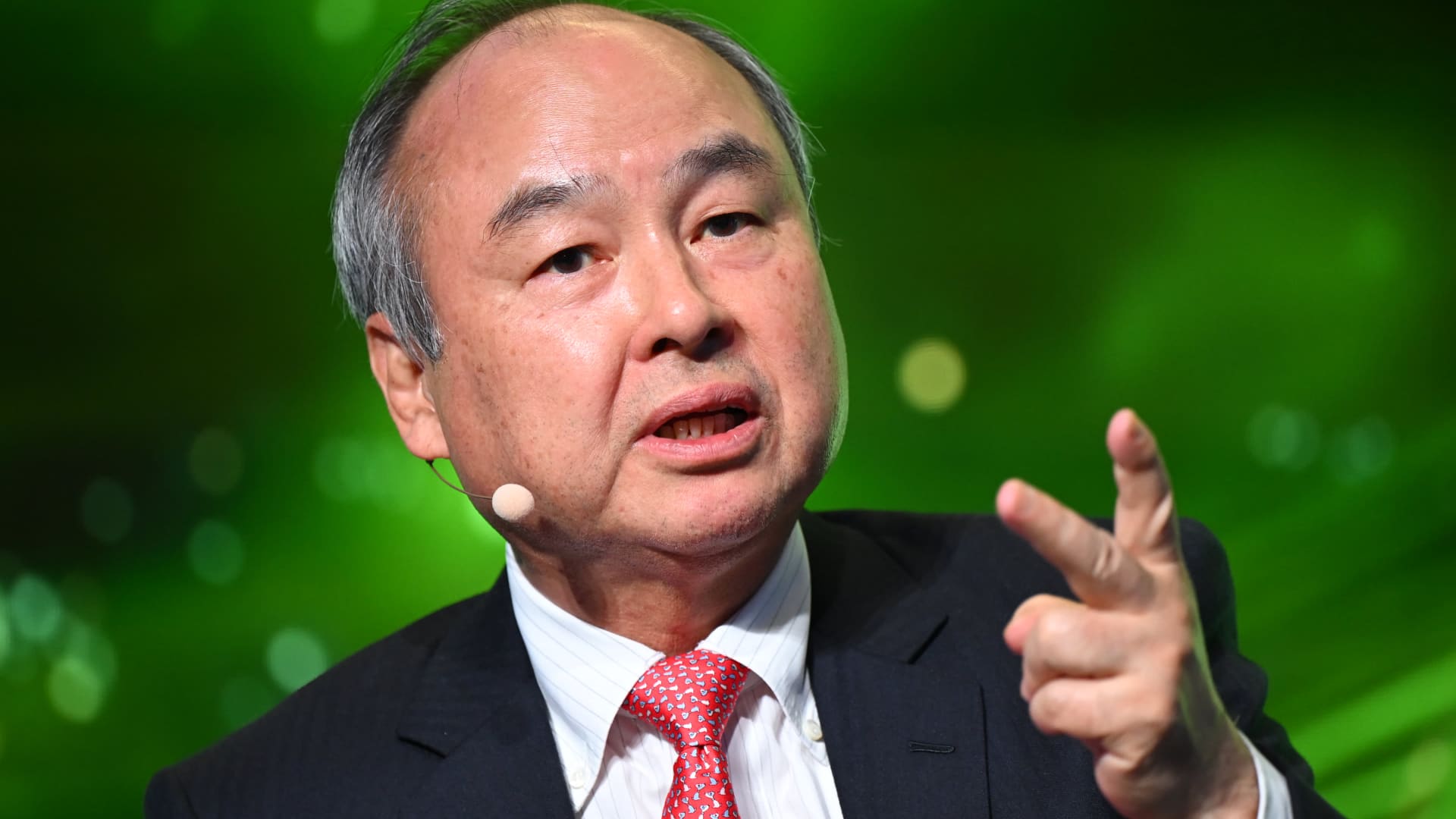
- New Investment Opportunities: Softbank's CEO Masayoshi Son has identified physical AI and robotics as the next trillion-dollar business opportunity, indicating the company's forward-looking strategy and confidence in future markets.
- Capital Deployment: Softbank's landmark investments in Alibaba, OpenAI, and ARM have transformed it into an AI platform, allowing it to surpass Toyota as Japan's most valuable company, showcasing its influence in the global tech market.
- Infrastructure Investment: Softbank plans to invest $75 billion in AI infrastructure in France, including 5 GW of AI data center capacity, aimed at enhancing its competitiveness and market share in the global AI sector.
- Market Outlook: Son believes AI's potential is 50 times greater than the dot-com bubble, asserting that while market corrections may occur, they will present the best investment opportunities, emphasizing the strategic significance of long-term investments.
See More
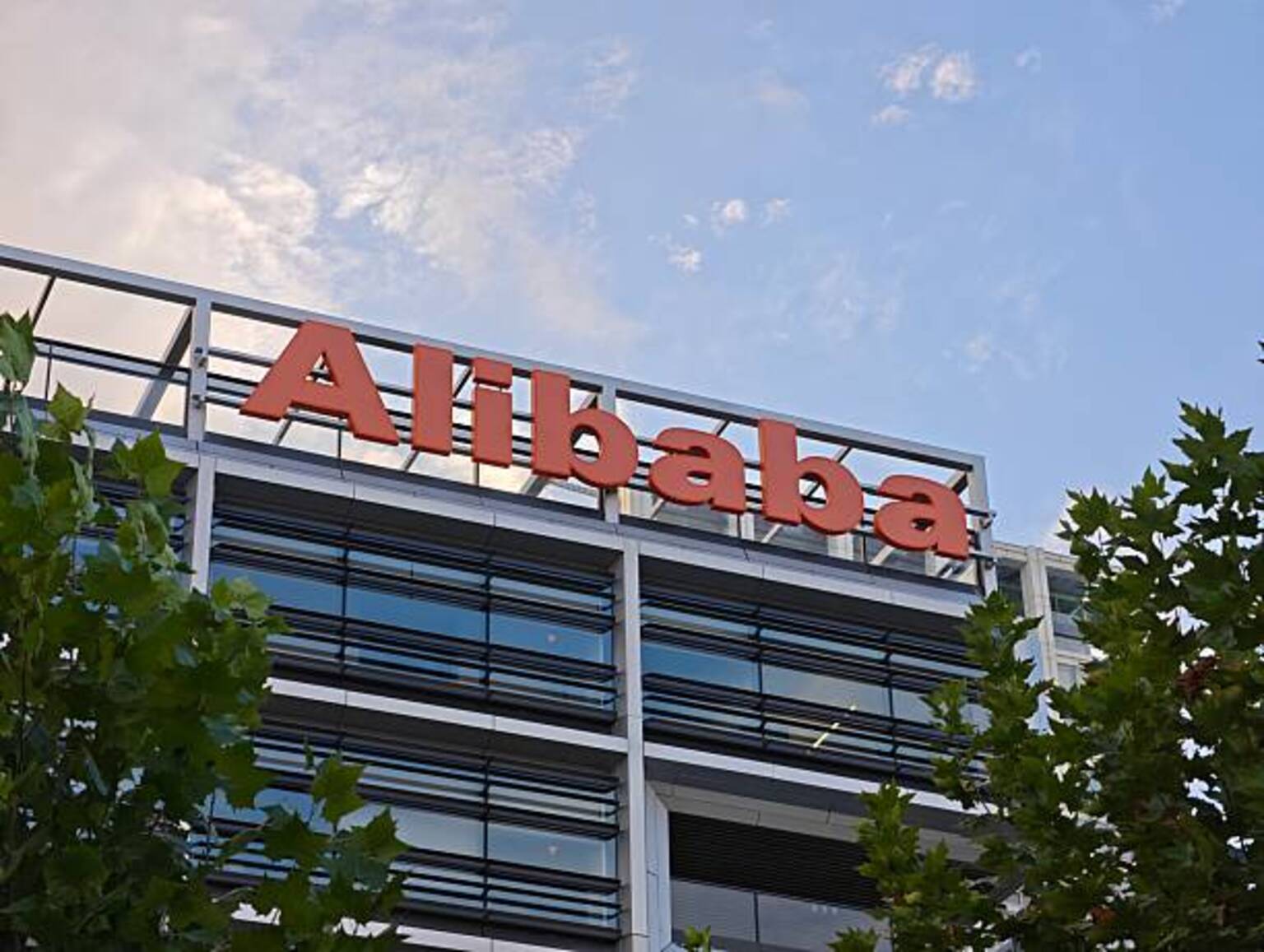
Alibaba Stock Declines Amid AI Expansion and Travel Restrictions
- Stock Decline: Alibaba (BABA) shares fell nearly 4% over the past week to around $124.46, marking a 15.1% drop in 2026, significantly underperforming the S&P 500's 10.49% gain, indicating investor concerns over the company's profitability.
- Policy Impact: China's tightening of overseas travel restrictions for AI professionals, affecting firms like Alibaba and DeepSeek, reflects Beijing's intent to protect strategic AI technologies amid escalating U.S.-China tensions, leading to a cautious investor sentiment.
- AI Chip Launch: Alibaba's semiconductor unit, T-Head, launched the “Zhenwu M890” AI chip, boasting 3x better performance than its predecessor, with over 560K units shipped across 20 industries, showcasing the company's aggressive expansion in the AI ecosystem.
- Deteriorating Financials: Despite the surge in AI and cloud spending, Alibaba's free cash flow swung from a positive RMB 73.87B to a negative RMB 46.61B, with quarterly operating results showing an RMB 848M loss, highlighting ongoing market concerns regarding its profitability.
See More
US-Iran Conflict Escalates, Oil Prices Surge Amid Economic Uncertainty

- Escalation of US-Iran Conflict: Following weeks of paused action, the US and Iran have resumed airstrikes, complicating hopes for a permanent resolution to the conflict, which is impacting global oil supplies and market sentiment.
- Strong Stock Market Performance: Despite rising geopolitical tensions, both the S&P 500 and Nasdaq Composite closed at record highs, primarily driven by a surge in AI-related stocks, indicating strong market confidence in the technology sector.
- Oil Price Warning: ExxonMobil has warned that oil inventories are on track to reach dangerously low levels in the coming weeks, forcing prices to spike and curbing demand, reflecting market concerns over energy supply.
- Wealthy Investors Pulling Out: According to the UBS Global Family Office Report, 60% of family offices plan to adjust their investment allocations in the next year, with many reducing US holdings and increasing exposure to emerging markets, highlighting a growing trend of 'de-dollarization'.
See More
China's Tech Self-Sufficiency Accelerates
- Diversified Chip Supply: Zelostech plans to utilize multiple chip suppliers from China and abroad over the next year, moving away from reliance on Nvidia chips, which will significantly reduce costs for its self-driving systems and enhance market competitiveness.
- Vehicle Scale Expansion: Currently operating over 25,000 vehicles across more than 20 countries primarily for logistics, Zelostech aims for rapid expansion, which will greatly enhance its data collection capabilities in the autonomous driving sector and strengthen its industry influence.
- Domestic Chip Adoption: Chinese EV manufacturers like Nio and BYD are increasing investments in their own semiconductors, with Nio planning a fivefold increase in computing power spending, indicating a strong push to reduce dependence on Nvidia and promote local technology development.
- Technological Collaboration and Innovation: Huawei is adopting new scientific methods for chip development and plans to incorporate them into future products, signaling a resurgence for Chinese tech giants under U.S. restrictions, potentially accelerating the application and development of domestic chips.
See More
SpaceX IPO to Reserve Shares for Employees
- Employee Share Program: SpaceX reserves up to 5% of its IPO stock for 'certain employees and persons,' aiming to enhance employee engagement and loyalty, which could positively impact overall company morale and market performance.
- Fundraising Target: The IPO is expected to raise up to $75 billion, reflecting strong market demand and investor confidence, potentially making it the largest tech IPO in history, following SpaceX's earlier valuation of $1.25 trillion.
- Underwriter Role: Morgan Stanley, as the underwriter for the IPO, will manage SpaceX's direct share program, allowing employees and select individuals to participate without lock-up restrictions, thereby strengthening the relationship between the company and its investors.
- Market Expectations: SpaceX's roadshow could commence this week, with a potential Nasdaq debut around June 12, positioning it to become the third tech company to exceed a $100 billion valuation on its first day of trading in the U.S., following Facebook and Alibaba.
See More
SpaceX Reveals IPO Details with Direct Share Program
- IPO Scale: SpaceX aims to raise up to $75 billion through its IPO, potentially setting a record, reflecting strong market confidence after its valuation reached $1.25 trillion post-merger with xAI, indicating robust growth prospects.
- Direct Share Program: The company reserves up to 5% of shares for 'certain employees and persons' in a direct share program, allowing employees to benefit from the IPO, breaking the traditional investor monopoly and enhancing employee engagement and loyalty.
- Partnership with Anthropic: SpaceX's agreement with Anthropic involves $1.25 billion monthly payments, with the potential for termination after six months, which could impact revenue stability and requires close monitoring of future developments.
- Market Expectations and Competition: SpaceX's roadshow may start this week, with a potential Nasdaq debut on June 12, and Morgan Stanley managing the direct share program, highlighting significant market interest while facing competition from other tech firms.
See More
Softbank's Masayoshi Son Sees Trillion-Dollar Opportunity in Physical AI and Robotics
- New Investment Opportunities: Softbank's CEO Masayoshi Son has identified physical AI and robotics as the next trillion-dollar business opportunity, indicating the company's forward-looking strategy and confidence in future markets.
- Capital Deployment: Softbank's landmark investments in Alibaba, OpenAI, and ARM have transformed it into an AI platform, allowing it to surpass Toyota as Japan's most valuable company, showcasing its influence in the global tech market.
- Infrastructure Investment: Softbank plans to invest $75 billion in AI infrastructure in France, including 5 GW of AI data center capacity, aimed at enhancing its competitiveness and market share in the global AI sector.
- Market Outlook: Son believes AI's potential is 50 times greater than the dot-com bubble, asserting that while market corrections may occur, they will present the best investment opportunities, emphasizing the strategic significance of long-term investments.
See More
Alibaba Stock Declines Amid AI Expansion and Travel Restrictions
- Stock Decline: Alibaba (BABA) shares fell nearly 4% over the past week to around $124.46, marking a 15.1% drop in 2026, significantly underperforming the S&P 500's 10.49% gain, indicating investor concerns over the company's profitability.
- Policy Impact: China's tightening of overseas travel restrictions for AI professionals, affecting firms like Alibaba and DeepSeek, reflects Beijing's intent to protect strategic AI technologies amid escalating U.S.-China tensions, leading to a cautious investor sentiment.
- AI Chip Launch: Alibaba's semiconductor unit, T-Head, launched the “Zhenwu M890” AI chip, boasting 3x better performance than its predecessor, with over 560K units shipped across 20 industries, showcasing the company's aggressive expansion in the AI ecosystem.
- Deteriorating Financials: Despite the surge in AI and cloud spending, Alibaba's free cash flow swung from a positive RMB 73.87B to a negative RMB 46.61B, with quarterly operating results showing an RMB 848M loss, highlighting ongoing market concerns regarding its profitability.
See More
US-Iran Conflict Escalates, Oil Prices Surge Amid Economic Uncertainty
- Escalation of US-Iran Conflict: Following weeks of paused action, the US and Iran have resumed airstrikes, complicating hopes for a permanent resolution to the conflict, which is impacting global oil supplies and market sentiment.
- Strong Stock Market Performance: Despite rising geopolitical tensions, both the S&P 500 and Nasdaq Composite closed at record highs, primarily driven by a surge in AI-related stocks, indicating strong market confidence in the technology sector.
- Oil Price Warning: ExxonMobil has warned that oil inventories are on track to reach dangerously low levels in the coming weeks, forcing prices to spike and curbing demand, reflecting market concerns over energy supply.
- Wealthy Investors Pulling Out: According to the UBS Global Family Office Report, 60% of family offices plan to adjust their investment allocations in the next year, with many reducing US holdings and increasing exposure to emerging markets, highlighting a growing trend of 'de-dollarization'.
See More