Foxconn's AI Server Sales Surpass iPhones, Promises OpenAI Update Next Week

Strong Earnings Report: Foxconn reported a 17% year-over-year profit increase to $1.89 billion for Q3, surpassing analyst expectations, primarily driven by demand for AI servers.
Shift in Revenue Sources: For the second consecutive quarter, Foxconn's cloud and networking unit, which includes AI servers, generated more revenue than its smartphone and consumer products unit, indicating a trend in tech spending.
Future Outlook: Foxconn anticipates continued growth in AI-related revenue for Q4 and expresses optimism about AI demand through 2026, despite caution regarding currency risks and geopolitical pressures.
Upcoming Announcement: Foxconn plans to hold a tech event in Taipei next week, where Chairman Young Liu hinted at a potential collaboration with OpenAI, although details remain undisclosed.
Trade with 70% Backtested Accuracy
Analyst Views on GOOG

About GOOG
About the author


Google Adjusts Gemini Pricing Strategy for Developers

- Diverse Pricing Strategy: Google has introduced multiple pricing tiers for Gemini, including Standard, Flex, Priority, Batch, and Caching, aimed at providing developers with more flexible spending control based on their specific needs, thereby enhancing user experience and market competitiveness.
- Flex Tier Benefits: The Flex tier allows developers to run tasks at about a 50% discount during off-peak hours, with processing times ranging from 1 to 15 minutes, a strategy that not only reduces costs but also attracts users with less stringent speed requirements.
- Priority Tier Costs: The Priority tier is designed for applications requiring instant responses, such as chatbots and fraud detection systems, costing 75% to 100% more than the standard tier, indicating Google's willingness to provide higher service quality for high-demand applications.
- Batch Option: The Batch option, while taking up to 24 hours for processing, also offers significant cost savings, making it suitable for scenarios involving large data processing, further enriching Gemini's product offerings to meet diverse customer needs.

Emerging Tech Stars in the Market


- TSMC's AI Potential: Taiwan Semiconductor Manufacturing (TSM), a global leader in chip manufacturing, holds a market cap of $1.8 trillion and is poised to benefit from broad market demand in AI chip production, particularly in smartphones and personal computers over the coming years.
- Broadcom's Custom Chip Advantage: Broadcom (AVGO) forecasts over $100 billion in AI chip revenue by 2027, successfully carving out a niche in the AI market with its custom chips designed for specific tasks, reflecting strong customer demand and market potential.
- Nebius Group's Rapid Growth: Nebius Group (NBIS) focuses on AI workloads, achieving annual recurring revenue of $1.25 billion in the recent year, with expectations to rise to $7 billion to $9 billion this year, showcasing its strong growth potential in the cloud computing sector.
- Market Environment Challenges: Despite concerns about the economy and geopolitical factors affecting the Magnificent Seven tech stocks, emerging companies like TSMC, Broadcom, and Nebius Group demonstrate robust growth potential, positioning themselves as future market leaders.

Future Outlook for the Magnificent Seven Tech Stocks


- Tech Stock Performance Review: The remarkable growth of the S&P 500 over the past few years is partly attributed to the 'Magnificent Seven' tech stocks—Apple, Alphabet, Amazon, Meta Platforms, Microsoft, Nvidia, and Tesla—which have become household names due to their impressive growth.
- AI Market Concerns: Despite their strong past performance, these tech giants have recently faced stagnation or declines in stock prices amid concerns about the artificial intelligence (AI) revenue opportunities and uncertainties in the economic and geopolitical landscape, reflecting market caution regarding future growth.
- Potential Replacement Stocks: In light of the challenges facing the 'Magnificent Seven', Taiwan Semiconductor Manufacturing, Broadcom, and Nebius Group are seen as potential replacements, with TSMC playing a crucial role in AI chip manufacturing and Nebius focusing on AI workloads, indicating strong growth potential.
- Nebius Group Growth Expectations: Nebius Group's annual recurring revenue reached $1.25 billion in the recent year, with expectations to grow to between $7 billion and $9 billion in the coming year, highlighting its strong demand and growth prospects in the AI market.

Google's Breakthrough Algorithm Shakes Memory Chip Market


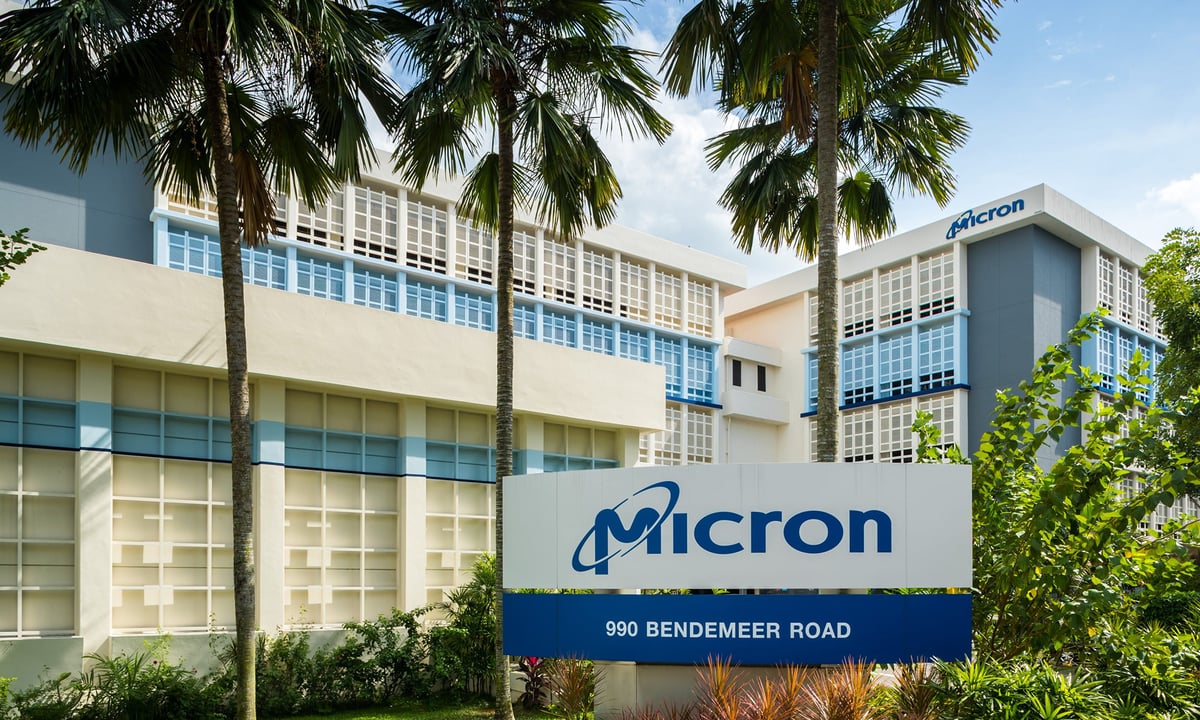
- Memory Demand Shift: Google's TurboQuant algorithm reduces memory requirements for generative AI models by six times, triggering nearly a 20% drop in Micron and Sandisk stocks, indicating a drastic shift in market expectations for memory prices.
- Overreaction in Market: While efficiency gains may increase demand, Micron projects the high-bandwidth memory market to grow from $35 billion to $100 billion, suggesting that supply constraints remain, and the current stock decline could represent a buying opportunity.
- Open Source Impact: By open-sourcing the TurboQuant algorithm, Google allows all AI companies to leverage this breakthrough, potentially increasing demand for memory chips and further impacting market prices and supply chains.
- Cautious Investor Approach: Despite the panic triggered by TurboQuant news, investors should monitor consumer memory prices to assess whether Micron faces risks of falling product prices, remaining vigilant in their investment strategies.

Google Breakthrough Triggers Memory Stock Sell-off
- Significant Memory Demand Reduction: Google's TurboQuant algorithm reduces the memory required for generative AI by six times, leading to a nearly 20% drop in Micron's stock price and shaking confidence across the memory chip sector.
- Overreaction in the Market: Despite the potential for increased demand due to efficiency gains, the market's bearish reaction towards Micron seems excessive, especially as the company projects the high-bandwidth memory market to grow from $35 billion to $100 billion, indicating robust future demand.
- Impact of Jevons Paradox: As memory becomes more efficient, demand may actually rise, suggesting that Micron's market position might not be fundamentally threatened, potentially presenting a buying opportunity for investors.
- Cautious Investor Approach: While the TurboQuant breakthrough is significant, investors should monitor consumer memory prices to assess the risk of falling prices for Micron, remaining vigilant to avoid potential losses.

Google's TurboQuant Algorithm Triggers Memory Chip Market Volatility
- Algorithm Efficiency Boost: Google's TurboQuant algorithm reduces memory usage by at least 6x and speeds up processing by up to 8x without any accuracy loss, potentially decreasing memory demand by 83%.
- Market Reaction: Following this announcement, shares of memory chipmakers Micron Technology and Sandisk fell by 10% and 14%, respectively, as investors feared a significant drop in demand, although some experts caution that these fears may be overblown.
- Historical Insight: The Jevons Paradox suggests that increased efficiency can lower costs and ultimately increase demand; historical examples, such as improved fuel efficiency in cars leading to higher fuel consumption, indicate that memory chip demand may not decline as expected.
- Investment Opportunity: Despite the initial pullback in Micron and Sandisk stocks, analysts believe that the launch of TurboQuant will drive further AI adoption and strengthen demand for memory chips, with Mizuho analysts reiterating their outperform ratings, suggesting this is a buying opportunity.
Google Adjusts Gemini Pricing Strategy for Developers
- Diverse Pricing Strategy: Google has introduced multiple pricing tiers for Gemini, including Standard, Flex, Priority, Batch, and Caching, aimed at providing developers with more flexible spending control based on their specific needs, thereby enhancing user experience and market competitiveness.
- Flex Tier Benefits: The Flex tier allows developers to run tasks at about a 50% discount during off-peak hours, with processing times ranging from 1 to 15 minutes, a strategy that not only reduces costs but also attracts users with less stringent speed requirements.
- Priority Tier Costs: The Priority tier is designed for applications requiring instant responses, such as chatbots and fraud detection systems, costing 75% to 100% more than the standard tier, indicating Google's willingness to provide higher service quality for high-demand applications.
- Batch Option: The Batch option, while taking up to 24 hours for processing, also offers significant cost savings, making it suitable for scenarios involving large data processing, further enriching Gemini's product offerings to meet diverse customer needs.
Emerging Tech Stars in the Market
- TSMC's AI Potential: Taiwan Semiconductor Manufacturing (TSM), a global leader in chip manufacturing, holds a market cap of $1.8 trillion and is poised to benefit from broad market demand in AI chip production, particularly in smartphones and personal computers over the coming years.
- Broadcom's Custom Chip Advantage: Broadcom (AVGO) forecasts over $100 billion in AI chip revenue by 2027, successfully carving out a niche in the AI market with its custom chips designed for specific tasks, reflecting strong customer demand and market potential.
- Nebius Group's Rapid Growth: Nebius Group (NBIS) focuses on AI workloads, achieving annual recurring revenue of $1.25 billion in the recent year, with expectations to rise to $7 billion to $9 billion this year, showcasing its strong growth potential in the cloud computing sector.
- Market Environment Challenges: Despite concerns about the economy and geopolitical factors affecting the Magnificent Seven tech stocks, emerging companies like TSMC, Broadcom, and Nebius Group demonstrate robust growth potential, positioning themselves as future market leaders.
Future Outlook for the Magnificent Seven Tech Stocks
- Tech Stock Performance Review: The remarkable growth of the S&P 500 over the past few years is partly attributed to the 'Magnificent Seven' tech stocks—Apple, Alphabet, Amazon, Meta Platforms, Microsoft, Nvidia, and Tesla—which have become household names due to their impressive growth.
- AI Market Concerns: Despite their strong past performance, these tech giants have recently faced stagnation or declines in stock prices amid concerns about the artificial intelligence (AI) revenue opportunities and uncertainties in the economic and geopolitical landscape, reflecting market caution regarding future growth.
- Potential Replacement Stocks: In light of the challenges facing the 'Magnificent Seven', Taiwan Semiconductor Manufacturing, Broadcom, and Nebius Group are seen as potential replacements, with TSMC playing a crucial role in AI chip manufacturing and Nebius focusing on AI workloads, indicating strong growth potential.
- Nebius Group Growth Expectations: Nebius Group's annual recurring revenue reached $1.25 billion in the recent year, with expectations to grow to between $7 billion and $9 billion in the coming year, highlighting its strong demand and growth prospects in the AI market.
Google's Breakthrough Algorithm Shakes Memory Chip Market
- Memory Demand Shift: Google's TurboQuant algorithm reduces memory requirements for generative AI models by six times, triggering nearly a 20% drop in Micron and Sandisk stocks, indicating a drastic shift in market expectations for memory prices.
- Overreaction in Market: While efficiency gains may increase demand, Micron projects the high-bandwidth memory market to grow from $35 billion to $100 billion, suggesting that supply constraints remain, and the current stock decline could represent a buying opportunity.
- Open Source Impact: By open-sourcing the TurboQuant algorithm, Google allows all AI companies to leverage this breakthrough, potentially increasing demand for memory chips and further impacting market prices and supply chains.
- Cautious Investor Approach: Despite the panic triggered by TurboQuant news, investors should monitor consumer memory prices to assess whether Micron faces risks of falling product prices, remaining vigilant in their investment strategies.
Google Breakthrough Triggers Memory Stock Sell-off
- Significant Memory Demand Reduction: Google's TurboQuant algorithm reduces the memory required for generative AI by six times, leading to a nearly 20% drop in Micron's stock price and shaking confidence across the memory chip sector.
- Overreaction in the Market: Despite the potential for increased demand due to efficiency gains, the market's bearish reaction towards Micron seems excessive, especially as the company projects the high-bandwidth memory market to grow from $35 billion to $100 billion, indicating robust future demand.
- Impact of Jevons Paradox: As memory becomes more efficient, demand may actually rise, suggesting that Micron's market position might not be fundamentally threatened, potentially presenting a buying opportunity for investors.
- Cautious Investor Approach: While the TurboQuant breakthrough is significant, investors should monitor consumer memory prices to assess the risk of falling prices for Micron, remaining vigilant to avoid potential losses.
Google's TurboQuant Algorithm Triggers Memory Chip Market Volatility
- Algorithm Efficiency Boost: Google's TurboQuant algorithm reduces memory usage by at least 6x and speeds up processing by up to 8x without any accuracy loss, potentially decreasing memory demand by 83%.
- Market Reaction: Following this announcement, shares of memory chipmakers Micron Technology and Sandisk fell by 10% and 14%, respectively, as investors feared a significant drop in demand, although some experts caution that these fears may be overblown.
- Historical Insight: The Jevons Paradox suggests that increased efficiency can lower costs and ultimately increase demand; historical examples, such as improved fuel efficiency in cars leading to higher fuel consumption, indicate that memory chip demand may not decline as expected.
- Investment Opportunity: Despite the initial pullback in Micron and Sandisk stocks, analysts believe that the launch of TurboQuant will drive further AI adoption and strengthen demand for memory chips, with Mizuho analysts reiterating their outperform ratings, suggesting this is a buying opportunity.