Fortinet Launches FortiOS 8.0 to Enhance Security Architecture
Fortinet announced FortiOS 8.0, the latest release of the operating system that powers the Fortinet Security Fabric. Introduced as part of Fortinet's Secure Networking innovation at Fortinet Accelerate 2026, FortiOS 8.0 delivers powerful new AI-driven security, next-generation SASE, and quantum-safe capabilities to help organizations simplify their security architectures while delivering consistent protection and performance across the entire digital infrastructure. "FortiOS 8.0 reflects more than 25 years of continued innovation at the intersection of networking and security," said Ken Xie, Founder, CEO. "As organizations embrace AI, cloud, and increasingly encrypted environments, a unified operating system is essential to reduce complexity, improve visibility, and ensure security can scale without slowing the business."
Trade with 70% Backtested Accuracy
Analyst Views on FTNT

About FTNT
About the author


Mixed US Stock Close as Oil Prices Volatile Amid Geopolitical Tensions


- Mixed Market Performance: The S&P 500 index fell by 0.07%, while the Dow Jones Industrial Average rose by 0.32%, and the Nasdaq 100 index decreased by 0.45%, indicating a divergence in market performance amid oil price volatility and geopolitical tensions.
- Oil Price Volatility: Crude oil prices surged to a three-week high on Monday due to Iran's comments on US demands being 'excessive and unrealistic', but prices fell sharply later when President Trump canceled a planned strike on Iran, highlighting the direct impact of geopolitical events on the market.
- Supportive Economic Data: The May NAHB housing market index rose by 3 to 37, exceeding expectations, which indicates resilience in the housing market and may provide some support for stocks.
- Weak Chinese Economic Indicators: China's April industrial production rose by 4.1% year-on-year, below the expected 6.0%, with retail sales and new home prices also underperforming, reflecting potential risks to global growth prospects.

Cybersecurity Stocks Surge Amid AI Growth


- Cybersecurity Market Growth: Cybersecurity is viewed as a non-negotiable line item in corporate IT budgets, with the rise of AI increasing hacking threats, driving sustained demand in the sector, which is expected to remain robust in the future.
- Fortinet's Strong Performance: Fortinet reported a 20% year-over-year revenue growth and a 41% increase in EPS in Q1 2026, with its cybersecurity networking segment (66% of billings) up 32% year-over-year, indicating strong market performance and customer demand.
- Palo Alto Networks' Platform Strategy: Palo Alto Networks'

Quantum Secure Encryption Corp Launches QPA v2 Platform for Post-Quantum Migration

- Platform Launch: Quantum Secure Encryption Corp officially launched the QPA v2 platform on March 31, 2026, aimed at bridging the operational gap in enterprise post-quantum migration, marking a shift from awareness to execution support, which is expected to significantly enhance compliance and security capabilities for enterprises.
- Market Demand: The global post-quantum cryptography market is projected to reach approximately $17.69 billion by 2034, with annual cybercrime costs expected to hit $10.5 trillion in 2026, indicating a sustained demand for quantum security solutions that QPA v2 is poised to meet.
- Technological Innovation: QPA v2 transforms the traditional manual assessment process into a structured, data-driven workflow with real-time visibility into quantum readiness, risk levels, and migration progress, enabling enterprises to effectively manage complex cryptographic dependencies.
- Client Engagement: The platform is already live with both current and prospective clients, and the company has strengthened its post-quantum infrastructure through key milestones in early 2026, demonstrating active engagement in both public sector and enterprise markets.
Quantum Secure Encryption Corp. Launches QPA v2 Platform for Post-Quantum Migration

- Platform Launch: Quantum Secure Encryption Corp. officially launched its QPA v2 enterprise post-quantum cryptographic migration platform on March 31, 2026, addressing the operational gap in implementing quantum-safe algorithms, thereby helping enterprises prepare for upcoming compliance deadlines.
- Market Demand: The global post-quantum cryptography market is projected to reach approximately $17.69 billion by 2034, with annual cybercrime costs expected to hit $10.5 trillion in 2026, indicating a growing demand for quantum security solutions that QPA v2 is poised to meet.
- Technological Innovation: QPA v2 transforms the traditional manual assessment process by introducing a PQC Planning Wizard, AI-enhanced assessment modules, and integrated inventory analysis, enabling enterprises to monitor quantum readiness and migration progress in real-time, thus enhancing cryptographic governance in complex environments.
- Client Engagement: The platform is already live with several current and prospective clients, marking a shift from awareness-building to execution support, further solidifying its influence in the public sector and enterprise markets, particularly through early pilot projects in government information systems.
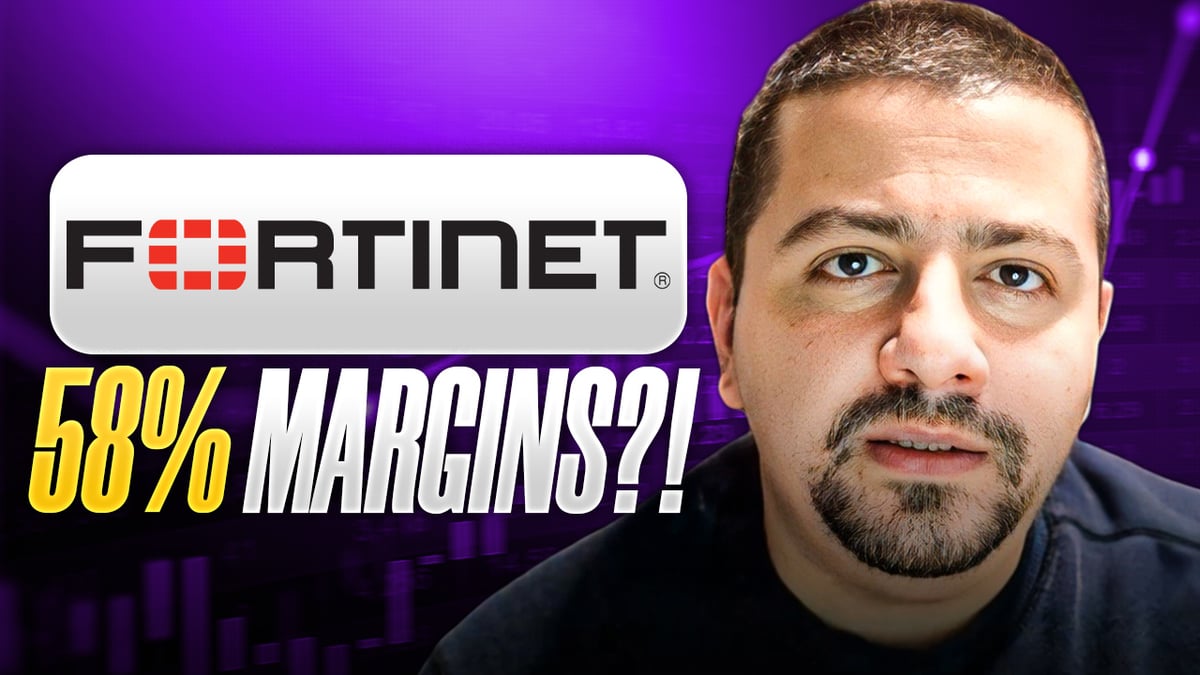
Fortinet Ranks Among World's Most Profitable Cybersecurity Firms
- Strong Profitability: Fortinet is recognized as one of the most profitable cybersecurity companies globally, highlighting its robust competitive edge and market position, which is likely to attract increased investor interest.
- Positive Stock Performance: As of the afternoon of May 11, 2026, Fortinet's stock price rose by 3.35%, reflecting the market's optimistic outlook on its profitability and future growth potential.
- Enhanced Industry Influence: As a leading player in the cybersecurity sector, Fortinet's success not only boosts its brand image but may also drive technological innovation and service standards across the industry.
- Increased Investor Confidence: Fortinet's profitability and stock performance could enhance investor confidence in the cybersecurity sector, potentially leading to more capital inflow into the industry and fostering overall growth.
Nvidia Rallies as CEO Huang Joins Trump’s China Delegation


- Nvidia Stock Surge: Nvidia (NVDA) shares rose 1% as CEO Jensen Huang joined President Trump's China delegation, igniting investor optimism ahead of its upcoming earnings report, reflecting strong market sentiment regarding its business prospects in China.
- Wall Street Backing: Susquehanna raised Nvidia's price target from $250 to $275, indicating a potential 25% upside, while Wells Fargo increased its target to $315, suggesting that despite margin and market share concerns, durable AI demand will continue to support the stock.
- Defense Spending Boosts RTX: RTX shares gained as defense spending rises, with Collins Aerospace announcing a $26.5 million expansion of its radar production facility in Florida, expected to create over 100 skilled jobs and enhance its competitive position in the defense sector.
- Broadwind Exceeds Expectations: Broadwind (BWEN) reported Q1 revenue of $34.06 million, surpassing analyst estimates, with total orders reaching $37.4 million, indicating strong demand for AI data centers and natural gas power generation, with the CEO noting the beginning of a super cycle.
Mixed US Stock Close as Oil Prices Volatile Amid Geopolitical Tensions
- Mixed Market Performance: The S&P 500 index fell by 0.07%, while the Dow Jones Industrial Average rose by 0.32%, and the Nasdaq 100 index decreased by 0.45%, indicating a divergence in market performance amid oil price volatility and geopolitical tensions.
- Oil Price Volatility: Crude oil prices surged to a three-week high on Monday due to Iran's comments on US demands being 'excessive and unrealistic', but prices fell sharply later when President Trump canceled a planned strike on Iran, highlighting the direct impact of geopolitical events on the market.
- Supportive Economic Data: The May NAHB housing market index rose by 3 to 37, exceeding expectations, which indicates resilience in the housing market and may provide some support for stocks.
- Weak Chinese Economic Indicators: China's April industrial production rose by 4.1% year-on-year, below the expected 6.0%, with retail sales and new home prices also underperforming, reflecting potential risks to global growth prospects.
Cybersecurity Stocks Surge Amid AI Growth
- Cybersecurity Market Growth: Cybersecurity is viewed as a non-negotiable line item in corporate IT budgets, with the rise of AI increasing hacking threats, driving sustained demand in the sector, which is expected to remain robust in the future.
- Fortinet's Strong Performance: Fortinet reported a 20% year-over-year revenue growth and a 41% increase in EPS in Q1 2026, with its cybersecurity networking segment (66% of billings) up 32% year-over-year, indicating strong market performance and customer demand.
- Palo Alto Networks' Platform Strategy: Palo Alto Networks'
Quantum Secure Encryption Corp Launches QPA v2 Platform for Post-Quantum Migration
- Platform Launch: Quantum Secure Encryption Corp officially launched the QPA v2 platform on March 31, 2026, aimed at bridging the operational gap in enterprise post-quantum migration, marking a shift from awareness to execution support, which is expected to significantly enhance compliance and security capabilities for enterprises.
- Market Demand: The global post-quantum cryptography market is projected to reach approximately $17.69 billion by 2034, with annual cybercrime costs expected to hit $10.5 trillion in 2026, indicating a sustained demand for quantum security solutions that QPA v2 is poised to meet.
- Technological Innovation: QPA v2 transforms the traditional manual assessment process into a structured, data-driven workflow with real-time visibility into quantum readiness, risk levels, and migration progress, enabling enterprises to effectively manage complex cryptographic dependencies.
- Client Engagement: The platform is already live with both current and prospective clients, and the company has strengthened its post-quantum infrastructure through key milestones in early 2026, demonstrating active engagement in both public sector and enterprise markets.
Quantum Secure Encryption Corp. Launches QPA v2 Platform for Post-Quantum Migration
- Platform Launch: Quantum Secure Encryption Corp. officially launched its QPA v2 enterprise post-quantum cryptographic migration platform on March 31, 2026, addressing the operational gap in implementing quantum-safe algorithms, thereby helping enterprises prepare for upcoming compliance deadlines.
- Market Demand: The global post-quantum cryptography market is projected to reach approximately $17.69 billion by 2034, with annual cybercrime costs expected to hit $10.5 trillion in 2026, indicating a growing demand for quantum security solutions that QPA v2 is poised to meet.
- Technological Innovation: QPA v2 transforms the traditional manual assessment process by introducing a PQC Planning Wizard, AI-enhanced assessment modules, and integrated inventory analysis, enabling enterprises to monitor quantum readiness and migration progress in real-time, thus enhancing cryptographic governance in complex environments.
- Client Engagement: The platform is already live with several current and prospective clients, marking a shift from awareness-building to execution support, further solidifying its influence in the public sector and enterprise markets, particularly through early pilot projects in government information systems.
Fortinet Ranks Among World's Most Profitable Cybersecurity Firms
- Strong Profitability: Fortinet is recognized as one of the most profitable cybersecurity companies globally, highlighting its robust competitive edge and market position, which is likely to attract increased investor interest.
- Positive Stock Performance: As of the afternoon of May 11, 2026, Fortinet's stock price rose by 3.35%, reflecting the market's optimistic outlook on its profitability and future growth potential.
- Enhanced Industry Influence: As a leading player in the cybersecurity sector, Fortinet's success not only boosts its brand image but may also drive technological innovation and service standards across the industry.
- Increased Investor Confidence: Fortinet's profitability and stock performance could enhance investor confidence in the cybersecurity sector, potentially leading to more capital inflow into the industry and fostering overall growth.
Nvidia Rallies as CEO Huang Joins Trump’s China Delegation
- Nvidia Stock Surge: Nvidia (NVDA) shares rose 1% as CEO Jensen Huang joined President Trump's China delegation, igniting investor optimism ahead of its upcoming earnings report, reflecting strong market sentiment regarding its business prospects in China.
- Wall Street Backing: Susquehanna raised Nvidia's price target from $250 to $275, indicating a potential 25% upside, while Wells Fargo increased its target to $315, suggesting that despite margin and market share concerns, durable AI demand will continue to support the stock.
- Defense Spending Boosts RTX: RTX shares gained as defense spending rises, with Collins Aerospace announcing a $26.5 million expansion of its radar production facility in Florida, expected to create over 100 skilled jobs and enhance its competitive position in the defense sector.
- Broadwind Exceeds Expectations: Broadwind (BWEN) reported Q1 revenue of $34.06 million, surpassing analyst estimates, with total orders reaching $37.4 million, indicating strong demand for AI data centers and natural gas power generation, with the CEO noting the beginning of a super cycle.