Ford's F-Series Trucks Account for 90% of Profits
Written by Emily J. Thompson, Senior Investment Analyst
Updated: 1 day ago
0mins

Source: Fool
- Profit Source Analysis: Ford's F-Series trucks account for an astonishing 90% of the company's global profits, highlighting the critical role of the F-150 in maintaining financial health despite the automaker's diverse portfolio of around 20 models.
- Production Disruption Impact: A fire at a supplier's plant has severely disrupted aluminum production for the F-150, potentially costing Ford up to $2 billion, with recovery expected to be uneven and delayed into 2026.
- Sales Decline Situation: In the first quarter of 2023, F-Series sales in the U.S. dropped by 16% year-over-year, while competitors like GM and Stellantis reported stable or increased sales, indicating heightened market pressure on Ford.
- Response Measures: In response to these challenges, Ford is skipping its traditional summer shutdown and adding a third shift at its F-150 production sites, demonstrating a strong commitment to recovering lost market share as quickly as possible.
Trade with 70% Backtested Accuracy
Stop guessing "Should I Buy F?" and start using high-conviction signals backed by rigorous historical data.
Sign up today to access powerful investing tools and make smarter, data-driven decisions.
Analyst Views on F
Wall Street analysts forecast F stock price to rise
14 Analyst Rating
3 Buy
10 Hold
1 Sell
Hold
Current: 12.630

Low
11.00
Averages
13.65
High
16.00
Current: 12.630
Low
11.00
Averages
13.65
High
16.00
About F
Ford Motor Company is an automobile company. The Company develops and delivers Ford trucks, sport utility vehicles, commercial vans and cars, and Lincoln luxury vehicles, along with connected services. The Company’s segments include Ford Blue, Ford Model e, Ford Pro, and Ford Credit. The Ford Blue segment primarily includes the sale of Ford and Lincoln internal combustion engine (ICE) and hybrid vehicles, service parts, accessories, and digital services for retail customers. The Ford Model e segment primarily includes the sale of its electric vehicles, service parts, accessories, and digital services for retail customers. The Ford Pro segment primarily includes the sale of Ford and Lincoln vehicles, service parts, accessories, and services for commercial, government, and rental customers. The Ford Credit segment consists of the Ford Credit business on a consolidated basis, which is primarily vehicle-related financing and leasing activities. Its vehicle brands are Ford and Lincoln.
About the author

Emily J. Thompson
Emily J. Thompson, a Chartered Financial Analyst (CFA) with 12 years in investment research, graduated with honors from the Wharton School. Specializing in industrial and technology stocks, she provides in-depth analysis for Intellectia’s earnings and market brief reports.
Ford's Major F-150 Recall: Implications for Investors

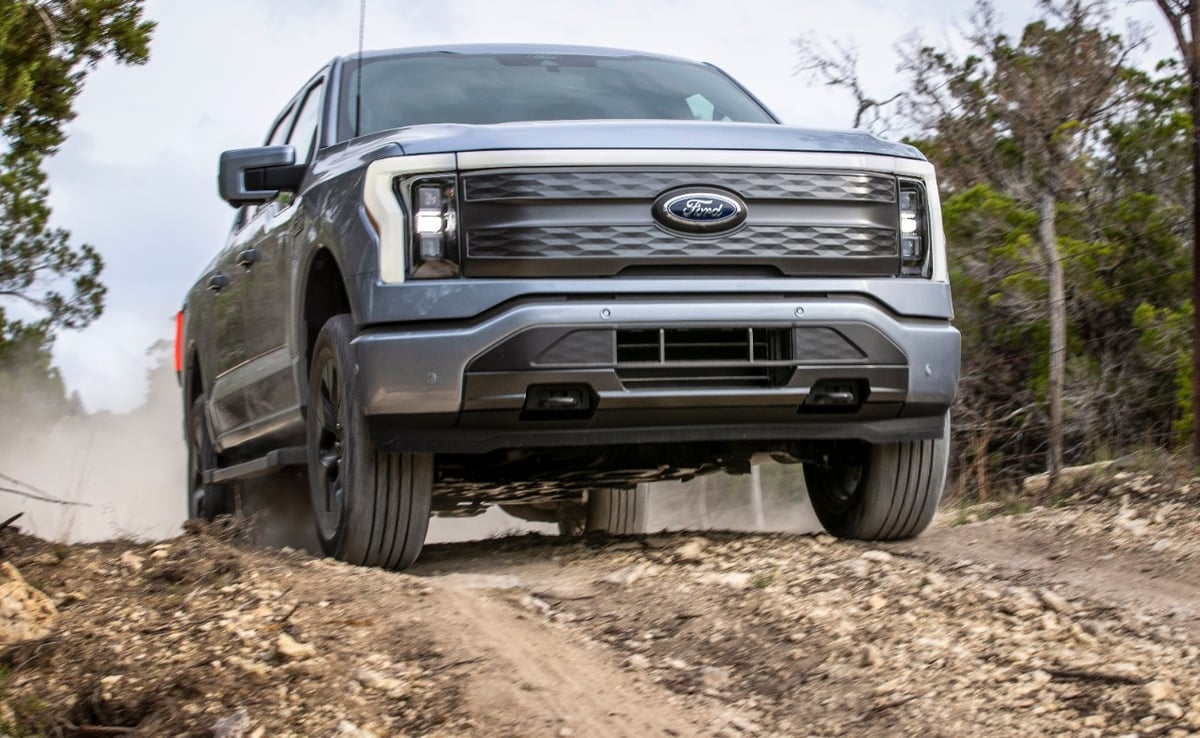
- Massive Recall: Ford has announced a recall of approximately 13 million vehicles, including 1.4 million F-150 trucks, which will incur significant repair and labor costs, potentially undermining the company's profitability.
- Reputational Risks: As Ford's flagship model, safety issues with the F-series could erode consumer confidence, inadvertently benefiting competitors and impacting Ford's market share in the long term.
- Stock Price Reaction: Despite the recall announcement, Ford's stock remains up 33%, indicating a relatively muted market reaction; however, investors should remain vigilant regarding future earnings reports and guidance revisions.
- Earnings Report Focus: Ford is set to release its Q1 2026 earnings report on April 29, and investors should pay close attention to how anticipated recall expenses may affect future performance expectations for informed investment decisions.
See More
Texas Instruments Reports Strong Quarterly Results and Upbeat Guidance


- Significant Revenue Growth: Texas Instruments reported first-quarter revenue of $4.83 billion, a 19% increase year-over-year, surpassing analyst expectations of $4.53 billion, highlighting the company's strong performance amid high demand for analog chips, which solidifies its market position.
- Stock Surge: The company's shares soared 18% on Thursday, marking its best single-day performance since 2000, with a year-to-date increase of approximately 60%, reflecting strong investor confidence in the company's future growth potential.
- Optimistic Outlook: Texas Instruments expects second-quarter revenue to range between $5 billion and $5.4 billion, representing a 17% growth at the midpoint, with earnings per share projected between $1.77 and $2.05, indicating a positive outlook on future market demand.
- Diverse Customer Base: With major clients like Apple, Nvidia, and Ford, along with a $60 billion investment to build three new plants in the U.S., Texas Instruments demonstrates its significance and ongoing growth potential in the global semiconductor market.
See More

Texas Instruments Reports Strong Q1 Earnings and Positive Guidance
- Significant Earnings Growth: Texas Instruments reported Q1 revenue of $4.83 billion, a 19% year-over-year increase that surpassed the $4.53 billion analyst estimate, highlighting the company's strong performance amid high demand for analog chips, which solidifies its market position.
- Stock Surge: The company's shares soared 18% on Thursday, marking its best single-day performance since 2000, with a year-to-date increase of approximately 60%, reflecting strong market confidence in its growth potential.
- Optimistic Future Guidance: Texas Instruments anticipates Q2 revenue between $5 billion and $5.4 billion, representing a 17% growth at the midpoint, with expected EPS ranging from $1.77 to $2.05, demonstrating the company's confidence in sustained growth.
- Diverse Customer Base: Major clients such as Apple, Nvidia, and Tesla rely on Texas Instruments' analog chips, which are crucial for the booming data center demand, further driving the company's business expansion and investment plans.
See More
Ford and GM Face Challenges as Sedan Market Resurges

- Market Preference Shift: Over the past few decades, the U.S. market has significantly favored SUVs and trucks, benefiting Ford and GM, as these vehicles have marginally higher manufacturing costs but fetch 2 to 3 times higher prices and better margins.
- Sedan Sales Resurgence: With new car prices rising, the sedan market is experiencing a revival, with Toyota Camry sales up 11%, Honda Accord up 22%, and Kia's K5 up 19% in the first quarter, indicating a vibrant sedan market.
- Ford's Strategic Shift: Ford has nearly eliminated its sedan lineup by 2026, leaving only the iconic Mustang, and CEO Jim Farley noted that while there is a market for sedans, the company struggled to find a profitable competitive strategy, hinting at potential future adjustments.
- GM's Market Opportunity: GM plans to introduce a new Buick sedan in the U.S., the first since 2020, rumored to be built on the same platform as the next-generation Cadillac CT5 and Camaro, indicating a strategic move to capitalize on the resurgent sedan market.
See More

Apollo Nears Deal to Acquire Forvia's Auto Interiors Business

- Acquisition Deal Approaching: Private equity firm Apollo is nearing a deal to acquire France's Forvia's auto interiors business, valued at approximately €1.4 billion ($1.64 billion), which would significantly enhance Apollo's positioning in the automotive parts market.
- Divestiture Context: Forvia announced last year its intention to divest the auto interiors business as part of a debt-reduction strategy, and this transaction could help optimize its asset structure and improve financial health.
- Market Reaction: Forvia's auto interiors division supplies complete instrument panels, door panels, and center console systems for vehicles, and this deal is expected to attract market attention, especially as the automotive sector faces declining sales.
- Industry Outlook: With Forvia projecting a sales decline in 2026 and a market capitalization of €2.2 billion ($2.58 billion), this transaction may provide Apollo with an opportunity to enter a high-potential market while also offering Forvia the financial support needed for future growth.
See More

GM CEO Compensation Continues to Rise
- Compensation Growth: GM CEO Mary Barra earned $29.9 million last year, reflecting a 1.4% increase from the previous year, with her base salary steady at $2.1 million and stock awards rising 11% to $21.6 million, indicating the company's strategy to attract top talent.
- Performance Comparison: Over the past three years, GM has significantly outperformed rivals, nearly tripling its closest competitor's value, particularly amidst volatile EV demand and uncertain trade policies, showcasing its strong market adaptability.
- Peer Compensation Analysis: Ford CEO Jim Farley's compensation also rose by 11% to $27.5 million, yet his performance only met 64% of earnings targets while facing record recalls, highlighting a disparity between executive pay and actual company performance.
- Aligning Shareholder Interests: GM has returned immense value to shareholders through tens of billions in stock buybacks, and while executive compensation may spark debate, the company's strong performance metrics and profitability provide robust justification for such pay.
See More
Ford's Major F-150 Recall: Implications for Investors
- Massive Recall: Ford has announced a recall of approximately 13 million vehicles, including 1.4 million F-150 trucks, which will incur significant repair and labor costs, potentially undermining the company's profitability.
- Reputational Risks: As Ford's flagship model, safety issues with the F-series could erode consumer confidence, inadvertently benefiting competitors and impacting Ford's market share in the long term.
- Stock Price Reaction: Despite the recall announcement, Ford's stock remains up 33%, indicating a relatively muted market reaction; however, investors should remain vigilant regarding future earnings reports and guidance revisions.
- Earnings Report Focus: Ford is set to release its Q1 2026 earnings report on April 29, and investors should pay close attention to how anticipated recall expenses may affect future performance expectations for informed investment decisions.
See More
Texas Instruments Reports Strong Quarterly Results and Upbeat Guidance
- Significant Revenue Growth: Texas Instruments reported first-quarter revenue of $4.83 billion, a 19% increase year-over-year, surpassing analyst expectations of $4.53 billion, highlighting the company's strong performance amid high demand for analog chips, which solidifies its market position.
- Stock Surge: The company's shares soared 18% on Thursday, marking its best single-day performance since 2000, with a year-to-date increase of approximately 60%, reflecting strong investor confidence in the company's future growth potential.
- Optimistic Outlook: Texas Instruments expects second-quarter revenue to range between $5 billion and $5.4 billion, representing a 17% growth at the midpoint, with earnings per share projected between $1.77 and $2.05, indicating a positive outlook on future market demand.
- Diverse Customer Base: With major clients like Apple, Nvidia, and Ford, along with a $60 billion investment to build three new plants in the U.S., Texas Instruments demonstrates its significance and ongoing growth potential in the global semiconductor market.
See More
Texas Instruments Reports Strong Q1 Earnings and Positive Guidance
- Significant Earnings Growth: Texas Instruments reported Q1 revenue of $4.83 billion, a 19% year-over-year increase that surpassed the $4.53 billion analyst estimate, highlighting the company's strong performance amid high demand for analog chips, which solidifies its market position.
- Stock Surge: The company's shares soared 18% on Thursday, marking its best single-day performance since 2000, with a year-to-date increase of approximately 60%, reflecting strong market confidence in its growth potential.
- Optimistic Future Guidance: Texas Instruments anticipates Q2 revenue between $5 billion and $5.4 billion, representing a 17% growth at the midpoint, with expected EPS ranging from $1.77 to $2.05, demonstrating the company's confidence in sustained growth.
- Diverse Customer Base: Major clients such as Apple, Nvidia, and Tesla rely on Texas Instruments' analog chips, which are crucial for the booming data center demand, further driving the company's business expansion and investment plans.
See More
Ford and GM Face Challenges as Sedan Market Resurges
- Market Preference Shift: Over the past few decades, the U.S. market has significantly favored SUVs and trucks, benefiting Ford and GM, as these vehicles have marginally higher manufacturing costs but fetch 2 to 3 times higher prices and better margins.
- Sedan Sales Resurgence: With new car prices rising, the sedan market is experiencing a revival, with Toyota Camry sales up 11%, Honda Accord up 22%, and Kia's K5 up 19% in the first quarter, indicating a vibrant sedan market.
- Ford's Strategic Shift: Ford has nearly eliminated its sedan lineup by 2026, leaving only the iconic Mustang, and CEO Jim Farley noted that while there is a market for sedans, the company struggled to find a profitable competitive strategy, hinting at potential future adjustments.
- GM's Market Opportunity: GM plans to introduce a new Buick sedan in the U.S., the first since 2020, rumored to be built on the same platform as the next-generation Cadillac CT5 and Camaro, indicating a strategic move to capitalize on the resurgent sedan market.
See More
Apollo Nears Deal to Acquire Forvia's Auto Interiors Business
- Acquisition Deal Approaching: Private equity firm Apollo is nearing a deal to acquire France's Forvia's auto interiors business, valued at approximately €1.4 billion ($1.64 billion), which would significantly enhance Apollo's positioning in the automotive parts market.
- Divestiture Context: Forvia announced last year its intention to divest the auto interiors business as part of a debt-reduction strategy, and this transaction could help optimize its asset structure and improve financial health.
- Market Reaction: Forvia's auto interiors division supplies complete instrument panels, door panels, and center console systems for vehicles, and this deal is expected to attract market attention, especially as the automotive sector faces declining sales.
- Industry Outlook: With Forvia projecting a sales decline in 2026 and a market capitalization of €2.2 billion ($2.58 billion), this transaction may provide Apollo with an opportunity to enter a high-potential market while also offering Forvia the financial support needed for future growth.
See More
GM CEO Compensation Continues to Rise
- Compensation Growth: GM CEO Mary Barra earned $29.9 million last year, reflecting a 1.4% increase from the previous year, with her base salary steady at $2.1 million and stock awards rising 11% to $21.6 million, indicating the company's strategy to attract top talent.
- Performance Comparison: Over the past three years, GM has significantly outperformed rivals, nearly tripling its closest competitor's value, particularly amidst volatile EV demand and uncertain trade policies, showcasing its strong market adaptability.
- Peer Compensation Analysis: Ford CEO Jim Farley's compensation also rose by 11% to $27.5 million, yet his performance only met 64% of earnings targets while facing record recalls, highlighting a disparity between executive pay and actual company performance.
- Aligning Shareholder Interests: GM has returned immense value to shareholders through tens of billions in stock buybacks, and while executive compensation may spark debate, the company's strong performance metrics and profitability provide robust justification for such pay.
See More