Ford Pro Business Shows Significant Growth
Written by Emily J. Thompson, Senior Investment Analyst
Updated: Mar 08 2026
0mins
Should l Buy F?
Source: Fool
- Revenue and Profit Growth: Ford Pro generated over $66 billion in revenue and $6.8 billion in EBIT in 2025, with margins more than three times higher than the traditional Ford Blue business, highlighting its significance to the company's financial health.
- Strong Market Performance: Record sales of Ford Transit vans and Super Duty pickups in the U.S. indicate robust demand for Ford Pro in the commercial vehicle market, further solidifying its market position.
- Software Subscription Growth: Ford Pro's paid software subscriptions grew by 30% in 2025, providing an additional revenue stream that enhances overall profitability and reflects the business's high-margin potential.
- Service Innovation: The Uptime Assist initiative has reduced repair times by 10% to 15%, significantly improving customer satisfaction and minimizing daily losses of $500 to $1,000 for fleet customers, thereby increasing Ford Pro's market appeal.
Trade with 70% Backtested Accuracy
Stop guessing "Should I Buy F?" and start using high-conviction signals backed by rigorous historical data.
Sign up today to access powerful investing tools and make smarter, data-driven decisions.
Analyst Views on F
Wall Street analysts forecast F stock price to rise
14 Analyst Rating
3 Buy
10 Hold
1 Sell
Hold
Current: 11.680

Low
11.00
Averages
13.65
High
16.00
Current: 11.680
Low
11.00
Averages
13.65
High
16.00
About F
Ford Motor Company is an automobile company. The Company develops and delivers Ford trucks, sport utility vehicles, commercial vans and cars, and Lincoln luxury vehicles, along with connected services. The Company’s segments include Ford Blue, Ford Model e, Ford Pro, and Ford Credit. The Ford Blue segment primarily includes the sale of Ford and Lincoln internal combustion engine (ICE) and hybrid vehicles, service parts, accessories, and digital services for retail customers. The Ford Model e segment primarily includes the sale of its electric vehicles, service parts, accessories, and digital services for retail customers. The Ford Pro segment primarily includes the sale of Ford and Lincoln vehicles, service parts, accessories, and services for commercial, government, and rental customers. The Ford Credit segment consists of the Ford Credit business on a consolidated basis, which is primarily vehicle-related financing and leasing activities. Its vehicle brands are Ford and Lincoln.
About the author

Emily J. Thompson
Emily J. Thompson, a Chartered Financial Analyst (CFA) with 12 years in investment research, graduated with honors from the Wharton School. Specializing in industrial and technology stocks, she provides in-depth analysis for Intellectia’s earnings and market brief reports.

Ford Reports Q1 Sales Decline Amid High Costs and Demand Pressures

- Sales Decline: Ford's U.S. sales fell nearly 9% in Q1, with total sales dropping from 501,291 vehicles last year to 457,315, indicating that high costs are causing consumers to rethink large purchases, which negatively impacts market share.
- Weak Truck and SUV Sales: Truck sales dropped 11.3% and SUV sales fell 7.8%, suggesting weakened showroom traffic for core models, which could lead to continued low sales and affect overall revenue.
- Electric Vehicle Demand Weakens: Following the expiration of federal tax credits, sales of Ford's electric models plummeted nearly 70%, reflecting consumer concerns over high prices and challenging the company's competitiveness in the EV market.
- Entry-Level Model Sales Growth: Despite the overall sales decline, Ford's entry-level models, including the Maverick, Ranger, and Bronco Sport, saw an 8.4% increase in sales, indicating some success in addressing consumer demand for lower-priced options.
See More

Ferrari and Ford: Must-Have Stocks Analysis

- Ferrari's Pricing Power: Ferrari showcases unmatched pricing power with its high operating margins and luxury brand image, exemplified by the F80 supercar priced at nearly $4 million and limited to 799 units, which, despite accounting for only 2% of sales, could generate 20% of profits, highlighting strong market demand and profitability potential.
- Ford's Dividend Advantage: Ford offers a quarterly dividend of $0.15, yielding 5%, and plans to distribute 40% to 50% of its annual free cash flow to shareholders, with a special dividend of $0.65 in 2023 due to the sale of its Rivian stake, enhancing its appeal to investors.
- Market Positioning Differences: While both Ferrari and Ford operate in the automotive industry, Ferrari drives long-term investment returns through its high-end market and strong brand loyalty, whereas Ford offsets cyclical volatility with stable high-yield dividends and occasional supplemental dividends, showcasing distinct investment values.
- Future Growth Potential: Ferrari's strong brand and pricing power will continue to drive investor gains, while Ford is focused on reversing warranty costs and quality issues while transforming its money-losing EV business into profitability, indicating growth potential in future markets.
See More

Leasing Market Faces Challenges for EVs

- Leasing Market Risks: A wave of off-lease EVs is expected to return with values approximately $10,000 lower than projected, potentially costing the finance arms up to $8 billion, which could significantly impact overall industry profitability.
- Surge in Supply: By 2028, around 800,000 EVs are projected to hit the used market, leading to oversupply and further price depreciation, which may put additional financial strain on leasing companies.
- Tesla's Market Dominance: Tesla's leasing volume is substantial, with nearly 229,000 EVs leased last year, far exceeding the combined totals of General Motors and Ford, highlighting its strong influence in the industry.
- Financial Management Strategy: Despite industry challenges, Tesla mitigates its financial risk by managing a portion of its lease portfolio through partnerships with third-party lenders, allowing investors to remain cautiously optimistic while monitoring market developments in the coming years.
See More

Tesla Faces Off-Lease EV Depreciation Risks
- Leasing Market Risks: Tesla is expected to see a wave of off-lease EVs flooding the market in the coming years, with industry experts projecting these vehicles to return at values approximately $10,000 lower than anticipated, potentially costing the industry about $8 billion.
- Depreciation Trends: According to Cox Automotive, by 2025, a three-year-old EV will maintain only about 40% of its original value at auction, a significant drop from 90% in early 2022, indicating pressure on the used EV market.
- Tesla's Market Dominance: Tesla dominates the EV leasing market, having leased nearly 229,000 vehicles last year, which is significantly more than the combined total of General Motors and Ford, highlighting its strong industry influence.
- Investor Confidence Reminder: Despite the challenges posed by off-lease EV depreciation, Tesla's finance arm collaborates with third-party lenders, allowing it to mitigate most of the leasing losses, suggesting that investors need not panic just yet.
See More

Impact of Trump's Tariffs One Year Later


- Widespread Tariff Impact: Trump's tariff policies have placed significant economic pressure on U.S. businesses over the past year, with approximately 80% to 85% of costs absorbed by companies, leading to reduced profits and increased consumer prices, thereby exacerbating overall economic uncertainty.
- Retail Sector Adaptation: While large retailers like Walmart have emerged relatively unscathed, smaller businesses have been severely impacted, with Home Depot aiming to limit purchases from any single country to 10% to reduce dependency and enhance supply chain flexibility.
- Automotive Industry Cost Surge: Automakers such as General Motors and Toyota are facing tariff impacts estimated at up to $9.5 billion, and although the Trump administration has taken steps to alleviate overlapping tariffs, overall costs remain significant, forcing companies to reassess their supply chain strategies.
- Pharmaceutical Sector Stability: Pharmaceutical companies have secured three-year tariff exemptions through pricing agreements with Trump, although new tariffs impose 100% on companies that do not reach agreements, the overall industry is still striving to increase investments in U.S. manufacturing.
See More
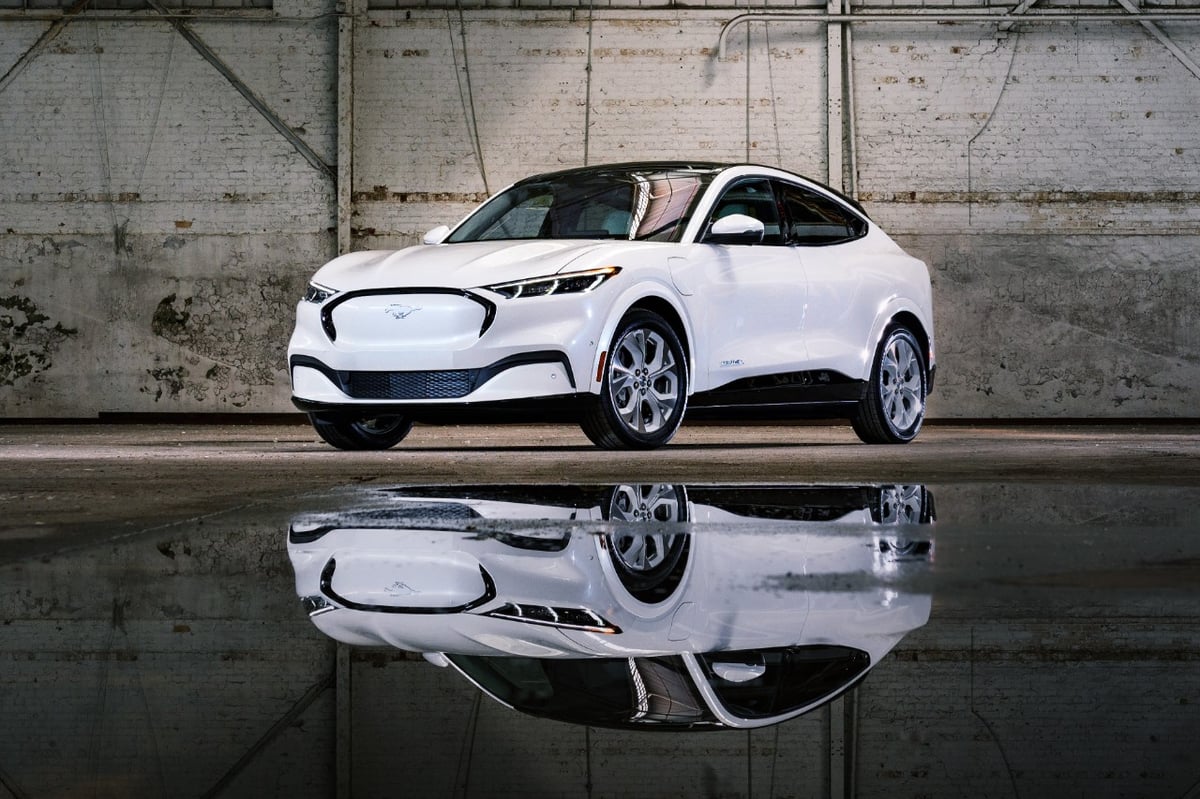
Ford Credit's Profit-Driving Potential

- Profit Source: Ford Credit, while generating only about 5% of the company's revenue annually, contributes 15% to 20% of profits, with last year's earnings before taxes reaching $2.6 billion and returning $1.7 billion in cash to Ford, supporting growth in electric vehicles and other initiatives.
- Leasing Risks: Ford Credit finances customer sales and leases, and is projected to face significant risks from off-lease EVs with residual values lower than expected, potentially crippling profitability, especially with nearly 800,000 EVs expected to come off lease by 2028.
- Market Dynamics: By the end of 2026, EVs are expected to make up 15% of off-lease used vehicles, up from just 7.7% in Q1 2023, indicating rapid changes in the EV market and its potential impact on Ford Credit.
- Industry Loss Estimates: Experts predict that the resale value of off-lease EVs will be around $10,000 less than projected, leading to an estimated industry-wide loss of about $8 billion in 2028, posing challenges for Ford and its competitors Tesla and General Motors.
See More
Ford Reports Q1 Sales Decline Amid High Costs and Demand Pressures
- Sales Decline: Ford's U.S. sales fell nearly 9% in Q1, with total sales dropping from 501,291 vehicles last year to 457,315, indicating that high costs are causing consumers to rethink large purchases, which negatively impacts market share.
- Weak Truck and SUV Sales: Truck sales dropped 11.3% and SUV sales fell 7.8%, suggesting weakened showroom traffic for core models, which could lead to continued low sales and affect overall revenue.
- Electric Vehicle Demand Weakens: Following the expiration of federal tax credits, sales of Ford's electric models plummeted nearly 70%, reflecting consumer concerns over high prices and challenging the company's competitiveness in the EV market.
- Entry-Level Model Sales Growth: Despite the overall sales decline, Ford's entry-level models, including the Maverick, Ranger, and Bronco Sport, saw an 8.4% increase in sales, indicating some success in addressing consumer demand for lower-priced options.
See More
Ferrari and Ford: Must-Have Stocks Analysis
- Ferrari's Pricing Power: Ferrari showcases unmatched pricing power with its high operating margins and luxury brand image, exemplified by the F80 supercar priced at nearly $4 million and limited to 799 units, which, despite accounting for only 2% of sales, could generate 20% of profits, highlighting strong market demand and profitability potential.
- Ford's Dividend Advantage: Ford offers a quarterly dividend of $0.15, yielding 5%, and plans to distribute 40% to 50% of its annual free cash flow to shareholders, with a special dividend of $0.65 in 2023 due to the sale of its Rivian stake, enhancing its appeal to investors.
- Market Positioning Differences: While both Ferrari and Ford operate in the automotive industry, Ferrari drives long-term investment returns through its high-end market and strong brand loyalty, whereas Ford offsets cyclical volatility with stable high-yield dividends and occasional supplemental dividends, showcasing distinct investment values.
- Future Growth Potential: Ferrari's strong brand and pricing power will continue to drive investor gains, while Ford is focused on reversing warranty costs and quality issues while transforming its money-losing EV business into profitability, indicating growth potential in future markets.
See More
Leasing Market Faces Challenges for EVs
- Leasing Market Risks: A wave of off-lease EVs is expected to return with values approximately $10,000 lower than projected, potentially costing the finance arms up to $8 billion, which could significantly impact overall industry profitability.
- Surge in Supply: By 2028, around 800,000 EVs are projected to hit the used market, leading to oversupply and further price depreciation, which may put additional financial strain on leasing companies.
- Tesla's Market Dominance: Tesla's leasing volume is substantial, with nearly 229,000 EVs leased last year, far exceeding the combined totals of General Motors and Ford, highlighting its strong influence in the industry.
- Financial Management Strategy: Despite industry challenges, Tesla mitigates its financial risk by managing a portion of its lease portfolio through partnerships with third-party lenders, allowing investors to remain cautiously optimistic while monitoring market developments in the coming years.
See More
Tesla Faces Off-Lease EV Depreciation Risks
- Leasing Market Risks: Tesla is expected to see a wave of off-lease EVs flooding the market in the coming years, with industry experts projecting these vehicles to return at values approximately $10,000 lower than anticipated, potentially costing the industry about $8 billion.
- Depreciation Trends: According to Cox Automotive, by 2025, a three-year-old EV will maintain only about 40% of its original value at auction, a significant drop from 90% in early 2022, indicating pressure on the used EV market.
- Tesla's Market Dominance: Tesla dominates the EV leasing market, having leased nearly 229,000 vehicles last year, which is significantly more than the combined total of General Motors and Ford, highlighting its strong industry influence.
- Investor Confidence Reminder: Despite the challenges posed by off-lease EV depreciation, Tesla's finance arm collaborates with third-party lenders, allowing it to mitigate most of the leasing losses, suggesting that investors need not panic just yet.
See More
Impact of Trump's Tariffs One Year Later
- Widespread Tariff Impact: Trump's tariff policies have placed significant economic pressure on U.S. businesses over the past year, with approximately 80% to 85% of costs absorbed by companies, leading to reduced profits and increased consumer prices, thereby exacerbating overall economic uncertainty.
- Retail Sector Adaptation: While large retailers like Walmart have emerged relatively unscathed, smaller businesses have been severely impacted, with Home Depot aiming to limit purchases from any single country to 10% to reduce dependency and enhance supply chain flexibility.
- Automotive Industry Cost Surge: Automakers such as General Motors and Toyota are facing tariff impacts estimated at up to $9.5 billion, and although the Trump administration has taken steps to alleviate overlapping tariffs, overall costs remain significant, forcing companies to reassess their supply chain strategies.
- Pharmaceutical Sector Stability: Pharmaceutical companies have secured three-year tariff exemptions through pricing agreements with Trump, although new tariffs impose 100% on companies that do not reach agreements, the overall industry is still striving to increase investments in U.S. manufacturing.
See More
Ford Credit's Profit-Driving Potential
- Profit Source: Ford Credit, while generating only about 5% of the company's revenue annually, contributes 15% to 20% of profits, with last year's earnings before taxes reaching $2.6 billion and returning $1.7 billion in cash to Ford, supporting growth in electric vehicles and other initiatives.
- Leasing Risks: Ford Credit finances customer sales and leases, and is projected to face significant risks from off-lease EVs with residual values lower than expected, potentially crippling profitability, especially with nearly 800,000 EVs expected to come off lease by 2028.
- Market Dynamics: By the end of 2026, EVs are expected to make up 15% of off-lease used vehicles, up from just 7.7% in Q1 2023, indicating rapid changes in the EV market and its potential impact on Ford Credit.
- Industry Loss Estimates: Experts predict that the resale value of off-lease EVs will be around $10,000 less than projected, leading to an estimated industry-wide loss of about $8 billion in 2028, posing challenges for Ford and its competitors Tesla and General Motors.
See More