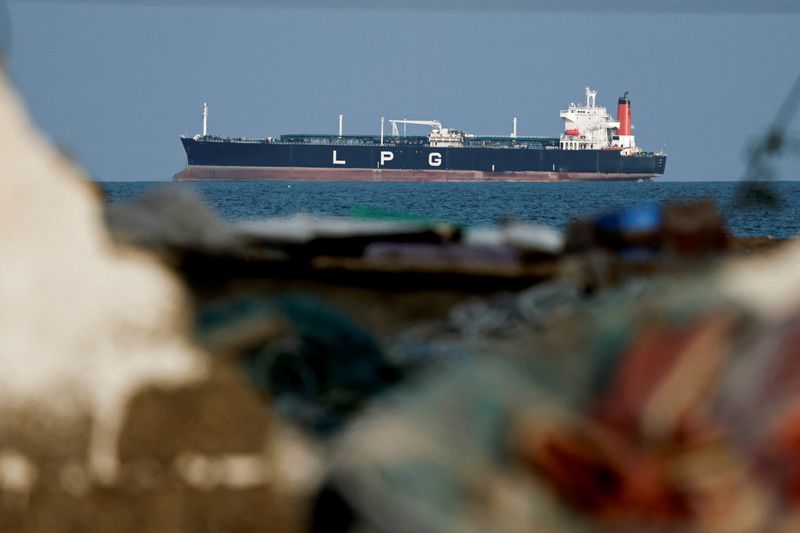
Dow Inc. (DOW) Posts Q3 Loss, Falls Short of Revenue Projections

Quarterly Performance: Dow Inc. reported a quarterly loss of $0.19 per share, outperforming the Zacks Consensus Estimate of a loss of $0.31, but down from earnings of $0.47 per share a year ago. The company also posted revenues of $9.97 billion, missing estimates by 1.99%.
Stock Outlook: Dow Inc. shares have declined approximately 45.9% year-to-date, significantly underperforming the S&P 500's 13.9% gain. The stock currently holds a Zacks Rank #4 (Sell), indicating expectations of continued underperformance.
Earnings Estimate Trends: The earnings outlook for Dow Inc. is unfavorable, with current consensus estimates predicting a loss of $0.44 per share and revenues of $10.04 billion for the upcoming quarter. The industry rank for Chemical - Diversified is in the bottom 4% of Zacks industries.
Innospec's Upcoming Report: Innospec, another company in the same industry, is set to report its quarterly earnings on November 4, with expectations of a 23.7% year-over-year decline in earnings to $1.03 per share and a slight revenue decrease.
Trade with 70% Backtested Accuracy
Analyst Views on DOW

About DOW
About the author

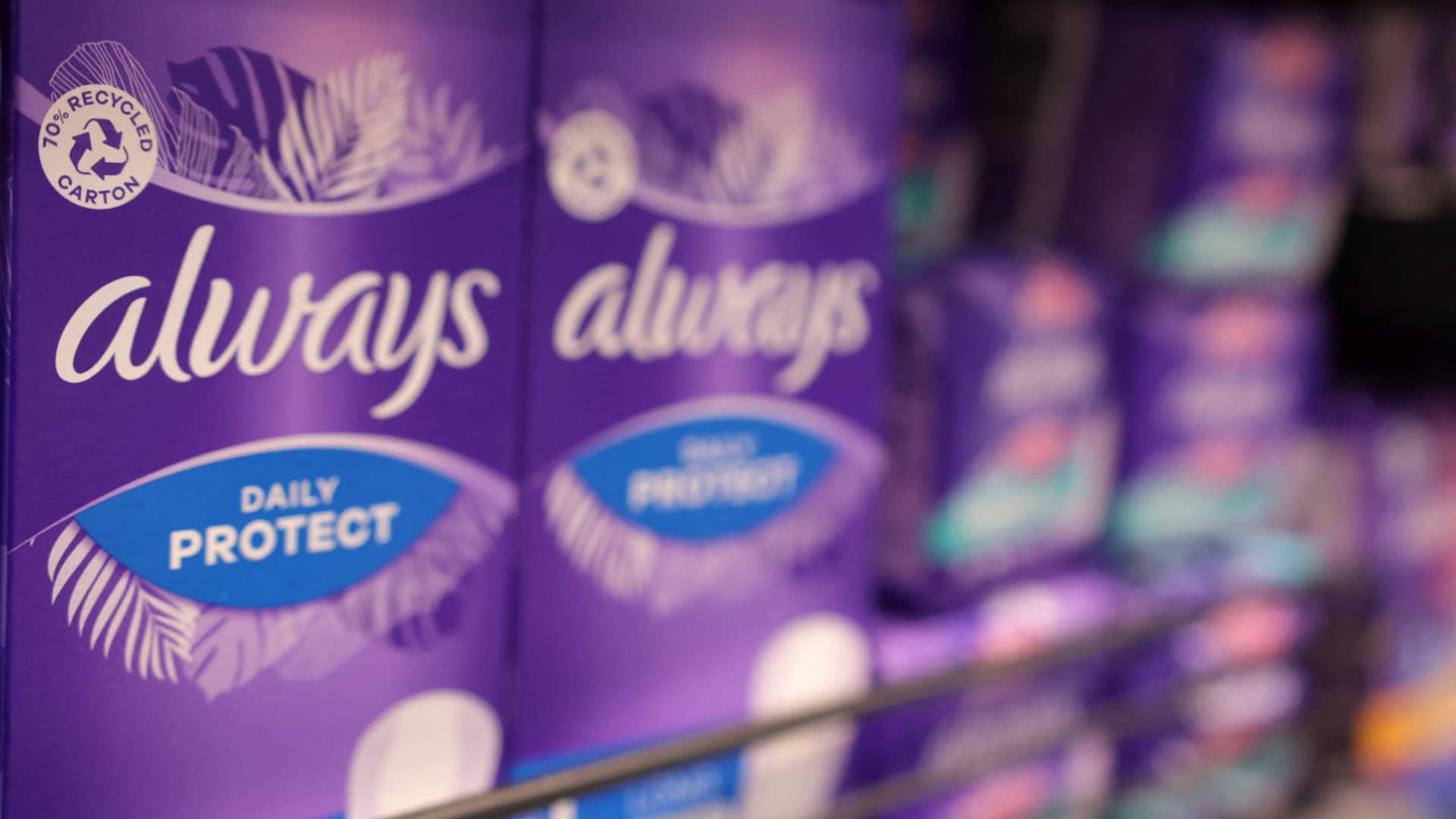
Rising Menstrual Product Prices Squeeze Consumers
- Price Surge: The average price of menstrual products has risen nearly 40% since 2020, from approximately $5.37 to $7.43 per unit, squeezing consumer budgets and impacting purchasing decisions.
- Sales Dynamics: While dollar sales of menstrual products grew nearly 30% during the same period, sales volume has decreased by about 6% since 2022, indicating a trend of consumers seeking alternatives due to high prices.
- Tariff Impact: In 2025, the U.S. collected $115 million in tariffs on menstrual products containing cotton, a significant increase from $42 million in 2020, further exacerbating the economic burden on consumers.
- Rise of Reusables: An increasing number of consumers are turning to reusable menstrual products, such as cups and underwear, due to their environmental benefits and lower long-term costs, which is expected to continue exerting pressure on traditional single-use product sales.

Geopolitical Conflict Disrupts Energy Market Outlook


- Stable Oil Price Impact: Current oil prices hover around $100 per barrel, which will significantly benefit upstream energy producers like Devon Energy, leading to strong financial results, especially given its operations in the U.S. far from the Middle East conflict.
- Rising Oil Price Expectations: Should the situation in the Middle East worsen, oil prices could rise to $200 per barrel, further benefiting Devon Energy and Chevron; however, Chevron's downstream operations may limit its profit growth, particularly in refining and chemicals.
- Falling Oil Price Effects: If tensions in the Middle East ease, oil prices may decline, benefiting refiners and chemical companies like Valero and Dow due to lower input costs, while upstream producers like Devon Energy could face earnings pressure, although hedging strategies may mitigate some impacts.
- Midstream Business Advantage: Midstream companies such as Enterprise Products Partners will largely sidestep the volatility of oil prices, as their revenue primarily comes from fees for transporting oil and gas, making demand stability more critical than commodity price fluctuations.

Shift in Corporate Investments in DEI and ESG Initiatives

- Investment Trends: According to Just Capital's annual rankings, companies continue to increase investments in areas such as workers, communities, and the environment despite political and legal pressures, indicating a focus on long-term benefits.
- Employee Benefits Enhancement: Hewlett Packard stands out for its employee benefits, offering flexible time-off policies and 12 weeks of paid leave, aimed at improving employee economic well-being and job satisfaction.
- Minimum Wage Increase: The average minimum wage in the Russell 1000 has risen from $16.92 to $17.27, with more companies publicly disclosing their minimum wage, reflecting a growing emphasis on employee economic conditions.
- Decline in Transparency: While companies are ramping up investments in workforce initiatives, there has been a decline in disclosures related to diversity and climate issues, highlighting the complex balance companies face between external pressures and internal goals.
Dow Inc. to Participate in J.P. Morgan Industrials Conference
- Conference Participation: Dow Inc. will participate in a fireside chat at the J.P. Morgan Industrials Conference on March 18, 2026, at 8:45 a.m. ET, showcasing its leadership in materials science and attracting investor interest.
- Investor Engagement: Dow invites investors to join the live webcast through its website, with a replay and transcript available post-event, enhancing communication and transparency with stakeholders.
- Company Overview: Dow is a leading materials science company serving high-growth markets such as packaging, infrastructure, mobility, and consumer applications, with approximately $40 billion in sales for 2025, indicating strong market demand and profitability.
- Global Operations: Operating manufacturing sites in 29 countries and employing around 34,600 people, Dow leverages its global footprint and asset integration capabilities to drive sustainable growth and profitability.

Implications of Iran on Oil and Defense Stocks: Potential Upcoming Opportunities.


- Market Focus: The stock market primarily reflects future expectations rather than current conditions.
- Investment Perspective: Investors should consider long-term trends and potential developments when making decisions.
- Economic Indicators: Market movements are often influenced by forecasts and economic indicators that signal future performance.
- Strategic Planning: Successful investing requires a forward-looking approach, anticipating changes and adapting strategies accordingly.

Blackstone Shares Drop 3.3% Amid Market Concerns
- Market Concerns Intensify: Investors sold shares of Blackstone this week due to worries over the private credit space, high oil prices, and the Iran war, resulting in a 3.3% drop in stock price and an RSI of 23, indicating an oversold condition that may present a rebound opportunity.
- Economic Growth Slowdown: The combination of inflation fears driven by high oil prices and expectations of slower economic growth weighed on market sentiment, dragging the Dow Jones Industrial Average down about 2% this week, while the S&P 500 and Nasdaq Composite fell over 1% each.
- Bank Rating Support: Despite market turbulence, Bank of America reiterated its buy rating on Blackstone, expecting a robust fundraising quarter of $66 billion, highlighting strong fundraising potential particularly in credit and private equity sectors.
- IPO Pipeline Outlook: Analyst Craig Siegenthaler noted that Blackstone's future IPO pipeline includes Copeland and Mobile.de, and while timing may be delayed, these projects are expected to act as accelerants for future monetization activities, further bolstering market confidence.
Rising Menstrual Product Prices Squeeze Consumers
- Price Surge: The average price of menstrual products has risen nearly 40% since 2020, from approximately $5.37 to $7.43 per unit, squeezing consumer budgets and impacting purchasing decisions.
- Sales Dynamics: While dollar sales of menstrual products grew nearly 30% during the same period, sales volume has decreased by about 6% since 2022, indicating a trend of consumers seeking alternatives due to high prices.
- Tariff Impact: In 2025, the U.S. collected $115 million in tariffs on menstrual products containing cotton, a significant increase from $42 million in 2020, further exacerbating the economic burden on consumers.
- Rise of Reusables: An increasing number of consumers are turning to reusable menstrual products, such as cups and underwear, due to their environmental benefits and lower long-term costs, which is expected to continue exerting pressure on traditional single-use product sales.
Geopolitical Conflict Disrupts Energy Market Outlook
- Stable Oil Price Impact: Current oil prices hover around $100 per barrel, which will significantly benefit upstream energy producers like Devon Energy, leading to strong financial results, especially given its operations in the U.S. far from the Middle East conflict.
- Rising Oil Price Expectations: Should the situation in the Middle East worsen, oil prices could rise to $200 per barrel, further benefiting Devon Energy and Chevron; however, Chevron's downstream operations may limit its profit growth, particularly in refining and chemicals.
- Falling Oil Price Effects: If tensions in the Middle East ease, oil prices may decline, benefiting refiners and chemical companies like Valero and Dow due to lower input costs, while upstream producers like Devon Energy could face earnings pressure, although hedging strategies may mitigate some impacts.
- Midstream Business Advantage: Midstream companies such as Enterprise Products Partners will largely sidestep the volatility of oil prices, as their revenue primarily comes from fees for transporting oil and gas, making demand stability more critical than commodity price fluctuations.
Shift in Corporate Investments in DEI and ESG Initiatives
- Investment Trends: According to Just Capital's annual rankings, companies continue to increase investments in areas such as workers, communities, and the environment despite political and legal pressures, indicating a focus on long-term benefits.
- Employee Benefits Enhancement: Hewlett Packard stands out for its employee benefits, offering flexible time-off policies and 12 weeks of paid leave, aimed at improving employee economic well-being and job satisfaction.
- Minimum Wage Increase: The average minimum wage in the Russell 1000 has risen from $16.92 to $17.27, with more companies publicly disclosing their minimum wage, reflecting a growing emphasis on employee economic conditions.
- Decline in Transparency: While companies are ramping up investments in workforce initiatives, there has been a decline in disclosures related to diversity and climate issues, highlighting the complex balance companies face between external pressures and internal goals.
Dow Inc. to Participate in J.P. Morgan Industrials Conference
- Conference Participation: Dow Inc. will participate in a fireside chat at the J.P. Morgan Industrials Conference on March 18, 2026, at 8:45 a.m. ET, showcasing its leadership in materials science and attracting investor interest.
- Investor Engagement: Dow invites investors to join the live webcast through its website, with a replay and transcript available post-event, enhancing communication and transparency with stakeholders.
- Company Overview: Dow is a leading materials science company serving high-growth markets such as packaging, infrastructure, mobility, and consumer applications, with approximately $40 billion in sales for 2025, indicating strong market demand and profitability.
- Global Operations: Operating manufacturing sites in 29 countries and employing around 34,600 people, Dow leverages its global footprint and asset integration capabilities to drive sustainable growth and profitability.
Implications of Iran on Oil and Defense Stocks: Potential Upcoming Opportunities.
- Market Focus: The stock market primarily reflects future expectations rather than current conditions.
- Investment Perspective: Investors should consider long-term trends and potential developments when making decisions.
- Economic Indicators: Market movements are often influenced by forecasts and economic indicators that signal future performance.
- Strategic Planning: Successful investing requires a forward-looking approach, anticipating changes and adapting strategies accordingly.
Blackstone Shares Drop 3.3% Amid Market Concerns
- Market Concerns Intensify: Investors sold shares of Blackstone this week due to worries over the private credit space, high oil prices, and the Iran war, resulting in a 3.3% drop in stock price and an RSI of 23, indicating an oversold condition that may present a rebound opportunity.
- Economic Growth Slowdown: The combination of inflation fears driven by high oil prices and expectations of slower economic growth weighed on market sentiment, dragging the Dow Jones Industrial Average down about 2% this week, while the S&P 500 and Nasdaq Composite fell over 1% each.
- Bank Rating Support: Despite market turbulence, Bank of America reiterated its buy rating on Blackstone, expecting a robust fundraising quarter of $66 billion, highlighting strong fundraising potential particularly in credit and private equity sectors.
- IPO Pipeline Outlook: Analyst Craig Siegenthaler noted that Blackstone's future IPO pipeline includes Copeland and Mobile.de, and while timing may be delayed, these projects are expected to act as accelerants for future monetization activities, further bolstering market confidence.