Federal Reserve Holds Rates Steady, Costco Remains Resilient
Written by Emily J. Thompson, Senior Investment Analyst
Updated: 1 hour ago
0mins
Source: Fool
- Fed Rate Decision: In Kevin Warsh's inaugural meeting, the Federal Reserve unanimously decided to keep the benchmark federal funds rate unchanged at 3.5% to 3.75%, with half of the participants expecting at least one rate hike in 2026, which is disappointing news for investors seeking a more accommodative policy.
- Costco Sales Growth: Despite high inflation and rising interest rates, Costco reported same-store sales (SSS) growth of 14.4% and 3% in fiscal years 2022 and 2023 respectively, demonstrating its resilience in uncertain economic conditions, as consumer demand for low-priced, high-quality goods remains strong.
- Pandemic Performance: During the COVID-19 pandemic in 2020, Costco achieved a 7.7% increase in same-store sales, establishing itself as a reliable one-stop shop for households, which highlights its stability and sustained market demand during crises.
- Valuation Risks: Although Costco's stable financial performance keeps its stock price high, with a current price-to-earnings ratio of 47.9, investors should carefully consider whether to add this stock in an uncertain economic environment, as the lack of margin of safety could pose risks.
Trade with 70% Backtested Accuracy
Stop guessing "Should I Buy COST?" and start using high-conviction signals backed by rigorous historical data.
Sign up today to access powerful investing tools and make smarter, data-driven decisions.
Analyst Views on COST
Wall Street analysts forecast COST stock price to rise
24 Analyst Rating
19 Buy
4 Hold
1 Sell
Strong Buy
Current: 965.590

Low
769.00
Averages
1061
High
1205
Current: 965.590
Low
769.00
Averages
1061
High
1205
About COST
Costco Wholesale Corporation (Costco) operates membership warehouses and e-commerce sites that offer a selection of nationally branded and private-label products in a wide range of categories. The Company buys the majority of its merchandise directly from suppliers and route it to cross-docking consolidation points (depots) or directly to its warehouses. It operates 891 warehouses, including 614 in the United States and Puerto Rico, 108 in Canada, 40 in Mexico, 35 in Japan, 29 in the United Kingdom, 19 in Korea, 15 in Australia, 14 in Taiwan, seven in China, five in Spain, two in France, and one each in Iceland, New Zealand and Sweden. It also operates e-commerce sites in the United States, Canada, the United Kingdom, Mexico, Korea, Taiwan, Japan and Australia. The Company provides wide selection of merchandise, plus the convenience of specialty departments and exclusive member services.
About the author

Emily J. Thompson
Emily J. Thompson, a Chartered Financial Analyst (CFA) with 12 years in investment research, graduated with honors from the Wharton School. Specializing in industrial and technology stocks, she provides in-depth analysis for Intellectia’s earnings and market brief reports.
Costco Thrives Amid Inflation, Sales Surge
- Inflation-Driven Sales: With inflation hitting 4.2% in May, Costco's low-price strategy has made it an essential part of consumers' lives, driving sales growth and restoring market confidence.
- Fuel Sales Surge: In the fiscal Q3 2026, comparable-store fuel sales grew approximately 20%, while overall comps increased by 9.8%, attracting new users and positioning fuel sales as a long-term growth driver.
- Membership Model Advantage: Costco's membership model attracts a wealthier customer base that demonstrates resilience during economic challenges, thereby driving store sales momentum and ensuring strong performance in any economic climate.
- Oil Price Impact on Sales: While higher oil prices hurt retailers, Costco benefited from inflated fuel prices by about 2.2% in the quarter, showcasing its adaptability and competitive edge amid economic fluctuations.
See More
Rising Fuel Prices Drive Costco's Gas Station Expansion
- Gas Station Expansion: Costco is expanding its gas station network to capitalize on increased customer traffic due to rising fuel prices, which is expected to further drive sales growth and enhance customer loyalty.
- Accelerated Sales Growth: In the fiscal third quarter of 2026, Costco's comparable fuel sales grew approximately 20%, while overall comparable sales increased by 9.8%, indicating a positive impact of high fuel prices on its sales.
- Changing Consumer Spending Patterns: As fuel prices rise, customers tend to increase their in-store spending after refueling at Costco, a trend that is anticipated to become a long-term growth driver, further boosting the company's performance.
- Economic Resilience: Costco attracts a more affluent customer base that demonstrates stronger spending power during economic challenges, allowing the company to maintain robust sales momentum in any economic environment.
See More

High Inflation Influences Federal Reserve Policy
- Federal Reserve Policy Shift: Due to persistently high inflation, the Federal Reserve has opted to keep the benchmark federal funds rate unchanged between 3.5% and 3.75%, with half of the meeting participants anticipating at least one rate hike in 2026, which is unwelcome news for investors seeking a more accommodative monetary policy.
- Strong Sales Performance: Despite economic uncertainties, Costco achieved same-store sales growth of 14.4% in fiscal 2022 and 3% in fiscal 2023, demonstrating resilience in a high-inflation environment where consumer demand for low-priced, high-quality goods remains consistent.
- Recent Sales Data Highlights: During the four-week period ending May 31, Costco reported a same-store sales increase of 12.5%, and even excluding changes in gas prices and foreign exchange, this key metric rose by 8%, indicating its ongoing appeal in the current economic climate.
- Valuation Risks: Although Costco's financial performance is stable, the market demands a price-to-earnings ratio of 47.9, suggesting that the stock is highly valued and may lack a margin of safety, prompting caution for investors considering adding to their positions.
See More
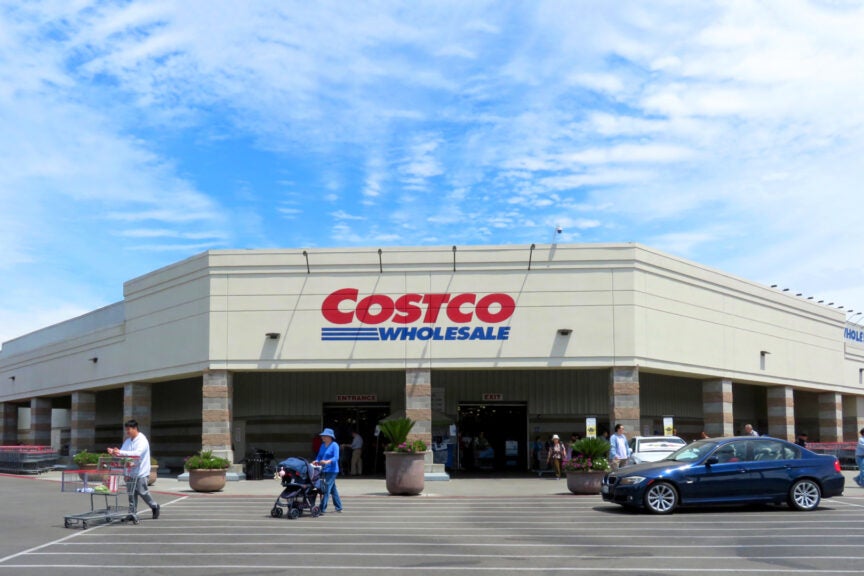
Federal Reserve Holds Rates Steady, Costco Remains Resilient
- Fed Rate Decision: In Kevin Warsh's inaugural meeting, the Federal Reserve unanimously decided to keep the benchmark federal funds rate unchanged at 3.5% to 3.75%, with half of the participants expecting at least one rate hike in 2026, which is disappointing news for investors seeking a more accommodative policy.
- Costco Sales Growth: Despite high inflation and rising interest rates, Costco reported same-store sales (SSS) growth of 14.4% and 3% in fiscal years 2022 and 2023 respectively, demonstrating its resilience in uncertain economic conditions, as consumer demand for low-priced, high-quality goods remains strong.
- Pandemic Performance: During the COVID-19 pandemic in 2020, Costco achieved a 7.7% increase in same-store sales, establishing itself as a reliable one-stop shop for households, which highlights its stability and sustained market demand during crises.
- Valuation Risks: Although Costco's stable financial performance keeps its stock price high, with a current price-to-earnings ratio of 47.9, investors should carefully consider whether to add this stock in an uncertain economic environment, as the lack of margin of safety could pose risks.
See More
Target Commits $2 Billion to Enhance Customer Experience Amid Challenges


- Customer Experience Investment: Target has announced a commitment of over $2 billion over the next few years, including $1 billion specifically aimed at enhancing customer experience, which is intended to improve store environments, inventory management, and operational processes, thereby increasing customer satisfaction and attracting more shoppers.
- Employee Training Enhancement: As of Q1 2026, Target has provided guest experience training to over 300,000 team members, aiming to improve service quality through clear behavioral standards and accountability, with early data indicating improvements in customer satisfaction metrics.
- Market Competition Strategy: In response to pressures from competitors like Walmart, Amazon, and Costco, Target is focusing on enhancing customer experience rather than solely competing on price, demonstrating strategic flexibility in a challenging retail environment.
- Long-Term Profit Potential: Despite the intense competition in the current retail landscape, Target's investment is viewed as a growth investment, expected to drive sales growth and market share increase by improving shopping experiences, reflecting management's confidence in future development.
See More

U.S. Food Companies Navigate Changes to SNAP Policies

- Impact of SNAP Policies: As of May, the USDA has approved food restriction waivers in 23 states affecting about one-third of SNAP participants, with estimates suggesting a potential $830 million drop in food and beverage sales this year, compelling companies to reassess their product lines to adapt to shifting consumer spending.
- Consumer Spending Pressure: Kroger CEO Greg Foran highlighted that customers are under financial pressure due to reduced SNAP benefits and rising gas prices, leading to more cautious shopping behavior, indicating that changes in market demand could significantly influence food companies' sales strategies.
- Legislative Push for Healthy Eating: Iowa has become the first state to codify elements of the
See More
Costco Thrives Amid Inflation, Sales Surge
- Inflation-Driven Sales: With inflation hitting 4.2% in May, Costco's low-price strategy has made it an essential part of consumers' lives, driving sales growth and restoring market confidence.
- Fuel Sales Surge: In the fiscal Q3 2026, comparable-store fuel sales grew approximately 20%, while overall comps increased by 9.8%, attracting new users and positioning fuel sales as a long-term growth driver.
- Membership Model Advantage: Costco's membership model attracts a wealthier customer base that demonstrates resilience during economic challenges, thereby driving store sales momentum and ensuring strong performance in any economic climate.
- Oil Price Impact on Sales: While higher oil prices hurt retailers, Costco benefited from inflated fuel prices by about 2.2% in the quarter, showcasing its adaptability and competitive edge amid economic fluctuations.
See More
Rising Fuel Prices Drive Costco's Gas Station Expansion
- Gas Station Expansion: Costco is expanding its gas station network to capitalize on increased customer traffic due to rising fuel prices, which is expected to further drive sales growth and enhance customer loyalty.
- Accelerated Sales Growth: In the fiscal third quarter of 2026, Costco's comparable fuel sales grew approximately 20%, while overall comparable sales increased by 9.8%, indicating a positive impact of high fuel prices on its sales.
- Changing Consumer Spending Patterns: As fuel prices rise, customers tend to increase their in-store spending after refueling at Costco, a trend that is anticipated to become a long-term growth driver, further boosting the company's performance.
- Economic Resilience: Costco attracts a more affluent customer base that demonstrates stronger spending power during economic challenges, allowing the company to maintain robust sales momentum in any economic environment.
See More
High Inflation Influences Federal Reserve Policy
- Federal Reserve Policy Shift: Due to persistently high inflation, the Federal Reserve has opted to keep the benchmark federal funds rate unchanged between 3.5% and 3.75%, with half of the meeting participants anticipating at least one rate hike in 2026, which is unwelcome news for investors seeking a more accommodative monetary policy.
- Strong Sales Performance: Despite economic uncertainties, Costco achieved same-store sales growth of 14.4% in fiscal 2022 and 3% in fiscal 2023, demonstrating resilience in a high-inflation environment where consumer demand for low-priced, high-quality goods remains consistent.
- Recent Sales Data Highlights: During the four-week period ending May 31, Costco reported a same-store sales increase of 12.5%, and even excluding changes in gas prices and foreign exchange, this key metric rose by 8%, indicating its ongoing appeal in the current economic climate.
- Valuation Risks: Although Costco's financial performance is stable, the market demands a price-to-earnings ratio of 47.9, suggesting that the stock is highly valued and may lack a margin of safety, prompting caution for investors considering adding to their positions.
See More
Federal Reserve Holds Rates Steady, Costco Remains Resilient
- Fed Rate Decision: In Kevin Warsh's inaugural meeting, the Federal Reserve unanimously decided to keep the benchmark federal funds rate unchanged at 3.5% to 3.75%, with half of the participants expecting at least one rate hike in 2026, which is disappointing news for investors seeking a more accommodative policy.
- Costco Sales Growth: Despite high inflation and rising interest rates, Costco reported same-store sales (SSS) growth of 14.4% and 3% in fiscal years 2022 and 2023 respectively, demonstrating its resilience in uncertain economic conditions, as consumer demand for low-priced, high-quality goods remains strong.
- Pandemic Performance: During the COVID-19 pandemic in 2020, Costco achieved a 7.7% increase in same-store sales, establishing itself as a reliable one-stop shop for households, which highlights its stability and sustained market demand during crises.
- Valuation Risks: Although Costco's stable financial performance keeps its stock price high, with a current price-to-earnings ratio of 47.9, investors should carefully consider whether to add this stock in an uncertain economic environment, as the lack of margin of safety could pose risks.
See More
Target Commits $2 Billion to Enhance Customer Experience Amid Challenges
- Customer Experience Investment: Target has announced a commitment of over $2 billion over the next few years, including $1 billion specifically aimed at enhancing customer experience, which is intended to improve store environments, inventory management, and operational processes, thereby increasing customer satisfaction and attracting more shoppers.
- Employee Training Enhancement: As of Q1 2026, Target has provided guest experience training to over 300,000 team members, aiming to improve service quality through clear behavioral standards and accountability, with early data indicating improvements in customer satisfaction metrics.
- Market Competition Strategy: In response to pressures from competitors like Walmart, Amazon, and Costco, Target is focusing on enhancing customer experience rather than solely competing on price, demonstrating strategic flexibility in a challenging retail environment.
- Long-Term Profit Potential: Despite the intense competition in the current retail landscape, Target's investment is viewed as a growth investment, expected to drive sales growth and market share increase by improving shopping experiences, reflecting management's confidence in future development.
See More
U.S. Food Companies Navigate Changes to SNAP Policies
- Impact of SNAP Policies: As of May, the USDA has approved food restriction waivers in 23 states affecting about one-third of SNAP participants, with estimates suggesting a potential $830 million drop in food and beverage sales this year, compelling companies to reassess their product lines to adapt to shifting consumer spending.
- Consumer Spending Pressure: Kroger CEO Greg Foran highlighted that customers are under financial pressure due to reduced SNAP benefits and rising gas prices, leading to more cautious shopping behavior, indicating that changes in market demand could significantly influence food companies' sales strategies.
- Legislative Push for Healthy Eating: Iowa has become the first state to codify elements of the
See More