Fed Holds Rates Amid Complex Economic Forces
Written by Emily J. Thompson, Senior Investment Analyst
Updated: 2 days ago
0mins
Source: CNBC
- Rate Decision Stays Steady: The Federal Reserve has opted to maintain its key interest rate between 3.5%-3.75% amidst a complex economic backdrop, reflecting confidence in economic stability despite market expectations of no rate cuts in the near future.
- Market Expectation Shift: The impact of the Iran war on oil prices and inflation has altered market expectations, with traders previously anticipating a June rate cut now almost entirely ruling out any cuts in April, indicating a significant recalibration of market sentiment.
- Uncertain Future Outlook: The Fed is set to update its Summary of Economic Projections, with most observers expecting minimal changes to growth and inflation forecasts, highlighting a cautious approach to future economic conditions amid ongoing geopolitical tensions.
- Political Pressure Impact: President Trump continues to pressure the Fed for rate cuts and has criticized Chair Powell, while Powell's successor nomination is stalled due to legal issues, raising concerns about the potential influence of political factors on the Fed's independence and decision-making process.
Trade with 70% Backtested Accuracy
Stop guessing "Should I Buy CME?" and start using high-conviction signals backed by rigorous historical data.
Sign up today to access powerful investing tools and make smarter, data-driven decisions.
Analyst Views on CME
Wall Street analysts forecast CME stock price to fall
10 Analyst Rating
4 Buy
4 Hold
2 Sell
Hold
Current: 308.900

Low
209.00
Averages
285.90
High
320.00
Current: 308.900
Low
209.00
Averages
285.90
High
320.00
About CME
CME Group Inc. provides a derivatives marketplace. The Company enables clients to trade futures, options, cash and over the counter (OTC) markets, optimize portfolios, and analyze data. It exchanges offer a range of global benchmark products across all major asset classes based on interest rates, equity indexes, foreign exchange (FX), energy, agricultural products and metals. It offers futures and options on futures trading through the CME Globex platform, fixed income trading via BrokerTec and FX trading on the EBS platform. In addition, it operates central counterparty clearing provider, CME Clearing. Its products provide a means for hedging, speculation and asset allocation related to the risks associated with, among other things, interest rate sensitive instruments, and changes in the prices of agricultural, energy and metal commodities. It provides clearing and settlement services for a range of exchange-traded futures and options on futures contracts and OTC derivatives.
About the author

Emily J. Thompson
Emily J. Thompson, a Chartered Financial Analyst (CFA) with 12 years in investment research, graduated with honors from the Wharton School. Specializing in industrial and technology stocks, she provides in-depth analysis for Intellectia’s earnings and market brief reports.
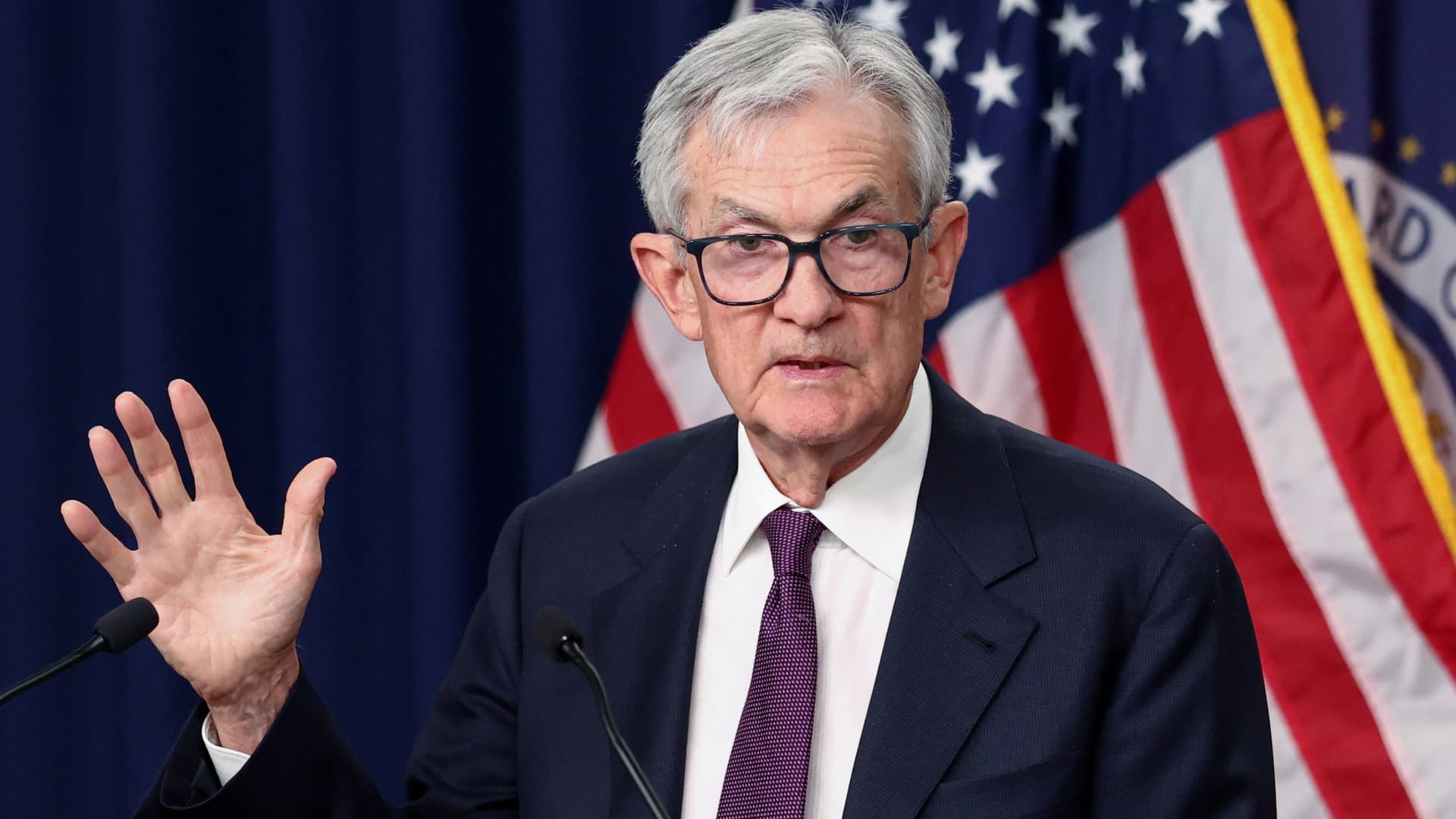
Fed's Optimistic Outlook Triggers Market Concerns

- Fed Meeting Reaction: Despite Fed Chair Jerome Powell's optimistic view on economic conditions, the lack of job growth and inflation exceeding the 2% target have led investors to completely abandon expectations for any interest rate cuts this year, resulting in a decline in stock prices.
- Market Response Analysis: Market veteran Ed Yardeni referred to the reaction as a 'taper tantrum,' indicating that investors concluded monetary policy may be limited in addressing the economic consequences of the escalating conflict in the Middle East, which contributed to negative equity index futures.
- Interest Rate Expectation Shift: According to CME Group's FedWatch analysis, the probability of a rate cut has dropped to 17.2%, while the likelihood of a rate hike has risen to 8.4%, reflecting increasing uncertainty regarding the Fed's policy direction.
- Future Outlook: Powell emphasized the economy's ability to absorb shocks, yet the market remains cautious about future monetary policy, with no rate cuts anticipated in the upcoming meeting on April 28-29, and a potential risk of rate hikes looming.
See More

Federal Reserve Adjusts Interest Rate Outlook
- Interest Rate Expectations: Despite a spike in oil prices due to the Iran war, the Federal Reserve still anticipates a rate cut this year, with the latest dot plot showing a median federal funds rate estimate of 3.4% for 2026, unchanged from last year's projections, indicating a cautious adjustment in rate cut expectations.
- Reduced Rate Cut Forecasts: Fed Chair Jerome Powell noted that while the median estimate remained stable, more members shifted their forecasts from two cuts to one, reflecting differing views on future economic conditions that could impact market confidence in monetary policy.
- Rising Inflation Projections: The Fed's Summary of Economic Projections revealed an increase in personal consumption expenditures inflation expectations to 2.7% for 2026, up from 2.4% in December, which may lead to tighter monetary policy in response to inflationary pressures.
- GDP Growth Outlook: The forecast for real GDP growth in 2026 was raised from 2.3% to 2.4%, indicating a faster pace of economic growth that could influence the Fed's decisions, especially amid rising inflation concerns.
See More
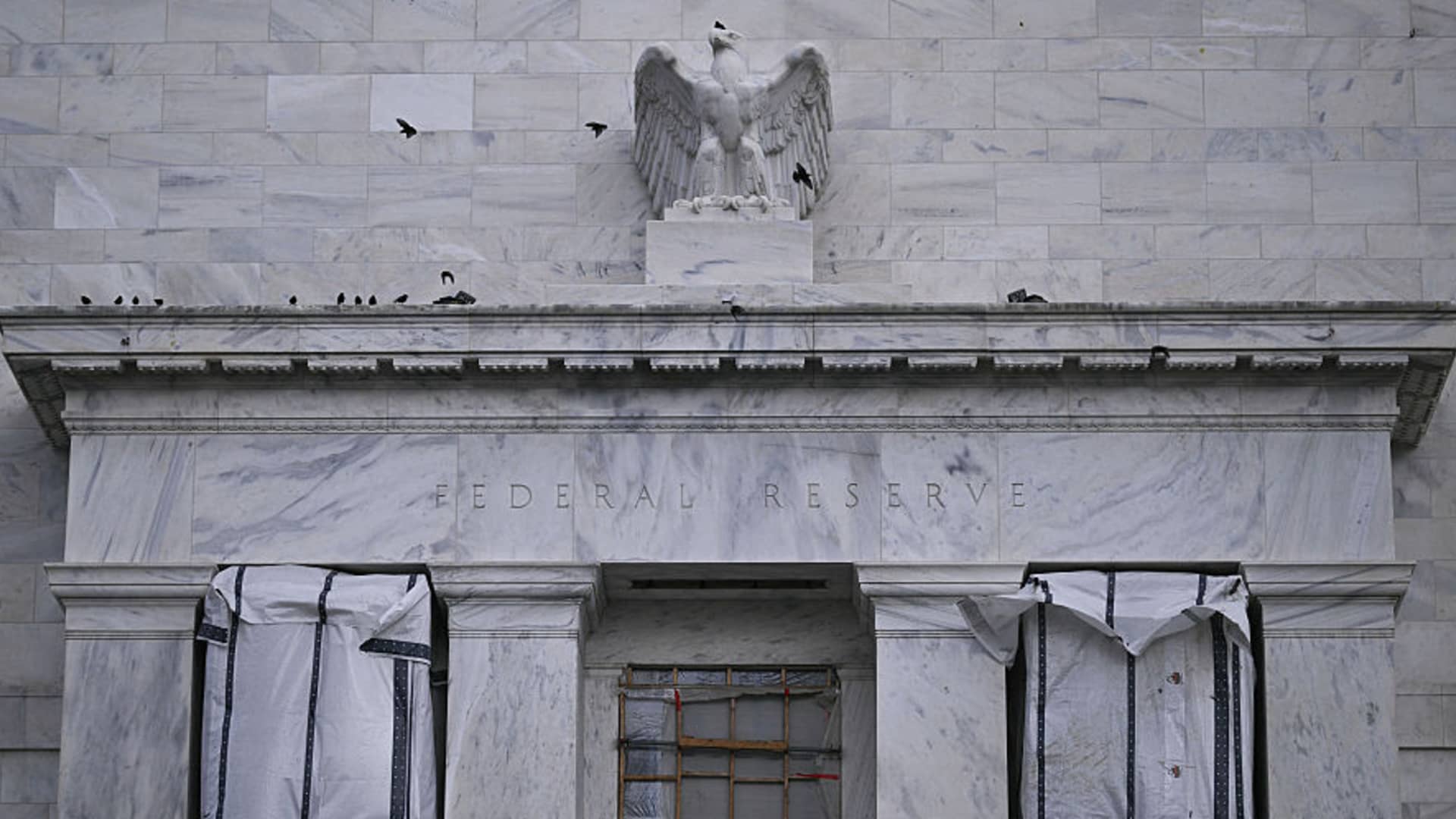
Federal Reserve Rate Hike Expectations Rise Amid Inflation Data

- Inflation Data Impact: February's wholesale inflation exceeded expectations with the producer price index (PPI) posting its largest annual gain, leading traders to reassess the likelihood of Federal Reserve rate cuts, effectively ruling them out for the year.
- Rate Decision Outlook: According to CME's FedWatch tool, the probability of a June rate cut has dropped to 18.4%, with July at 31.5% and September at 43.6%, indicating a significant decline in market confidence regarding future cuts amid persistent inflation pressures.
- Fed's Stance Shift: Economist Eugenio Aleman noted that today's FOMC statement may lean towards a 'higher for longer' approach, suggesting that even if rates remain unchanged, multiple dissents could indicate a hawkish tone within the committee.
- Market Expectation Volatility: While the probability of a December cut stands at 60.5%, the market's conviction is relatively low; historically, probabilities above 60% have been associated with Fed policy changes, and future economic developments could further influence these expectations.
See More
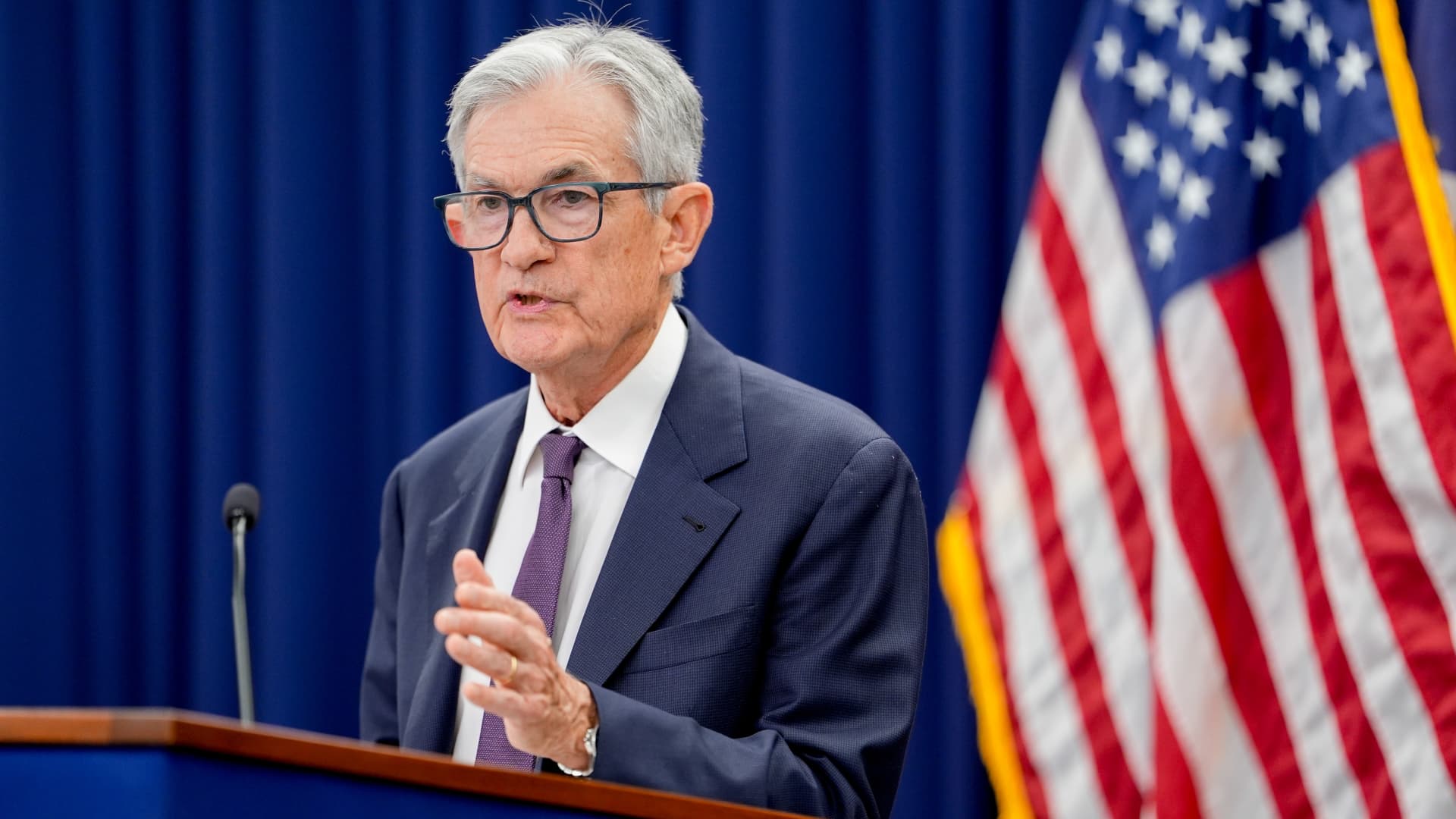
Fed Holds Rates Amid Complex Economic Forces
- Rate Decision Stays Steady: The Federal Reserve has opted to maintain its key interest rate between 3.5%-3.75% amidst a complex economic backdrop, reflecting confidence in economic stability despite market expectations of no rate cuts in the near future.
- Market Expectation Shift: The impact of the Iran war on oil prices and inflation has altered market expectations, with traders previously anticipating a June rate cut now almost entirely ruling out any cuts in April, indicating a significant recalibration of market sentiment.
- Uncertain Future Outlook: The Fed is set to update its Summary of Economic Projections, with most observers expecting minimal changes to growth and inflation forecasts, highlighting a cautious approach to future economic conditions amid ongoing geopolitical tensions.
- Political Pressure Impact: President Trump continues to pressure the Fed for rate cuts and has criticized Chair Powell, while Powell's successor nomination is stalled due to legal issues, raising concerns about the potential influence of political factors on the Fed's independence and decision-making process.
See More
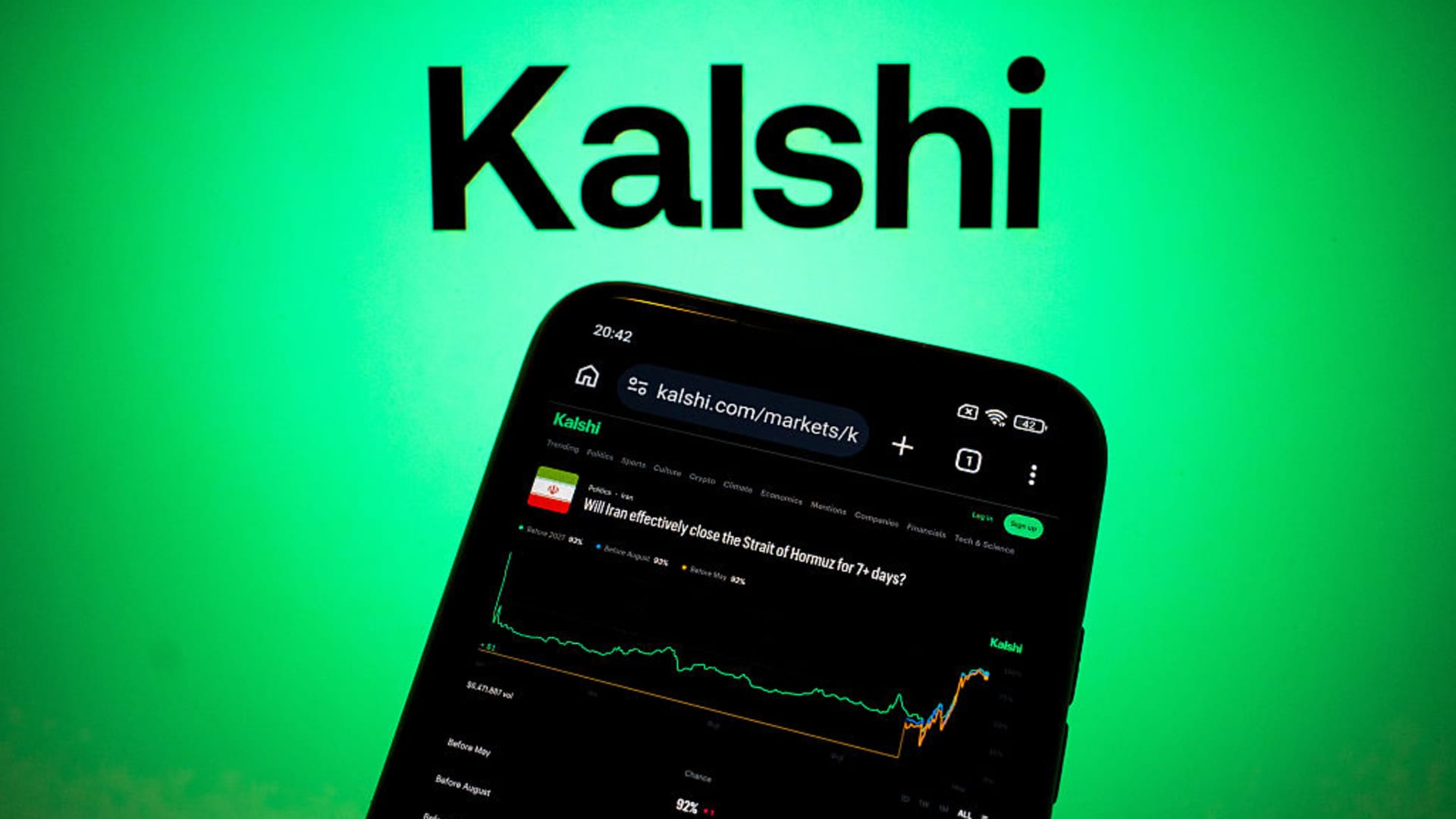
Kalshi Faces Criminal Charges in Arizona Over Betting Operations


- Legal Escalation: Arizona's Attorney General has filed 20 misdemeanor charges against Kalshi for accepting various bets, including state election wagers, without a license, highlighting the increasing legal risks the company faces in the wake of regulatory scrutiny.
- Regulatory Disputes: Multiple states, including Michigan and Massachusetts, have initiated civil lawsuits against Kalshi, aiming to halt its operations or compel compliance with gambling license requirements, reflecting the ongoing battle over regulatory authority in prediction markets.
- Legal Strategy: Kalshi has preemptively sued to prevent punitive actions from other states, although Arizona's Attorney General described this as
See More

Iran War May Drive U.S. Inflation and Unemployment Higher
- Rising Inflation Expectations: A survey from Duke University indicates that former Fed officials project a 3% inflation rate for 2026, exceeding the Fed's 2% target, which could lead to reduced consumer spending and impact economic growth.
- Unemployment Rate Forecast: The survey reveals that former officials anticipate an unemployment rate of 4.6%, higher than the Fed's December estimate of 4.4%, suggesting increased pressure on the labor market and overall economic stability.
- Slower Economic Growth: Former Fed officials generally believe that economic growth will be lower than previously estimated; while the U.S. is not currently in recession, ongoing Middle Eastern conflicts and global oil price fluctuations could heighten economic uncertainty and influence future policy decisions.
- Need for Policy Stability: Most respondents indicated that the Fed may need to keep interest rates steady in 2026 to address the dual pressures of rising inflation and unemployment, potentially limiting the flexibility of monetary policy.
See More
Fed's Optimistic Outlook Triggers Market Concerns
- Fed Meeting Reaction: Despite Fed Chair Jerome Powell's optimistic view on economic conditions, the lack of job growth and inflation exceeding the 2% target have led investors to completely abandon expectations for any interest rate cuts this year, resulting in a decline in stock prices.
- Market Response Analysis: Market veteran Ed Yardeni referred to the reaction as a 'taper tantrum,' indicating that investors concluded monetary policy may be limited in addressing the economic consequences of the escalating conflict in the Middle East, which contributed to negative equity index futures.
- Interest Rate Expectation Shift: According to CME Group's FedWatch analysis, the probability of a rate cut has dropped to 17.2%, while the likelihood of a rate hike has risen to 8.4%, reflecting increasing uncertainty regarding the Fed's policy direction.
- Future Outlook: Powell emphasized the economy's ability to absorb shocks, yet the market remains cautious about future monetary policy, with no rate cuts anticipated in the upcoming meeting on April 28-29, and a potential risk of rate hikes looming.
See More
Federal Reserve Adjusts Interest Rate Outlook
- Interest Rate Expectations: Despite a spike in oil prices due to the Iran war, the Federal Reserve still anticipates a rate cut this year, with the latest dot plot showing a median federal funds rate estimate of 3.4% for 2026, unchanged from last year's projections, indicating a cautious adjustment in rate cut expectations.
- Reduced Rate Cut Forecasts: Fed Chair Jerome Powell noted that while the median estimate remained stable, more members shifted their forecasts from two cuts to one, reflecting differing views on future economic conditions that could impact market confidence in monetary policy.
- Rising Inflation Projections: The Fed's Summary of Economic Projections revealed an increase in personal consumption expenditures inflation expectations to 2.7% for 2026, up from 2.4% in December, which may lead to tighter monetary policy in response to inflationary pressures.
- GDP Growth Outlook: The forecast for real GDP growth in 2026 was raised from 2.3% to 2.4%, indicating a faster pace of economic growth that could influence the Fed's decisions, especially amid rising inflation concerns.
See More
Federal Reserve Rate Hike Expectations Rise Amid Inflation Data
- Inflation Data Impact: February's wholesale inflation exceeded expectations with the producer price index (PPI) posting its largest annual gain, leading traders to reassess the likelihood of Federal Reserve rate cuts, effectively ruling them out for the year.
- Rate Decision Outlook: According to CME's FedWatch tool, the probability of a June rate cut has dropped to 18.4%, with July at 31.5% and September at 43.6%, indicating a significant decline in market confidence regarding future cuts amid persistent inflation pressures.
- Fed's Stance Shift: Economist Eugenio Aleman noted that today's FOMC statement may lean towards a 'higher for longer' approach, suggesting that even if rates remain unchanged, multiple dissents could indicate a hawkish tone within the committee.
- Market Expectation Volatility: While the probability of a December cut stands at 60.5%, the market's conviction is relatively low; historically, probabilities above 60% have been associated with Fed policy changes, and future economic developments could further influence these expectations.
See More
Fed Holds Rates Amid Complex Economic Forces
- Rate Decision Stays Steady: The Federal Reserve has opted to maintain its key interest rate between 3.5%-3.75% amidst a complex economic backdrop, reflecting confidence in economic stability despite market expectations of no rate cuts in the near future.
- Market Expectation Shift: The impact of the Iran war on oil prices and inflation has altered market expectations, with traders previously anticipating a June rate cut now almost entirely ruling out any cuts in April, indicating a significant recalibration of market sentiment.
- Uncertain Future Outlook: The Fed is set to update its Summary of Economic Projections, with most observers expecting minimal changes to growth and inflation forecasts, highlighting a cautious approach to future economic conditions amid ongoing geopolitical tensions.
- Political Pressure Impact: President Trump continues to pressure the Fed for rate cuts and has criticized Chair Powell, while Powell's successor nomination is stalled due to legal issues, raising concerns about the potential influence of political factors on the Fed's independence and decision-making process.
See More
Kalshi Faces Criminal Charges in Arizona Over Betting Operations
- Legal Escalation: Arizona's Attorney General has filed 20 misdemeanor charges against Kalshi for accepting various bets, including state election wagers, without a license, highlighting the increasing legal risks the company faces in the wake of regulatory scrutiny.
- Regulatory Disputes: Multiple states, including Michigan and Massachusetts, have initiated civil lawsuits against Kalshi, aiming to halt its operations or compel compliance with gambling license requirements, reflecting the ongoing battle over regulatory authority in prediction markets.
- Legal Strategy: Kalshi has preemptively sued to prevent punitive actions from other states, although Arizona's Attorney General described this as
See More
Iran War May Drive U.S. Inflation and Unemployment Higher
- Rising Inflation Expectations: A survey from Duke University indicates that former Fed officials project a 3% inflation rate for 2026, exceeding the Fed's 2% target, which could lead to reduced consumer spending and impact economic growth.
- Unemployment Rate Forecast: The survey reveals that former officials anticipate an unemployment rate of 4.6%, higher than the Fed's December estimate of 4.4%, suggesting increased pressure on the labor market and overall economic stability.
- Slower Economic Growth: Former Fed officials generally believe that economic growth will be lower than previously estimated; while the U.S. is not currently in recession, ongoing Middle Eastern conflicts and global oil price fluctuations could heighten economic uncertainty and influence future policy decisions.
- Need for Policy Stability: Most respondents indicated that the Fed may need to keep interest rates steady in 2026 to address the dual pressures of rising inflation and unemployment, potentially limiting the flexibility of monetary policy.
See More