ExxonMobil and QatarEnergy Complete First LNG Train at Golden Pass
Written by Emily J. Thompson, Senior Investment Analyst
Updated: 7 hours ago
0mins
Should l Buy XOM?
Source: NASDAQ.COM
- Timely Project Completion: ExxonMobil and QatarEnergy have completed the first LNG train at their Golden Pass project in Texas, with a capacity of 6 million metric tons per annum, expected to be fully operational next year, significantly enhancing the company's competitiveness in the global LNG market.
- Market Disruption Impact: The startup of Golden Pass will help fill the 12.8 million metric tons of capacity lost by Qatar due to damage from Iranian attacks, ensuring stability in the LNG supply amid significant disruptions in the global market caused by the blockade of the Strait of Hormuz.
- 2030 Growth Projections: ExxonMobil anticipates achieving $25 billion in annual earnings growth and $35 billion in additional cash flow by 2030, indicating a strong potential for double-digit compound annual growth over the next five years, further solidifying its market position.
- Investment Strategy: The company is actively investing in high-return projects, with Golden Pass being part of its global energy expansion strategy, expected to drive robust earnings and cash flow growth in the next five years, especially given the current high energy prices.
Trade with 70% Backtested Accuracy
Stop guessing "Should I Buy XOM?" and start using high-conviction signals backed by rigorous historical data.
Sign up today to access powerful investing tools and make smarter, data-driven decisions.
Analyst Views on XOM
Wall Street analysts forecast XOM stock price to fall
19 Analyst Rating
12 Buy
7 Hold
0 Sell
Moderate Buy
Current: 169.660

Low
114.00
Averages
132.17
High
158.00
Current: 169.660
Low
114.00
Averages
132.17
High
158.00
About XOM
Exxon Mobil Corporation is an energy provider and chemical manufacturer. The Company’s principal business involves exploration for, and production of, crude oil and natural gas; the manufacture, trade, transport and sale of crude oil, natural gas, petroleum products, petrochemicals and a wide variety of specialty products; and pursuit of lower-emission and other new business opportunities, including carbon capture and storage, hydrogen, lower-emission fuels, Proxxima systems, carbon materials, and lithium. Its Upstream segment explores for and produces crude oil and natural gas. The Energy Products, Chemical Products, and Specialty Products segments manufacture and sell petroleum products and petrochemicals. Energy Products segment includes fuels, aromatics, and catalysts and licensing. Chemical Products segment consists of olefins, polyolefins, and intermediates. Specialty Products segment includes finished lubricants, basestocks and waxes, synthetics, and elastomers and resins.
About the author

Emily J. Thompson
Emily J. Thompson, a Chartered Financial Analyst (CFA) with 12 years in investment research, graduated with honors from the Wharton School. Specializing in industrial and technology stocks, she provides in-depth analysis for Intellectia’s earnings and market brief reports.

ExxonMobil and QatarEnergy Complete First LNG Train at Golden Pass
- Timely Project Completion: ExxonMobil and QatarEnergy have completed the first LNG train at their Golden Pass project in Texas, with a capacity of 6 million metric tons per annum, expected to be fully operational next year, significantly enhancing the company's competitiveness in the global LNG market.
- Market Disruption Impact: The startup of Golden Pass will help fill the 12.8 million metric tons of capacity lost by Qatar due to damage from Iranian attacks, ensuring stability in the LNG supply amid significant disruptions in the global market caused by the blockade of the Strait of Hormuz.
- 2030 Growth Projections: ExxonMobil anticipates achieving $25 billion in annual earnings growth and $35 billion in additional cash flow by 2030, indicating a strong potential for double-digit compound annual growth over the next five years, further solidifying its market position.
- Investment Strategy: The company is actively investing in high-return projects, with Golden Pass being part of its global energy expansion strategy, expected to drive robust earnings and cash flow growth in the next five years, especially given the current high energy prices.
See More

Analysis of Large-Cap Stocks by Relative Strength Index

- Overbought Stock Rankings: Smithfield Foods, Inc. (SFD) leads the list with a Relative Strength Index (RSI) of 79, indicating strong market performance that may attract more investor interest.
- Energy Sector Dominance: Both APA Corporation (APA) and Occidental Petroleum Corporation (OXY) follow closely with an RSI of 76, reflecting robust demand and investor confidence in the energy sector amid current market conditions.
- High-Rated Stocks: Despite being classified as overbought, Exxon Mobil (XOM) and LyondellBasell Industries (LYB) maintain strong buy ratings of 4.95 and 4.80 respectively, showcasing their continued appeal among investors.
- RSI Indicator Analysis: The Relative Strength Index (RSI) serves as a momentum oscillator that measures the speed and magnitude of price changes, typically used to assess overbought or oversold conditions, thereby aiding investors in making more informed trading decisions.
See More

High Net Worth Investors Navigate Market Volatility Amid Geopolitical Tensions


- Cash is King: R360's ultra-high net worth investors are currently holding up to 30% in cash and short-duration debt, reflecting a strategy to maintain liquidity amidst market volatility, emphasizing a long-term investment philosophy.
- Treasury Market Opportunities: With the 10-year Treasury yield rising to 4.3%, high net worth investors are showing strong interest in intermediate fixed income products, indicating an increasing demand for stable returns in the current interest rate environment.
- Tech Stock Buying Opportunities: Sameer Samana from Wells Fargo notes that the sharp pullback in equities has created opportunities for high net worth investors to buy tech stocks at more reasonable valuations, particularly in the software and hardware sectors, reflecting confidence in future growth potential.
- Energy and Commodity Investments: Charlie Garcia from R360 states that investors have shifted 40% of their new money into energy and commodities, particularly Canadian Natural Resources and major oil companies, signaling a long-term bullish outlook on the energy market despite potential short-term oil price fluctuations.
See More

Energy Stocks Surge Amid Market Decline

- Energy Sector Outperformance: In March, the energy sector of the S&P 500 index rose approximately 11.9%, contrasting sharply with declines in all other sectors, highlighting the resilience of the energy industry amid market turmoil.
- Oil Price Surge Impact: The price of Brent crude oil has surged 55% since late February due to the Middle East war and the closure of the Strait of Hormuz, directly driving stock prices higher for energy companies, with Occidental Petroleum up 26% and Marathon Petroleum up 24.8%.
- Rising Gasoline Prices: The average price of regular gasoline in the U.S. has climbed over $1 to about $4, significantly boosting profits for energy companies and further solidifying their market position.
- Optimistic Future Outlook: While the market anticipates a potential decline in oil prices in the coming months, energy companies are expected to benefit from elevated prices through 2026, especially as much infrastructure and strategic reserves have been damaged, keeping energy stocks attractive.
See More

Energy Stocks Thrive Amid Oil Price Surge
- Strong Energy Sector Performance: In March, energy stocks collectively rose by approximately 11.9%, making it the only sector of the S&P 500 to gain, indicating robust industry performance amid rising oil prices, with expectations for continued benefits into 2026.
- Context of Rising Oil Prices: The price of Brent crude has surged by 55% since late February due to the Middle East war and the closure of the Strait of Hormuz, which has directly contributed to a more than $1 increase in U.S. gasoline prices, reaching an average of about $4 nationwide.
- Performance of Major Companies: Companies like Occidental Petroleum (OXY) saw a 26% increase in March, Marathon Petroleum (MPC) rose by 24.8%, and ExxonMobil (XOM) increased by 13.3%, highlighting the significant profitability of energy firms in the current market environment.
- Future Outlook: While the market anticipates a potential decline in oil prices over the coming months, energy companies are expected to achieve better-than-expected earnings in 2026, as damage to infrastructure and reduced strategic reserves will likely keep oil prices elevated for an extended period.
See More
Exxon Mobil Shares Plunge 5.7% Amid Energy Sector Decline
- Significant Stock Drop: Exxon Mobil (XOM) fell 5.7% in Wednesday's trading, marking its largest decline since April 10, 2025, as optimism over a potential end to the Middle East conflict led to a drop in oil prices, adversely affecting energy stocks.
- Poor Energy Sector Performance: The energy sector was the worst-performing industry of the day, with 11 of the 15 largest losers being oil and gas stocks, indicating strong profit-taking sentiment after a 37% surge in Q1.
- Declining Oil Prices Impact: Front-month Nymex crude for May delivery fell 2% to $99.37 per barrel, while front-month Brent crude for June delivery dropped 2.8% to $101.00 per barrel, directly impacting the stock performance of related companies and exacerbating market panic.
- Shift in Market Sentiment: President Trump signaled a potential wind-down of the war, prompting investors to quickly adjust their positions, resulting in widespread declines in oil and gas stocks, reflecting market caution regarding future oil price trends and energy stock investments.
See More
ExxonMobil and QatarEnergy Complete First LNG Train at Golden Pass
- Timely Project Completion: ExxonMobil and QatarEnergy have completed the first LNG train at their Golden Pass project in Texas, with a capacity of 6 million metric tons per annum, expected to be fully operational next year, significantly enhancing the company's competitiveness in the global LNG market.
- Market Disruption Impact: The startup of Golden Pass will help fill the 12.8 million metric tons of capacity lost by Qatar due to damage from Iranian attacks, ensuring stability in the LNG supply amid significant disruptions in the global market caused by the blockade of the Strait of Hormuz.
- 2030 Growth Projections: ExxonMobil anticipates achieving $25 billion in annual earnings growth and $35 billion in additional cash flow by 2030, indicating a strong potential for double-digit compound annual growth over the next five years, further solidifying its market position.
- Investment Strategy: The company is actively investing in high-return projects, with Golden Pass being part of its global energy expansion strategy, expected to drive robust earnings and cash flow growth in the next five years, especially given the current high energy prices.
See More
Analysis of Large-Cap Stocks by Relative Strength Index
- Overbought Stock Rankings: Smithfield Foods, Inc. (SFD) leads the list with a Relative Strength Index (RSI) of 79, indicating strong market performance that may attract more investor interest.
- Energy Sector Dominance: Both APA Corporation (APA) and Occidental Petroleum Corporation (OXY) follow closely with an RSI of 76, reflecting robust demand and investor confidence in the energy sector amid current market conditions.
- High-Rated Stocks: Despite being classified as overbought, Exxon Mobil (XOM) and LyondellBasell Industries (LYB) maintain strong buy ratings of 4.95 and 4.80 respectively, showcasing their continued appeal among investors.
- RSI Indicator Analysis: The Relative Strength Index (RSI) serves as a momentum oscillator that measures the speed and magnitude of price changes, typically used to assess overbought or oversold conditions, thereby aiding investors in making more informed trading decisions.
See More
High Net Worth Investors Navigate Market Volatility Amid Geopolitical Tensions
- Cash is King: R360's ultra-high net worth investors are currently holding up to 30% in cash and short-duration debt, reflecting a strategy to maintain liquidity amidst market volatility, emphasizing a long-term investment philosophy.
- Treasury Market Opportunities: With the 10-year Treasury yield rising to 4.3%, high net worth investors are showing strong interest in intermediate fixed income products, indicating an increasing demand for stable returns in the current interest rate environment.
- Tech Stock Buying Opportunities: Sameer Samana from Wells Fargo notes that the sharp pullback in equities has created opportunities for high net worth investors to buy tech stocks at more reasonable valuations, particularly in the software and hardware sectors, reflecting confidence in future growth potential.
- Energy and Commodity Investments: Charlie Garcia from R360 states that investors have shifted 40% of their new money into energy and commodities, particularly Canadian Natural Resources and major oil companies, signaling a long-term bullish outlook on the energy market despite potential short-term oil price fluctuations.
See More
Energy Stocks Surge Amid Market Decline
- Energy Sector Outperformance: In March, the energy sector of the S&P 500 index rose approximately 11.9%, contrasting sharply with declines in all other sectors, highlighting the resilience of the energy industry amid market turmoil.
- Oil Price Surge Impact: The price of Brent crude oil has surged 55% since late February due to the Middle East war and the closure of the Strait of Hormuz, directly driving stock prices higher for energy companies, with Occidental Petroleum up 26% and Marathon Petroleum up 24.8%.
- Rising Gasoline Prices: The average price of regular gasoline in the U.S. has climbed over $1 to about $4, significantly boosting profits for energy companies and further solidifying their market position.
- Optimistic Future Outlook: While the market anticipates a potential decline in oil prices in the coming months, energy companies are expected to benefit from elevated prices through 2026, especially as much infrastructure and strategic reserves have been damaged, keeping energy stocks attractive.
See More
Energy Stocks Thrive Amid Oil Price Surge
- Strong Energy Sector Performance: In March, energy stocks collectively rose by approximately 11.9%, making it the only sector of the S&P 500 to gain, indicating robust industry performance amid rising oil prices, with expectations for continued benefits into 2026.
- Context of Rising Oil Prices: The price of Brent crude has surged by 55% since late February due to the Middle East war and the closure of the Strait of Hormuz, which has directly contributed to a more than $1 increase in U.S. gasoline prices, reaching an average of about $4 nationwide.
- Performance of Major Companies: Companies like Occidental Petroleum (OXY) saw a 26% increase in March, Marathon Petroleum (MPC) rose by 24.8%, and ExxonMobil (XOM) increased by 13.3%, highlighting the significant profitability of energy firms in the current market environment.
- Future Outlook: While the market anticipates a potential decline in oil prices over the coming months, energy companies are expected to achieve better-than-expected earnings in 2026, as damage to infrastructure and reduced strategic reserves will likely keep oil prices elevated for an extended period.
See More
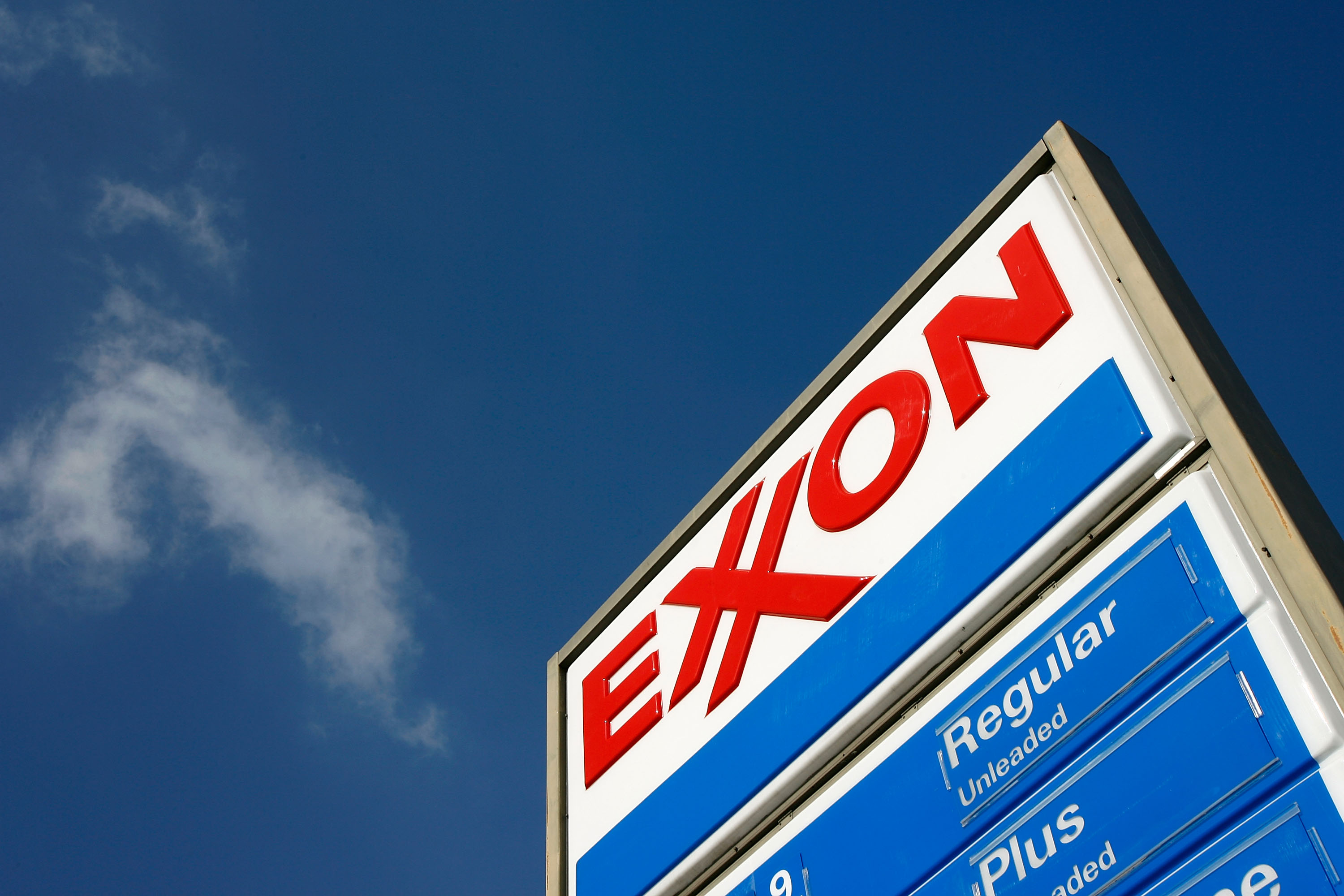
Exxon Mobil Shares Plunge 5.7% Amid Energy Sector Decline
- Significant Stock Drop: Exxon Mobil (XOM) fell 5.7% in Wednesday's trading, marking its largest decline since April 10, 2025, as optimism over a potential end to the Middle East conflict led to a drop in oil prices, adversely affecting energy stocks.
- Poor Energy Sector Performance: The energy sector was the worst-performing industry of the day, with 11 of the 15 largest losers being oil and gas stocks, indicating strong profit-taking sentiment after a 37% surge in Q1.
- Declining Oil Prices Impact: Front-month Nymex crude for May delivery fell 2% to $99.37 per barrel, while front-month Brent crude for June delivery dropped 2.8% to $101.00 per barrel, directly impacting the stock performance of related companies and exacerbating market panic.
- Shift in Market Sentiment: President Trump signaled a potential wind-down of the war, prompting investors to quickly adjust their positions, resulting in widespread declines in oil and gas stocks, reflecting market caution regarding future oil price trends and energy stock investments.
See More