Evernorth Files for First Public XRP Treasury Company


Evernorth's XRP treasury SPAC and Morgan Stanley's in-house bitcoin ETF filing show how corporate balance sheets and wirehouse distribution are moving deeper into digital assets just as U.S. regulators finalize a commodity taxonomy and greenlight tokenized securities venues. Spot bitcoin ETF flows flickered negative midweek, giving equity investors a first test of how durable the latest inflow streak really is. Stay up on the crypto news that matters with "Crypto Currents," daily from The Fly. Join us at 2 PM ET for your essential briefing on the fast-moving world of cryptocurrency on FlyCast radio.EVERNORTH FILES FOR FIRST PUBLIC XRP TREASURY COMPANY:Evernorth, the Ripple-backed XRPtreasury firm, filed awith the SEC, advancing its plan to become the first publicly traded XRP treasury company on a major U.S. exchange. For equity investors who watched Strategytransform from a legacy software company into a leveraged bitcoin holding vehicle, the architecture here is immediately recognizable, and intentionally so. The deal's mechanics are straightforward: Evernorth will merge with Armada Acquisition Corp. II, a SPAC already trading on a U.S. exchange, with the combined entity targeting a Nasdaq listing under the proposed ticker 'XRPN'. The transaction is projected to generate over $1B in gross proceeds, backed by a consortium that reads like a who's-who of crypto institutional capital: Ripple, SBI, Pantera Capital, Kraken, and GSR. Overwhelmingly, those proceeds are earmarked for one purpose, buying more XRP.The company is not starting from zero., accumulated across two purchase windows between October 20 and November 4, 2025, at an average entry price of $2.54 per token. With XRP trading around $1.47 at time of publication, that existing position is roughly 42% underwater, a material fact that belongs prominently in any investor's due-diligence file. The S-4 estimates the merged entity will hold at least that volume at launch, meaning XRPN shareholders will immediately inherit an unrealized loss in the treasury position. That underwater entry point is the single most important risk factor equity investors should stress-test before this stock ever trades. Strategy's model worked in part because bitcoin's long-term appreciation absorbed periods of drawdown; XRP's price history is far more idiosyncratic, driven heavily by litigation outcomes, Ripple's own token releases, and retail sentiment cycles. The SEC's March 17 guidance explicitly classifying XRP as a digital commodity, alongside bitcoin, ether, dogecoin, avalanche, and aptos, removes the securities-law overhang that suppressed XRP's institutional adoption for years. But regulatory clarity is not the same as price recovery.have framed this as "Is Evernorth the Strategy of XRP?" and the. Use public equity and debt markets to systematically accumulate a digital asset on the balance sheet, offering institutional investors indirect crypto exposure through a familiar equity wrapper. What that framing obscures is that Strategy's model succeeded over a multi-year accumulation campaign, not a single pre-IPO buy window executed at a price 42% above current market. SEC approval of the S-4 is the remaining regulatory gate; Armada II shareholder approval is also required before the deal formally closes. Neither is guaranteed, and the SEC's current queue ofmeans the timeline is uncertain. Equity investors who want XRP exposure today have a liquid alternative in the spot XRP market itself; the premium (or discount) at which XRPN trades relative to its net asset value will be the critical valuation metric once it lists.MORGAN STANLEY SHARPENS ITS IN-HOUSE BITCOIN ETF:Morgan Stanleysubmitted aon March 18. The fund would trade under the ticker 'MSBT' on NYSE Arca. This is the operational-detail amendment that matters: Coinbase Custody will safeguard bitcoin holdings in cold storage. Bank of New York Mellonwill handle cash custody and administrative operations. Daily NAV will be calculated using the CoinDesk Bitcoin Benchmark at 4:00 PM ET, consistent with how the existing approved Bitcoin ETFs mark their books. Analysts project expense ratios in the 0.20%–0.30% range, competitive with the current field, where fee compression has already been aggressive. The fund accommodates both cash-based and in-kind creation/redemption for authorized participants, the latter being structurally more tax-efficient for institutional holders and a signal that Morgan Stanley intends to compete seriously at the institutional end of the market. The distribution angle is where this filing separates itself from earlier entrants. Morgan Stanley employs more than 15,000 financial advisors and oversees approximately $1.8T in wealth management assets. Reports indicate advisors were authorized to recommend bitcoin ETFs to qualified clients beginning in early 2026. An in-house Morgan Stanley ETF unlocks a distribution channel that third-party issuers can only partially access — advisors naturally default to house products where compliance friction is lower and relationship economics align. For equity investors in the existing bitcoin ETF ecosystem, BlackRock'sIBIT, Fidelity's FBTC, and others, MSBT represents a marginal competitive threat on flows, though the market-expansion effect of a major wirehouses' direct entry likely more than offsets share dilution. The broader ETF context bears noting: the SEC is currently examining more than 126 cryptocurrency ETF proposals simultaneously, and as we reported yesterday, the joint SEC-CFTC taxonomy framework has materially shortened the legal path to approval for funds holding assets newly classified as digital commodities.PRICE ACTION:As of time of writing, bitcoin was trading at $69,051.26, while ether was trading at $2,110.48,.
Trade with 70% Backtested Accuracy
Analyst Views on MSTR

About MSTR
About the author


Bitcoin Price Recovery Expected as Analysts Predict Surge

- Price Bottom Confirmed: Bernstein analyst Gautam Chhugani believes Bitcoin has bottomed out, predicting a price surge to over $150,000 by year-end, implying more than 100% upside, indicating improving market sentiment.
- Enhanced Policy Support: Following Trump's election, Congress has passed several key crypto legislations and established a Strategic Bitcoin Reserve, lowering barriers for institutions and retirement accounts to purchase Bitcoin, further boosting market confidence.
- Market Challenges and Opportunities: Despite pressures from the Middle East conflict and high interest rates leading to whale sell-offs to lock in gains, analysts view the recent sell-off as temporary, with Bitcoin outperforming gold during geopolitical tensions, showcasing its potential as digital gold.
- Institutional Interest Rebounds: The Bernstein team notes increased ETF inflows and traditional banks offering crypto services, indicating strong institutional interest in Bitcoin, which may lay the groundwork for future price increases.
Bitmine Stakes 3.14 Million ETH Worth $6.3 Billion

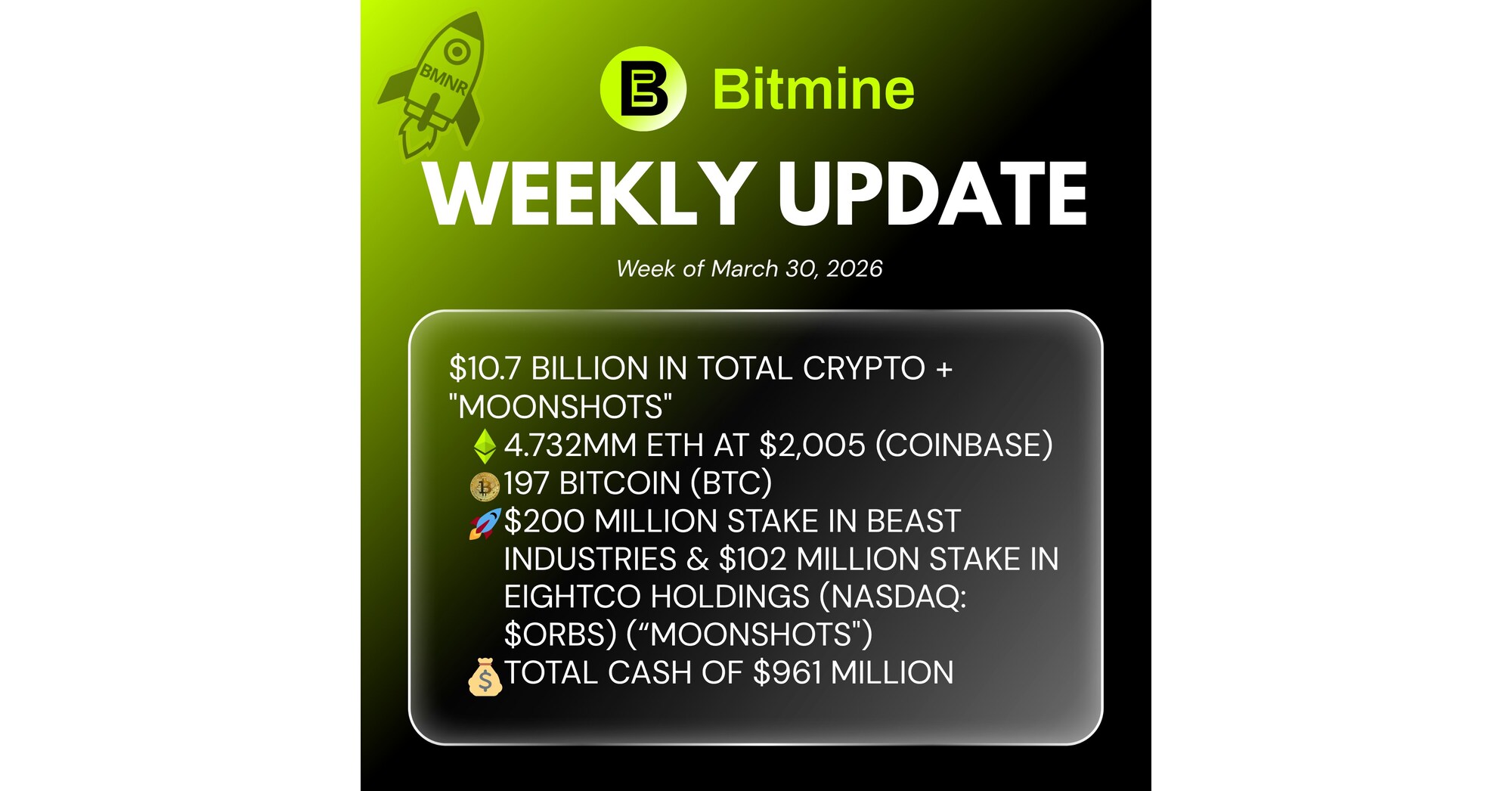
- ETH Staking Scale: Bitmine currently stakes 3.14 million ETH valued at $6.3 billion, demonstrating its significant influence in the Ethereum market and laying a foundation for future revenue growth.
- Launch of MAVAN Platform: On March 25, 2026, Bitmine launched the MAVAN (Made in America Validator Network) staking solution aimed at providing institutional investors with a secure and high-performance staking infrastructure, further enhancing its competitive edge in the market.
- Liquidity and Investment Support: Bitmine's total crypto assets and liquid funds amount to $10.7 billion, including 4.73 million ETH and $961 million in cash, showcasing its strong liquidity and investment capabilities in the crypto market.
- Outstanding Market Performance: Bitmine's stock is actively traded in the U.S. market with an average daily trading volume of $920 million, ranking 100th, and attracting support from prominent institutional investors like Cathie Wood of ARK, further enhancing its market position.

Are Single-Stock ETFs a Risky Trend or a Chance for Growth?


Single-Stock ETFs: The rise of single-stock ETFs, which allow investors to gain leveraged exposure to individual stocks, has gained popularity, particularly for companies like NVIDIA and Tesla, due to their historical performance and potential for high returns.
Investment Risks: While these funds can amplify gains, they also carry significant risks, including the potential for substantial losses, especially in volatile markets, making them suitable primarily for risk-tolerant investors.
Market Trends: Despite the appeal of single-stock ETFs, recent trends indicate a decline in net inflows for some funds, suggesting that retail investors may be hesitant or facing losses, particularly in the case of NVIDIA.
Regulatory Concerns: The regulatory status of single-stock ETFs is under scrutiny due to their unique risks, which differ from traditional ETFs, raising questions about their long-term viability in the investment landscape.
American Bitcoin Corp Holds Over 7,000 Bitcoins Amid Market Pressures

- Bitcoin Reserve Growth: American Bitcoin Corp (ABTC) disclosed that it now holds over 7,000 Bitcoins, marking a three-fold increase since its Nasdaq debut last September, which enhances its competitive position among global Bitcoin holders, currently ranking 16th.
- Buying Trend Disruption: Strategy Inc (MSTR) did not report a Bitcoin purchase on Monday, breaking its 13-week buying streak, although it remains the largest corporate Bitcoin holder with 762,099 BTC; this change may impact market sentiment.
- Energy Cost Pressures: Rising energy prices have increased pressure on Bitcoin miners, particularly due to higher oil costs linked to Middle East tensions, leading to increased production costs that could compress margins and force miners to sell Bitcoin to cover operational expenses.
- Market Sentiment Shift: While American Bitcoin Corp's stock was down over 1% in morning trade, retail sentiment on Stocktwits shifted from 'bearish' to 'bullish', indicating growing investor confidence in its future performance.

Middle East Tensions Impact Global Markets

- Market Recovery: The S&P 500 Index rose by 0.42%, the Dow Jones Industrial Average increased by 0.64%, and the Nasdaq 100 Index gained 0.32%, indicating a short-term market rebound amid escalating tensions in the Middle East, as investor confidence in future economic growth shows signs of recovery.
- Declining Bond Yields: The 10-year T-note yield fell by 8 basis points to 4.35%, reflecting market concerns that the ongoing war in the Middle East may lead to fuel shortages, thereby suppressing inflation expectations and potentially keeping the Fed from raising interest rates in upcoming meetings.
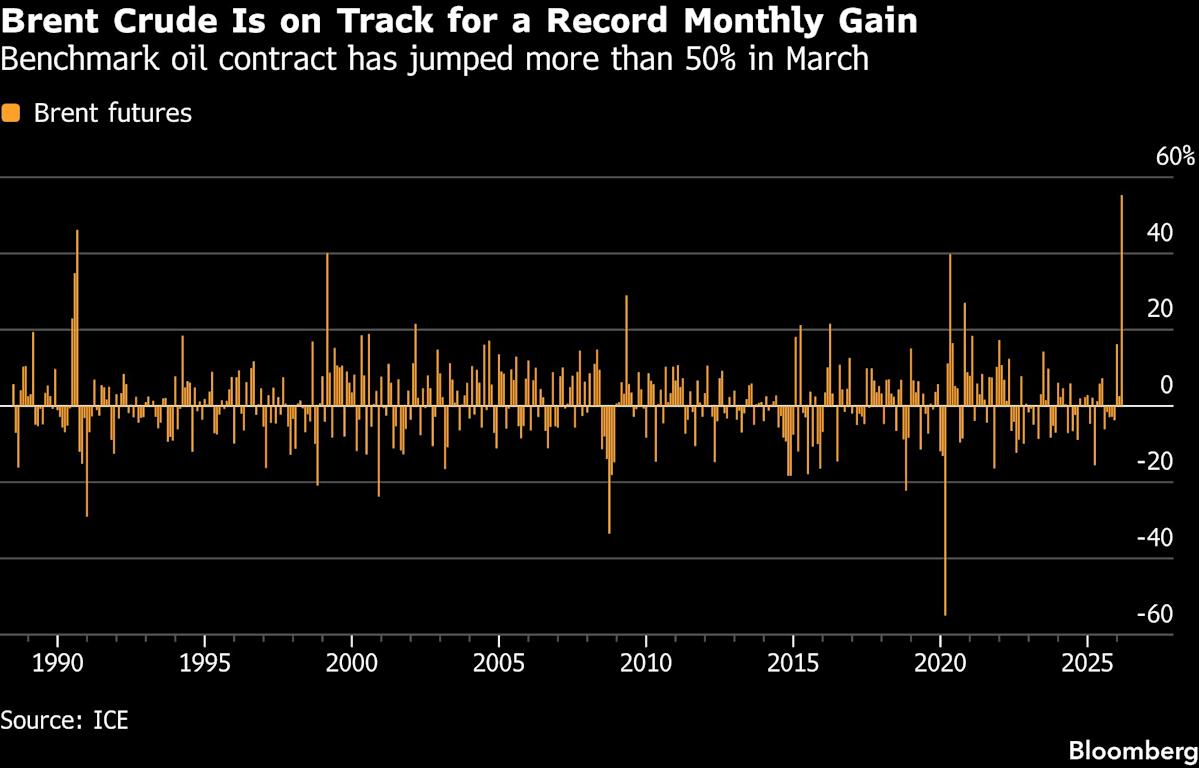
- Rising Oil Prices: Crude oil prices surged over 1% to a three-week high due to Iranian attacks on shipping, with fears that the closure of the Strait of Hormuz could disrupt global oil supplies, potentially driving prices to exceed the 2008 record high.
- Energy Infrastructure Damage: The International Energy Agency reported that more than 40 energy sites across nine Middle Eastern countries have been severely damaged, which could prolong disruptions to global supply chains after the war ends, further impacting international market stability.

ABTC Gathers Bitcoin as Strategy Halts 13-Week Purchasing Streak

American Bitcoin Corp Holdings: American Bitcoin Corp announced it now holds over 7,000 Bitcoin, marking a threefold increase since its Nasdaq debut last year, while Strategy Inc paused its consistent buying pattern for the first time this year.
Market Sentiment and Trading Activity: As of Monday, American Bitcoin Corp's stock was down over 1%, with retail sentiment shifting from bearish to bullish, while Strategy's stock saw a slight increase despite remaining in a bearish territory.
Impact of Rising Energy Costs: Increasing energy prices have put pressure on Bitcoin mining companies, affecting their margins and operational costs, leading to a potential increase in Bitcoin sales to cover expenses.
Hut 8 Corp's Market Position: Hut 8 Corp, which owns over 60% of American Bitcoin Corp, experienced a nearly 2% decline in trading, with retail sentiment around it remaining bullish despite recent market fluctuations.
Bitcoin Price Recovery Expected as Analysts Predict Surge
- Price Bottom Confirmed: Bernstein analyst Gautam Chhugani believes Bitcoin has bottomed out, predicting a price surge to over $150,000 by year-end, implying more than 100% upside, indicating improving market sentiment.
- Enhanced Policy Support: Following Trump's election, Congress has passed several key crypto legislations and established a Strategic Bitcoin Reserve, lowering barriers for institutions and retirement accounts to purchase Bitcoin, further boosting market confidence.
- Market Challenges and Opportunities: Despite pressures from the Middle East conflict and high interest rates leading to whale sell-offs to lock in gains, analysts view the recent sell-off as temporary, with Bitcoin outperforming gold during geopolitical tensions, showcasing its potential as digital gold.
- Institutional Interest Rebounds: The Bernstein team notes increased ETF inflows and traditional banks offering crypto services, indicating strong institutional interest in Bitcoin, which may lay the groundwork for future price increases.
Bitmine Stakes 3.14 Million ETH Worth $6.3 Billion
- ETH Staking Scale: Bitmine currently stakes 3.14 million ETH valued at $6.3 billion, demonstrating its significant influence in the Ethereum market and laying a foundation for future revenue growth.
- Launch of MAVAN Platform: On March 25, 2026, Bitmine launched the MAVAN (Made in America Validator Network) staking solution aimed at providing institutional investors with a secure and high-performance staking infrastructure, further enhancing its competitive edge in the market.
- Liquidity and Investment Support: Bitmine's total crypto assets and liquid funds amount to $10.7 billion, including 4.73 million ETH and $961 million in cash, showcasing its strong liquidity and investment capabilities in the crypto market.
- Outstanding Market Performance: Bitmine's stock is actively traded in the U.S. market with an average daily trading volume of $920 million, ranking 100th, and attracting support from prominent institutional investors like Cathie Wood of ARK, further enhancing its market position.
Are Single-Stock ETFs a Risky Trend or a Chance for Growth?
Single-Stock ETFs: The rise of single-stock ETFs, which allow investors to gain leveraged exposure to individual stocks, has gained popularity, particularly for companies like NVIDIA and Tesla, due to their historical performance and potential for high returns.
Investment Risks: While these funds can amplify gains, they also carry significant risks, including the potential for substantial losses, especially in volatile markets, making them suitable primarily for risk-tolerant investors.
Market Trends: Despite the appeal of single-stock ETFs, recent trends indicate a decline in net inflows for some funds, suggesting that retail investors may be hesitant or facing losses, particularly in the case of NVIDIA.
Regulatory Concerns: The regulatory status of single-stock ETFs is under scrutiny due to their unique risks, which differ from traditional ETFs, raising questions about their long-term viability in the investment landscape.
American Bitcoin Corp Holds Over 7,000 Bitcoins Amid Market Pressures
- Bitcoin Reserve Growth: American Bitcoin Corp (ABTC) disclosed that it now holds over 7,000 Bitcoins, marking a three-fold increase since its Nasdaq debut last September, which enhances its competitive position among global Bitcoin holders, currently ranking 16th.
- Buying Trend Disruption: Strategy Inc (MSTR) did not report a Bitcoin purchase on Monday, breaking its 13-week buying streak, although it remains the largest corporate Bitcoin holder with 762,099 BTC; this change may impact market sentiment.
- Energy Cost Pressures: Rising energy prices have increased pressure on Bitcoin miners, particularly due to higher oil costs linked to Middle East tensions, leading to increased production costs that could compress margins and force miners to sell Bitcoin to cover operational expenses.
- Market Sentiment Shift: While American Bitcoin Corp's stock was down over 1% in morning trade, retail sentiment on Stocktwits shifted from 'bearish' to 'bullish', indicating growing investor confidence in its future performance.
Middle East Tensions Impact Global Markets
- Market Recovery: The S&P 500 Index rose by 0.42%, the Dow Jones Industrial Average increased by 0.64%, and the Nasdaq 100 Index gained 0.32%, indicating a short-term market rebound amid escalating tensions in the Middle East, as investor confidence in future economic growth shows signs of recovery.
- Declining Bond Yields: The 10-year T-note yield fell by 8 basis points to 4.35%, reflecting market concerns that the ongoing war in the Middle East may lead to fuel shortages, thereby suppressing inflation expectations and potentially keeping the Fed from raising interest rates in upcoming meetings.
- Rising Oil Prices: Crude oil prices surged over 1% to a three-week high due to Iranian attacks on shipping, with fears that the closure of the Strait of Hormuz could disrupt global oil supplies, potentially driving prices to exceed the 2008 record high.
- Energy Infrastructure Damage: The International Energy Agency reported that more than 40 energy sites across nine Middle Eastern countries have been severely damaged, which could prolong disruptions to global supply chains after the war ends, further impacting international market stability.
ABTC Gathers Bitcoin as Strategy Halts 13-Week Purchasing Streak
American Bitcoin Corp Holdings: American Bitcoin Corp announced it now holds over 7,000 Bitcoin, marking a threefold increase since its Nasdaq debut last year, while Strategy Inc paused its consistent buying pattern for the first time this year.
Market Sentiment and Trading Activity: As of Monday, American Bitcoin Corp's stock was down over 1%, with retail sentiment shifting from bearish to bullish, while Strategy's stock saw a slight increase despite remaining in a bearish territory.
Impact of Rising Energy Costs: Increasing energy prices have put pressure on Bitcoin mining companies, affecting their margins and operational costs, leading to a potential increase in Bitcoin sales to cover expenses.
Hut 8 Corp's Market Position: Hut 8 Corp, which owns over 60% of American Bitcoin Corp, experienced a nearly 2% decline in trading, with retail sentiment around it remaining bullish despite recent market fluctuations.