Equinor Begins Development Drilling at $9B Raia Pre-Salt Field in Brazil
Written by Emily J. Thompson, Senior Investment Analyst
Updated: 1 hour ago
0mins
Should l Buy EQNR?
Source: seekingalpha
- Massive Investment: Equinor announced the commencement of development drilling at the Raia pre-salt field in Brazil's Campos Basin, with a total investment of $9 billion, marking the company's largest international investment to date and significantly enhancing its competitive position in the global market.
- Rich Reserves: The Raia field is estimated to hold over 1 billion barrels of oil equivalent in recoverable reserves, with Equinor holding a 35% stake in partnership with Repsol Sinopec Brasil and Petrobras, ensuring a strategic foothold in the Brazilian market.
- Drilling Operations Initiated: Drilling operations have begun on the Valaris DS-17 drillship, with plans to drill six wells in the Raia area at a water depth of approximately 2,900 meters, laying the groundwork for future production.
- Strong Production Capacity: The project will feature a large floating production, storage, and offloading vessel capable of handling over 125,000 barrels per day of condensate and 16 million cubic meters per day of natural gas, with production expected to launch in 2028, potentially meeting 15% of Brazil's natural gas demand.
Trade with 70% Backtested Accuracy
Stop guessing "Should I Buy EQNR?" and start using high-conviction signals backed by rigorous historical data.
Sign up today to access powerful investing tools and make smarter, data-driven decisions.
Analyst Views on EQNR
Wall Street analysts forecast EQNR stock price to fall
2 Analyst Rating
1 Buy
1 Hold
0 Sell
Moderate Buy
Current: 39.370

Low
22.00
Averages
23.89
High
25.79
Current: 39.370
Low
22.00
Averages
23.89
High
25.79
About EQNR
Equinor ASA, formerly Statoil ASA is a Norway-based international energy company. The Company’s purpose is to turn natural resources into energy. Equinor sells crude oil and delivers natural gas to the European market. It is also engaged in processing, refining, offshore wind and carbon capture and storage activities. Equinor ASA has five reporting segments: Exploration & Production Norway (E&P Norway), Exploration & Production International (E&P International), Exploration & Production USA (E&P USA), Marketing, Midstream & Processing (MMP) and Renewables (REN). The Company has several subsidiaries such as Equinor Nigeria Energy Company Ltd, Equinor Wind Power AS, Equinor International Netherlands BV and Equinor Brasil Energia Ltda.
About the author

Emily J. Thompson
Emily J. Thompson, a Chartered Financial Analyst (CFA) with 12 years in investment research, graduated with honors from the Wharton School. Specializing in industrial and technology stocks, she provides in-depth analysis for Intellectia’s earnings and market brief reports.

Equinor Begins Development Drilling at $9B Raia Pre-Salt Field in Brazil

- Massive Investment: Equinor announced the commencement of development drilling at the Raia pre-salt field in Brazil's Campos Basin, with a total investment of $9 billion, marking the company's largest international investment to date and significantly enhancing its competitive position in the global market.
- Rich Reserves: The Raia field is estimated to hold over 1 billion barrels of oil equivalent in recoverable reserves, with Equinor holding a 35% stake in partnership with Repsol Sinopec Brasil and Petrobras, ensuring a strategic foothold in the Brazilian market.
- Drilling Operations Initiated: Drilling operations have begun on the Valaris DS-17 drillship, with plans to drill six wells in the Raia area at a water depth of approximately 2,900 meters, laying the groundwork for future production.
- Strong Production Capacity: The project will feature a large floating production, storage, and offloading vessel capable of handling over 125,000 barrels per day of condensate and 16 million cubic meters per day of natural gas, with production expected to launch in 2028, potentially meeting 15% of Brazil's natural gas demand.
See More

PRESIDENT DONALD TRUMP DESCRIBES INITIAL U.S.-IRAN DISCUSSIONS AS "EXCELLENT," STATING TEHRAN SEEKS PEACE AND HAS COMMITTED TO AVOIDING NUCLEAR WEAPONS.

Trump's Remarks on Talks: President Donald Trump described the preliminary U.S.-Iran talks as "very, very good."
Iran's Stance on Peace: Iran, represented by Tehran, expressed a desire for peace and has agreed not to pursue nuclear weapons.
See More
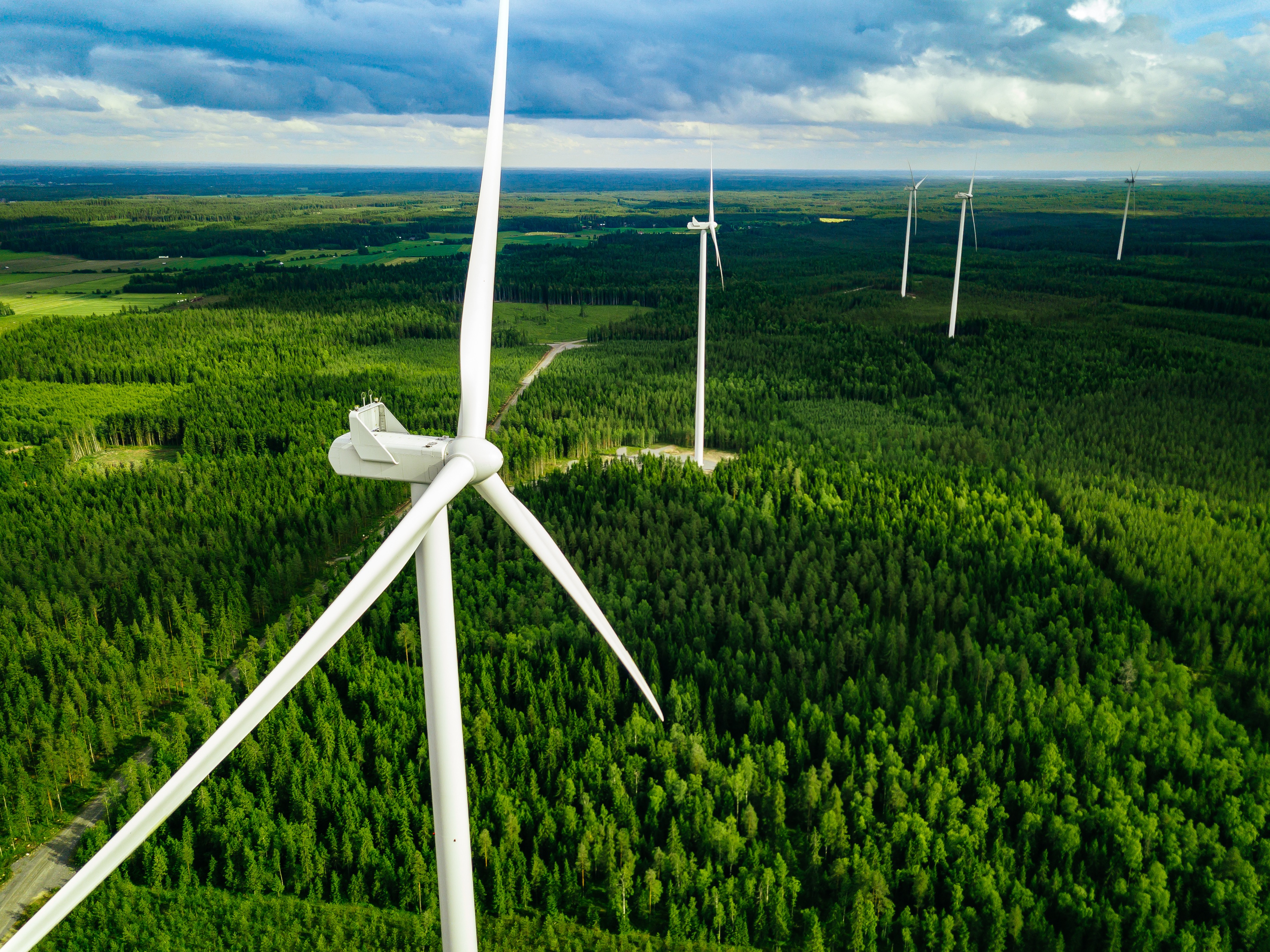
Equinor Acquires 230 MW Wind Project in Brazil
- Project Acquisition: Equinor announced its acquisition of the 230 MW Esquina do Vento onshore wind project in Brazil, which will strengthen its integrated power portfolio in a core market, although financial terms were not disclosed, the project is expected to drive long-term growth potential for the company.
- Equipment Supply Agreement: Vestas will supply 51 turbines for the project, with installation expected to begin in March 2027 and all turbines slated for completion by year-end 2027, ensuring timely project commissioning to meet market demand.
- Long-term Service Agreement: Vestas will also be responsible for operation and maintenance under a 30-year service agreement, which not only ensures the long-term stable operation of the equipment but also provides Vestas with a continuous revenue stream, enhancing its competitive position in the market.
- Market Confidence: Vestas stated that the Esquina do Vento wind project sends a clear signal of confidence in Brazil's wind market and marks another step in the sector's recovery, with the project expected to generate enough electricity to power 520,000 homes, further promoting the adoption of renewable energy.
See More

Oil Nears $100: Invest in Energy Firms for Portfolio Protection

- Energy Price Risk: With oil prices nearing $100 per barrel and energy infrastructure in the Persian Gulf under attack, investors should consider buying stocks in energy companies like Equinor, PBF Energy, and Chevron to hedge against the risk of prolonged high energy prices.
- Equinor's Positive Outlook: The International Energy Agency estimates that 80% of oil passing through the Strait of Hormuz is destined for Asia, and as Norway's largest natural gas supplier, Equinor's projected earnings per share for 2026 have risen from $2.66 to $3.26, indicating strong market demand.
- PBF Energy's Strong Performance: PBF Energy's 3-2-1 crack spread has widened from $19.80 per barrel at the start of the year to $52, reflecting significant profits due to difficulties faced by competitors in sourcing crude oil, which has driven up the company's stock price.
- Chevron's Risk Mitigation: While PBF Energy faces risks from potential demand destruction amid high oil prices, Chevron, as an integrated major primarily focused on crude production, stands to benefit from rising oil prices, thus providing a risk balance for investors.
See More

Investment Opportunities Amid High Oil Prices
- Energy Price Risk Management: With oil prices nearing $100 per barrel, investing in Equinor, PBF Energy, and Chevron offers investors a diversified set of themes to mitigate potential high energy price risks, thereby enhancing portfolio resilience.
- Market Demand Shifts: The International Energy Agency estimates that 80% of oil and 90% of LNG passing through the Strait of Hormuz is destined for Asia, and a closure of this strait would lead Asian countries to compete for energy supplies, further driving up prices for Europe and impacting the global market.
- PBF Energy's Strong Performance: PBF Energy's 3-2-1 crack spread has widened from $19.80 per barrel at the start of the year to $52 currently, showcasing its robust performance in the refining sector, although high oil prices may lead to demand destruction, potentially affecting its stock price.
- Equinor's Rising Earnings Expectations: According to S&P Global Market Intelligence, Equinor's 2026 earnings per share forecast has been raised from $2.66 to $3.26, reflecting market optimism about its future profitability, while its 3.9% dividend yield also adds extra appeal for investors.
See More

Energy Stocks as a Hedge Against Geopolitical Risks
- High Dividend Yield: The Global X MLP ETF, Equinor, and Flex LNG offer an average dividend yield of 7.3%, providing a reliable cash flow for passive income-seeking investors, especially amid rising global economic uncertainties, significantly enhancing their investment appeal.
- Energy Infrastructure Advantage: With the closure of the Strait of Hormuz, energy infrastructure and shipping companies like Equinor and Flex LNG are poised to benefit from increased demand, particularly from Asia, which is likely to drive up prices and enhance these companies' market positions and profitability.
- Long-Term Contract Security: MLPs emphasize their long-term take-or-pay contracts, ensuring a stable income stream regardless of gas pricing or volume, which allows the ETF to distribute high dividends, further attracting investors seeking consistent returns.
- Market Dynamics Shift: As potential disruptions in global oil and gas supply chains arise, investors may shift towards North American energy assets, improving MLPs' negotiating positions and increasing volumes under contracts, thus yielding greater returns amid future market fluctuations.
See More
Equinor Begins Development Drilling at $9B Raia Pre-Salt Field in Brazil
- Massive Investment: Equinor announced the commencement of development drilling at the Raia pre-salt field in Brazil's Campos Basin, with a total investment of $9 billion, marking the company's largest international investment to date and significantly enhancing its competitive position in the global market.
- Rich Reserves: The Raia field is estimated to hold over 1 billion barrels of oil equivalent in recoverable reserves, with Equinor holding a 35% stake in partnership with Repsol Sinopec Brasil and Petrobras, ensuring a strategic foothold in the Brazilian market.
- Drilling Operations Initiated: Drilling operations have begun on the Valaris DS-17 drillship, with plans to drill six wells in the Raia area at a water depth of approximately 2,900 meters, laying the groundwork for future production.
- Strong Production Capacity: The project will feature a large floating production, storage, and offloading vessel capable of handling over 125,000 barrels per day of condensate and 16 million cubic meters per day of natural gas, with production expected to launch in 2028, potentially meeting 15% of Brazil's natural gas demand.
See More
PRESIDENT DONALD TRUMP DESCRIBES INITIAL U.S.-IRAN DISCUSSIONS AS "EXCELLENT," STATING TEHRAN SEEKS PEACE AND HAS COMMITTED TO AVOIDING NUCLEAR WEAPONS.
Trump's Remarks on Talks: President Donald Trump described the preliminary U.S.-Iran talks as "very, very good."
Iran's Stance on Peace: Iran, represented by Tehran, expressed a desire for peace and has agreed not to pursue nuclear weapons.
See More
Equinor Acquires 230 MW Wind Project in Brazil
- Project Acquisition: Equinor announced its acquisition of the 230 MW Esquina do Vento onshore wind project in Brazil, which will strengthen its integrated power portfolio in a core market, although financial terms were not disclosed, the project is expected to drive long-term growth potential for the company.
- Equipment Supply Agreement: Vestas will supply 51 turbines for the project, with installation expected to begin in March 2027 and all turbines slated for completion by year-end 2027, ensuring timely project commissioning to meet market demand.
- Long-term Service Agreement: Vestas will also be responsible for operation and maintenance under a 30-year service agreement, which not only ensures the long-term stable operation of the equipment but also provides Vestas with a continuous revenue stream, enhancing its competitive position in the market.
- Market Confidence: Vestas stated that the Esquina do Vento wind project sends a clear signal of confidence in Brazil's wind market and marks another step in the sector's recovery, with the project expected to generate enough electricity to power 520,000 homes, further promoting the adoption of renewable energy.
See More
Oil Nears $100: Invest in Energy Firms for Portfolio Protection
- Energy Price Risk: With oil prices nearing $100 per barrel and energy infrastructure in the Persian Gulf under attack, investors should consider buying stocks in energy companies like Equinor, PBF Energy, and Chevron to hedge against the risk of prolonged high energy prices.
- Equinor's Positive Outlook: The International Energy Agency estimates that 80% of oil passing through the Strait of Hormuz is destined for Asia, and as Norway's largest natural gas supplier, Equinor's projected earnings per share for 2026 have risen from $2.66 to $3.26, indicating strong market demand.
- PBF Energy's Strong Performance: PBF Energy's 3-2-1 crack spread has widened from $19.80 per barrel at the start of the year to $52, reflecting significant profits due to difficulties faced by competitors in sourcing crude oil, which has driven up the company's stock price.
- Chevron's Risk Mitigation: While PBF Energy faces risks from potential demand destruction amid high oil prices, Chevron, as an integrated major primarily focused on crude production, stands to benefit from rising oil prices, thus providing a risk balance for investors.
See More
Investment Opportunities Amid High Oil Prices
- Energy Price Risk Management: With oil prices nearing $100 per barrel, investing in Equinor, PBF Energy, and Chevron offers investors a diversified set of themes to mitigate potential high energy price risks, thereby enhancing portfolio resilience.
- Market Demand Shifts: The International Energy Agency estimates that 80% of oil and 90% of LNG passing through the Strait of Hormuz is destined for Asia, and a closure of this strait would lead Asian countries to compete for energy supplies, further driving up prices for Europe and impacting the global market.
- PBF Energy's Strong Performance: PBF Energy's 3-2-1 crack spread has widened from $19.80 per barrel at the start of the year to $52 currently, showcasing its robust performance in the refining sector, although high oil prices may lead to demand destruction, potentially affecting its stock price.
- Equinor's Rising Earnings Expectations: According to S&P Global Market Intelligence, Equinor's 2026 earnings per share forecast has been raised from $2.66 to $3.26, reflecting market optimism about its future profitability, while its 3.9% dividend yield also adds extra appeal for investors.
See More
Energy Stocks as a Hedge Against Geopolitical Risks
- High Dividend Yield: The Global X MLP ETF, Equinor, and Flex LNG offer an average dividend yield of 7.3%, providing a reliable cash flow for passive income-seeking investors, especially amid rising global economic uncertainties, significantly enhancing their investment appeal.
- Energy Infrastructure Advantage: With the closure of the Strait of Hormuz, energy infrastructure and shipping companies like Equinor and Flex LNG are poised to benefit from increased demand, particularly from Asia, which is likely to drive up prices and enhance these companies' market positions and profitability.
- Long-Term Contract Security: MLPs emphasize their long-term take-or-pay contracts, ensuring a stable income stream regardless of gas pricing or volume, which allows the ETF to distribute high dividends, further attracting investors seeking consistent returns.
- Market Dynamics Shift: As potential disruptions in global oil and gas supply chains arise, investors may shift towards North American energy assets, improving MLPs' negotiating positions and increasing volumes under contracts, thus yielding greater returns amid future market fluctuations.
See More