Energy Companies Show Promising Income Prospects
Written by Emily J. Thompson, Senior Investment Analyst
Updated: 4 days ago
0mins

Source: NASDAQ.COM
- Oneok Growth Potential: As a leading U.S. pipeline company, Oneok transports and stores oil and gas products through over 60,000 miles of pipelines, with management estimating that natural gas and liquids will account for 72% of profits by 2026, targeting annual growth of 3% to 4%, which will drive future dividend increases.
- Chevron Acquisition Impact: Following Chevron's acquisition of Hess, production is expected to grow by 2% to 3% annually through 2030, with projected free cash flow growth of 10% annually even at Brent prices of $70, demonstrating resilience in economic fluctuations, while the current dividend yield stands at 3.7%.
- Kinder Morgan Development Plans: Kinder Morgan operates over 78,000 miles of pipelines and 136 terminals, transporting approximately 40% of domestic natural gas, with a $10 billion project backlog, 90% of which is related to natural gas power generation and LNG exports, and a current dividend yield of 3.5%.
- Constellation Energy Growth Outlook: As the largest nuclear power plant operator in the U.S., Constellation Energy has about 22 gigawatts of capacity, with analysts forecasting 15% annual earnings growth over the next three to five years, and despite a current dividend yield of just 0.5%, significant growth is expected over the next decade, attracting long-term investors.
Trade with 70% Backtested Accuracy
Stop guessing "Should I Buy CVX?" and start using high-conviction signals backed by rigorous historical data.
Sign up today to access powerful investing tools and make smarter, data-driven decisions.
Analyst Views on CVX
Wall Street analysts forecast CVX stock price to fall
19 Analyst Rating
15 Buy
4 Hold
0 Sell
Strong Buy
Current: 201.440

Low
158.00
Averages
176.95
High
206.00
Current: 201.440
Low
158.00
Averages
176.95
High
206.00
About CVX
Chevron Corporation is an integrated energy company. The Company produces crude oil and natural gas; manufactures transportation fuels, lubricants, petrochemicals and additives; and develops technologies that enhance its business and industry. The Company’s segments include Upstream and Downstream. Upstream operations consist primarily of exploring for, developing, producing and transporting crude oil and natural gas; liquefaction, transportation and regasification associated with LNG; transporting crude oil by major international oil export pipelines; processing, transporting, storage and marketing of natural gas; carbon capture and storage; and a gas-to-liquids plant. Downstream operations consist primarily of the refining of crude oil into petroleum products; marketing crude oil, refined products, and lubricants; manufacturing and marketing of renewable fuels, and transporting of crude oil and refined products by pipeline, marine vessel, motor equipment and rail car.
About the author

Emily J. Thompson
Emily J. Thompson, a Chartered Financial Analyst (CFA) with 12 years in investment research, graduated with honors from the Wharton School. Specializing in industrial and technology stocks, she provides in-depth analysis for Intellectia’s earnings and market brief reports.

Chevron: A Strong Investment Choice for the Next Decade

- Business Stability: Chevron operates across all three major phases of the oil and gas ecosystem—upstream, midstream, and downstream—allowing it to maintain relative stability when one segment faces challenges, as the other segments can compensate for losses.
- Stock Performance: As of March 16, Chevron's stock has risen over 26% year-to-date; however, investors should not expect this performance to continue indefinitely, yet its consistent dividend yield is nearly three times that of the S&P 500, making it a solid income source.
- Market Attention: Despite being a noteworthy energy company, Chevron was not included in the current best stock picks by The Motley Fool Stock Advisor analyst team, indicating a cautious market sentiment regarding its future performance.
- Investment Potential: Given Chevron's stability and dividend yield, while it may not be on the best stock list, it still holds potential for reliable returns over the next decade, especially in the context of rising energy prices.
See More
Oil Price Surge Raises Market Concerns


- Oil Price Surge: Following Iraq's declaration of force majeure on foreign-operated oil fields, Brent crude prices have surged past $112 per barrel and WTI over $98, which will directly impact the global economy by increasing living costs and reducing corporate profitability.
- Job Market Focus: Investors are set to closely monitor upcoming initial jobless claims and productivity reports; while these are not primary employment indicators, their significance has risen amid growing concerns about economic stagnation, potentially influencing future monetary policy decisions.
- Consumer Sentiment Survey: The University of Michigan's consumer survey will provide a fuller picture of how the Iran conflict is affecting consumer sentiment, which is crucial as consumer spending accounts for about two-thirds of the U.S. economy, thus impacting growth prospects significantly.
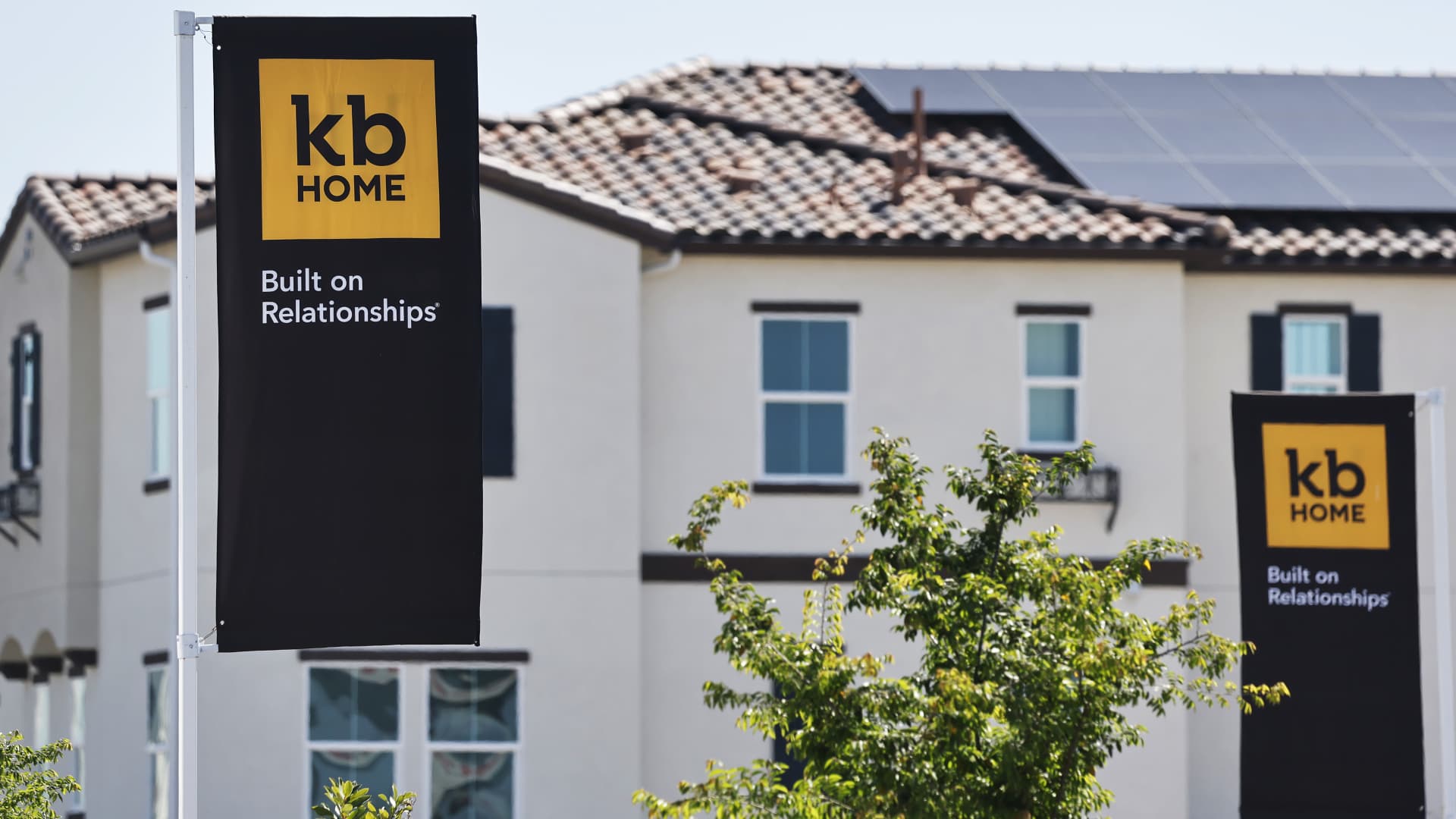
- KB Home Earnings: As one of the largest home builders in the U.S., KB Home's earnings report will shed light on housing market dynamics, particularly as high energy prices and the ongoing Iran conflict may suppress housing activity.
See More
Oil Prices Surge: Comparing Chevron and Occidental Petroleum
- Surge in Oil Prices: Brent crude oil prices have skyrocketed over 75% this year, surpassing $105 per barrel, while WTI approaches $95, prompting investors to reconsider the timing for investing in oil stocks.
- Chevron's Production Capacity: Chevron produced 3.7 million barrels of oil equivalent per day last year, a 12% increase driven by expansion projects and the acquisition of Hess, showcasing its strong competitive position in international markets.
- Occidental's Flexibility: Occidental Petroleum focuses primarily on unconventional wells in the U.S., producing nearly 1.5 million BOE/d last year; while it offers flexibility, its long-term growth visibility is limited, with plans to cut capital spending by $550 million by 2026.
- Dividends and Growth Outlook: Chevron expects over 10% annual free cash flow growth, with a dividend yield of 3.5%, compared to Occidental's 1.8%, making Chevron a more attractive long-term investment option due to its robust dividend history and growth prospects.
See More

Comparative Analysis of Chevron and Occidental Petroleum
- Production and Growth Potential: Chevron produced 3.7 million BOE/d last year, marking a 12% increase driven by expansion projects and the acquisition of Hess, showcasing its strong growth potential in the global market; in contrast, Occidental produced nearly 1.5 million BOE/d, with 84% from U.S. operations, resulting in lower growth visibility.
- Integration Advantage: As an integrated energy company, Chevron's upstream production flows through midstream transportation to downstream refining and chemicals, maximizing production value and mitigating commodity price volatility; in comparison, Occidental's reduced integration following the sale of its chemicals subsidiary has led to decreased business flexibility.
- Capital Expenditure and Investment Strategy: Occidental plans to cut capital spending by $550 million in 2026, expecting only a 1% production growth, while Chevron's mix of short-cycle and long-cycle investments is projected to yield a 2% to 3% compound annual growth rate over the next five years, driving over 10% free cash flow growth.
- Dividend and Financial Stability: Chevron's high-yield dividend stands at 3.5%, supporting 39 years of dividend increases, whereas Occidental's dividend is at 1.8% and has faced cuts, highlighting Chevron's advantages in financial stability and long-term investment appeal.
See More
Oil Prices Surge: Comparing Chevron and Occidental Petroleum
- Oil Price Surge: Brent crude oil prices have surged over 75% to exceed $105 per barrel, while WTI approaches $95, prompting investors to reconsider the timing for investing in oil stocks amidst geopolitical tensions.
- Chevron Production Growth: Chevron produced 3.7 million barrels of oil equivalent per day last year, marking a 12% increase driven by expansion projects and the acquisition of Hess, showcasing its strong competitive position in international markets.
- Occidental Flexibility: Occidental produced nearly 1.5 million BOE/d last year, with 84% from U.S. operations; while its operational flexibility is notable, it lacks long-term growth visibility, planning to cut capital spending by $550 million by 2026.
- Dividend Performance Comparison: Chevron boasts a dividend yield of 3.5%, supporting 39 consecutive years of dividend increases, whereas Occidental's yield is only 1.8% and has faced dividend cuts, highlighting significant differences in financial stability between the two companies.
See More

Strait of Hormuz Tensions Intensify Oil Price Impact


- Oil Price Forecast: United Airlines CEO Scott Kirby anticipates oil prices reaching $175 and remaining above $100 through 2027, reflecting potential pressures on the airline industry and prompting proactive planning to mitigate rising costs.
- Market Reaction: The Nasdaq has entered a correction for the fourth consecutive week, indicating growing investor concerns over U.S.-Iran conflict, with safe-haven assets like gold and bonds also declining, showcasing a pessimistic outlook on future economic stability.
- Energy Sector Response: CFOs in the energy sector are scenario planning for three potential outcomes regarding the Strait of Hormuz's closure, which introduces significant operational risks and could destabilize the global economy amid rising uncertainty.
- Supply Chain Crisis: Experts warn that if the Strait of Hormuz is not reopened by April 1, a global energy crisis could ensue, particularly affecting countries like India, Japan, and South Korea, which may need to curtail industrial production due to soaring oil prices, exacerbating supply chain tensions worldwide.
See More
Chevron: A Strong Investment Choice for the Next Decade
- Business Stability: Chevron operates across all three major phases of the oil and gas ecosystem—upstream, midstream, and downstream—allowing it to maintain relative stability when one segment faces challenges, as the other segments can compensate for losses.
- Stock Performance: As of March 16, Chevron's stock has risen over 26% year-to-date; however, investors should not expect this performance to continue indefinitely, yet its consistent dividend yield is nearly three times that of the S&P 500, making it a solid income source.
- Market Attention: Despite being a noteworthy energy company, Chevron was not included in the current best stock picks by The Motley Fool Stock Advisor analyst team, indicating a cautious market sentiment regarding its future performance.
- Investment Potential: Given Chevron's stability and dividend yield, while it may not be on the best stock list, it still holds potential for reliable returns over the next decade, especially in the context of rising energy prices.
See More
Oil Price Surge Raises Market Concerns
- Oil Price Surge: Following Iraq's declaration of force majeure on foreign-operated oil fields, Brent crude prices have surged past $112 per barrel and WTI over $98, which will directly impact the global economy by increasing living costs and reducing corporate profitability.
- Job Market Focus: Investors are set to closely monitor upcoming initial jobless claims and productivity reports; while these are not primary employment indicators, their significance has risen amid growing concerns about economic stagnation, potentially influencing future monetary policy decisions.
- Consumer Sentiment Survey: The University of Michigan's consumer survey will provide a fuller picture of how the Iran conflict is affecting consumer sentiment, which is crucial as consumer spending accounts for about two-thirds of the U.S. economy, thus impacting growth prospects significantly.
- KB Home Earnings: As one of the largest home builders in the U.S., KB Home's earnings report will shed light on housing market dynamics, particularly as high energy prices and the ongoing Iran conflict may suppress housing activity.
See More
Oil Prices Surge: Comparing Chevron and Occidental Petroleum
- Surge in Oil Prices: Brent crude oil prices have skyrocketed over 75% this year, surpassing $105 per barrel, while WTI approaches $95, prompting investors to reconsider the timing for investing in oil stocks.
- Chevron's Production Capacity: Chevron produced 3.7 million barrels of oil equivalent per day last year, a 12% increase driven by expansion projects and the acquisition of Hess, showcasing its strong competitive position in international markets.
- Occidental's Flexibility: Occidental Petroleum focuses primarily on unconventional wells in the U.S., producing nearly 1.5 million BOE/d last year; while it offers flexibility, its long-term growth visibility is limited, with plans to cut capital spending by $550 million by 2026.
- Dividends and Growth Outlook: Chevron expects over 10% annual free cash flow growth, with a dividend yield of 3.5%, compared to Occidental's 1.8%, making Chevron a more attractive long-term investment option due to its robust dividend history and growth prospects.
See More
Comparative Analysis of Chevron and Occidental Petroleum
- Production and Growth Potential: Chevron produced 3.7 million BOE/d last year, marking a 12% increase driven by expansion projects and the acquisition of Hess, showcasing its strong growth potential in the global market; in contrast, Occidental produced nearly 1.5 million BOE/d, with 84% from U.S. operations, resulting in lower growth visibility.
- Integration Advantage: As an integrated energy company, Chevron's upstream production flows through midstream transportation to downstream refining and chemicals, maximizing production value and mitigating commodity price volatility; in comparison, Occidental's reduced integration following the sale of its chemicals subsidiary has led to decreased business flexibility.
- Capital Expenditure and Investment Strategy: Occidental plans to cut capital spending by $550 million in 2026, expecting only a 1% production growth, while Chevron's mix of short-cycle and long-cycle investments is projected to yield a 2% to 3% compound annual growth rate over the next five years, driving over 10% free cash flow growth.
- Dividend and Financial Stability: Chevron's high-yield dividend stands at 3.5%, supporting 39 years of dividend increases, whereas Occidental's dividend is at 1.8% and has faced cuts, highlighting Chevron's advantages in financial stability and long-term investment appeal.
See More
Oil Prices Surge: Comparing Chevron and Occidental Petroleum
- Oil Price Surge: Brent crude oil prices have surged over 75% to exceed $105 per barrel, while WTI approaches $95, prompting investors to reconsider the timing for investing in oil stocks amidst geopolitical tensions.
- Chevron Production Growth: Chevron produced 3.7 million barrels of oil equivalent per day last year, marking a 12% increase driven by expansion projects and the acquisition of Hess, showcasing its strong competitive position in international markets.
- Occidental Flexibility: Occidental produced nearly 1.5 million BOE/d last year, with 84% from U.S. operations; while its operational flexibility is notable, it lacks long-term growth visibility, planning to cut capital spending by $550 million by 2026.
- Dividend Performance Comparison: Chevron boasts a dividend yield of 3.5%, supporting 39 consecutive years of dividend increases, whereas Occidental's yield is only 1.8% and has faced dividend cuts, highlighting significant differences in financial stability between the two companies.
See More
Strait of Hormuz Tensions Intensify Oil Price Impact
- Oil Price Forecast: United Airlines CEO Scott Kirby anticipates oil prices reaching $175 and remaining above $100 through 2027, reflecting potential pressures on the airline industry and prompting proactive planning to mitigate rising costs.
- Market Reaction: The Nasdaq has entered a correction for the fourth consecutive week, indicating growing investor concerns over U.S.-Iran conflict, with safe-haven assets like gold and bonds also declining, showcasing a pessimistic outlook on future economic stability.
- Energy Sector Response: CFOs in the energy sector are scenario planning for three potential outcomes regarding the Strait of Hormuz's closure, which introduces significant operational risks and could destabilize the global economy amid rising uncertainty.
- Supply Chain Crisis: Experts warn that if the Strait of Hormuz is not reopened by April 1, a global energy crisis could ensue, particularly affecting countries like India, Japan, and South Korea, which may need to curtail industrial production due to soaring oil prices, exacerbating supply chain tensions worldwide.
See More