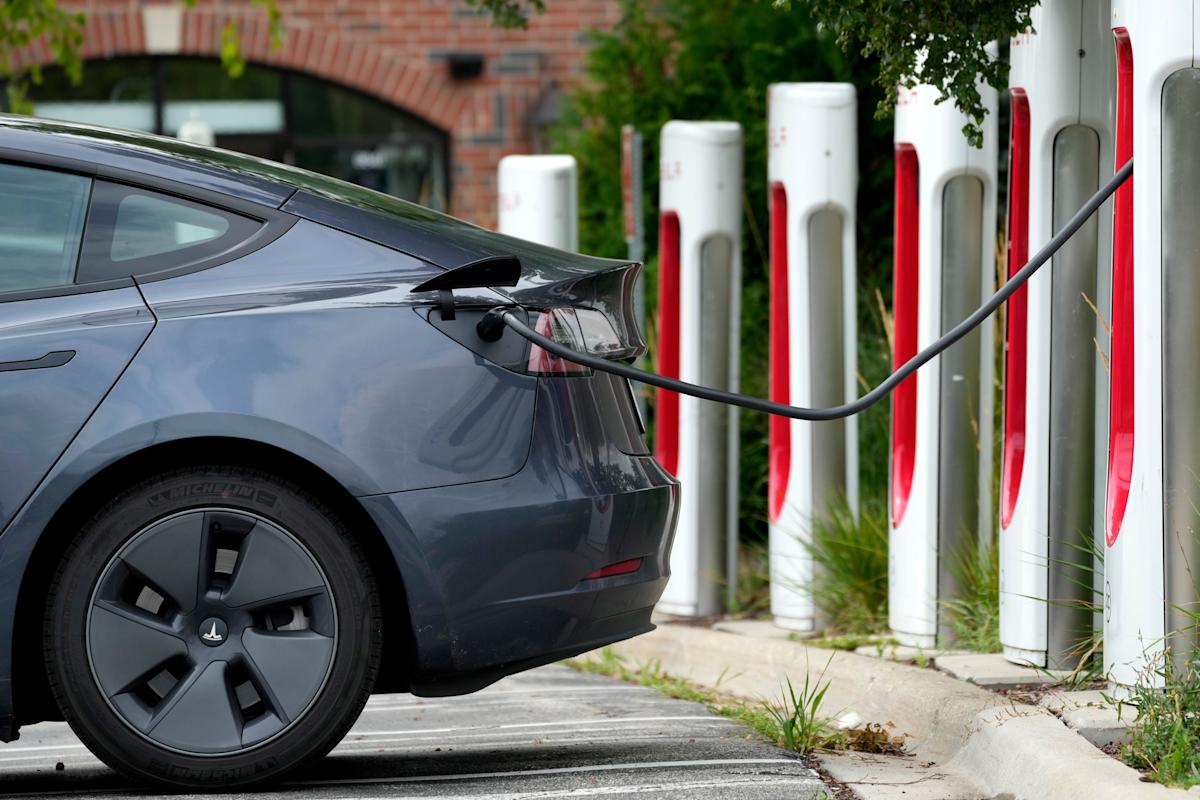
Elon Musk's Views on Hydrogen Energy and Its Implications
Written by Emily J. Thompson, Senior Investment Analyst
Updated: 1 hour ago
0mins
Should l Buy PLUG?
Source: Fool
- Musk's Hydrogen Perspective: Musk has labeled hydrogen-powered cars as 'extremely silly' and believes the disadvantages of hydrogen fuel cells in transportation will become evident in the coming years, indicating a lack of investment interest that could undermine market confidence in companies like Plug Power.
- Limited Hydrogen Applications: While hydrogen fuel has potential uses in steel, chemicals, and aerospace, Musk's comments reflect a pessimistic view of its prospects in the automotive sector, which may weaken investor confidence in hydrogen-related businesses.
- Cost Competitiveness Issues: Hydrogen fuel is generally more expensive than traditional fuels and renewable energy, with Plug Power's PEM systems costing between $1,500 and $2,500 per kilowatt, significantly higher than natural gas systems under $1,000, making hydrogen economically unviable for most industries.
- High Policy Dependency: Due to the lack of economic viability, companies like Plug Power will heavily rely on government regulations and subsidies for future growth, creating uncertainty that may lead investors to be cautious about their long-term prospects.
Trade with 70% Backtested Accuracy
Stop guessing "Should I Buy PLUG?" and start using high-conviction signals backed by rigorous historical data.
Sign up today to access powerful investing tools and make smarter, data-driven decisions.
Analyst Views on PLUG
Wall Street analysts forecast PLUG stock price to fall
15 Analyst Rating
4 Buy
8 Hold
3 Sell
Hold
Current: 3.190

Low
0.75
Averages
2.46
High
7.00
Current: 3.190
Low
0.75
Averages
2.46
High
7.00
About PLUG
Plug Power Inc. is engaged in providing an end-to-end hydrogen ecosystem, from production, storage, and delivery to energy generation. The Company is focused on delivering hydrogen solutions. Its vertically integrated, end-to-end hydrogen solutions are designed to fit customer needs, including hydrogen production equipment and the delivery of hydrogen fuel, including fuel cells, proton exchange membrane (PEM) electrolyzers, hydrogen liquefiers, liquid hydrogen cryogenic solutions, and hydrogen production. Its product and service portfolio includes GenDrive, GenFuel, GenCare, GenKey, GenEco Electrolyzers, Liquefaction Systems, Cryogenic Equipment, GenSure, and Liquid Hydrogen. GenDrive is a hydrogen fueled PEM fuel cell system, providing power to material handling electric vehicles (EVs), including Class 1, 2, 3 and 6 electric forklifts, automated guided vehicles, and ground support equipment. GenFuel is a liquid hydrogen fueling, delivery, generation, storage, and dispensing system.
About the author

Emily J. Thompson
Emily J. Thompson, a Chartered Financial Analyst (CFA) with 12 years in investment research, graduated with honors from the Wharton School. Specializing in industrial and technology stocks, she provides in-depth analysis for Intellectia’s earnings and market brief reports.
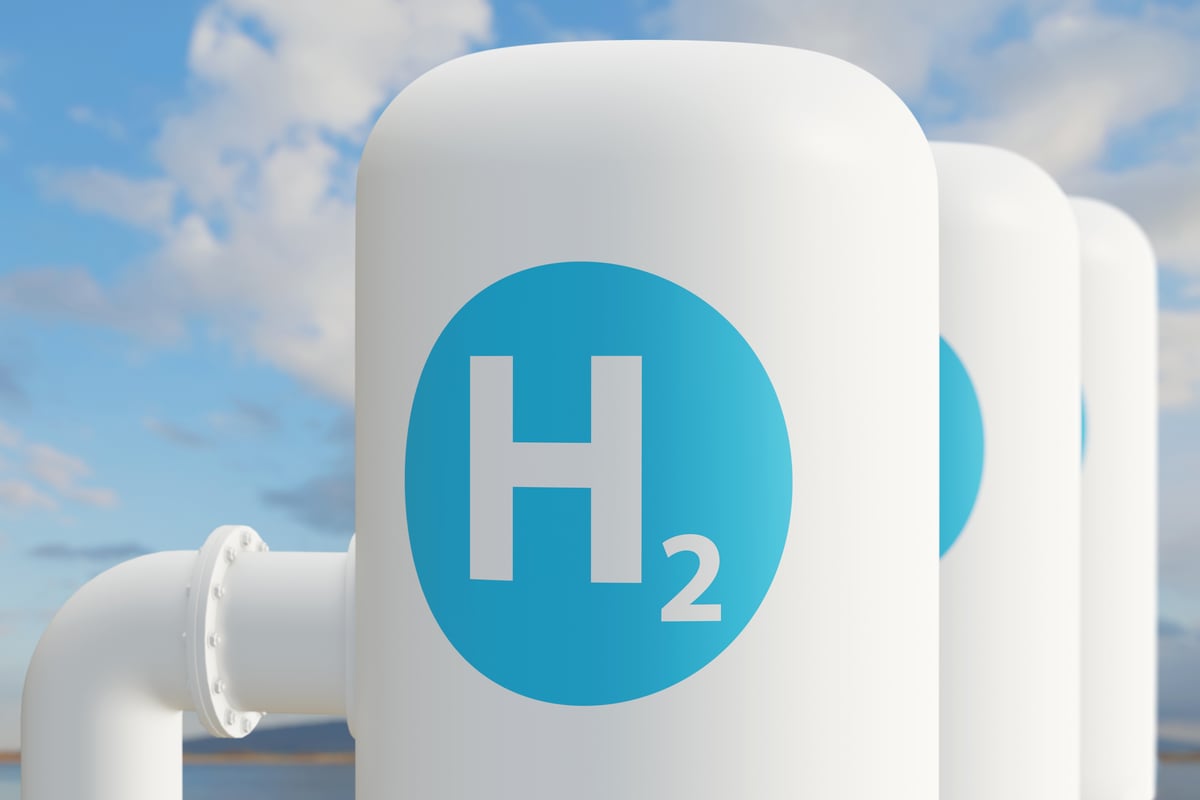
Elon Musk's Views on Hydrogen Energy and Its Implications


- Musk's Hydrogen Perspective: Musk has labeled hydrogen-powered cars as 'extremely silly' and believes the disadvantages of hydrogen fuel cells in transportation will become evident in the coming years, indicating a lack of investment interest that could undermine market confidence in companies like Plug Power.
- Limited Hydrogen Applications: While hydrogen fuel has potential uses in steel, chemicals, and aerospace, Musk's comments reflect a pessimistic view of its prospects in the automotive sector, which may weaken investor confidence in hydrogen-related businesses.
- Cost Competitiveness Issues: Hydrogen fuel is generally more expensive than traditional fuels and renewable energy, with Plug Power's PEM systems costing between $1,500 and $2,500 per kilowatt, significantly higher than natural gas systems under $1,000, making hydrogen economically unviable for most industries.
- High Policy Dependency: Due to the lack of economic viability, companies like Plug Power will heavily rely on government regulations and subsidies for future growth, creating uncertainty that may lead investors to be cautious about their long-term prospects.
See More

Musk's Views on Hydrogen Impact Plug Power's Prospects
- Musk's Hydrogen Perspective: Musk stated in 2015 that hydrogen faces significant challenges in automotive applications, asserting that hydrogen fuel cells cannot compete with existing lithium-ion batteries, which may undermine investor confidence in Plug Power.
- Hydrogen Market Potential: Despite Musk's critical stance on hydrogen fuel vehicles, the potential applications of hydrogen in sectors like steel, chemicals, and aerospace remain promising, indicating possible new opportunities for Plug Power.
- Cost Competitiveness Issues: Plug Power's PEM systems have installation costs ranging from $1,500 to $2,500 per kilowatt, compared to under $1,000 for natural gas systems, highlighting hydrogen's economic disadvantages that may limit its adoption across various industries.
- Dependence on Government Support: Given hydrogen's current economic viability challenges, Plug Power's future growth is heavily reliant on government policies and subsidies, making its investment outlook uncertain, especially under the influence of critics like Musk.
See More

Plug Power's Growth Potential Looks Promising

- Revenue Growth Outlook: Analysts project Plug Power's revenue to grow at a 17% CAGR from 2025 to 2028, indicating a recovery in 2025 after a slowdown in 2024 due to macroeconomic pressures and acquisitions, highlighting the company's potential in the green hydrogen market.
- Market Share Expansion: By the end of 2025, Plug Power has deployed over 74,000 fuel cell systems globally, a significant increase from 50,000 at the end of 2021, primarily driven by partnerships with retail giants like Amazon and Walmart, enhancing its market position.
- Strategic Investments and Cost Control: The company is ramping up green hydrogen production in Texas and Georgia while constructing a new hydrogen liquefaction plant in Louisiana through a joint venture with Olin, and implementing the 'Project Quantum Leap' initiative to streamline operations and reduce costs, ensuring sustainable growth for the future.
- Stock Price Potential Analysis: Despite Plug Power's stock rising nearly 260% over the past 12 months, it would need to more than double to reach Wall Street's highest price target of $7.00, indicating that investors may still find it an attractive investment opportunity amid current market volatility.
See More

Plug Power's Stock Soars, Growth Potential Remains Attractive
- Stock Performance: Plug Power's stock has surged nearly 260% over the past year, trading at just over five times this year's sales, indicating its potential undervaluation despite increased market volatility, which continues to attract investor interest.
- Revenue Growth Expectations: Analysts project Plug Power's revenue to grow at a 17% CAGR from 2025 to 2028, with adjusted EBITDA expected to turn positive by 2025, signaling an improvement in the company's financial health and operational efficiency.
- Market Demand Recovery: After a significant slowdown in 2024, Plug Power is anticipated to see revenue growth in 2025 due to a resurgence in demand for green hydrogen, reflecting the company's strategic pivot and adaptability in the hydrogen market.
- Production Capacity Expansion: The company is ramping up green hydrogen production in Texas and Georgia while constructing a new hydrogen liquefaction plant in Louisiana through a joint venture with Olin, aiming to meet the anticipated growth in market demand.
See More

Future Prospects of Hydrogen and Fuel Cell Industry

- Industry Growth Potential: As nations push for stricter emission reduction goals, the demand for hydrogen and fuel cell technology has surged, positioning companies like Bloom Energy and Plug Power at the forefront of this transition, which is expected to drive their market share and revenue growth.
- Financial Performance Comparison: The Zacks Consensus Estimate for Bloom Energy's earnings per share in 2026 and 2027 shows year-over-year growth of 89.47% and 111.62%, respectively, while Plug Power's growth is 77.46% and 34.53%, indicating Bloom Energy's superior profitability.
- Liquidity and Financial Stability: Bloom Energy's current ratio stands at 5.98, significantly higher than Plug Power's 2.31, indicating Bloom Energy's clear advantage in short-term financial stability, which supports its competitive edge in the market.
- Market Performance Discrepancy: Over the past six months, Bloom Energy's stock price has surged by 99.2%, while Plug Power has declined by 10.9%, reflecting Bloom Energy's strong performance in market demand and investor confidence.
See More

Plug Power Secures 275 MW Electrolyzer Contract for Hy2gen Project
- Major Contract Win: In April, Plug Power secured a 275 MW electrolyzer deal for the Hy2gen Courant project in Québec, which is set to become one of North America's largest facilities for producing decarbonized ammonium nitrate, marking a significant advancement in the company's industrial decarbonization capabilities.
- Data Center Strategic Shift: CEO Jose Luis Crespo announced a pivot towards data centers and industrial power, with a recent agreement with Stream Data Centers expected to generate approximately $132 million, highlighting the company's potential for expansion into new markets.
- Policy Support Boosts Confidence: The Trump administration's plan to preserve federal funding for hydrogen projects provides crucial policy backing for companies like Plug Power, likely driving further growth in the hydrogen sector and enhancing investor sentiment.
- Strong Stock Performance: Plug Power's stock has surged over 40% in April, reflecting renewed investor confidence driven by contract momentum and strategic clarity, although the stock experienced a slight decline of over 1% on Monday, yet retail sentiment remains in 'extremely bullish' territory.
See More
Elon Musk's Views on Hydrogen Energy and Its Implications
- Musk's Hydrogen Perspective: Musk has labeled hydrogen-powered cars as 'extremely silly' and believes the disadvantages of hydrogen fuel cells in transportation will become evident in the coming years, indicating a lack of investment interest that could undermine market confidence in companies like Plug Power.
- Limited Hydrogen Applications: While hydrogen fuel has potential uses in steel, chemicals, and aerospace, Musk's comments reflect a pessimistic view of its prospects in the automotive sector, which may weaken investor confidence in hydrogen-related businesses.
- Cost Competitiveness Issues: Hydrogen fuel is generally more expensive than traditional fuels and renewable energy, with Plug Power's PEM systems costing between $1,500 and $2,500 per kilowatt, significantly higher than natural gas systems under $1,000, making hydrogen economically unviable for most industries.
- High Policy Dependency: Due to the lack of economic viability, companies like Plug Power will heavily rely on government regulations and subsidies for future growth, creating uncertainty that may lead investors to be cautious about their long-term prospects.
See More
Musk's Views on Hydrogen Impact Plug Power's Prospects
- Musk's Hydrogen Perspective: Musk stated in 2015 that hydrogen faces significant challenges in automotive applications, asserting that hydrogen fuel cells cannot compete with existing lithium-ion batteries, which may undermine investor confidence in Plug Power.
- Hydrogen Market Potential: Despite Musk's critical stance on hydrogen fuel vehicles, the potential applications of hydrogen in sectors like steel, chemicals, and aerospace remain promising, indicating possible new opportunities for Plug Power.
- Cost Competitiveness Issues: Plug Power's PEM systems have installation costs ranging from $1,500 to $2,500 per kilowatt, compared to under $1,000 for natural gas systems, highlighting hydrogen's economic disadvantages that may limit its adoption across various industries.
- Dependence on Government Support: Given hydrogen's current economic viability challenges, Plug Power's future growth is heavily reliant on government policies and subsidies, making its investment outlook uncertain, especially under the influence of critics like Musk.
See More
Plug Power's Growth Potential Looks Promising
- Revenue Growth Outlook: Analysts project Plug Power's revenue to grow at a 17% CAGR from 2025 to 2028, indicating a recovery in 2025 after a slowdown in 2024 due to macroeconomic pressures and acquisitions, highlighting the company's potential in the green hydrogen market.
- Market Share Expansion: By the end of 2025, Plug Power has deployed over 74,000 fuel cell systems globally, a significant increase from 50,000 at the end of 2021, primarily driven by partnerships with retail giants like Amazon and Walmart, enhancing its market position.
- Strategic Investments and Cost Control: The company is ramping up green hydrogen production in Texas and Georgia while constructing a new hydrogen liquefaction plant in Louisiana through a joint venture with Olin, and implementing the 'Project Quantum Leap' initiative to streamline operations and reduce costs, ensuring sustainable growth for the future.
- Stock Price Potential Analysis: Despite Plug Power's stock rising nearly 260% over the past 12 months, it would need to more than double to reach Wall Street's highest price target of $7.00, indicating that investors may still find it an attractive investment opportunity amid current market volatility.
See More
Plug Power's Stock Soars, Growth Potential Remains Attractive
- Stock Performance: Plug Power's stock has surged nearly 260% over the past year, trading at just over five times this year's sales, indicating its potential undervaluation despite increased market volatility, which continues to attract investor interest.
- Revenue Growth Expectations: Analysts project Plug Power's revenue to grow at a 17% CAGR from 2025 to 2028, with adjusted EBITDA expected to turn positive by 2025, signaling an improvement in the company's financial health and operational efficiency.
- Market Demand Recovery: After a significant slowdown in 2024, Plug Power is anticipated to see revenue growth in 2025 due to a resurgence in demand for green hydrogen, reflecting the company's strategic pivot and adaptability in the hydrogen market.
- Production Capacity Expansion: The company is ramping up green hydrogen production in Texas and Georgia while constructing a new hydrogen liquefaction plant in Louisiana through a joint venture with Olin, aiming to meet the anticipated growth in market demand.
See More
Future Prospects of Hydrogen and Fuel Cell Industry
- Industry Growth Potential: As nations push for stricter emission reduction goals, the demand for hydrogen and fuel cell technology has surged, positioning companies like Bloom Energy and Plug Power at the forefront of this transition, which is expected to drive their market share and revenue growth.
- Financial Performance Comparison: The Zacks Consensus Estimate for Bloom Energy's earnings per share in 2026 and 2027 shows year-over-year growth of 89.47% and 111.62%, respectively, while Plug Power's growth is 77.46% and 34.53%, indicating Bloom Energy's superior profitability.
- Liquidity and Financial Stability: Bloom Energy's current ratio stands at 5.98, significantly higher than Plug Power's 2.31, indicating Bloom Energy's clear advantage in short-term financial stability, which supports its competitive edge in the market.
- Market Performance Discrepancy: Over the past six months, Bloom Energy's stock price has surged by 99.2%, while Plug Power has declined by 10.9%, reflecting Bloom Energy's strong performance in market demand and investor confidence.
See More
Plug Power Secures 275 MW Electrolyzer Contract for Hy2gen Project
- Major Contract Win: In April, Plug Power secured a 275 MW electrolyzer deal for the Hy2gen Courant project in Québec, which is set to become one of North America's largest facilities for producing decarbonized ammonium nitrate, marking a significant advancement in the company's industrial decarbonization capabilities.
- Data Center Strategic Shift: CEO Jose Luis Crespo announced a pivot towards data centers and industrial power, with a recent agreement with Stream Data Centers expected to generate approximately $132 million, highlighting the company's potential for expansion into new markets.
- Policy Support Boosts Confidence: The Trump administration's plan to preserve federal funding for hydrogen projects provides crucial policy backing for companies like Plug Power, likely driving further growth in the hydrogen sector and enhancing investor sentiment.
- Strong Stock Performance: Plug Power's stock has surged over 40% in April, reflecting renewed investor confidence driven by contract momentum and strategic clarity, although the stock experienced a slight decline of over 1% on Monday, yet retail sentiment remains in 'extremely bullish' territory.
See More