Elon Musk's SpaceX Confidentially Files for IPO
Written by Emily J. Thompson, Senior Investment Analyst
Updated: Apr 01 2026
0mins


Should l Buy TSLA?
Elon Musk's rocket, satellite and AI company SpaceX has confidentially submitted its draft registration to the Securities and Exchange Commission for an initial public offering, people familiar with the matter told Bloomberg's Bailey Lipschultz and Ed Ludlow. The filing puts it on track for a June listing, which would see SpaceX come public ahead of OpenAI and Anthropic PBC, the report stated. Publicly traded space companies include Intuitive Machines (LUNR), Voyager Technologies (VOYG), Rocket Lab (RKLB), and AST SpaceMobile (ASTS).
Trade with 70% Backtested Accuracy
Stop guessing "Should I Buy TSLA?" and start using high-conviction signals backed by rigorous historical data.
Sign up today to access powerful investing tools and make smarter, data-driven decisions.
Analyst Views on TSLA
Wall Street analysts forecast TSLA stock price to fall
30 Analyst Rating
12 Buy
11 Hold
7 Sell
Hold
Current: 411.790

Low
25.28
Averages
401.93
High
600.00
Current: 411.790
Low
25.28
Averages
401.93
High
600.00
About TSLA
Tesla, Inc. designs, develops, manufactures, sells and leases high-performance fully electric vehicles and energy generation and storage systems, and offers services related to its products. Its segments include automotive, and energy generation and storage. The automotive segment includes the design, development, manufacturing, sales and leasing of high-performance fully electric vehicles, and sales of automotive regulatory credits. It also includes sales of used vehicles, non-warranty maintenance services and collisions, part sales, paid supercharging, insurance services revenue and retail merchandise sales. The energy generation and storage segment include the design, manufacture, installation, sales and leasing of solar energy generation and energy storage products and related services and sales of solar energy systems incentives. Its consumer vehicles include the Model 3, Y, S, X and Cybertruck. Its lithium-ion battery energy storage products include Powerwall and Megapack.
About the author

Emily J. Thompson
Emily J. Thompson, a Chartered Financial Analyst (CFA) with 12 years in investment research, graduated with honors from the Wharton School. Specializing in industrial and technology stocks, she provides in-depth analysis for Intellectia’s earnings and market brief reports.
Musk's Attempt to Merge OpenAI with Tesla Revealed

- Merger Proposal: Former OpenAI board member Shivon Zilis testified that Elon Musk proposed to include OpenAI CEO Sam Altman on Tesla's board to facilitate a merger, highlighting Musk's strong desire for control in the AI sector.
- Legal Action: Musk is suing OpenAI and its executives for over $13 billion, claiming he was misled into believing OpenAI would remain a nonprofit when he provided $38 million in startup funding, a claim that could significantly impact OpenAI's operational model.
- Board Discussions: Zilis noted extensive discussions within the board between 2017 and 2018 regarding OpenAI's corporate structure, reflecting differing views on how to transition OpenAI into a for-profit entity, which may influence future governance structures in AI companies.
- IPO Prospects: Both OpenAI and its parent company SpaceX are reportedly preparing for massive IPOs later this year, indicating that despite facing legal challenges, OpenAI is still seeking market support to drive its business expansion.
See More
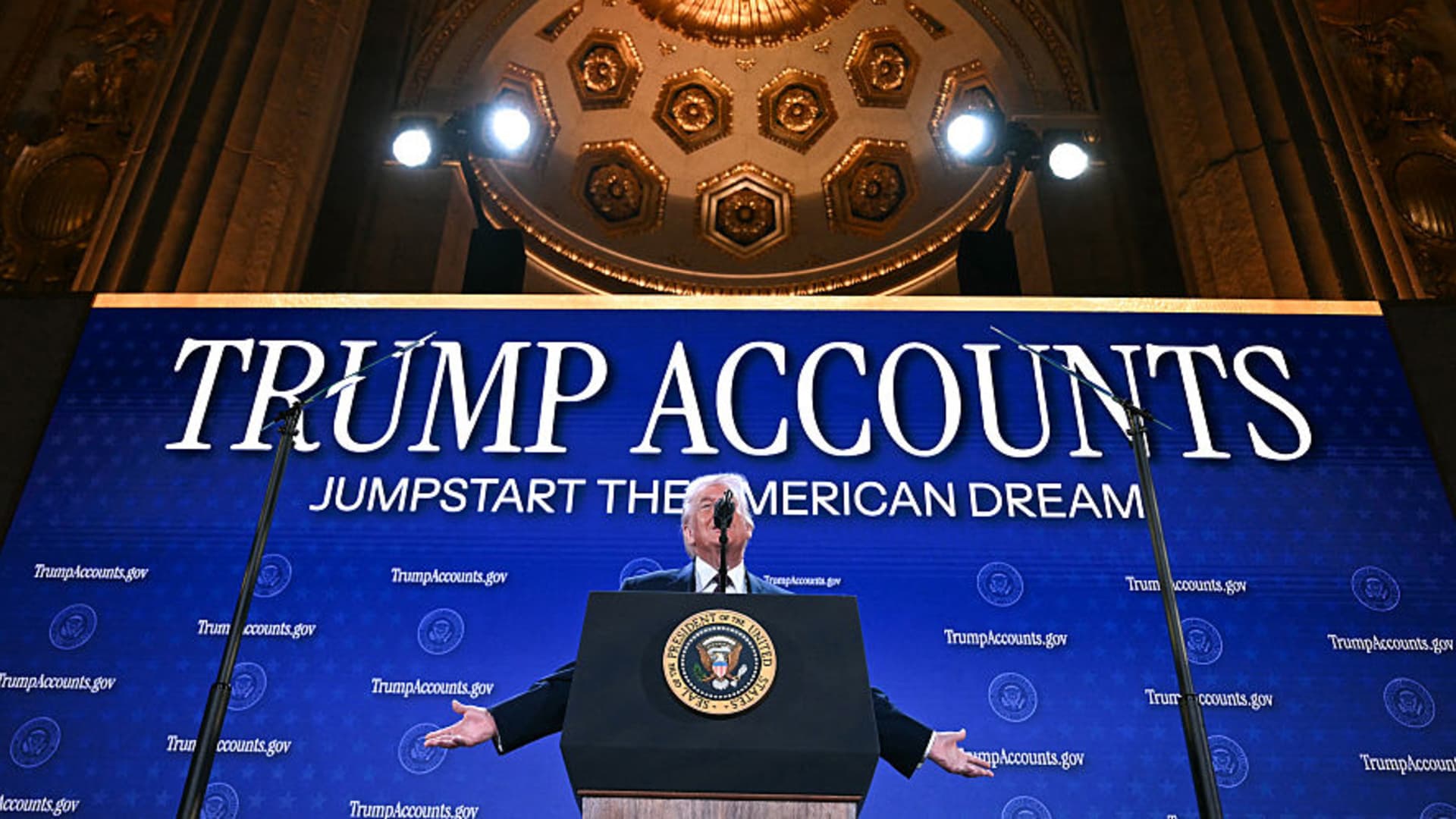
Trump Accounts Set to Launch with Potential Stock Donation Rules Under Discussion
- Donation Rule Discussions: The Trump Accounts are set to officially launch on July 4, 2026, and while currently only cash donations are permitted, reports indicate that the White House and Treasury are discussing the potential for direct stock donations, which could provide additional funding sources for children's accounts and promote wealth accumulation.
- Diversified Funding Sources: Altimeter Capital CEO Brad Gerstner noted that businesses and philanthropists might support Trump Accounts through stock donations, and if this change is implemented, it could significantly increase the inflow of funds into the accounts, helping more families engage in wealth-building efforts.
- Risk Management Concerns: While the potential for stock donations exists, experts caution that allowing individual stock holdings could increase investment risks; the primary goal of Trump Accounts is to avoid speculative investments by utilizing low-fee index funds, ensuring steady retirement savings growth.
- Initial Funding Commitments: Approximately 5.5 million children have registered for Trump Accounts, with the Treasury committing to provide a $1,000 initial deposit for children born between 2025 and 2028, and philanthropists in multiple states have pledged additional funds for qualifying families, further driving the accounts' adoption.
See More
Analysis of Currently Overvalued Tech Stocks

- Tesla's Overvaluation: Analysts highlight Tesla (TSLA) as widely overvalued due to its low growth, high valuation, and significant market cap, facing challenges such as soft sales and rising competition in its core EV business, which could lead to future performance declines.
- OpenAI's Market Value Concerns: OpenAI (OPENAI), although not publicly traded, is considered overvalued at approximately $900 billion, particularly given its high cash burn rate and declining market share against competitors like Alphabet (GOOG) and Anthropic (ANTHRO), indicating vulnerabilities in its business model.
- Arm Holdings Valuation Risks: Arm Holdings (ARM) is seen as at risk of valuation compression similar to Palantir (PLTR), as it is even more expensive than PLTR but growing at a slower pace, which may undermine investor confidence.
- Musk's Distraction Impact: Tesla CEO Elon Musk appears distracted by mergers involving SpaceX (SPACE) and xAI (X.AI), despite receiving a substantial compensation package intended to increase his focus on Tesla, his involvement in other ventures could adversely affect Tesla's future performance.
See More
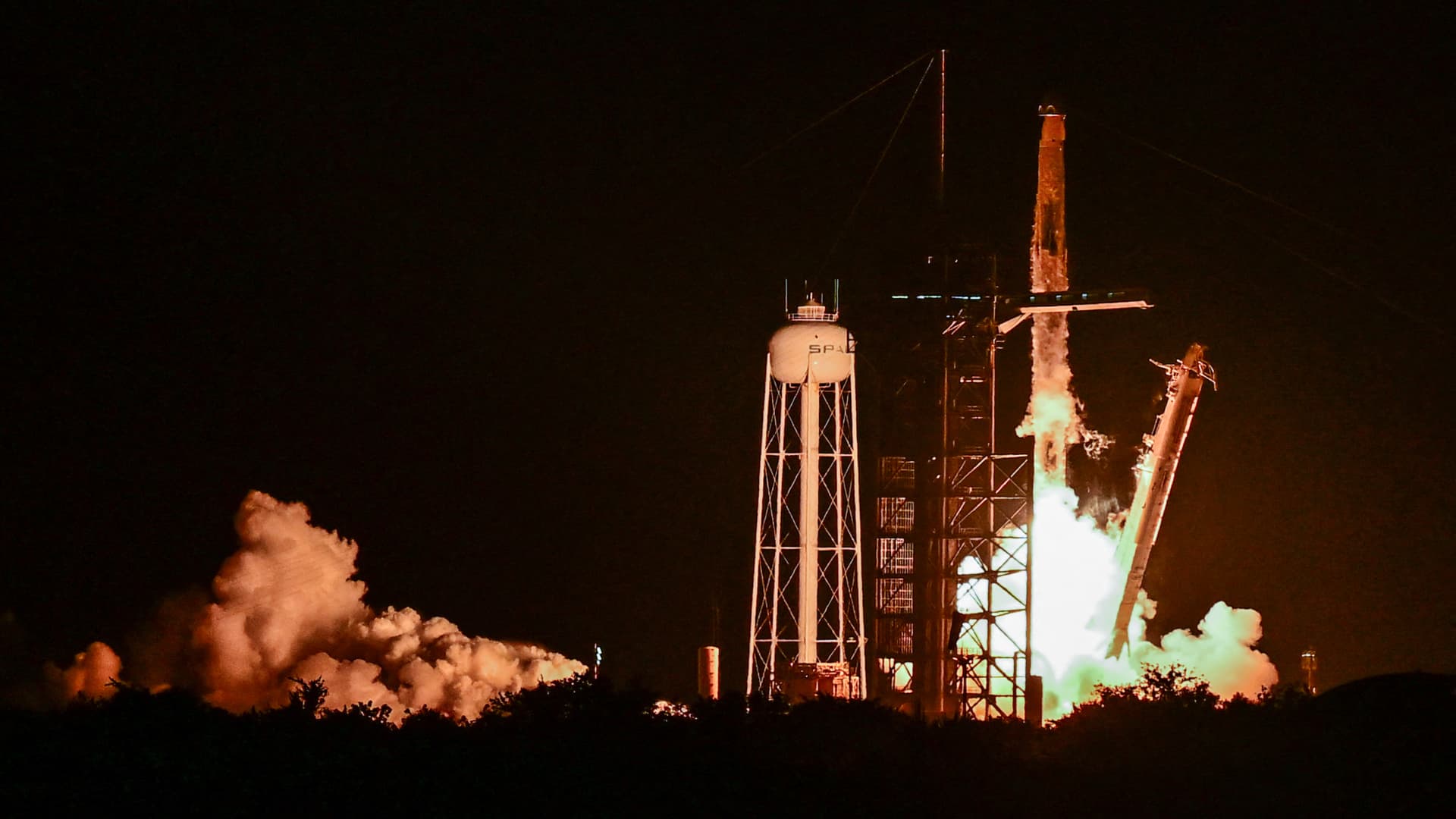
Linde's Strategic Positioning with SpaceX's IPO


- Market Opportunity: Linde's space business is rapidly growing, with expectations that SpaceX's IPO could double its commercial aerospace business to over $1 billion, highlighting its significance in emerging markets.
- Investment Expansion: Linde is investing $100 million in a new plant in Texas to enhance its gas supply capabilities for SpaceX, ensuring timely deliveries and strengthening its competitive position in the space industry.
- Historical Legacy: Founded in 1879, Linde has over 60 years of experience in the space sector, contributing to key missions from the Apollo program to Artemis II, showcasing its deep-rooted involvement in aerospace.
- Future Outlook: With SpaceX planning to significantly increase launch frequencies in the coming years, Linde anticipates benefiting from this trend, further solidifying its market position as an indispensable gas supplier in the space industry.
See More
Self-Driving Cars on the Verge of Mainstream Adoption

- Autonomous Network Expansion: Alphabet's Waymo is executing 500,000 fully autonomous rides weekly across 11 cities, showcasing the market potential of self-driving cars that could disrupt the entire transportation industry.
- Tesla's Robotaxi Initiative: Tesla has launched a small-scale robotaxi network in Austin, Dallas, Houston, and the Bay Area, with plans for rapid expansion, potentially creating a trillion-dollar market if successful.
- Arm Holdings' Market Position: Arm holds an 80% market share in CPUs for automotive and robotics, with its chips utilized by Tesla, Boston Dynamics, and Chinese manufacturers, highlighting its strong potential in the Physical AI sector.
- Future Growth Expectations: While significant growth in the robotics sector may take 5 to 10 years, Arm is launching its first Arm AGI CPU, which is expected to significantly accelerate revenue growth, indicating long-term growth potential.
See More

Robotaxi Industry Poised for Trillion-Dollar Growth
- Market Share Growth: Waymo is performing 500,000 fully autonomous rides weekly across 11 cities, showcasing its leadership in the autonomous driving sector, which is expected to drive rapid industry growth.
- Tesla's Expansion Plans: Tesla has launched a small-scale robotaxi network in Austin, Dallas, Houston, and the Bay Area, with ambitions for rapid expansion, potentially disrupting the traditional transportation industry and leading to a market share reshuffle.
- Arm's Market Advantage: Arm Holdings holds an 80% market share in CPUs for automotive and robotics, with its chips widely used by companies like Tesla and Boston Dynamics, indicating a critical position in the upcoming robotics revolution.
- Future Growth Potential: Although significant growth in the robotics sector may take five to ten years, Arm's introduction of the new Arm AGI CPU accelerates revenue growth, highlighting its long-term potential in physical AI and robotaxis, making it a noteworthy investment opportunity.
See More
Musk's Attempt to Merge OpenAI with Tesla Revealed
- Merger Proposal: Former OpenAI board member Shivon Zilis testified that Elon Musk proposed to include OpenAI CEO Sam Altman on Tesla's board to facilitate a merger, highlighting Musk's strong desire for control in the AI sector.
- Legal Action: Musk is suing OpenAI and its executives for over $13 billion, claiming he was misled into believing OpenAI would remain a nonprofit when he provided $38 million in startup funding, a claim that could significantly impact OpenAI's operational model.
- Board Discussions: Zilis noted extensive discussions within the board between 2017 and 2018 regarding OpenAI's corporate structure, reflecting differing views on how to transition OpenAI into a for-profit entity, which may influence future governance structures in AI companies.
- IPO Prospects: Both OpenAI and its parent company SpaceX are reportedly preparing for massive IPOs later this year, indicating that despite facing legal challenges, OpenAI is still seeking market support to drive its business expansion.
See More
Trump Accounts Set to Launch with Potential Stock Donation Rules Under Discussion
- Donation Rule Discussions: The Trump Accounts are set to officially launch on July 4, 2026, and while currently only cash donations are permitted, reports indicate that the White House and Treasury are discussing the potential for direct stock donations, which could provide additional funding sources for children's accounts and promote wealth accumulation.
- Diversified Funding Sources: Altimeter Capital CEO Brad Gerstner noted that businesses and philanthropists might support Trump Accounts through stock donations, and if this change is implemented, it could significantly increase the inflow of funds into the accounts, helping more families engage in wealth-building efforts.
- Risk Management Concerns: While the potential for stock donations exists, experts caution that allowing individual stock holdings could increase investment risks; the primary goal of Trump Accounts is to avoid speculative investments by utilizing low-fee index funds, ensuring steady retirement savings growth.
- Initial Funding Commitments: Approximately 5.5 million children have registered for Trump Accounts, with the Treasury committing to provide a $1,000 initial deposit for children born between 2025 and 2028, and philanthropists in multiple states have pledged additional funds for qualifying families, further driving the accounts' adoption.
See More
Analysis of Currently Overvalued Tech Stocks
- Tesla's Overvaluation: Analysts highlight Tesla (TSLA) as widely overvalued due to its low growth, high valuation, and significant market cap, facing challenges such as soft sales and rising competition in its core EV business, which could lead to future performance declines.
- OpenAI's Market Value Concerns: OpenAI (OPENAI), although not publicly traded, is considered overvalued at approximately $900 billion, particularly given its high cash burn rate and declining market share against competitors like Alphabet (GOOG) and Anthropic (ANTHRO), indicating vulnerabilities in its business model.
- Arm Holdings Valuation Risks: Arm Holdings (ARM) is seen as at risk of valuation compression similar to Palantir (PLTR), as it is even more expensive than PLTR but growing at a slower pace, which may undermine investor confidence.
- Musk's Distraction Impact: Tesla CEO Elon Musk appears distracted by mergers involving SpaceX (SPACE) and xAI (X.AI), despite receiving a substantial compensation package intended to increase his focus on Tesla, his involvement in other ventures could adversely affect Tesla's future performance.
See More
Linde's Strategic Positioning with SpaceX's IPO
- Market Opportunity: Linde's space business is rapidly growing, with expectations that SpaceX's IPO could double its commercial aerospace business to over $1 billion, highlighting its significance in emerging markets.
- Investment Expansion: Linde is investing $100 million in a new plant in Texas to enhance its gas supply capabilities for SpaceX, ensuring timely deliveries and strengthening its competitive position in the space industry.
- Historical Legacy: Founded in 1879, Linde has over 60 years of experience in the space sector, contributing to key missions from the Apollo program to Artemis II, showcasing its deep-rooted involvement in aerospace.
- Future Outlook: With SpaceX planning to significantly increase launch frequencies in the coming years, Linde anticipates benefiting from this trend, further solidifying its market position as an indispensable gas supplier in the space industry.
See More
Self-Driving Cars on the Verge of Mainstream Adoption
- Autonomous Network Expansion: Alphabet's Waymo is executing 500,000 fully autonomous rides weekly across 11 cities, showcasing the market potential of self-driving cars that could disrupt the entire transportation industry.
- Tesla's Robotaxi Initiative: Tesla has launched a small-scale robotaxi network in Austin, Dallas, Houston, and the Bay Area, with plans for rapid expansion, potentially creating a trillion-dollar market if successful.
- Arm Holdings' Market Position: Arm holds an 80% market share in CPUs for automotive and robotics, with its chips utilized by Tesla, Boston Dynamics, and Chinese manufacturers, highlighting its strong potential in the Physical AI sector.
- Future Growth Expectations: While significant growth in the robotics sector may take 5 to 10 years, Arm is launching its first Arm AGI CPU, which is expected to significantly accelerate revenue growth, indicating long-term growth potential.
See More
Robotaxi Industry Poised for Trillion-Dollar Growth
- Market Share Growth: Waymo is performing 500,000 fully autonomous rides weekly across 11 cities, showcasing its leadership in the autonomous driving sector, which is expected to drive rapid industry growth.
- Tesla's Expansion Plans: Tesla has launched a small-scale robotaxi network in Austin, Dallas, Houston, and the Bay Area, with ambitions for rapid expansion, potentially disrupting the traditional transportation industry and leading to a market share reshuffle.
- Arm's Market Advantage: Arm Holdings holds an 80% market share in CPUs for automotive and robotics, with its chips widely used by companies like Tesla and Boston Dynamics, indicating a critical position in the upcoming robotics revolution.
- Future Growth Potential: Although significant growth in the robotics sector may take five to ten years, Arm's introduction of the new Arm AGI CPU accelerates revenue growth, highlighting its long-term potential in physical AI and robotaxis, making it a noteworthy investment opportunity.
See More