Eli Lilly's New Weight-Loss Drug Gains Major Approval
Written by Emily J. Thompson, Senior Investment Analyst
Updated: Apr 07 2026
0mins
Should l Buy LLY?
Source: Fool
- New Drug Approval: Eli Lilly's new weight-loss treatment has received major approval, expected to generate billions in revenue, further solidifying its leadership position in the pharmaceutical industry.
- Market Potential: The demand for this weight-loss drug is strong, particularly against the backdrop of rising obesity rates, which could attract a large consumer base and drive sales growth.
- Stock Price Reaction: On the afternoon of April 3, 2026, Eli Lilly's stock price rose by 0.34%, reflecting the market's positive response to the drug approval and significantly enhancing investor expectations for future earnings.
- Strategic Implications: This approval not only enhances Eli Lilly's product portfolio but may also enable the company to capture a larger share of the competitive weight-loss drug market, bolstering its long-term growth potential.
Trade with 70% Backtested Accuracy
Stop guessing "Should I Buy LLY?" and start using high-conviction signals backed by rigorous historical data.
Sign up today to access powerful investing tools and make smarter, data-driven decisions.
Analyst Views on LLY
Wall Street analysts forecast LLY stock price to rise
20 Analyst Rating
18 Buy
2 Hold
0 Sell
Strong Buy
Current: 922.500

Low
950.00
Averages
1192
High
1500
Current: 922.500
Low
950.00
Averages
1192
High
1500
About LLY
Eli Lilly and Company is a medicine company, which discovers, develops, manufactures, and market products in a single business segment called human pharmaceutical products. The Company manufacture and distribute its products through facilities in the United States, including Puerto Rico, and in Europe and Asia. The Company’s products are sold in approximately 90 countries. Its Cardiometabolic Health products Basaglar; Humalog, Humalog Mix 75/25, Humalog U-100, Humalog U-200, Humalog Mix 50/50, insulin lispro, and others; Humulin, Humulin 70/30, and others; Jardiance; Mounjaro; Trulicity; Zepbound, and others. Its oncology products include Cyramza, Erbitux, Tyvyt, Verzenio, Retevmo, Jaypirca, and others. Its immunology products include Ebglyss, Olumiant, Omvoh, and Taltz. Its neuroscience products include Emgality and Kisunla. Its LillyDirect, a direct-to-patient digital health care platform, provides delivery of select Lilly medicines dispensed by third-party pharmacies to patients.
About the author

Emily J. Thompson
Emily J. Thompson, a Chartered Financial Analyst (CFA) with 12 years in investment research, graduated with honors from the Wharton School. Specializing in industrial and technology stocks, she provides in-depth analysis for Intellectia’s earnings and market brief reports.
FDA Mandates Post-Marketing Trials for Eli Lilly's Weight Loss Pill Foundayo
- FDA Post-Marketing Requirement: The U.S. FDA has mandated Eli Lilly to conduct post-marketing trials for its newly approved weight loss pill, Foundayo, to evaluate risks related to liver injury, cardiovascular events, and delayed gastric emptying, highlighting regulatory scrutiny on drug safety shortly after approval.
- Drug Indication: Foundayo is approved for use alongside a lower-calorie diet and increased physical activity for weight management in overweight and obese adults, providing Eli Lilly with a new growth avenue in the competitive weight loss market, particularly against Novo Nordisk's Wegovy, which has also received FDA approval.
- Lactation Study Requirement: The FDA has also requested a milk-only lactation study in lactating women to assess the presence of orforglipron in breast milk, aimed at ensuring transparency regarding the drug's safety for mothers and infants, thereby enhancing public confidence in its use.
- Market Competition Pressure: With the launch of Foundayo across U.S. retail pharmacies, Eli Lilly faces competitive pressure from rivals like Novo Nordisk, and the post-marketing trial requirements may impact its marketing strategies and sales expectations, especially in ensuring drug safety compliance.
See More

Eli Lilly Leads U.S. Weight Loss Drug Market
- Market Leadership: Eli Lilly has captured a 60% market share in the U.S. weight loss drug sector, while rival Novo Nordisk's share has fallen to 39%, indicating a significant competitive edge for Lilly in this lucrative market.
- Significant Revenue Growth: The combined sales of Lilly's Zepbound and Mounjaro exceeded $11 billion in the latest quarter, driving a 43% year-over-year increase in overall revenue to over $19 billion, reflecting strong market demand for its weight loss portfolio.
- New Drug Advantage: Lilly's newly approved oral weight loss drug, Foundayo, can be taken with food, unlike Novo Nordisk's product which requires fasting, potentially attracting more consumers and further solidifying Lilly's market position.
- Future Potential: Lilly anticipates completing seven phase 3 trials for retatrutide by 2026, which targets three hormonal pathways and has shown promising results with over 28% weight loss in 68 weeks, suggesting it could offer a stronger competitive advantage in the weight loss market.
See More

Eli Lilly Surpasses Novo Nordisk as U.S. Weight Loss Drug Leader
- Market Share Leadership: Eli Lilly has captured a 60% share of the U.S. weight loss drug market, while Novo Nordisk's share has fallen to 39%, indicating a significant competitive advantage for Lilly, particularly following the launch of new products.
- Superior Product Performance: Lilly's weight loss drug has demonstrated greater weight loss compared to Novo Nordisk's offerings, further solidifying its market position, while substantial investments in manufacturing ensure product availability.
- Significant Revenue Growth: In the most recent quarter, Lilly's weight loss portfolio, including Zepbound and Mounjaro, generated over $11 billion in revenue, driving a 43% year-over-year increase in total revenue to over $19 billion, reflecting strong market demand.
- Promising Future Potential: Lilly's ongoing phase 3 trials for retatrutide show potential for over 28% weight loss, and if successful, this could further enhance the company's leadership in the weight loss drug market by providing diverse treatment options for various patient needs.
See More

India's E-commerce Market Experiences Rapid Growth


- Investment Commitment: Amazon's pledge of $35 billion in India last year aims to digitize 12 million small businesses and enhance logistics infrastructure, demonstrating confidence in future market potential despite online shopping accounting for only 1.6% of GDP.
- User Growth Trend: According to Deloitte, India's e-commerce market experienced a compound annual growth of 23% from 2020 to 2025, with projections indicating it will reach $250 billion by 2030, highlighting both user growth and increased spending per shopper.
- Rise of Small City Consumers: Deloitte reports that over 60% of online shoppers come from smaller cities, marking a decisive shift in consumer dynamics and driving e-commerce order growth, indicating a rapid increase in purchasing power among these consumers.
- Quick Commerce Model: Amazon's quick commerce service, Amazon Now, sees a 25% month-over-month order growth, with Prime members tripling their shopping frequency, underscoring the significance of rapid delivery in meeting the demands of consumers in smaller cities.
See More
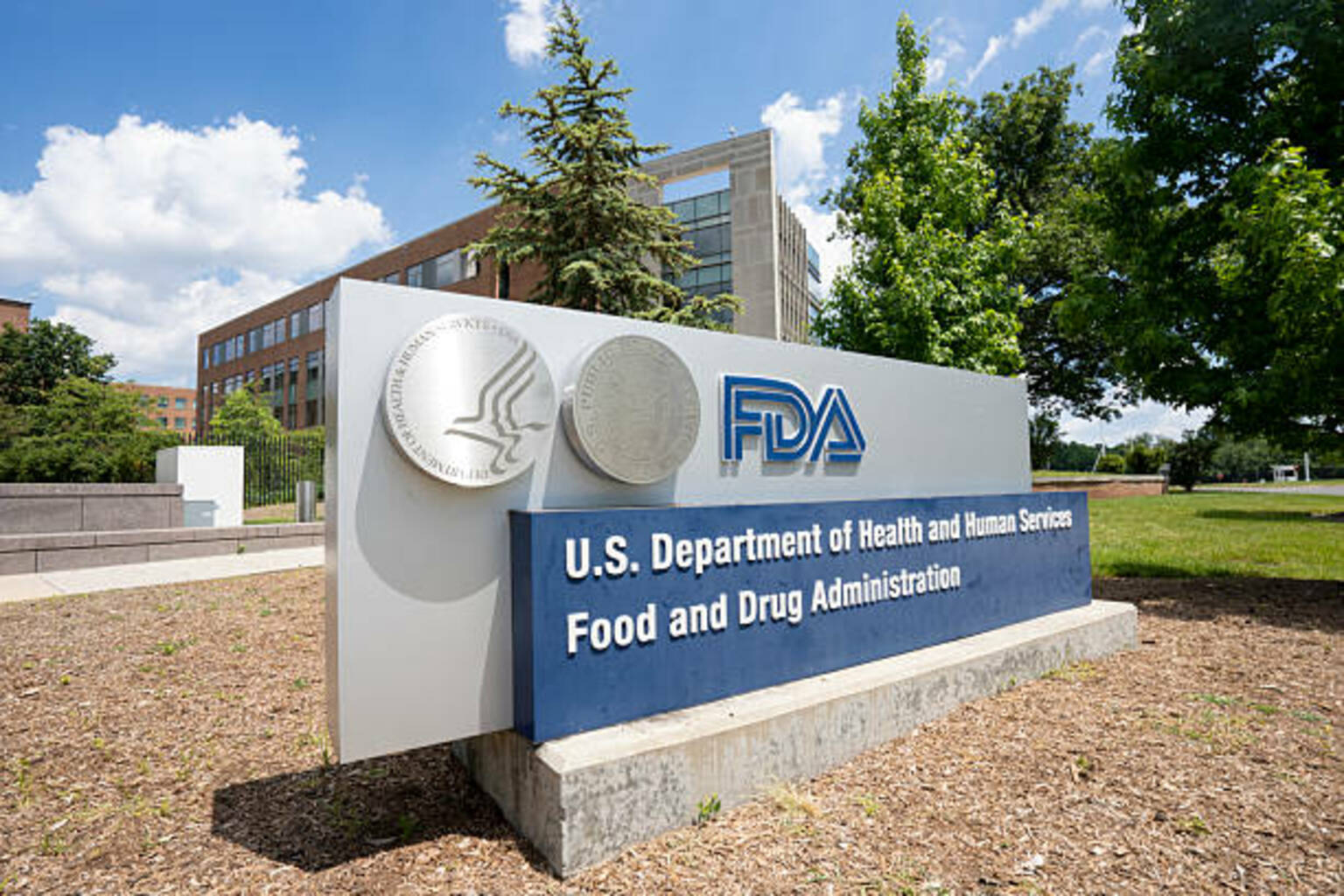
FDA Reviews Compounding Pharmacies for Peptide Manufacturing

- Peptide Drug Review: The FDA convened an independent advisory group to discuss allowing compounding pharmacies to manufacture specific peptides, which were removed from the list of drugs permitted for compounding in 2023, indicating a potential shift in regulatory policy that could impact market supply.
- Meeting Schedule: The upcoming meetings will focus on seven peptides scheduled for July 23 and 24, while another five will be reviewed at a future meeting before the end of February 2027, highlighting the FDA's ongoing scrutiny of peptide drugs.
- Growing Market Demand: Peptides are gaining attention for their vital roles in biological functions such as collagen formation and inflammation, particularly due to promotion by online influencers, despite limited data on their effectiveness and safety, which may create market opportunities for related companies.
- Policy Advocacy: Health Secretary Robert F. Kennedy Jr. stated in a podcast that he is advocating for the FDA to reverse restrictions on peptides, emphasizing his personal positive experiences with their use, which could influence public acceptance and demand for peptide products.
See More

Eli Lilly vs. Novo Nordisk Market Performance Comparison
- Market Value Comparison: Three years ago, Eli Lilly and Novo Nordisk had similar market values, but Eli Lilly surpassed $1 trillion last year, despite recent momentum loss, indicating its strong market performance and competitive edge.
- Product Competitive Advantage: Eli Lilly's Zepbound demonstrated an average weight loss of 20.2% in clinical trials against Novo Nordisk's Wegovy, which achieved only 13.7%, allowing Eli Lilly to lead the anti-obesity market and likely maintain this advantage going forward.
- Pipeline Potential: Eli Lilly's retatrutide showed an impressive 28.7% mean weight loss in a 68-week phase 3 study while alleviating knee pain, further solidifying its leadership in the weight loss drug market.
- Future Growth Outlook: Although Novo Nordisk faced setbacks in clinical trials, its robust pipeline still holds promise, and with a forward P/E of 11.2, it presents an attractive valuation that could yield significant returns for investors.
See More
FDA Mandates Post-Marketing Trials for Eli Lilly's Weight Loss Pill Foundayo
- FDA Post-Marketing Requirement: The U.S. FDA has mandated Eli Lilly to conduct post-marketing trials for its newly approved weight loss pill, Foundayo, to evaluate risks related to liver injury, cardiovascular events, and delayed gastric emptying, highlighting regulatory scrutiny on drug safety shortly after approval.
- Drug Indication: Foundayo is approved for use alongside a lower-calorie diet and increased physical activity for weight management in overweight and obese adults, providing Eli Lilly with a new growth avenue in the competitive weight loss market, particularly against Novo Nordisk's Wegovy, which has also received FDA approval.
- Lactation Study Requirement: The FDA has also requested a milk-only lactation study in lactating women to assess the presence of orforglipron in breast milk, aimed at ensuring transparency regarding the drug's safety for mothers and infants, thereby enhancing public confidence in its use.
- Market Competition Pressure: With the launch of Foundayo across U.S. retail pharmacies, Eli Lilly faces competitive pressure from rivals like Novo Nordisk, and the post-marketing trial requirements may impact its marketing strategies and sales expectations, especially in ensuring drug safety compliance.
See More
Eli Lilly Leads U.S. Weight Loss Drug Market
- Market Leadership: Eli Lilly has captured a 60% market share in the U.S. weight loss drug sector, while rival Novo Nordisk's share has fallen to 39%, indicating a significant competitive edge for Lilly in this lucrative market.
- Significant Revenue Growth: The combined sales of Lilly's Zepbound and Mounjaro exceeded $11 billion in the latest quarter, driving a 43% year-over-year increase in overall revenue to over $19 billion, reflecting strong market demand for its weight loss portfolio.
- New Drug Advantage: Lilly's newly approved oral weight loss drug, Foundayo, can be taken with food, unlike Novo Nordisk's product which requires fasting, potentially attracting more consumers and further solidifying Lilly's market position.
- Future Potential: Lilly anticipates completing seven phase 3 trials for retatrutide by 2026, which targets three hormonal pathways and has shown promising results with over 28% weight loss in 68 weeks, suggesting it could offer a stronger competitive advantage in the weight loss market.
See More
Eli Lilly Surpasses Novo Nordisk as U.S. Weight Loss Drug Leader
- Market Share Leadership: Eli Lilly has captured a 60% share of the U.S. weight loss drug market, while Novo Nordisk's share has fallen to 39%, indicating a significant competitive advantage for Lilly, particularly following the launch of new products.
- Superior Product Performance: Lilly's weight loss drug has demonstrated greater weight loss compared to Novo Nordisk's offerings, further solidifying its market position, while substantial investments in manufacturing ensure product availability.
- Significant Revenue Growth: In the most recent quarter, Lilly's weight loss portfolio, including Zepbound and Mounjaro, generated over $11 billion in revenue, driving a 43% year-over-year increase in total revenue to over $19 billion, reflecting strong market demand.
- Promising Future Potential: Lilly's ongoing phase 3 trials for retatrutide show potential for over 28% weight loss, and if successful, this could further enhance the company's leadership in the weight loss drug market by providing diverse treatment options for various patient needs.
See More
India's E-commerce Market Experiences Rapid Growth
- Investment Commitment: Amazon's pledge of $35 billion in India last year aims to digitize 12 million small businesses and enhance logistics infrastructure, demonstrating confidence in future market potential despite online shopping accounting for only 1.6% of GDP.
- User Growth Trend: According to Deloitte, India's e-commerce market experienced a compound annual growth of 23% from 2020 to 2025, with projections indicating it will reach $250 billion by 2030, highlighting both user growth and increased spending per shopper.
- Rise of Small City Consumers: Deloitte reports that over 60% of online shoppers come from smaller cities, marking a decisive shift in consumer dynamics and driving e-commerce order growth, indicating a rapid increase in purchasing power among these consumers.
- Quick Commerce Model: Amazon's quick commerce service, Amazon Now, sees a 25% month-over-month order growth, with Prime members tripling their shopping frequency, underscoring the significance of rapid delivery in meeting the demands of consumers in smaller cities.
See More
FDA Reviews Compounding Pharmacies for Peptide Manufacturing
- Peptide Drug Review: The FDA convened an independent advisory group to discuss allowing compounding pharmacies to manufacture specific peptides, which were removed from the list of drugs permitted for compounding in 2023, indicating a potential shift in regulatory policy that could impact market supply.
- Meeting Schedule: The upcoming meetings will focus on seven peptides scheduled for July 23 and 24, while another five will be reviewed at a future meeting before the end of February 2027, highlighting the FDA's ongoing scrutiny of peptide drugs.
- Growing Market Demand: Peptides are gaining attention for their vital roles in biological functions such as collagen formation and inflammation, particularly due to promotion by online influencers, despite limited data on their effectiveness and safety, which may create market opportunities for related companies.
- Policy Advocacy: Health Secretary Robert F. Kennedy Jr. stated in a podcast that he is advocating for the FDA to reverse restrictions on peptides, emphasizing his personal positive experiences with their use, which could influence public acceptance and demand for peptide products.
See More
Eli Lilly vs. Novo Nordisk Market Performance Comparison
- Market Value Comparison: Three years ago, Eli Lilly and Novo Nordisk had similar market values, but Eli Lilly surpassed $1 trillion last year, despite recent momentum loss, indicating its strong market performance and competitive edge.
- Product Competitive Advantage: Eli Lilly's Zepbound demonstrated an average weight loss of 20.2% in clinical trials against Novo Nordisk's Wegovy, which achieved only 13.7%, allowing Eli Lilly to lead the anti-obesity market and likely maintain this advantage going forward.
- Pipeline Potential: Eli Lilly's retatrutide showed an impressive 28.7% mean weight loss in a 68-week phase 3 study while alleviating knee pain, further solidifying its leadership in the weight loss drug market.
- Future Growth Outlook: Although Novo Nordisk faced setbacks in clinical trials, its robust pipeline still holds promise, and with a forward P/E of 11.2, it presents an attractive valuation that could yield significant returns for investors.
See More