DSTL Stock Price Analysis and ETF Dynamics
Written by Emily J. Thompson, Senior Investment Analyst
Updated: 1 hour ago
0mins

Should l Buy QCOM?
Source: NASDAQ.COM
- Price Fluctuation Analysis: DSTL's 52-week low is $47.67 per share and high is $62.02, with the latest trade at $57.13, indicating price volatility within this range that may influence investor buying decisions.
- Technical Analysis Tool: Comparing the latest stock price to the 200-day moving average can provide investors with useful technical analysis insights, helping them better grasp market trends.
- ETF Trading Mechanism: Exchange-traded funds (ETFs) trade like stocks, where investors are actually buying and selling 'units' that can be created or destroyed based on investor demand, impacting market liquidity.
- Inflows and Outflows Monitoring: Weekly monitoring of changes in ETF shares outstanding helps identify those experiencing notable inflows (new units created) or outflows (old units destroyed), which can affect the performance of individual stocks held within these ETFs.
Trade with 70% Backtested Accuracy
Stop guessing "Should I Buy QCOM?" and start using high-conviction signals backed by rigorous historical data.
Sign up today to access powerful investing tools and make smarter, data-driven decisions.
Analyst Views on QCOM
Wall Street analysts forecast QCOM stock price to rise
16 Analyst Rating
10 Buy
5 Hold
1 Sell
Moderate Buy
Current: 130.540

Low
165.00
Averages
197.14
High
225.00
Current: 130.540
Low
165.00
Averages
197.14
High
225.00
About QCOM
Qualcomm Incorporated is engaged in the development and commercialization of foundational technologies for the wireless industry, including third generation (3G), fourth generation (4G) and fifth generation (5G) wireless connectivity, and high-performance and low-power computing, including on-device artificial intelligence. Its segments include Qualcomm CDMA Technologies (QCT), Qualcomm Technology Licensing (QTL) and Qualcomm Strategic Initiatives. QCT develops and supplies integrated circuits and system software based on 3G/4G/5G and other technologies, including radio frequency front-end, digital cockpit and advanced driver assistance and automated driving, Internet of things including consumer electronic devices, industrial devices and edge networking products. QTL grants licenses or otherwise provides rights to use portions of its intellectual property portfolio that includes certain patent rights essential to and/or useful in the manufacture and sale of certain wireless products.
About the author

Emily J. Thompson
Emily J. Thompson, a Chartered Financial Analyst (CFA) with 12 years in investment research, graduated with honors from the Wharton School. Specializing in industrial and technology stocks, she provides in-depth analysis for Intellectia’s earnings and market brief reports.

DSTL Stock Price Analysis and ETF Dynamics


- Price Fluctuation Analysis: DSTL's 52-week low is $47.67 per share and high is $62.02, with the latest trade at $57.13, indicating price volatility within this range that may influence investor buying decisions.
- Technical Analysis Tool: Comparing the latest stock price to the 200-day moving average can provide investors with useful technical analysis insights, helping them better grasp market trends.
- ETF Trading Mechanism: Exchange-traded funds (ETFs) trade like stocks, where investors are actually buying and selling 'units' that can be created or destroyed based on investor demand, impacting market liquidity.
- Inflows and Outflows Monitoring: Weekly monitoring of changes in ETF shares outstanding helps identify those experiencing notable inflows (new units created) or outflows (old units destroyed), which can affect the performance of individual stocks held within these ETFs.
See More
Qualcomm Downgraded and Price Target Cut

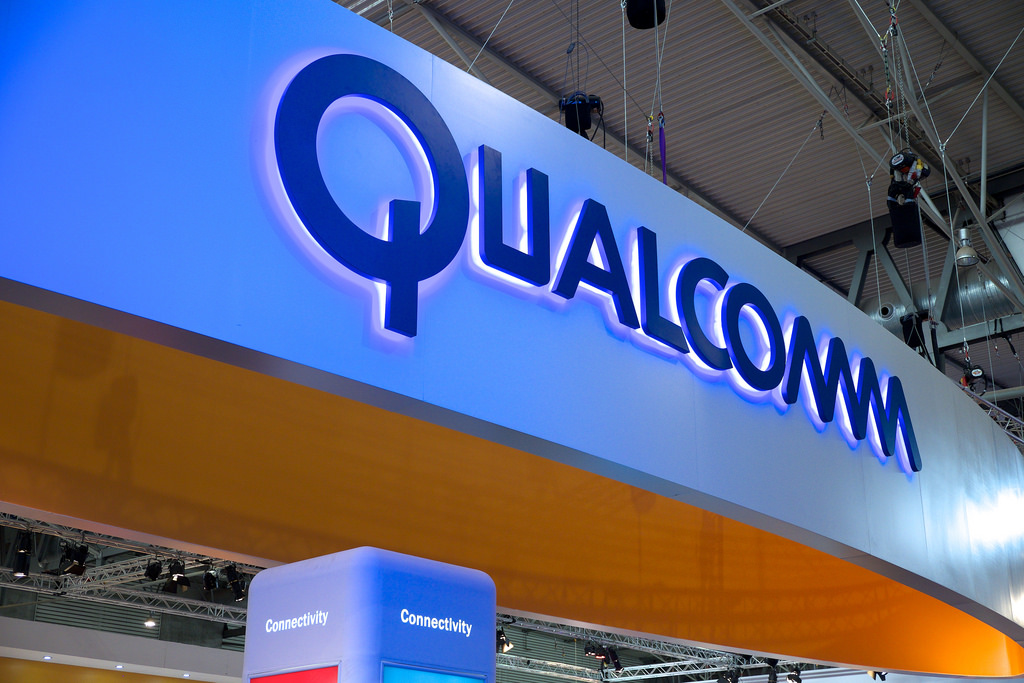
- Rating Downgrade: Bernstein Research downgraded Qualcomm (QCOM) from Outperform to Market Perform and cut its price target from $175 to $140, reflecting concerns over smartphone shipment declines and indicating that market expectations for Qualcomm are now too high.
- Stock Buyback Program: Qualcomm announced a $20 billion stock buyback program on March 17, aiming to capitalize on its sharply declining share price, which is particularly significant amid a global memory supply crunch that is expected to slow handset production.
- Dividend Increase: Qualcomm raised its quarterly cash dividend by over 3% from $0.89 to $0.92 per share, demonstrating confidence in future cash flows and potentially attracting income-seeking investors looking for stability in their portfolios.
- Apple License Risk: Analysts flagged the risk associated with the expiration of the Apple license agreement in about a year, which could negatively impact Qualcomm's revenues, especially in the context of weakening smartphone demand, thereby heightening market concerns about Qualcomm's future performance.
See More

Intensifying Competition in AI Chip Market


- Rise of TPU: Alphabet's introduction of the TPU chip, specifically designed for its AI program Gemini, signals a shift in the AI industry from Nvidia GPUs to custom chips, enhancing competitive dynamics in the market.
- Broadcom's Strategic Partnership: The multi-year design partnership between Broadcom and OpenAI aims to develop 10 gigawatts of custom AI accelerators, with projected AI chip revenue reaching $100 billion by 2027, indicating strong growth potential in the AI sector.
- Market Share Expectations: Broadcom is expected to capture a 60% share of the AI server compute application-specific integrated circuit market by 2027, bolstered by collaborations with Microsoft, Amazon, and Meta, further solidifying its market position.
- TSMC's Manufacturing Capacity: Taiwan Semiconductor, as the world's leading chip foundry controlling 72% of the market, is projected to generate $122.42 billion in revenue by 2025, underscoring its critical role in the global semiconductor landscape.
See More

Broadcom's Rise in the AI Chip Market
- Market Share Projection: Broadcom is projected to control 60% of the AI server application-specific integrated circuit market by 2027, reflecting its strong market position gained through collaborations with Alphabet, OpenAI, and Anthropic, highlighting its strategic significance in the AI sector.
- Revenue Growth: Broadcom's net revenue for 2025 reached $63.8 billion, a 24% increase year-over-year, while its earnings per share (EPS) surged 40% to $6.82, indicating robust financial performance amid soaring AI chip demand, which boosts investor confidence.
- Partnerships: The multi-year design partnership with OpenAI will enable Broadcom to develop 10 gigawatts of custom AI accelerators, further solidifying its leadership in AI hardware, while also providing Anthropic with 1 gigawatt of computing power, showcasing its critical role in the industry.
- Manufacturing Dependency: While Broadcom designs chips, it relies on Taiwan Semiconductor, which controls 72% of the market and generated $122.42 billion in revenue for 2025, underscoring its importance in the global semiconductor supply chain.
See More

Apple Expands U.S. Manufacturing Partnerships with New Suppliers
- Increased Manufacturing Partnerships: Apple has announced the addition of new partners including Qnity Electronics, Cirrus Logic, Bosch, and TDK to its American Manufacturing Program, planning to invest $400 million by 2030, which enhances its supply chain localization and strengthens U.S. manufacturing competitiveness.
- Strategic Investment Commitment: Apple's commitment to invest $500 billion in 2025, with an additional $100 billion, underscores its long-term dedication to the U.S. market, aiming to mitigate supply chain risks and enhance brand image through localized production.
- Critical Component Supply: Qnity's involvement highlights its importance in the semiconductor supply chain, as Apple relies on its specialized chemicals and materials, ensuring a stronger partnership with TSMC and enhancing Apple's competitive edge in chip manufacturing.
- Enhanced Market Competitiveness: Qnity's stock remains cheaper compared to its main rival Entegris, trading at less than 32 times earnings estimates, indicating strong future earnings growth potential, with Apple's backing further solidifying its market position.
See More

Market Volatility and Investment Strategy Analysis


- Market Volatility Impact: The S&P 500 fell nearly 1% on Thursday due to uncertainty over ceasefire talks with Iran, erasing gains from the previous session and highlighting the market's sensitivity to geopolitical risks.
- Oil Price Surge: U.S. oil prices rose 4% amid the ongoing conflict, reflecting the inverse relationship between oil prices and stock market performance, prompting investors to approach market fluctuations with caution.
- Wells Fargo Investment Opportunity: Jefferies initiated coverage on Wells Fargo with a buy rating, noting that the removal of its asset cap allows for faster growth in its balance sheet and interest income, with Jim Cramer suggesting to buy more shares if the price drops below $80.
- TJX Stock Potential: Bernstein analysts highlighted TJX as a strong performer during economic uncertainty, stating that despite its premium valuation, a significant price drop could present a buying opportunity, making it a stock to watch.
See More
DSTL Stock Price Analysis and ETF Dynamics
- Price Fluctuation Analysis: DSTL's 52-week low is $47.67 per share and high is $62.02, with the latest trade at $57.13, indicating price volatility within this range that may influence investor buying decisions.
- Technical Analysis Tool: Comparing the latest stock price to the 200-day moving average can provide investors with useful technical analysis insights, helping them better grasp market trends.
- ETF Trading Mechanism: Exchange-traded funds (ETFs) trade like stocks, where investors are actually buying and selling 'units' that can be created or destroyed based on investor demand, impacting market liquidity.
- Inflows and Outflows Monitoring: Weekly monitoring of changes in ETF shares outstanding helps identify those experiencing notable inflows (new units created) or outflows (old units destroyed), which can affect the performance of individual stocks held within these ETFs.
See More
Qualcomm Downgraded and Price Target Cut
- Rating Downgrade: Bernstein Research downgraded Qualcomm (QCOM) from Outperform to Market Perform and cut its price target from $175 to $140, reflecting concerns over smartphone shipment declines and indicating that market expectations for Qualcomm are now too high.
- Stock Buyback Program: Qualcomm announced a $20 billion stock buyback program on March 17, aiming to capitalize on its sharply declining share price, which is particularly significant amid a global memory supply crunch that is expected to slow handset production.
- Dividend Increase: Qualcomm raised its quarterly cash dividend by over 3% from $0.89 to $0.92 per share, demonstrating confidence in future cash flows and potentially attracting income-seeking investors looking for stability in their portfolios.
- Apple License Risk: Analysts flagged the risk associated with the expiration of the Apple license agreement in about a year, which could negatively impact Qualcomm's revenues, especially in the context of weakening smartphone demand, thereby heightening market concerns about Qualcomm's future performance.
See More
Intensifying Competition in AI Chip Market
- Rise of TPU: Alphabet's introduction of the TPU chip, specifically designed for its AI program Gemini, signals a shift in the AI industry from Nvidia GPUs to custom chips, enhancing competitive dynamics in the market.
- Broadcom's Strategic Partnership: The multi-year design partnership between Broadcom and OpenAI aims to develop 10 gigawatts of custom AI accelerators, with projected AI chip revenue reaching $100 billion by 2027, indicating strong growth potential in the AI sector.
- Market Share Expectations: Broadcom is expected to capture a 60% share of the AI server compute application-specific integrated circuit market by 2027, bolstered by collaborations with Microsoft, Amazon, and Meta, further solidifying its market position.
- TSMC's Manufacturing Capacity: Taiwan Semiconductor, as the world's leading chip foundry controlling 72% of the market, is projected to generate $122.42 billion in revenue by 2025, underscoring its critical role in the global semiconductor landscape.
See More
Broadcom's Rise in the AI Chip Market
- Market Share Projection: Broadcom is projected to control 60% of the AI server application-specific integrated circuit market by 2027, reflecting its strong market position gained through collaborations with Alphabet, OpenAI, and Anthropic, highlighting its strategic significance in the AI sector.
- Revenue Growth: Broadcom's net revenue for 2025 reached $63.8 billion, a 24% increase year-over-year, while its earnings per share (EPS) surged 40% to $6.82, indicating robust financial performance amid soaring AI chip demand, which boosts investor confidence.
- Partnerships: The multi-year design partnership with OpenAI will enable Broadcom to develop 10 gigawatts of custom AI accelerators, further solidifying its leadership in AI hardware, while also providing Anthropic with 1 gigawatt of computing power, showcasing its critical role in the industry.
- Manufacturing Dependency: While Broadcom designs chips, it relies on Taiwan Semiconductor, which controls 72% of the market and generated $122.42 billion in revenue for 2025, underscoring its importance in the global semiconductor supply chain.
See More
Apple Expands U.S. Manufacturing Partnerships with New Suppliers
- Increased Manufacturing Partnerships: Apple has announced the addition of new partners including Qnity Electronics, Cirrus Logic, Bosch, and TDK to its American Manufacturing Program, planning to invest $400 million by 2030, which enhances its supply chain localization and strengthens U.S. manufacturing competitiveness.
- Strategic Investment Commitment: Apple's commitment to invest $500 billion in 2025, with an additional $100 billion, underscores its long-term dedication to the U.S. market, aiming to mitigate supply chain risks and enhance brand image through localized production.
- Critical Component Supply: Qnity's involvement highlights its importance in the semiconductor supply chain, as Apple relies on its specialized chemicals and materials, ensuring a stronger partnership with TSMC and enhancing Apple's competitive edge in chip manufacturing.
- Enhanced Market Competitiveness: Qnity's stock remains cheaper compared to its main rival Entegris, trading at less than 32 times earnings estimates, indicating strong future earnings growth potential, with Apple's backing further solidifying its market position.
See More
Market Volatility and Investment Strategy Analysis
- Market Volatility Impact: The S&P 500 fell nearly 1% on Thursday due to uncertainty over ceasefire talks with Iran, erasing gains from the previous session and highlighting the market's sensitivity to geopolitical risks.
- Oil Price Surge: U.S. oil prices rose 4% amid the ongoing conflict, reflecting the inverse relationship between oil prices and stock market performance, prompting investors to approach market fluctuations with caution.
- Wells Fargo Investment Opportunity: Jefferies initiated coverage on Wells Fargo with a buy rating, noting that the removal of its asset cap allows for faster growth in its balance sheet and interest income, with Jim Cramer suggesting to buy more shares if the price drops below $80.
- TJX Stock Potential: Bernstein analysts highlighted TJX as a strong performer during economic uncertainty, stating that despite its premium valuation, a significant price drop could present a buying opportunity, making it a stock to watch.
See More