EMA Endorses Sanofi's Scarlisa for On-Body Injection Approval
Written by Emily J. Thompson, Senior Investment Analyst
Updated: 1 hour ago
0mins
Should l Buy SNY?
Source: seekingalpha
- Regulatory Progress: The European Medicines Agency's Committee has adopted a positive opinion for Sanofi's Scarlisa (isatuximab) subcutaneous formulation, which, if approved, would be the only oncologic drug in the EU administered via on-body injection, significantly enhancing Sanofi's competitive edge in the oncology market.
- Multiple Myeloma Treatment: Scarlisa is already approved for multiple myeloma, and its potential approval for on-body injection could provide patients with a more convenient administration method, likely improving adherence and driving market share growth for Sanofi in this therapeutic area.
- Optimistic Market Outlook: Sanofi anticipates continued profitable growth over the next five years, and the approval of Scarlisa would further solidify its position in the oncology drug market, contributing positively to the company's overall performance.
- Management Transition Impact: Under the leadership of new CEO Belén Garijo, Sanofi is focused on project rejuvenation; although former CEO Paul Hudson left some projects unfinished, the potential success of new drugs like Scarlisa could provide fresh growth momentum for the company.
Trade with 70% Backtested Accuracy
Stop guessing "Should I Buy SNY?" and start using high-conviction signals backed by rigorous historical data.
Sign up today to access powerful investing tools and make smarter, data-driven decisions.
Analyst Views on SNY
Wall Street analysts forecast SNY stock price to rise
5 Analyst Rating
2 Buy
3 Hold
0 Sell
Moderate Buy
Current: 46.620

Low
57.00
Averages
79.36
High
119.07
Current: 46.620
Low
57.00
Averages
79.36
High
119.07
About SNY
Sanofi SA is a France-based healthcare company based in France. The Company focuses on patient needs and engages in the research, development, manufacture, and marketing of therapeutic solutions. Its three operating segments are: Pharmaceuticals, Consumer Healthcare (CHC), and Vaccines. The Pharmaceuticals includes: Immunology, Multiple Sclerosis / Neurology, Oncology, Rare Diseases, Rare Blood Disorders, Cardiovascular, Diabetes, Established Prescription Products. The Vaccines segment comprises, for all geographical territories, the commercial operations of Sanofi Pasteur, together with research, development, and production activities dedicated to vaccines. The CHC segment comprises the commercial operations for Sanofi’s Consumer Healthcare products, together with research, development and production activities dedicated to those products. The Company’s products developed in collaboration or franchise include Dupixent, Aubagio, Lemtrada, Cerezyme, Lumizyme, Jevtana, Fabrazyme.
About the author

Emily J. Thompson
Emily J. Thompson, a Chartered Financial Analyst (CFA) with 12 years in investment research, graduated with honors from the Wharton School. Specializing in industrial and technology stocks, she provides in-depth analysis for Intellectia’s earnings and market brief reports.

EMA Recommends Approval of Sarclisa Subcutaneous Injection for Multiple Myeloma

- Positive EMA Opinion: The European Medicines Agency's Committee has adopted a positive opinion recommending the approval of Sarclisa (isatuximab) subcutaneous injection for multiple myeloma patients, covering all current indications, marking a significant advancement in treatment options.
- First Subcutaneous Anticancer Drug: If approved, Sarclisa subcutaneous injection will be the first anticancer treatment administered via an on-body injector, enhancing patient convenience and potentially transforming the treatment landscape for multiple myeloma.
- Positive Market Reaction: Sanofi shares rose by 1.54% to €82.40, reflecting market optimism regarding the approval prospects of Sarclisa subcutaneous injection, which could enhance the company's competitiveness in the oncology market.
- Innovative Delivery Method: The Sarclisa subcutaneous injection will offer both subcutaneous and manual injection options, increasing patient choice and aligning with personalized medicine trends, further solidifying Sanofi's leadership in cancer treatment.
See More

EMA Endorses Sanofi's Scarlisa for On-Body Injection Approval
- Regulatory Progress: The European Medicines Agency's Committee has adopted a positive opinion for Sanofi's Scarlisa (isatuximab) subcutaneous formulation, which, if approved, would be the only oncologic drug in the EU administered via on-body injection, significantly enhancing Sanofi's competitive edge in the oncology market.
- Multiple Myeloma Treatment: Scarlisa is already approved for multiple myeloma, and its potential approval for on-body injection could provide patients with a more convenient administration method, likely improving adherence and driving market share growth for Sanofi in this therapeutic area.
- Optimistic Market Outlook: Sanofi anticipates continued profitable growth over the next five years, and the approval of Scarlisa would further solidify its position in the oncology drug market, contributing positively to the company's overall performance.
- Management Transition Impact: Under the leadership of new CEO Belén Garijo, Sanofi is focused on project rejuvenation; although former CEO Paul Hudson left some projects unfinished, the potential success of new drugs like Scarlisa could provide fresh growth momentum for the company.
See More

Biotech Landscape Update: Regulatory Approvals and Mergers

- Anavex Drug Withdrawal: Anavex Life Sciences Corp. (AVXL) withdrew its EU marketing application for Alzheimer's drug Blarcamesine after the EMA's CHMP indicated it could not issue a positive opinion, marking a significant setback for the company's lead candidate despite continued support from patient groups.
- Quoin FDA Alignment: Quoin Pharmaceuticals Ltd. (QNRX) received positive feedback from the FDA confirming that a single Phase 3 trial may suffice for U.S. approval of QRX003 for Netherton Syndrome, with plans to initiate Phase 3 in 2026 and potentially file an NDA in 2027.
- Corcept Drug Approval: Corcept Therapeutics Inc. (CORT) secured FDA approval for Lifyorli combined with nab-paclitaxel to treat platinum-resistant ovarian cancer, based on Phase 3 ROSELLA trial results involving 381 patients, marking the first FDA-approved selective glucocorticoid receptor antagonist.
- Merck Acquires Terns: Merck (MRK) announced a definitive agreement to acquire Terns Pharmaceuticals for $53.00 per share, totaling approximately $6.7 billion, which is expected to enhance Merck's presence in hematology, with the transaction anticipated to close in Q2 2026.
See More

Anti-Vaccine Group Seeks Expansion of Vaccine Injury List

- Vaccine Injury Petition: The Informed Consent Action Network (ICAN) has filed a petition with HHS Secretary Robert F. Kennedy Jr. to add 300 vaccine injury pairs to the Vaccine Injury Compensation Program, including 62 influenza, 51 MMR, and 47 hepatitis B vaccine injuries, highlighting dissatisfaction with the unchanged injury list since 2017.
- Policy Recommendations: The petition also requests that Kennedy refer the matter to the Advisory Commission on Childhood Vaccines and initiate notice-and-comment rulemaking, aiming to push for a formal review of vaccine injuries and improvements in compensation mechanisms, reflecting strong skepticism towards current policies.
- Compensation Gaps: ICAN emphasizes that federal health authorities have acknowledged associations between vaccines and injuries over the past decade but have failed to add these injuries to the compensation list, leaving affected individuals without the compensation intended by the statute, underscoring flaws in policy implementation.
- Industry Impact: This move could affect pharmaceutical companies like Merck and Sanofi, as investors express concerns over Merck's $6.7 billion acquisition of Terns Pharmaceuticals, indicating market sensitivity to potential changes in vaccine-related policies.
See More
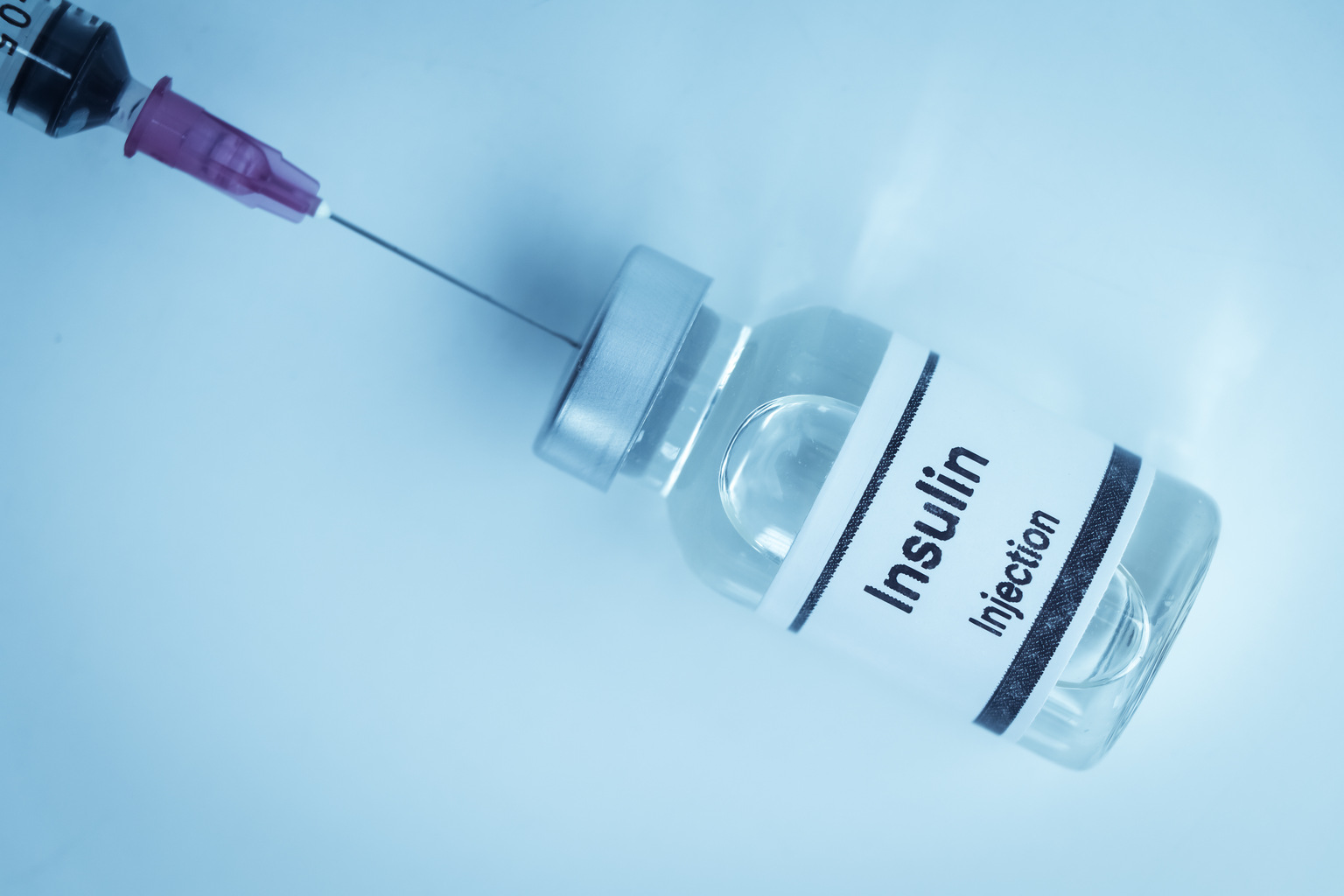
Senate Reaches Bipartisan Deal to Cap Insulin Costs at $35
- Insulin Cost Cap: A bipartisan group of senators has reached an agreement to cap insulin costs at $35 per month for individuals with employer or state marketplace insurance, aiming to enhance drug affordability and alleviate financial burdens for millions of Americans.
- Benefits for Uninsured: The legislation includes a pilot program in 10 states allowing uninsured individuals to purchase insulin at the lower price, which will expand access to essential medication and support more diabetes patients in receiving necessary treatment.
- Bill Introduction and Support: Titled the 'Improving Needed Safeguards for Users of Lifesaving Insulin Now Act of 2026,' the bill is introduced by Senator Jeanne Shaheen and three other senators, reflecting bipartisan cooperation, although it still requires convincing Senate Majority Leader to gain traction.
- Policy Impact and Outlook: If passed, this legislation will address the growing affordability crisis surrounding insulin in the U.S., and if signed by President Trump, it will represent a significant advancement in healthcare policy, impacting a broad patient demographic.
See More
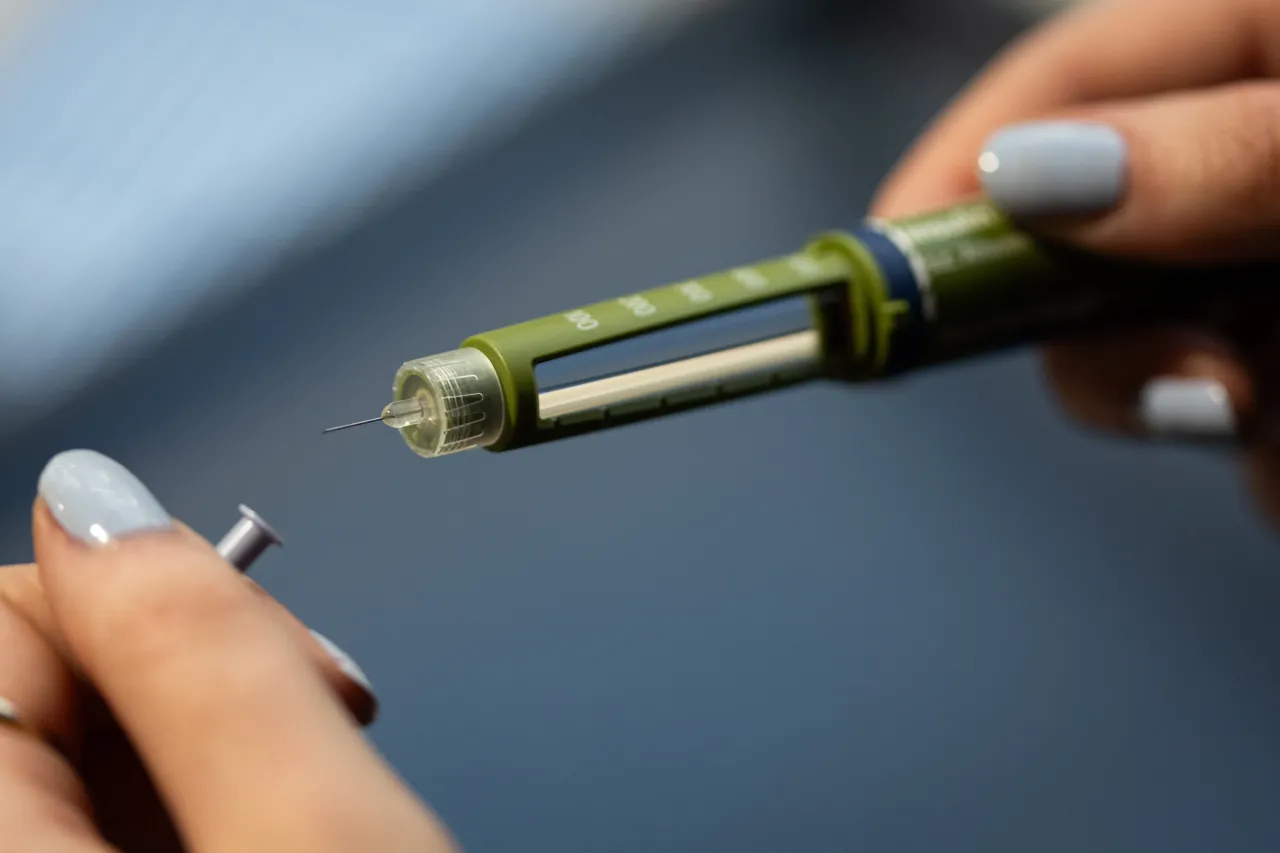
U.S. Senators Reach Agreement to Cap Insulin Prices
- Insulin Price Cap: A bipartisan group of U.S. senators has reached an agreement to cap insulin prices at $35 per month, aiming to alleviate the financial burden for nearly 30 million Americans diagnosed with diabetes, highlighting a commitment to improving public health.
- Legislative Progress: The proposal, led by Jeanne Shaheen and Susan Collins, requires support from Senate Majority Leader John Thune and President Trump, indicating the political significance and urgency of the bill in addressing healthcare costs.
- Expanded Coverage: Initially focused on insured patients, the bill now includes a pilot program allowing uninsured individuals in 10 states to access insulin at capped prices, reflecting a commitment to supporting vulnerable populations.
- Positive Market Reaction: Following the announcement, shares of major insulin producers rose in pre-market trading, with Sanofi up 2% and Eli Lilly and Novo Nordisk each gaining around 0.5%, indicating market optimism regarding the potential impact of the legislation.
See More
EMA Recommends Approval of Sarclisa Subcutaneous Injection for Multiple Myeloma
- Positive EMA Opinion: The European Medicines Agency's Committee has adopted a positive opinion recommending the approval of Sarclisa (isatuximab) subcutaneous injection for multiple myeloma patients, covering all current indications, marking a significant advancement in treatment options.
- First Subcutaneous Anticancer Drug: If approved, Sarclisa subcutaneous injection will be the first anticancer treatment administered via an on-body injector, enhancing patient convenience and potentially transforming the treatment landscape for multiple myeloma.
- Positive Market Reaction: Sanofi shares rose by 1.54% to €82.40, reflecting market optimism regarding the approval prospects of Sarclisa subcutaneous injection, which could enhance the company's competitiveness in the oncology market.
- Innovative Delivery Method: The Sarclisa subcutaneous injection will offer both subcutaneous and manual injection options, increasing patient choice and aligning with personalized medicine trends, further solidifying Sanofi's leadership in cancer treatment.
See More
EMA Endorses Sanofi's Scarlisa for On-Body Injection Approval
- Regulatory Progress: The European Medicines Agency's Committee has adopted a positive opinion for Sanofi's Scarlisa (isatuximab) subcutaneous formulation, which, if approved, would be the only oncologic drug in the EU administered via on-body injection, significantly enhancing Sanofi's competitive edge in the oncology market.
- Multiple Myeloma Treatment: Scarlisa is already approved for multiple myeloma, and its potential approval for on-body injection could provide patients with a more convenient administration method, likely improving adherence and driving market share growth for Sanofi in this therapeutic area.
- Optimistic Market Outlook: Sanofi anticipates continued profitable growth over the next five years, and the approval of Scarlisa would further solidify its position in the oncology drug market, contributing positively to the company's overall performance.
- Management Transition Impact: Under the leadership of new CEO Belén Garijo, Sanofi is focused on project rejuvenation; although former CEO Paul Hudson left some projects unfinished, the potential success of new drugs like Scarlisa could provide fresh growth momentum for the company.
See More
Biotech Landscape Update: Regulatory Approvals and Mergers
- Anavex Drug Withdrawal: Anavex Life Sciences Corp. (AVXL) withdrew its EU marketing application for Alzheimer's drug Blarcamesine after the EMA's CHMP indicated it could not issue a positive opinion, marking a significant setback for the company's lead candidate despite continued support from patient groups.
- Quoin FDA Alignment: Quoin Pharmaceuticals Ltd. (QNRX) received positive feedback from the FDA confirming that a single Phase 3 trial may suffice for U.S. approval of QRX003 for Netherton Syndrome, with plans to initiate Phase 3 in 2026 and potentially file an NDA in 2027.
- Corcept Drug Approval: Corcept Therapeutics Inc. (CORT) secured FDA approval for Lifyorli combined with nab-paclitaxel to treat platinum-resistant ovarian cancer, based on Phase 3 ROSELLA trial results involving 381 patients, marking the first FDA-approved selective glucocorticoid receptor antagonist.
- Merck Acquires Terns: Merck (MRK) announced a definitive agreement to acquire Terns Pharmaceuticals for $53.00 per share, totaling approximately $6.7 billion, which is expected to enhance Merck's presence in hematology, with the transaction anticipated to close in Q2 2026.
See More
Anti-Vaccine Group Seeks Expansion of Vaccine Injury List
- Vaccine Injury Petition: The Informed Consent Action Network (ICAN) has filed a petition with HHS Secretary Robert F. Kennedy Jr. to add 300 vaccine injury pairs to the Vaccine Injury Compensation Program, including 62 influenza, 51 MMR, and 47 hepatitis B vaccine injuries, highlighting dissatisfaction with the unchanged injury list since 2017.
- Policy Recommendations: The petition also requests that Kennedy refer the matter to the Advisory Commission on Childhood Vaccines and initiate notice-and-comment rulemaking, aiming to push for a formal review of vaccine injuries and improvements in compensation mechanisms, reflecting strong skepticism towards current policies.
- Compensation Gaps: ICAN emphasizes that federal health authorities have acknowledged associations between vaccines and injuries over the past decade but have failed to add these injuries to the compensation list, leaving affected individuals without the compensation intended by the statute, underscoring flaws in policy implementation.
- Industry Impact: This move could affect pharmaceutical companies like Merck and Sanofi, as investors express concerns over Merck's $6.7 billion acquisition of Terns Pharmaceuticals, indicating market sensitivity to potential changes in vaccine-related policies.
See More
Senate Reaches Bipartisan Deal to Cap Insulin Costs at $35
- Insulin Cost Cap: A bipartisan group of senators has reached an agreement to cap insulin costs at $35 per month for individuals with employer or state marketplace insurance, aiming to enhance drug affordability and alleviate financial burdens for millions of Americans.
- Benefits for Uninsured: The legislation includes a pilot program in 10 states allowing uninsured individuals to purchase insulin at the lower price, which will expand access to essential medication and support more diabetes patients in receiving necessary treatment.
- Bill Introduction and Support: Titled the 'Improving Needed Safeguards for Users of Lifesaving Insulin Now Act of 2026,' the bill is introduced by Senator Jeanne Shaheen and three other senators, reflecting bipartisan cooperation, although it still requires convincing Senate Majority Leader to gain traction.
- Policy Impact and Outlook: If passed, this legislation will address the growing affordability crisis surrounding insulin in the U.S., and if signed by President Trump, it will represent a significant advancement in healthcare policy, impacting a broad patient demographic.
See More
U.S. Senators Reach Agreement to Cap Insulin Prices
- Insulin Price Cap: A bipartisan group of U.S. senators has reached an agreement to cap insulin prices at $35 per month, aiming to alleviate the financial burden for nearly 30 million Americans diagnosed with diabetes, highlighting a commitment to improving public health.
- Legislative Progress: The proposal, led by Jeanne Shaheen and Susan Collins, requires support from Senate Majority Leader John Thune and President Trump, indicating the political significance and urgency of the bill in addressing healthcare costs.
- Expanded Coverage: Initially focused on insured patients, the bill now includes a pilot program allowing uninsured individuals in 10 states to access insulin at capped prices, reflecting a commitment to supporting vulnerable populations.
- Positive Market Reaction: Following the announcement, shares of major insulin producers rose in pre-market trading, with Sanofi up 2% and Eli Lilly and Novo Nordisk each gaining around 0.5%, indicating market optimism regarding the potential impact of the legislation.
See More