Disney Ends Partnership with OpenAI as Sora Model Shuts Down
Written by Emily J. Thompson, Senior Investment Analyst
Updated: 3 days ago
0mins
Should l Buy DIS?
Source: Fool
- Partnership Termination: Disney's collaboration with OpenAI has ended due to the shutdown of the Sora text-to-video AI model, which also cancels a planned $1 billion investment, highlighting uncertainty in Disney's tech investment strategy.
- Market Valuation: OpenAI's current valuation stands at $852 billion, enough to acquire five Disneys, indicating that while Disney may miss out on participating in OpenAI's IPO funding, it could refocus on internal growth opportunities.
- Theme Park Investment: Disney plans to invest $60 billion over the next decade to upgrade its theme parks and expand its cruise fleet, emphasizing its commitment to enhancing guest experiences, which is expected to attract more visitors and boost revenue.
- Content Production Focus: With its streaming business now profitable, Disney will increase investments in high-budget films, including Toy Story 5 and Avengers: Doomsday, further solidifying its leadership position in the entertainment industry.
Trade with 70% Backtested Accuracy
Stop guessing "Should I Buy DIS?" and start using high-conviction signals backed by rigorous historical data.
Sign up today to access powerful investing tools and make smarter, data-driven decisions.
Analyst Views on DIS
Wall Street analysts forecast DIS stock price to rise
19 Analyst Rating
16 Buy
3 Hold
0 Sell
Strong Buy
Current: 96.560

Low
123.00
Averages
137.29
High
152.00
Current: 96.560
Low
123.00
Averages
137.29
High
152.00
About DIS
The Walt Disney Company is a diversified worldwide entertainment company. The Company's segments include Entertainment, Sports and Experiences. The Entertainment segment generally encompasses its non-sports focused global film and episodic content production and distribution activities. The lines of business within the Entertainment segment along with their business activities include Linear Networks, Direct-to-Consumer, and Content Sales/Licensing. The Sports segment encompasses its sports-focused global television and direct-to-consumer (DTC) video streaming content production and distribution activities. The lines of business within the Sports segment include ESPN and Star. The Experiences segment includes Parks and Experiences and Consumer Products. Parks and Experiences consists of Walt Disney World Resort in Florida, Disneyland Resort in California, Disney Cruise Line, and others. Consumer Products includes licensing of its trade names, characters, visual, literary and other IP.
About the author

Emily J. Thompson
Emily J. Thompson, a Chartered Financial Analyst (CFA) with 12 years in investment research, graduated with honors from the Wharton School. Specializing in industrial and technology stocks, she provides in-depth analysis for Intellectia’s earnings and market brief reports.
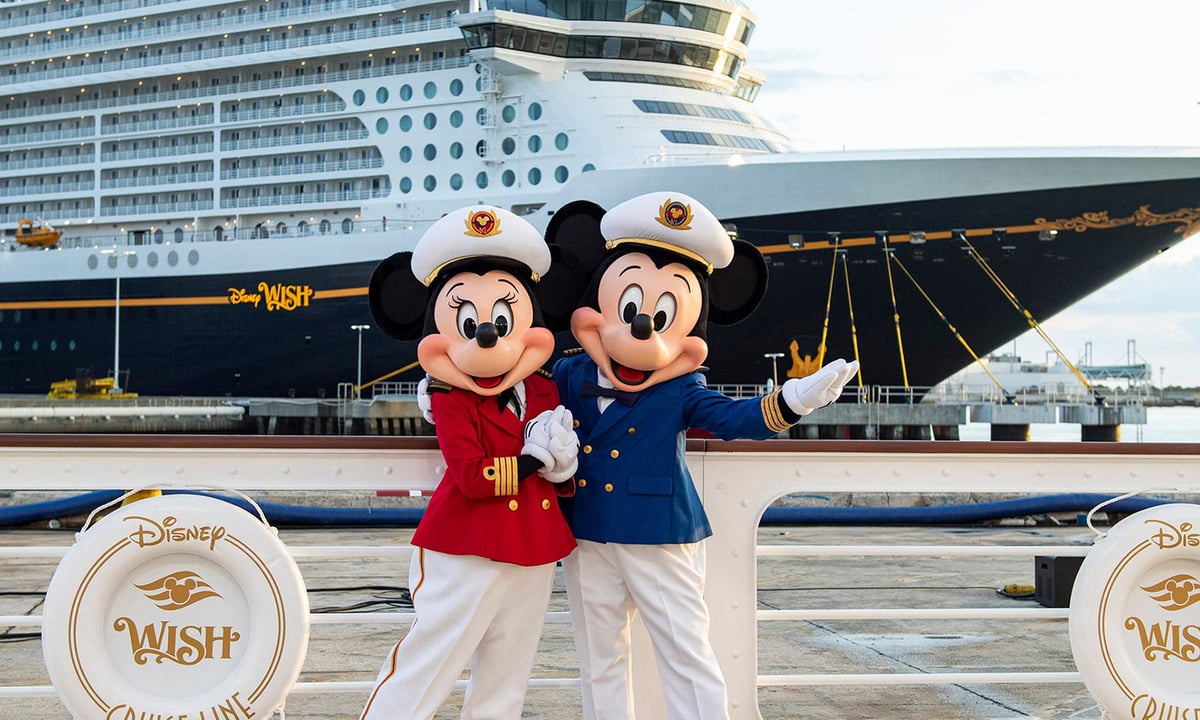
Disney's New CEO Signals Strategic Shift

- Streaming Success: Disney ended fiscal year 2025 with approximately 196 million subscribers across Disney+ and Hulu, achieving $1.3 billion in operating income last year, which underscores its leadership in the streaming market.
- Strong Experiences Segment: In Q1 of fiscal year 2026, Disney's Experiences segment, which includes theme parks and cruise lines, generated $3.3 billion in operating income, accounting for 38.5% of total revenue and contributing 71.9% of operating income, making it the company's most significant profit source.
- Strategic Investment Plans: New CEO Josh D'Amaro announced plans in 2023 to invest $60 billion over the next decade to expand theme parks and to double the cruise line fleet by 2031, reflecting a strong focus on core business strengths.
- Improved Financial Position: Disney has reduced its leverage to 2.3x EBITDA and reinstated its dividend, with the stock now trading at less than 15 times its 2026 earnings estimates, while analysts project annual earnings growth of 11% to 12% over the next three to five years.
See More
Netflix Raises Prices Again, Revealing Growth Potential

- Membership Growth and Pricing: Netflix anticipates revenue growth driven by membership increases and price hikes in 2026, recently raising U.S. prices by $1 to $2 per month, indicating strong pricing power and the potential for continued double-digit sales growth.
- Subscriber Metrics: By the end of 2024, Netflix boasts nearly 90 million subscribers in the U.S. and Canada, significantly outpacing competitors Disney and Warner Bros., which have around 60 million subscribers, underscoring its dominance in the streaming market.
- Viewing Hours: The average U.S. subscriber spends over one hour daily on Netflix, compared to Hulu's 36 minutes, highlighting Netflix's superior engagement and customer satisfaction, which bolsters management's confidence in raising prices.
- Advertising Revenue Growth: Despite competitive pricing, Netflix's ad-supported tier remains lower than rivals, with management expecting to double ad revenue this year, suggesting a long runway for growth and the ability to raise prices more frequently to achieve necessary double-digit growth.
See More

Netflix Raises Prices Again, Sustains Growth Momentum
- Price Adjustment: Netflix has raised its monthly fees for U.S. subscribers by $1 to $2, demonstrating its strong pricing power, which is expected to drive revenue growth necessary to maintain its valuation.
- User Growth: By the end of 2024, Netflix had nearly 90 million subscribers in the U.S. and Canada, significantly surpassing competitors Disney+ and Hulu, which reported 60 million subscribers, highlighting its market leadership.
- Viewing Time Advantage: The average U.S. subscriber spends over one hour per day on Netflix, compared to Hulu's 36 minutes, indicating a significant edge in user engagement and satisfaction, which supports its pricing strategy.
- Advertising Revenue Potential: Management expects to double its ad revenue this year, and with high user engagement, Netflix is positioned to raise prices more frequently in the future, achieving the double-digit growth needed to justify its 30x earnings multiple.
See More

Disney's New CEO to Drive Business Recovery
- New CEO Background: Josh D’Amaro, the new CEO, comes from Disney's Experiences segment, which is the company's cash cow, and is expected to bring a new strategic focus and leadership to the company.
- Improved Financials: Disney reported $3.3 billion in operating income in Q1 2026, accounting for 38.5% of total revenue, indicating strong performance from the Experiences segment that is likely to drive overall financial recovery.
- Expansion Investment Plans: D’Amaro announced a $60 billion investment over the next decade to expand theme parks and plans to double the cruise line fleet by 2031, further solidifying the company's market position.
- Attractive Valuation: Disney's stock trades at less than 15 times its 2026 earnings estimates, combined with an expected annual earnings growth of 11% to 12%, showcasing strong investment appeal despite a mere 6% stock price increase over the past decade.
See More
Disney's Streaming Business Transformation

- Streaming User Growth: By the end of fiscal year 2025, Disney's combined subscriber base for Disney+ and Hulu reached approximately 196 million, indicating success in the streaming sector, although overall profitability still requires improvement.
- Profitability Improvement: In the first quarter of fiscal year 2026, Disney's streaming business generated $1.3 billion in operating income, reflecting a gradual maturation of its profit model, yet it remains secondary to other revenue sources.
- Strong Experiences Business: In the first quarter of fiscal year 2026, Disney's Experiences segment, which includes theme parks and cruise lines, contributed $3.3 billion in operating income, accounting for 38.5% of total revenue and 71.9% of operating income, making it the company's
See More

Hollywood Faces Challenges in Chinese Market

- Market Decline: Hollywood's box office revenue in China has significantly decreased, with nine U.S. films surpassing $100 million in 2019, while only ten films have achieved this milestone in the past five years, indicating a waning market appeal.
- Policy Restrictions: The U.S.-China film agreement ended in 2017, leading to strict scrutiny and limitations on the distribution of American films in China, particularly when local films perform well, which restricts foreign film access.
- Cultural Differences: Popular U.S. intellectual properties do not guarantee success in China; for instance, the Star Wars franchise failed to resonate due to a lack of audience familiarity, highlighting the absence of cultural connection.
- Future Outlook: Despite challenges, several Hollywood films are set for release in China, including The Super Mario Galaxy Movie and Toy Story 5, demonstrating Hollywood's commitment to the Chinese market and the potential for significant revenue.
See More
Disney's New CEO Signals Strategic Shift
- Streaming Success: Disney ended fiscal year 2025 with approximately 196 million subscribers across Disney+ and Hulu, achieving $1.3 billion in operating income last year, which underscores its leadership in the streaming market.
- Strong Experiences Segment: In Q1 of fiscal year 2026, Disney's Experiences segment, which includes theme parks and cruise lines, generated $3.3 billion in operating income, accounting for 38.5% of total revenue and contributing 71.9% of operating income, making it the company's most significant profit source.
- Strategic Investment Plans: New CEO Josh D'Amaro announced plans in 2023 to invest $60 billion over the next decade to expand theme parks and to double the cruise line fleet by 2031, reflecting a strong focus on core business strengths.
- Improved Financial Position: Disney has reduced its leverage to 2.3x EBITDA and reinstated its dividend, with the stock now trading at less than 15 times its 2026 earnings estimates, while analysts project annual earnings growth of 11% to 12% over the next three to five years.
See More
Netflix Raises Prices Again, Revealing Growth Potential
- Membership Growth and Pricing: Netflix anticipates revenue growth driven by membership increases and price hikes in 2026, recently raising U.S. prices by $1 to $2 per month, indicating strong pricing power and the potential for continued double-digit sales growth.
- Subscriber Metrics: By the end of 2024, Netflix boasts nearly 90 million subscribers in the U.S. and Canada, significantly outpacing competitors Disney and Warner Bros., which have around 60 million subscribers, underscoring its dominance in the streaming market.
- Viewing Hours: The average U.S. subscriber spends over one hour daily on Netflix, compared to Hulu's 36 minutes, highlighting Netflix's superior engagement and customer satisfaction, which bolsters management's confidence in raising prices.
- Advertising Revenue Growth: Despite competitive pricing, Netflix's ad-supported tier remains lower than rivals, with management expecting to double ad revenue this year, suggesting a long runway for growth and the ability to raise prices more frequently to achieve necessary double-digit growth.
See More
Netflix Raises Prices Again, Sustains Growth Momentum
- Price Adjustment: Netflix has raised its monthly fees for U.S. subscribers by $1 to $2, demonstrating its strong pricing power, which is expected to drive revenue growth necessary to maintain its valuation.
- User Growth: By the end of 2024, Netflix had nearly 90 million subscribers in the U.S. and Canada, significantly surpassing competitors Disney+ and Hulu, which reported 60 million subscribers, highlighting its market leadership.
- Viewing Time Advantage: The average U.S. subscriber spends over one hour per day on Netflix, compared to Hulu's 36 minutes, indicating a significant edge in user engagement and satisfaction, which supports its pricing strategy.
- Advertising Revenue Potential: Management expects to double its ad revenue this year, and with high user engagement, Netflix is positioned to raise prices more frequently in the future, achieving the double-digit growth needed to justify its 30x earnings multiple.
See More
Disney's New CEO to Drive Business Recovery
- New CEO Background: Josh D’Amaro, the new CEO, comes from Disney's Experiences segment, which is the company's cash cow, and is expected to bring a new strategic focus and leadership to the company.
- Improved Financials: Disney reported $3.3 billion in operating income in Q1 2026, accounting for 38.5% of total revenue, indicating strong performance from the Experiences segment that is likely to drive overall financial recovery.
- Expansion Investment Plans: D’Amaro announced a $60 billion investment over the next decade to expand theme parks and plans to double the cruise line fleet by 2031, further solidifying the company's market position.
- Attractive Valuation: Disney's stock trades at less than 15 times its 2026 earnings estimates, combined with an expected annual earnings growth of 11% to 12%, showcasing strong investment appeal despite a mere 6% stock price increase over the past decade.
See More
Disney's Streaming Business Transformation
- Streaming User Growth: By the end of fiscal year 2025, Disney's combined subscriber base for Disney+ and Hulu reached approximately 196 million, indicating success in the streaming sector, although overall profitability still requires improvement.
- Profitability Improvement: In the first quarter of fiscal year 2026, Disney's streaming business generated $1.3 billion in operating income, reflecting a gradual maturation of its profit model, yet it remains secondary to other revenue sources.
- Strong Experiences Business: In the first quarter of fiscal year 2026, Disney's Experiences segment, which includes theme parks and cruise lines, contributed $3.3 billion in operating income, accounting for 38.5% of total revenue and 71.9% of operating income, making it the company's
See More
Hollywood Faces Challenges in Chinese Market
- Market Decline: Hollywood's box office revenue in China has significantly decreased, with nine U.S. films surpassing $100 million in 2019, while only ten films have achieved this milestone in the past five years, indicating a waning market appeal.
- Policy Restrictions: The U.S.-China film agreement ended in 2017, leading to strict scrutiny and limitations on the distribution of American films in China, particularly when local films perform well, which restricts foreign film access.
- Cultural Differences: Popular U.S. intellectual properties do not guarantee success in China; for instance, the Star Wars franchise failed to resonate due to a lack of audience familiarity, highlighting the absence of cultural connection.
- Future Outlook: Despite challenges, several Hollywood films are set for release in China, including The Super Mario Galaxy Movie and Toy Story 5, demonstrating Hollywood's commitment to the Chinese market and the potential for significant revenue.
See More