Discussion on Rising Energy Costs and Solutions
Written by Emily J. Thompson, Senior Investment Analyst
Updated: Mar 25 2026
0mins
Should l Buy CEG?
Source: Yahoo Finance
- Low Grid Utilization: Constellation Energy CEO Joseph Dominguez noted that U.S. grid load factors are below 50%, indicating significant underutilization during most hours, which leads to resource waste and impacts overall energy costs.
- Peak Demand Management: Dominguez emphasized the importance of collaborating with customers to reduce peak electricity demand using backup generation, battery storage, and demand response tools, which can alleviate customer bills while enhancing grid efficiency.
- Data Center Potential: He mentioned that data centers could sell excess power back to the grid during non-usage times, a model that could be promoted in the future to further optimize electricity resource allocation.
- EPA Policy Impact: If the EPA revises its rules to allow backup generators at data centers to operate an additional 40 hours annually, it could tap into excess grid capacity, significantly reducing costs for consumers.
Trade with 70% Backtested Accuracy
Stop guessing "Should I Buy CEG?" and start using high-conviction signals backed by rigorous historical data.
Sign up today to access powerful investing tools and make smarter, data-driven decisions.
Analyst Views on CEG
Wall Street analysts forecast CEG stock price to rise
7 Analyst Rating
6 Buy
1 Hold
0 Sell
Strong Buy
Current: 296.610

Low
350.00
Averages
414.86
High
460.00
Current: 296.610
Low
350.00
Averages
414.86
High
460.00
About CEG
Constellation Energy Corporation is a producer of emissions-free energy and an energy supplier to businesses, homes and public sector customers nationwide. The Company’s nuclear, hydro, wind, and solar generation facilities have the generating capacity to power the equivalent of 27 million homes, providing about 10% of the nation’s clean energy. Its segments include Mid-Atlantic, Midwest, New York, ERCOT, and Other Power Regions. Through its integrated business operations, it sells electricity, natural gas, and other energy-related products and sustainable solutions to various types of customers, including distribution utilities, municipalities, cooperatives, commercial, industrial, public sector, and residential customers in markets across multiple geographic regions. It operates approximately 55 gigawatts of capacity from nuclear, natural gas, geothermal, hydro, wind and solar facilities.
About the author

Emily J. Thompson
Emily J. Thompson, a Chartered Financial Analyst (CFA) with 12 years in investment research, graduated with honors from the Wharton School. Specializing in industrial and technology stocks, she provides in-depth analysis for Intellectia’s earnings and market brief reports.
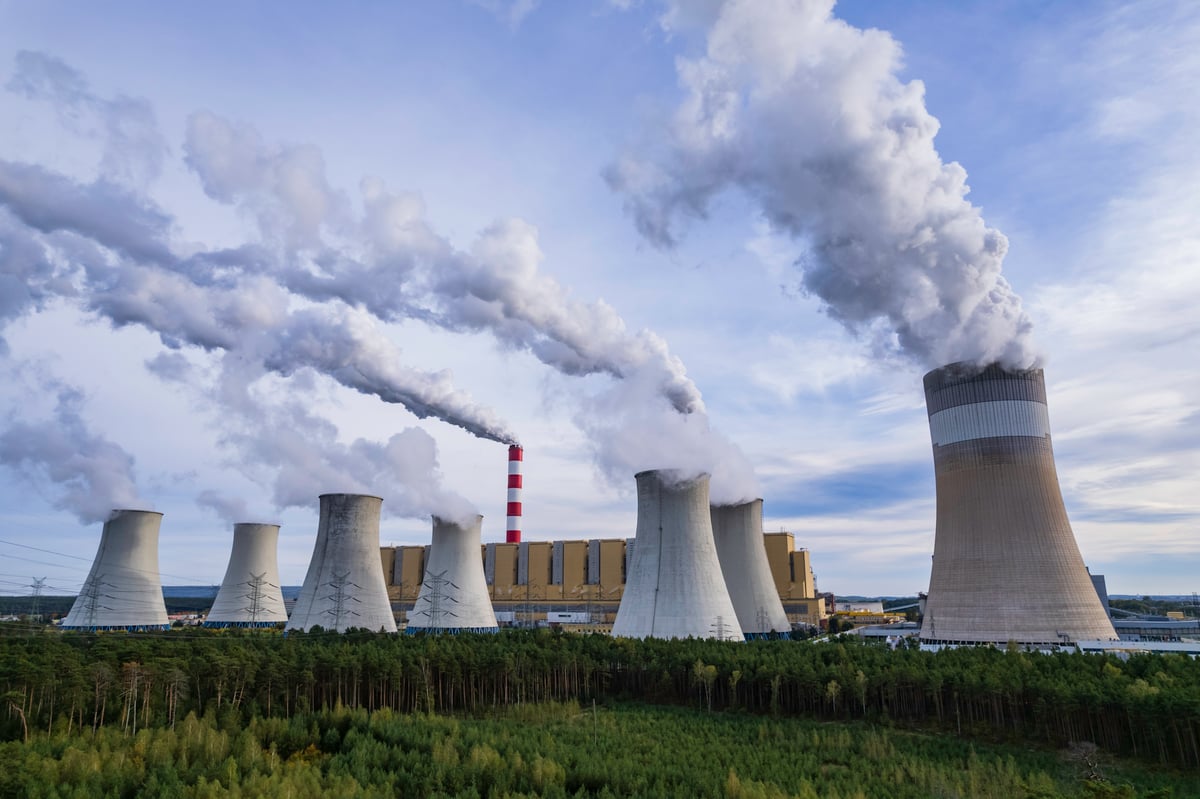
Constellation Energy's Share Price Decline Analysis

- Reasons for Price Decline: Constellation Energy's shares have fallen over 20% since the start of 2026, primarily due to underwhelming guidance for adjusted earnings per share (EPS) expected between $11 and $12, slightly below analysts' forecast of $11.60, compounded by delays in the restart of the Three Mile Island facility.
- Future Growth Outlook: Despite short-term setbacks, the company anticipates a compound annual growth rate (CAGR) for EPS exceeding 20% through 2029, highlighting its competitive advantage in the nuclear sector, where building plants is both regulatory and cost-intensive.
- Stable Revenue Sources: With 5,650 megawatts of long-term clean energy agreements, Constellation is well-positioned to meet the increasing power demands from data centers, crypto mining, and AI, particularly bolstered by a 20-year power purchase agreement with Microsoft that enhances its market position.
- Dividend Growth Potential: The company has increased its dividend by 202% over the past decade, including a 10% rise this year, and while the current yield is only 0.57%, its low payout ratio of 21% allows for a planned annual increase of 10% or more, indicating strong dividend growth potential.
See More
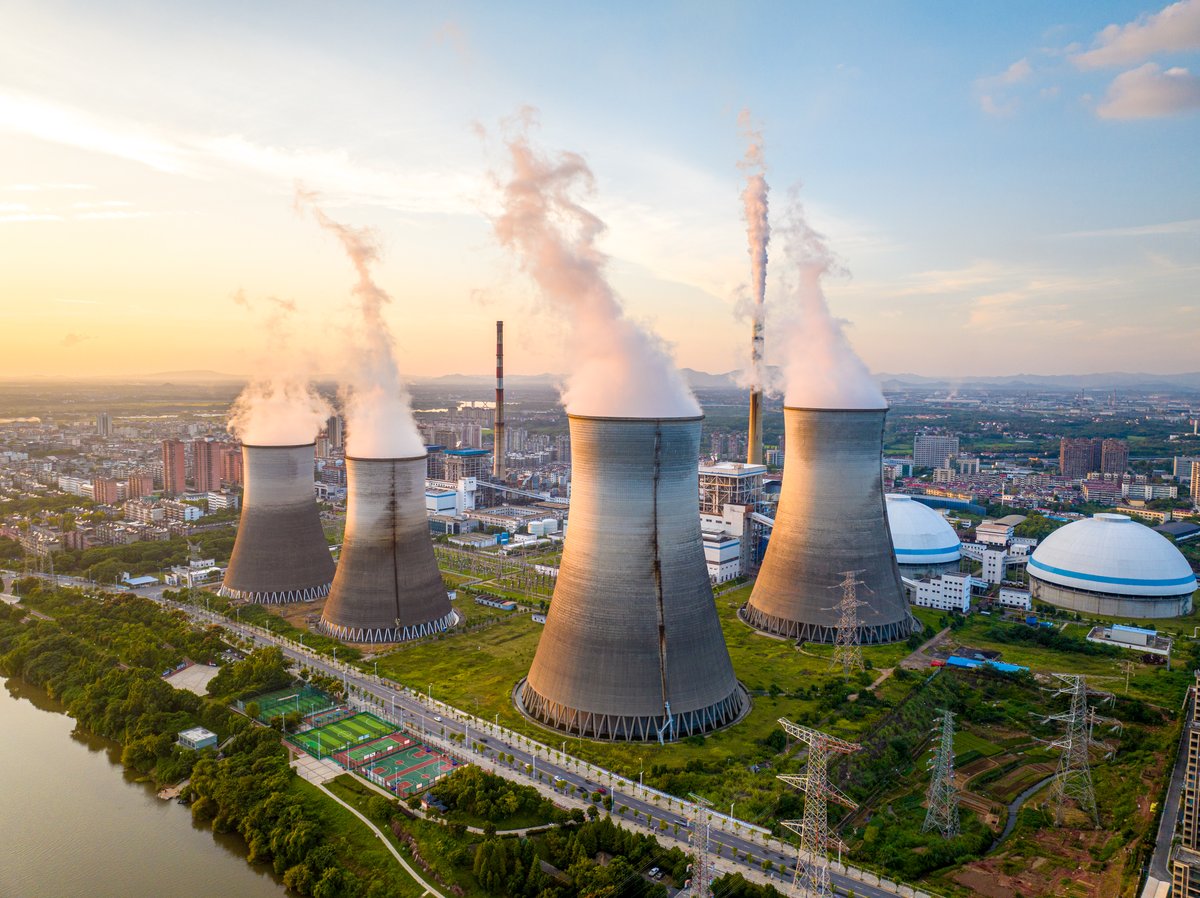
Surge in Nuclear Energy Investment Opportunities


- Nuclear Expansion Outlook: Fifteen new reactors are expected to come online this year, with an additional 50 projected by 2030, and over 75 nuclear reactors currently under construction globally, highlighting the increasing significance of nuclear energy in the global energy mix.
- Demand-Driven Growth: The rising demand for clean energy and the energy needs of AI data centers are driving nuclear expansion, with the IAEA raising its nuclear power expansion projections for the fourth consecutive year, estimating that global nuclear capacity will double by 2050, underscoring the strategic importance of the nuclear sector.
- Emerging Investment Opportunities: Constellation Energy, the largest nuclear power provider in the U.S., generates 86% of its power from nuclear and has signed a 20-year power supply agreement with Microsoft, indicating potential for more similar deals that bolster shareholder confidence.
- Potential of Small Modular Reactors: GE Vernova's GE Hitachi unit is providing small modular reactors expected to revolutionize the nuclear industry, with stock climbing 51% in 2026, demonstrating the transformative potential of these reactors in accelerating power plant start-up.
See More

Constellation Energy Faces Share Price Decline Amid Mixed Outlook
- Share Price Decline: Constellation Energy's stock has fallen over 20% since the beginning of the year, primarily due to underwhelming guidance for 2026, with adjusted earnings per share (EPS) expected between $11 and $12, which, while a 55% increase from 2025, narrowly misses analysts' $11.60 forecast.
- Acquisition Benefits: The acquisition of Calpine is beginning to pay off, as evidenced by a 380-megawatt agreement with CyrusOne to power a new data center, enhancing Constellation's competitive position in the growing data center market.
- Renewable Energy Agreements: With 5,650 megawatts of long-term clean energy agreements, Constellation has a predictable revenue stream, particularly from a 20-year power purchase agreement with Microsoft, which will provide long-term revenue stability once the Crane Clean Energy Center restarts.
- Dividend Growth Plan: The company plans to increase its dividend by 10% annually, and despite a current yield of only 0.57%, the low payout ratio of 21% indicates that future dividend growth is sustainable, reflecting strong financial health.
See More
U.S. Lags Behind China in AI Infrastructure Energy Development
- Energy Infrastructure Lag: Constellation Energy CEO Joseph Dominguez stated that since 2010, China has built an electric capacity that exceeds the entire U.S. system by 50%, highlighting significant challenges for the U.S. in meeting energy demands for AI data centers.
- Potential for Grid Efficiency: Dominguez noted that while the U.S. is less industrialized, leading to non-continuous power demand, effectively managing peak energy demands could allow the U.S. to utilize its grid more efficiently, alleviating supply pressures.
- Consumer Benefits Outlook: If the U.S. successfully implements grid management strategies, Dominguez believes consumers could see lower energy prices, which would not only reduce household expenses but also potentially stimulate economic recovery and growth.
- Need for National Policy: Emphasizing the importance of addressing local opposition to data center construction, Dominguez argued that the U.S. must establish a national policy rather than relying on state approvals to ensure competitiveness in the AI race and safeguard national security and lifestyle.
See More
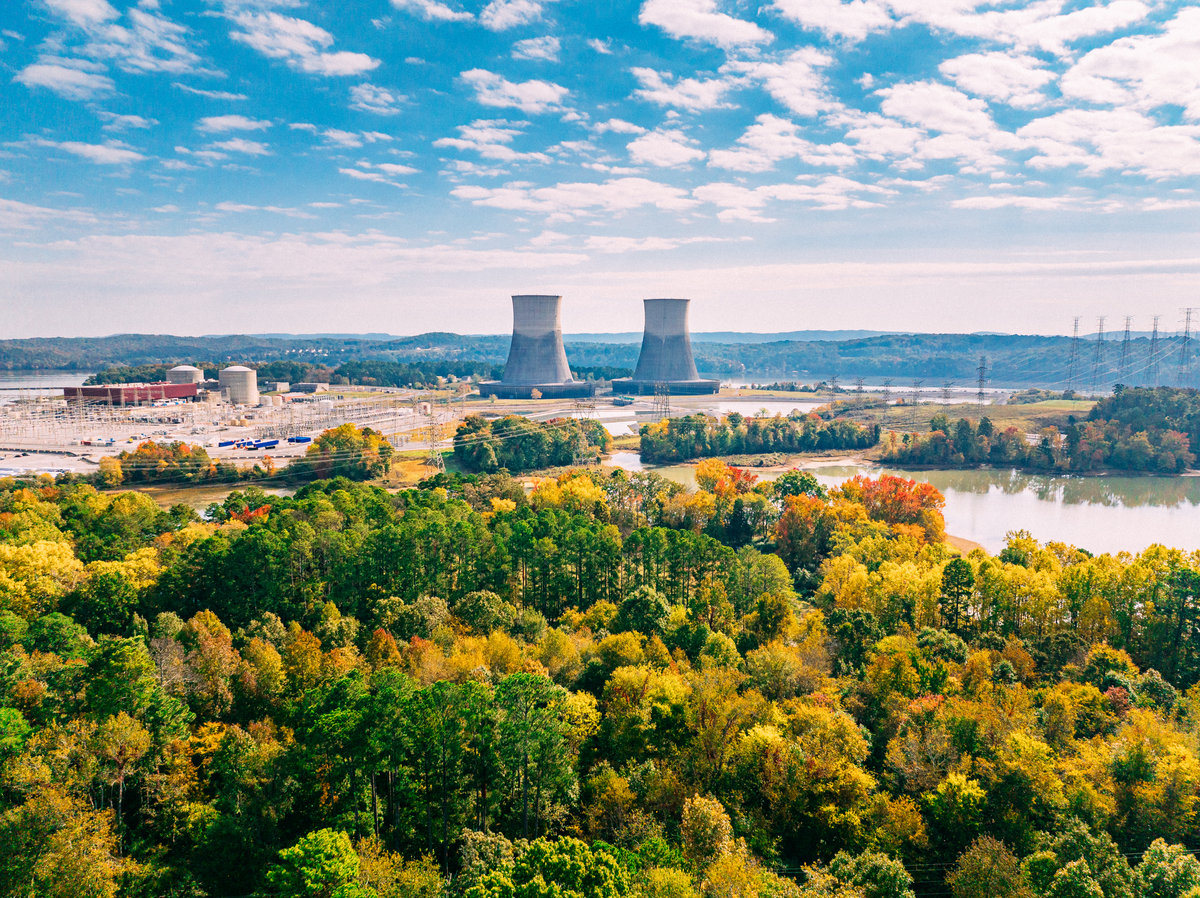
The Future of Green Energy Transition

- Nuclear Production Leader: The U.S. operates 94 nuclear reactors, with Constellation Energy running 21, making it the largest nuclear producer in the country; it anticipates a 20% compound annual growth rate in earnings per share by 2029, solidifying its leadership in the green energy market.
- Diverse Energy Portfolio: Constellation is not only the largest green energy producer but also operates 27 wind farms and two hydroelectric plants, showcasing its diversified approach in renewable energy, which is expected to drive future business growth through ongoing investments and innovations.
- Long-Term Investment Potential: NextEra Energy operates four nuclear plants across the U.S. and Canada, with net income and earnings per share rising by 10.3% and 9.5% in 2025, respectively, demonstrating strong performance in the green energy transition, while its 2.49% dividend yield, raised for 31 consecutive years, offers stable returns for long-term investors.
- Strategic Partnership Opportunity: NextEra's agreement with Alphabet to resurrect Iowa's Duane Arnold Energy Center for powering Google's data centers is expected to provide a long-term stable revenue stream, further enhancing its competitive position in the green energy market.
See More

Fragility of Global Energy Markets and Green Transition
- Nuclear Production Capacity: The U.S. operates 94 nuclear reactors, with Constellation Energy running 21 of them, making it the largest nuclear energy producer in the country, and it anticipates a 20% compound annual growth rate in earnings per share through 2029, further solidifying its leadership in the green energy transition.
- Green Energy Investments: Beyond its nuclear operations, Constellation Energy also manages 27 wind farms and various hydroelectric and solar facilities, showcasing its robust strength in diversified green energy investments, which enhances its competitive edge in the future energy market.
- NextEra Energy Growth: NextEra Energy achieved a 10.3% increase in net income and a 9.5% rise in earnings per share in 2025, with a dividend yield of 2.49%, indicating the company's ongoing growth potential in the green energy sector, especially with its partnership with Alphabet to revive Iowa's Duane Arnold Energy Center.
- Dividend Growth Record: NextEra Energy has raised its dividend for 31 consecutive years, with an annualized growth rate of 10% over the past five years, reflecting its stable financial health and providing appeal for long-term investors, particularly in the context of the green energy transition.
See More
Constellation Energy's Share Price Decline Analysis
- Reasons for Price Decline: Constellation Energy's shares have fallen over 20% since the start of 2026, primarily due to underwhelming guidance for adjusted earnings per share (EPS) expected between $11 and $12, slightly below analysts' forecast of $11.60, compounded by delays in the restart of the Three Mile Island facility.
- Future Growth Outlook: Despite short-term setbacks, the company anticipates a compound annual growth rate (CAGR) for EPS exceeding 20% through 2029, highlighting its competitive advantage in the nuclear sector, where building plants is both regulatory and cost-intensive.
- Stable Revenue Sources: With 5,650 megawatts of long-term clean energy agreements, Constellation is well-positioned to meet the increasing power demands from data centers, crypto mining, and AI, particularly bolstered by a 20-year power purchase agreement with Microsoft that enhances its market position.
- Dividend Growth Potential: The company has increased its dividend by 202% over the past decade, including a 10% rise this year, and while the current yield is only 0.57%, its low payout ratio of 21% allows for a planned annual increase of 10% or more, indicating strong dividend growth potential.
See More
Surge in Nuclear Energy Investment Opportunities
- Nuclear Expansion Outlook: Fifteen new reactors are expected to come online this year, with an additional 50 projected by 2030, and over 75 nuclear reactors currently under construction globally, highlighting the increasing significance of nuclear energy in the global energy mix.
- Demand-Driven Growth: The rising demand for clean energy and the energy needs of AI data centers are driving nuclear expansion, with the IAEA raising its nuclear power expansion projections for the fourth consecutive year, estimating that global nuclear capacity will double by 2050, underscoring the strategic importance of the nuclear sector.
- Emerging Investment Opportunities: Constellation Energy, the largest nuclear power provider in the U.S., generates 86% of its power from nuclear and has signed a 20-year power supply agreement with Microsoft, indicating potential for more similar deals that bolster shareholder confidence.
- Potential of Small Modular Reactors: GE Vernova's GE Hitachi unit is providing small modular reactors expected to revolutionize the nuclear industry, with stock climbing 51% in 2026, demonstrating the transformative potential of these reactors in accelerating power plant start-up.
See More
Constellation Energy Faces Share Price Decline Amid Mixed Outlook
- Share Price Decline: Constellation Energy's stock has fallen over 20% since the beginning of the year, primarily due to underwhelming guidance for 2026, with adjusted earnings per share (EPS) expected between $11 and $12, which, while a 55% increase from 2025, narrowly misses analysts' $11.60 forecast.
- Acquisition Benefits: The acquisition of Calpine is beginning to pay off, as evidenced by a 380-megawatt agreement with CyrusOne to power a new data center, enhancing Constellation's competitive position in the growing data center market.
- Renewable Energy Agreements: With 5,650 megawatts of long-term clean energy agreements, Constellation has a predictable revenue stream, particularly from a 20-year power purchase agreement with Microsoft, which will provide long-term revenue stability once the Crane Clean Energy Center restarts.
- Dividend Growth Plan: The company plans to increase its dividend by 10% annually, and despite a current yield of only 0.57%, the low payout ratio of 21% indicates that future dividend growth is sustainable, reflecting strong financial health.
See More
U.S. Lags Behind China in AI Infrastructure Energy Development
- Energy Infrastructure Lag: Constellation Energy CEO Joseph Dominguez stated that since 2010, China has built an electric capacity that exceeds the entire U.S. system by 50%, highlighting significant challenges for the U.S. in meeting energy demands for AI data centers.
- Potential for Grid Efficiency: Dominguez noted that while the U.S. is less industrialized, leading to non-continuous power demand, effectively managing peak energy demands could allow the U.S. to utilize its grid more efficiently, alleviating supply pressures.
- Consumer Benefits Outlook: If the U.S. successfully implements grid management strategies, Dominguez believes consumers could see lower energy prices, which would not only reduce household expenses but also potentially stimulate economic recovery and growth.
- Need for National Policy: Emphasizing the importance of addressing local opposition to data center construction, Dominguez argued that the U.S. must establish a national policy rather than relying on state approvals to ensure competitiveness in the AI race and safeguard national security and lifestyle.
See More
The Future of Green Energy Transition
- Nuclear Production Leader: The U.S. operates 94 nuclear reactors, with Constellation Energy running 21, making it the largest nuclear producer in the country; it anticipates a 20% compound annual growth rate in earnings per share by 2029, solidifying its leadership in the green energy market.
- Diverse Energy Portfolio: Constellation is not only the largest green energy producer but also operates 27 wind farms and two hydroelectric plants, showcasing its diversified approach in renewable energy, which is expected to drive future business growth through ongoing investments and innovations.
- Long-Term Investment Potential: NextEra Energy operates four nuclear plants across the U.S. and Canada, with net income and earnings per share rising by 10.3% and 9.5% in 2025, respectively, demonstrating strong performance in the green energy transition, while its 2.49% dividend yield, raised for 31 consecutive years, offers stable returns for long-term investors.
- Strategic Partnership Opportunity: NextEra's agreement with Alphabet to resurrect Iowa's Duane Arnold Energy Center for powering Google's data centers is expected to provide a long-term stable revenue stream, further enhancing its competitive position in the green energy market.
See More
Fragility of Global Energy Markets and Green Transition
- Nuclear Production Capacity: The U.S. operates 94 nuclear reactors, with Constellation Energy running 21 of them, making it the largest nuclear energy producer in the country, and it anticipates a 20% compound annual growth rate in earnings per share through 2029, further solidifying its leadership in the green energy transition.
- Green Energy Investments: Beyond its nuclear operations, Constellation Energy also manages 27 wind farms and various hydroelectric and solar facilities, showcasing its robust strength in diversified green energy investments, which enhances its competitive edge in the future energy market.
- NextEra Energy Growth: NextEra Energy achieved a 10.3% increase in net income and a 9.5% rise in earnings per share in 2025, with a dividend yield of 2.49%, indicating the company's ongoing growth potential in the green energy sector, especially with its partnership with Alphabet to revive Iowa's Duane Arnold Energy Center.
- Dividend Growth Record: NextEra Energy has raised its dividend for 31 consecutive years, with an annualized growth rate of 10% over the past five years, reflecting its stable financial health and providing appeal for long-term investors, particularly in the context of the green energy transition.
See More