Deutsche Bank Reports Record Quarterly Profit of €2.2B
Post-tax profit rose 8% year on year to a quarterly record of EUR 2.2B. Diluted earnings per share rose 7% year on year to EUR 1.06. Reports 12.7% post-tax return on tangible equity, up from 11.9% in Q1 2025; 58.9% cost/income ratio, down from 61.2% in the prior year quarter; Post-tax RoTE near or above 13% in all four businesses. Reports net revenues of EUR 8.7B, driven by focused growth areas; Assets under management rise to EUR 1.8T including net inflows of EUR 22B. Common Equity Tier 1 capital ratio of 13.8%, within target operating range of 13.5-14.0%. "This quarter's record profit gives us a great start on the next phase of our strategy. We delivered business growth in focus areas and funded investments through operating efficiencies. We also maintained our strong capital base while simultaneously committing to raise rewards for shareholders. We have the balance sheet strength, the capabilities and the strategic positioning to serve our clients globally in a dynamic environment. The three strategic levers of focused growth, scalable operating model and disciplined capital management support our ability to deliver long-term value for shareholders and our ambition to be the European Champion," said CEO Christian Sewing.
Trade with 70% Backtested Accuracy
Analyst Views on DB

About DB
About the author


Should Investors Follow the 'Sell in May' Strategy?

- Testing Traditional Strategies: As May begins, investors are challenged by the traditional 'sell in May' strategy, despite historical data showing that the S&P 500 has averaged a 1.5% return in May and a 1.9% increase in June over the past decade.
- Strong European Market Performance: In April, Europe's STOXX 600 and Germany's DAX posted their best monthly performances since January of last year, with Italy's FTSE MIB achieving a nearly 9% rally, indicating market resilience and potential investment opportunities.
- Upcoming Earnings Reports: In the coming weeks, major European banks like Unicredit and HSBC will release earnings, and investors should closely monitor these reports to gauge market trends, as changes in corporate profitability could significantly impact stock performance in the current economic climate.
- Risk Factors Warning: Despite the strong performance of global stocks, the cautious stance of the Federal Reserve and ECB, along with ongoing inflation pressures, may pose threats to the market, prompting investors to make informed choices between traditional and unconventional strategies.

Deutsche Bank Reaffirms AMD Hold Rating Ahead of Q1 Results


- Strong Performance Expectations: Deutsche Bank anticipates that AMD will report robust results for Q1 2026 and provide solid guidance for Q2, reflecting market focus on its EPYC server CPU performance amid recent momentum in the data center compute sector.
- EPYC Business Growth: The firm forecasts a 10% quarter-over-quarter growth for AMD's EPYC segment in both Q1 and Q2, although supply constraints may limit growth in its CPU business, indicating challenges in maintaining competitiveness in a high-demand market.
- Stable Instinct GPU Performance: Deutsche Bank expects AMD's Instinct data center GPU segment to maintain steady performance in the first half of 2026, with quarterly revenues around $2.6 billion, and anticipates growth accelerating to 30% in Q3 and 75% in Q4, reflecting strong market demand.
- Margin Outlook: AMD is expected to maintain gross margins above 55% through the first three quarters, but a mix-driven decline to 54.5% in Q4 may impact overall profitability, highlighting the importance of product mix management.
German Stock Market Hit Hard by New COVID Variant Concerns

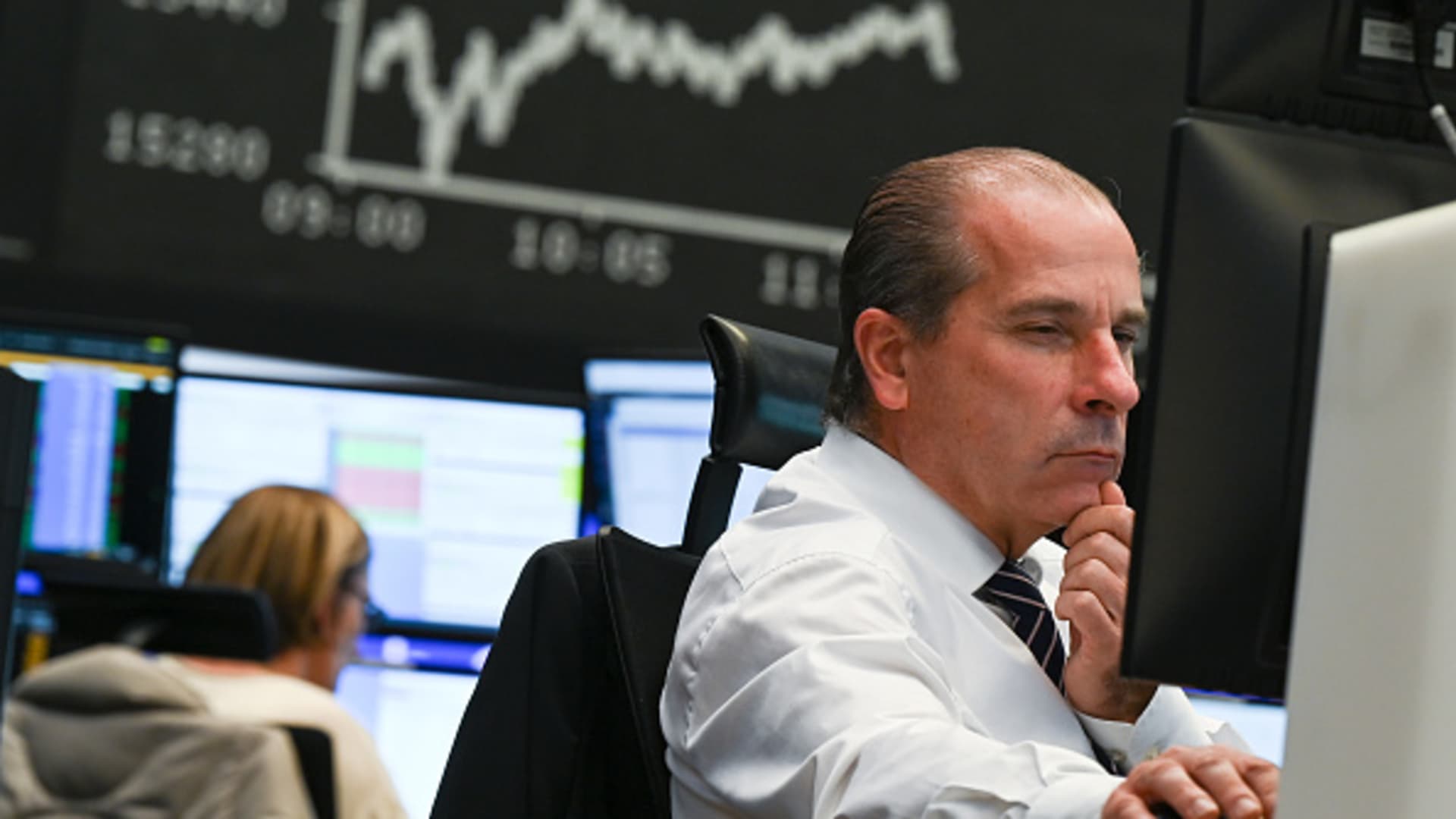
- Market Reaction: The German stock market has faced a significant blow due to concerns over a new COVID variant emerging in South Africa, leading to a sharp decline in major indices and reflecting investor anxiety about a potential resurgence of the pandemic.
- Holiday Impact: With most global stock markets closed for Labor Day, trading volumes have plummeted, particularly in Asia where markets in Hong Kong and the mainland remained shut, exacerbating market uncertainty.
- Economic Outlook: Despite the European Central Bank and Bank of England holding rates steady, expectations for future rate hikes have risen, with traders pricing in a 75% chance of an ECB hike in June, which could impact investor confidence moving forward.
- Industry Dynamics: In the U.S., Apple has issued a better-than-expected revenue forecast, showcasing strong sales and earnings, which may positively influence global markets, particularly in the tech sector.

ECB Holds Interest Rates Steady Amid Inflation Surge
- Rate Decision: The European Central Bank opted to keep its benchmark deposit rate at 2% during the April meeting despite surging inflation due to the Iran war, reflecting the bank's cautious approach in navigating a complex economic landscape.
- Inflation Dynamics: Eurozone inflation rose to 3% in April, primarily driven by increasing energy costs, with the ECB committing to closely monitor the situation and adopt a data-driven policy to ensure inflation stabilizes at the 2% target in the medium term.
- Market Reaction: Following the rate decision, the euro appreciated nearly 0.2% against the dollar to $1.17, while the yield on the 10-year German bund fell by 3 basis points to 3.0580%, indicating a cautiously optimistic market response to the ECB's policy stance.
- Future Outlook: Economists widely view the June meeting as pivotal, with a potential 25-basis-point hike to 2.25%, although some argue that the ECB must tread carefully amid economic slowdown and waning consumer confidence to avoid exacerbating economic pressures.

European Banks Address Private Credit Risk Concerns Amid Earnings Season


- Barclays Credit Exposure: Barclays revealed a £15 billion ($20.3 billion) exposure to private credit in its Q1 earnings, part of a total structured financing exposure of £66 billion to non-bank financial intermediaries, highlighting its risk management capabilities in a complex credit environment.
- Santander Risk Coverage: Santander's CFO stated that potential losses related to Market Financial Solutions (MFS) have been 'fully covered' in Q1, with its overall exposure to private credit being less than 1%, demonstrating the robustness of its credit systems.
- Market Reaction and Concerns: The insolvency of MFS has triggered widespread concerns over the private credit market, particularly among U.S. business development companies (BDCs), with investors increasingly focused on liquidity issues, although UBS claims its private credit investments are 'well diversified' and show no major problems.
- Credit Risk Outlook: According to Bank of America's latest credit investor survey, investment-grade investors find the asset exposure of banks and insurers 'still a bit opaque', while high-yield investors are more concerned about energy prices and inflation, indicating varied market responses to different risks.
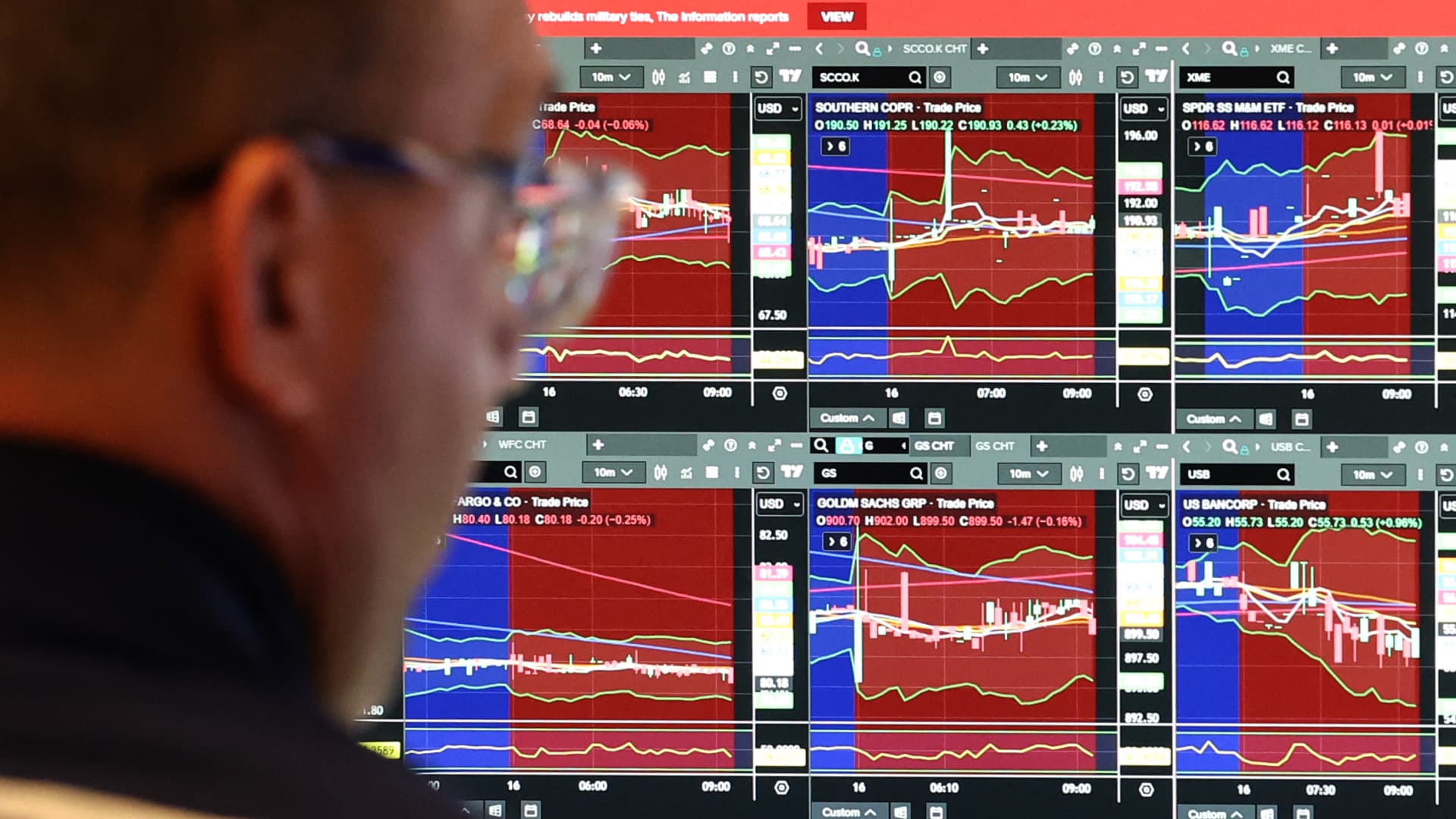
Market Volatility Amidst Surging Oil Prices
- Surging Oil Prices: Brent crude has reached wartime highs, raising investor concerns about the potential resumption of armed conflict, which could negatively impact global economic recovery and market stability.
- Market Decline: Asian markets are down across the board, with futures indicating similar losses in the U.S. and Europe, despite the S&P 500 being on track for its best month since 2020, highlighting market fragility amidst volatility.
- Central Bank Policies: The Bank of England and European Central Bank are set to announce interest rate decisions today, with economists predicting both will hold rates steady at 3.75% and 2% respectively, in response to inflationary pressures and uncertainty.
- Corporate Earnings: Major banks including Standard Chartered, BNP Paribas, and Societe Generale have all exceeded profit expectations, demonstrating resilience in the financial sector that may provide support for the broader market.
Should Investors Follow the 'Sell in May' Strategy?
- Testing Traditional Strategies: As May begins, investors are challenged by the traditional 'sell in May' strategy, despite historical data showing that the S&P 500 has averaged a 1.5% return in May and a 1.9% increase in June over the past decade.
- Strong European Market Performance: In April, Europe's STOXX 600 and Germany's DAX posted their best monthly performances since January of last year, with Italy's FTSE MIB achieving a nearly 9% rally, indicating market resilience and potential investment opportunities.
- Upcoming Earnings Reports: In the coming weeks, major European banks like Unicredit and HSBC will release earnings, and investors should closely monitor these reports to gauge market trends, as changes in corporate profitability could significantly impact stock performance in the current economic climate.
- Risk Factors Warning: Despite the strong performance of global stocks, the cautious stance of the Federal Reserve and ECB, along with ongoing inflation pressures, may pose threats to the market, prompting investors to make informed choices between traditional and unconventional strategies.
Deutsche Bank Reaffirms AMD Hold Rating Ahead of Q1 Results
- Strong Performance Expectations: Deutsche Bank anticipates that AMD will report robust results for Q1 2026 and provide solid guidance for Q2, reflecting market focus on its EPYC server CPU performance amid recent momentum in the data center compute sector.
- EPYC Business Growth: The firm forecasts a 10% quarter-over-quarter growth for AMD's EPYC segment in both Q1 and Q2, although supply constraints may limit growth in its CPU business, indicating challenges in maintaining competitiveness in a high-demand market.
- Stable Instinct GPU Performance: Deutsche Bank expects AMD's Instinct data center GPU segment to maintain steady performance in the first half of 2026, with quarterly revenues around $2.6 billion, and anticipates growth accelerating to 30% in Q3 and 75% in Q4, reflecting strong market demand.
- Margin Outlook: AMD is expected to maintain gross margins above 55% through the first three quarters, but a mix-driven decline to 54.5% in Q4 may impact overall profitability, highlighting the importance of product mix management.
German Stock Market Hit Hard by New COVID Variant Concerns
- Market Reaction: The German stock market has faced a significant blow due to concerns over a new COVID variant emerging in South Africa, leading to a sharp decline in major indices and reflecting investor anxiety about a potential resurgence of the pandemic.
- Holiday Impact: With most global stock markets closed for Labor Day, trading volumes have plummeted, particularly in Asia where markets in Hong Kong and the mainland remained shut, exacerbating market uncertainty.
- Economic Outlook: Despite the European Central Bank and Bank of England holding rates steady, expectations for future rate hikes have risen, with traders pricing in a 75% chance of an ECB hike in June, which could impact investor confidence moving forward.
- Industry Dynamics: In the U.S., Apple has issued a better-than-expected revenue forecast, showcasing strong sales and earnings, which may positively influence global markets, particularly in the tech sector.
ECB Holds Interest Rates Steady Amid Inflation Surge
- Rate Decision: The European Central Bank opted to keep its benchmark deposit rate at 2% during the April meeting despite surging inflation due to the Iran war, reflecting the bank's cautious approach in navigating a complex economic landscape.
- Inflation Dynamics: Eurozone inflation rose to 3% in April, primarily driven by increasing energy costs, with the ECB committing to closely monitor the situation and adopt a data-driven policy to ensure inflation stabilizes at the 2% target in the medium term.
- Market Reaction: Following the rate decision, the euro appreciated nearly 0.2% against the dollar to $1.17, while the yield on the 10-year German bund fell by 3 basis points to 3.0580%, indicating a cautiously optimistic market response to the ECB's policy stance.
- Future Outlook: Economists widely view the June meeting as pivotal, with a potential 25-basis-point hike to 2.25%, although some argue that the ECB must tread carefully amid economic slowdown and waning consumer confidence to avoid exacerbating economic pressures.
European Banks Address Private Credit Risk Concerns Amid Earnings Season
- Barclays Credit Exposure: Barclays revealed a £15 billion ($20.3 billion) exposure to private credit in its Q1 earnings, part of a total structured financing exposure of £66 billion to non-bank financial intermediaries, highlighting its risk management capabilities in a complex credit environment.
- Santander Risk Coverage: Santander's CFO stated that potential losses related to Market Financial Solutions (MFS) have been 'fully covered' in Q1, with its overall exposure to private credit being less than 1%, demonstrating the robustness of its credit systems.
- Market Reaction and Concerns: The insolvency of MFS has triggered widespread concerns over the private credit market, particularly among U.S. business development companies (BDCs), with investors increasingly focused on liquidity issues, although UBS claims its private credit investments are 'well diversified' and show no major problems.
- Credit Risk Outlook: According to Bank of America's latest credit investor survey, investment-grade investors find the asset exposure of banks and insurers 'still a bit opaque', while high-yield investors are more concerned about energy prices and inflation, indicating varied market responses to different risks.
Market Volatility Amidst Surging Oil Prices
- Surging Oil Prices: Brent crude has reached wartime highs, raising investor concerns about the potential resumption of armed conflict, which could negatively impact global economic recovery and market stability.
- Market Decline: Asian markets are down across the board, with futures indicating similar losses in the U.S. and Europe, despite the S&P 500 being on track for its best month since 2020, highlighting market fragility amidst volatility.
- Central Bank Policies: The Bank of England and European Central Bank are set to announce interest rate decisions today, with economists predicting both will hold rates steady at 3.75% and 2% respectively, in response to inflationary pressures and uncertainty.
- Corporate Earnings: Major banks including Standard Chartered, BNP Paribas, and Societe Generale have all exceeded profit expectations, demonstrating resilience in the financial sector that may provide support for the broader market.