Delta Air Lines Raises Baggage Fees Amid Rising Fuel Costs
Written by Emily J. Thompson, Senior Investment Analyst
Updated: 1 day ago
0mins
Should l Buy DAL?
Source: seekingalpha
- Baggage Fee Increase: Delta Air Lines has raised the fees for the first and second checked bags on domestic and select short-haul international routes from $35 to $45, while the fee for the third checked bag has surged from $150 to $200, indicating the airline's strategic response to rising fuel costs.
- Industry Trend: This marks Delta's first baggage fee increase in two years, following similar moves by United Airlines and JetBlue, reflecting the broader pressure on the airline industry to manage soaring fuel expenses, which are typically easier to pass on to consumers than fare hikes.
- Competitor Response: JetBlue was the first to increase baggage fees, with United Airlines subsequently implementing a $10 increase for the first and second checked bags starting April 3, highlighting a growing trend of price adjustments across the industry.
- Market Impact: As airlines raise ancillary fees to offset fuel costs, consumers are likely to face higher travel expenses, which could impact demand for air travel and alter overall market dynamics.
Trade with 70% Backtested Accuracy
Stop guessing "Should I Buy DAL?" and start using high-conviction signals backed by rigorous historical data.
Sign up today to access powerful investing tools and make smarter, data-driven decisions.
Analyst Views on DAL
Wall Street analysts forecast DAL stock price to rise
18 Analyst Rating
18 Buy
0 Hold
0 Sell
Strong Buy
Current: 65.620

Low
77.00
Averages
83.50
High
90.00
Current: 65.620
Low
77.00
Averages
83.50
High
90.00
About DAL
Delta Air Lines, Inc. provides scheduled air transportation for passengers and cargo throughout the United States and around the world. The Company has hubs and markets in Amsterdam, Atlanta, Bogota, Boston, Detroit, Lima, London-Heathrow, Los Angeles, Mexico City, Minneapolis-St. Paul, New York-JFK and LaGuardia, Paris-Charles de Gaulle, Salt Lake City, Santiago (Chile), Sao Paulo, Seattle, Seoul-Incheon, and Tokyo. Its segments include Airline and Refinery. Its airline segment is managed as a single business unit that provides scheduled air transportation for passengers and cargo throughout the United States and around the world and includes its loyalty program, as well as other ancillary businesses. Its refinery segment operates for the benefit of the airline segment by providing jet fuel to the airline segment from its own production and through jet fuel obtained through agreements with third parties. The refinery's production consists of jet fuel as well as non-jet fuel products.
About the author

Emily J. Thompson
Emily J. Thompson, a Chartered Financial Analyst (CFA) with 12 years in investment research, graduated with honors from the Wharton School. Specializing in industrial and technology stocks, she provides in-depth analysis for Intellectia’s earnings and market brief reports.
U.S. Airline Stocks Rise as Crude Oil Prices Fall and Delta Exceeds Q1 Profit Projections

U.S. Airlines Performance: U.S. airlines are experiencing a positive trend as crude oil prices decline, which is expected to enhance their profitability.
Delta Airlines Profit Estimates: Delta Airlines has reported better-than-expected profit estimates for the first quarter, indicating strong financial performance amidst fluctuating oil prices.
See More

Delta's Q1 Adjusted EPS Reaches $0.64, Exceeding IBES Estimate of $0.57
- Delta Q1 Adjusted EPS: Delta's adjusted earnings per share (EPS) for the first quarter is reported at USD 0.64.
- Ibes Estimate Comparison: This figure exceeds the Ibes estimate, which was USD 0.57.
See More
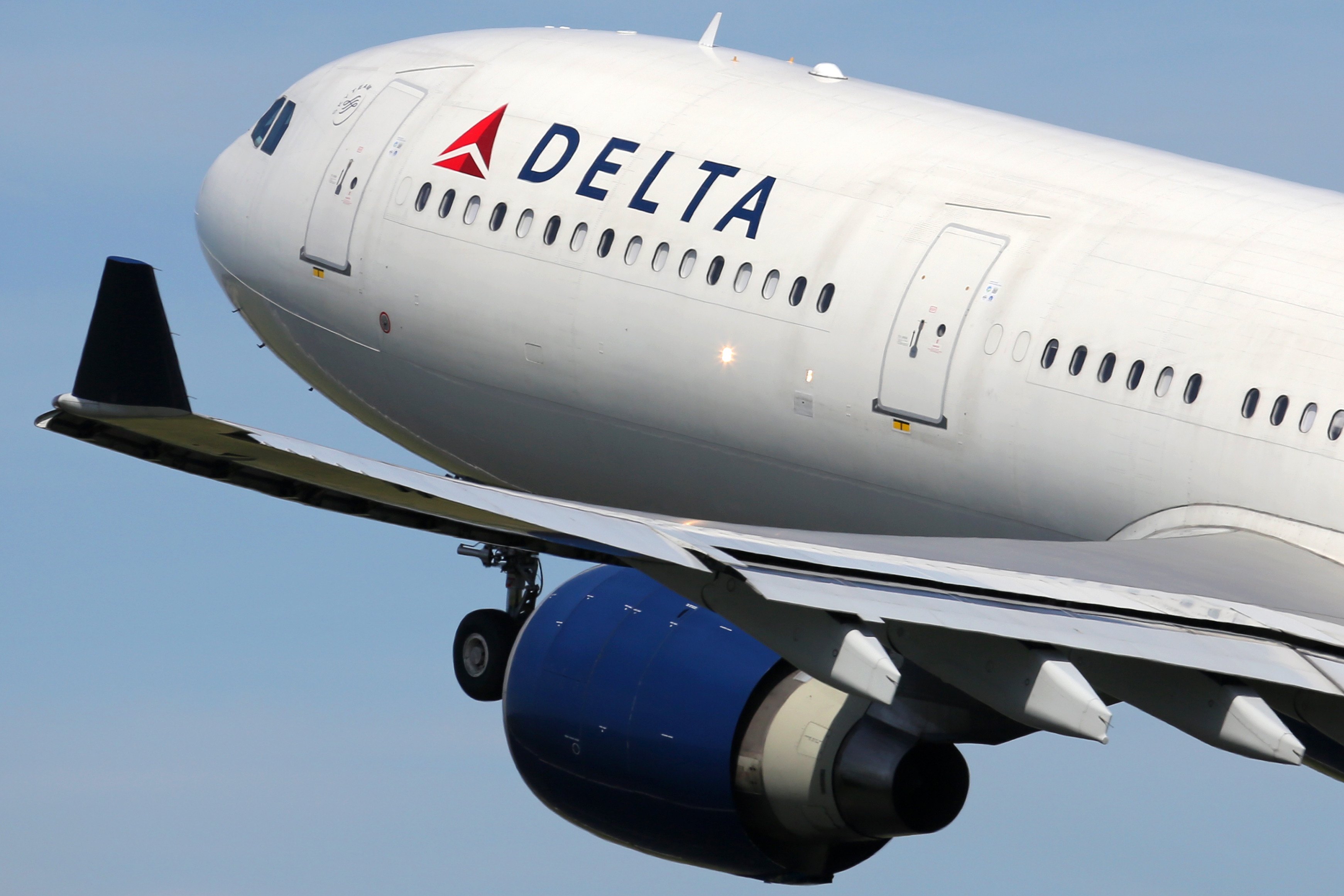
Delta Air Lines Raises Baggage Fees Amid Rising Fuel Costs
- Baggage Fee Increase: Delta Air Lines has raised the fees for the first and second checked bags on domestic and select short-haul international routes from $35 to $45, while the fee for the third checked bag has surged from $150 to $200, indicating the airline's strategic response to rising fuel costs.
- Industry Trend: This marks Delta's first baggage fee increase in two years, following similar moves by United Airlines and JetBlue, reflecting the broader pressure on the airline industry to manage soaring fuel expenses, which are typically easier to pass on to consumers than fare hikes.
- Competitor Response: JetBlue was the first to increase baggage fees, with United Airlines subsequently implementing a $10 increase for the first and second checked bags starting April 3, highlighting a growing trend of price adjustments across the industry.
- Market Impact: As airlines raise ancillary fees to offset fuel costs, consumers are likely to face higher travel expenses, which could impact demand for air travel and alter overall market dynamics.
See More
Major Moves in Premarket Trading by Various Companies


- Datadog Stock Rise: Datadog shares increased by 2.3% after Guggenheim upgraded its rating from neutral to buy, with analysts believing the company will benefit from AI-driven growth in data volumes and IT complexity.
- CoreWeave Infrastructure Expansion: CoreWeave's stock surged over 5% following the announcement of a $21 billion infrastructure deal with Meta Platforms, which aims to optimize performance and scalability for Meta's AI operations.
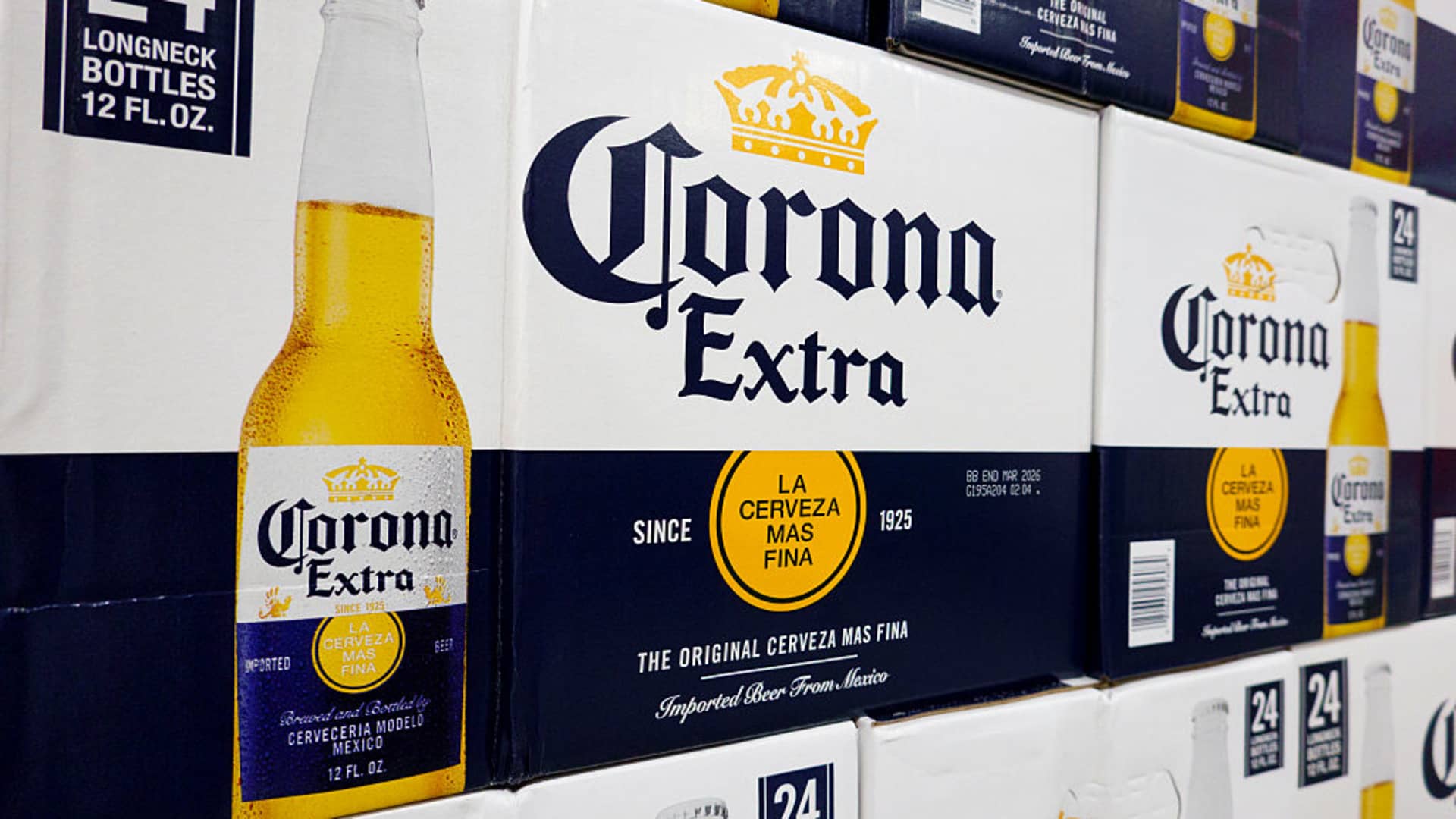
- Constellation Brands Guidance Withdrawal: Constellation Brands saw its shares dip less than 1% after withdrawing its 2028 guidance due to subdued demand, despite reporting fourth-quarter results that exceeded market expectations.
- Airlines Stock Fluctuation: Rising oil prices led to a decline in airline stocks, with Alaska Air dropping approximately 2%, while United Airlines, American Airlines, and Delta Air Lines each fell by 1%.
See More
Delta Airlines Reports Revenue Growth Amid Economic Challenges
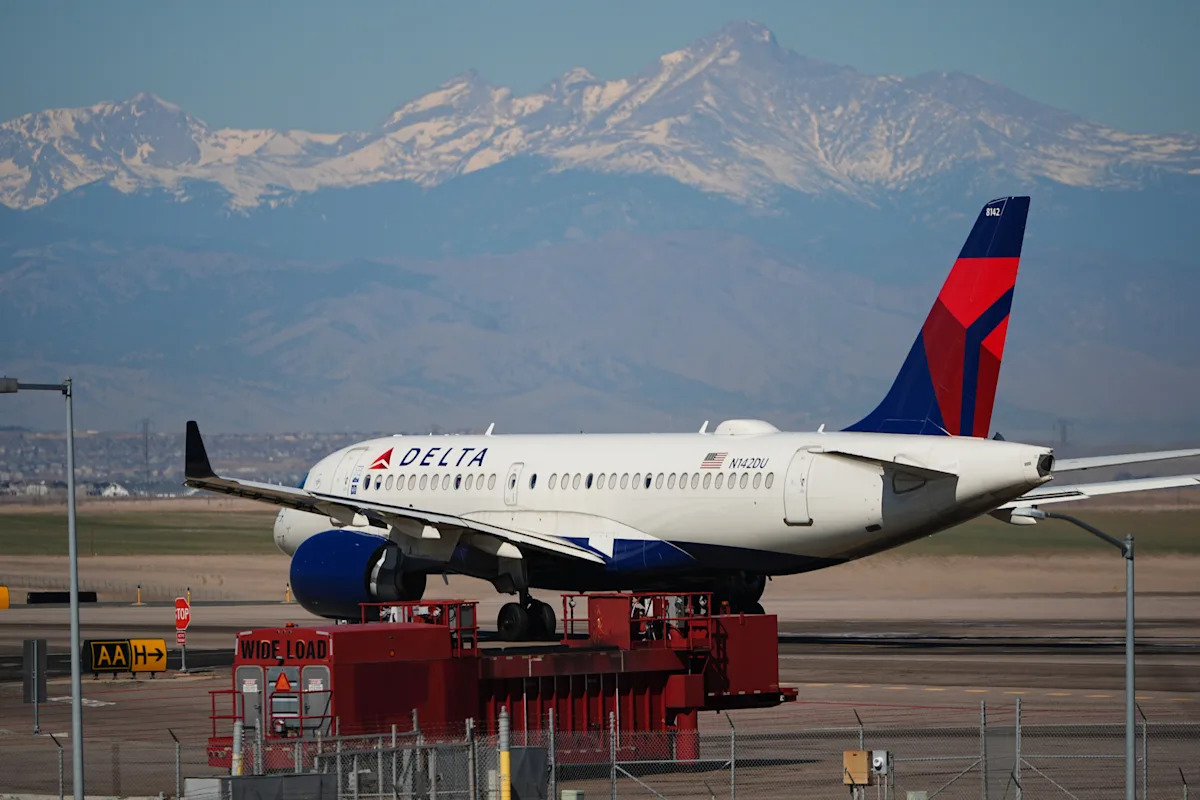
- Revenue Growth: Delta Airlines has achieved positive unit revenue growth in its main economy cabin for the first time in over a year, primarily driven by premium ticket sales and corporate travel, showcasing the company's successful adaptation to the K-shaped economy.
- Market Optimism: CEO Ed Bastian highlighted broad strength across customer segments despite rising fuel costs and inflation, indicating robust demand across various geographic regions and product lines, which bodes well for future profitability.
- Corporate Travel Recovery: A recent corporate survey cited by Delta revealed that 85% of respondents expect their corporate travel spending to increase or remain stable in the June quarter, signaling a strong rebound in business travel that will further bolster revenue.
- Fuel Cost Uncertainty: While facing fluctuating oil prices, Delta's vertical integration strategy since 2012 has provided it with its own jet fuel refinery, which is expected to help mitigate future cost pressures and enhance the company's competitive position in the airline industry.
See More

Trump Reaffirms Tough Stance on Iran Amid Fragile Ceasefire


- Military Deployment Continues: Trump stated that U.S. military forces will remain deployed in and around Iran until Tehran fully complies with what he calls the 'real agreement', indicating a sustained U.S. military presence in the Middle East that may escalate regional tensions.
- Escalating Threats to Iran: Trump warned that any breach of the agreement would trigger a military response larger than ever seen before, which could raise market concerns about potential disruptions in energy supplies, thereby affecting oil price volatility.
- Strained NATO Relations: Trump criticized NATO for not supporting the U.S. when needed, highlighting a deterioration in relations with traditional allies that could impact future international cooperation and security policies.
- Iran Accuses U.S. of Violating Agreement: Iran's parliamentary speaker accused the U.S. of violating the two-week ceasefire agreement, citing actions such as Israeli attacks on Lebanon, which could further deteriorate U.S.-Iran relations and affect global market stability.
See More
U.S. Airline Stocks Rise as Crude Oil Prices Fall and Delta Exceeds Q1 Profit Projections
U.S. Airlines Performance: U.S. airlines are experiencing a positive trend as crude oil prices decline, which is expected to enhance their profitability.
Delta Airlines Profit Estimates: Delta Airlines has reported better-than-expected profit estimates for the first quarter, indicating strong financial performance amidst fluctuating oil prices.
See More
Delta's Q1 Adjusted EPS Reaches $0.64, Exceeding IBES Estimate of $0.57
- Delta Q1 Adjusted EPS: Delta's adjusted earnings per share (EPS) for the first quarter is reported at USD 0.64.
- Ibes Estimate Comparison: This figure exceeds the Ibes estimate, which was USD 0.57.
See More
Delta Air Lines Raises Baggage Fees Amid Rising Fuel Costs
- Baggage Fee Increase: Delta Air Lines has raised the fees for the first and second checked bags on domestic and select short-haul international routes from $35 to $45, while the fee for the third checked bag has surged from $150 to $200, indicating the airline's strategic response to rising fuel costs.
- Industry Trend: This marks Delta's first baggage fee increase in two years, following similar moves by United Airlines and JetBlue, reflecting the broader pressure on the airline industry to manage soaring fuel expenses, which are typically easier to pass on to consumers than fare hikes.
- Competitor Response: JetBlue was the first to increase baggage fees, with United Airlines subsequently implementing a $10 increase for the first and second checked bags starting April 3, highlighting a growing trend of price adjustments across the industry.
- Market Impact: As airlines raise ancillary fees to offset fuel costs, consumers are likely to face higher travel expenses, which could impact demand for air travel and alter overall market dynamics.
See More
Major Moves in Premarket Trading by Various Companies
- Datadog Stock Rise: Datadog shares increased by 2.3% after Guggenheim upgraded its rating from neutral to buy, with analysts believing the company will benefit from AI-driven growth in data volumes and IT complexity.
- CoreWeave Infrastructure Expansion: CoreWeave's stock surged over 5% following the announcement of a $21 billion infrastructure deal with Meta Platforms, which aims to optimize performance and scalability for Meta's AI operations.
- Constellation Brands Guidance Withdrawal: Constellation Brands saw its shares dip less than 1% after withdrawing its 2028 guidance due to subdued demand, despite reporting fourth-quarter results that exceeded market expectations.
- Airlines Stock Fluctuation: Rising oil prices led to a decline in airline stocks, with Alaska Air dropping approximately 2%, while United Airlines, American Airlines, and Delta Air Lines each fell by 1%.
See More
Delta Airlines Reports Revenue Growth Amid Economic Challenges
- Revenue Growth: Delta Airlines has achieved positive unit revenue growth in its main economy cabin for the first time in over a year, primarily driven by premium ticket sales and corporate travel, showcasing the company's successful adaptation to the K-shaped economy.
- Market Optimism: CEO Ed Bastian highlighted broad strength across customer segments despite rising fuel costs and inflation, indicating robust demand across various geographic regions and product lines, which bodes well for future profitability.
- Corporate Travel Recovery: A recent corporate survey cited by Delta revealed that 85% of respondents expect their corporate travel spending to increase or remain stable in the June quarter, signaling a strong rebound in business travel that will further bolster revenue.
- Fuel Cost Uncertainty: While facing fluctuating oil prices, Delta's vertical integration strategy since 2012 has provided it with its own jet fuel refinery, which is expected to help mitigate future cost pressures and enhance the company's competitive position in the airline industry.
See More
Trump Reaffirms Tough Stance on Iran Amid Fragile Ceasefire
- Military Deployment Continues: Trump stated that U.S. military forces will remain deployed in and around Iran until Tehran fully complies with what he calls the 'real agreement', indicating a sustained U.S. military presence in the Middle East that may escalate regional tensions.
- Escalating Threats to Iran: Trump warned that any breach of the agreement would trigger a military response larger than ever seen before, which could raise market concerns about potential disruptions in energy supplies, thereby affecting oil price volatility.
- Strained NATO Relations: Trump criticized NATO for not supporting the U.S. when needed, highlighting a deterioration in relations with traditional allies that could impact future international cooperation and security policies.
- Iran Accuses U.S. of Violating Agreement: Iran's parliamentary speaker accused the U.S. of violating the two-week ceasefire agreement, citing actions such as Israeli attacks on Lebanon, which could further deteriorate U.S.-Iran relations and affect global market stability.
See More