Deere's (DE) Weaker 2026 Forecast May Transform Its Investment Story
Deere's Financial Performance: Deere & Company reported fourth-quarter revenue of $12.39 billion and net income of $1.07 billion, while providing a cautious fiscal 2026 guidance of net income between $4.00 billion and $4.75 billion due to challenges in the large agriculture sector.
Investment Considerations: Investors need to assess Deere's ability to navigate industry cycles and leverage precision agriculture technologies, as ongoing margin pressures and soft demand for large ag equipment pose short-term risks.
Long-term Outlook: Deere anticipates $45.1 billion in revenue and $8.6 billion in earnings by 2028, indicating a slight annual revenue decline but an increase in earnings, suggesting potential growth in small agriculture, turf, and construction segments.
Valuation Insights: Fair value estimates for Deere's stock range from $430 to $624.87 per share, with a current fair value of $525.78 indicating a 13% upside, highlighting the importance of understanding market dynamics and cost pressures in shaping investment decisions.
Trade with 70% Backtested Accuracy
Analyst Views on DE

About DE
About the author

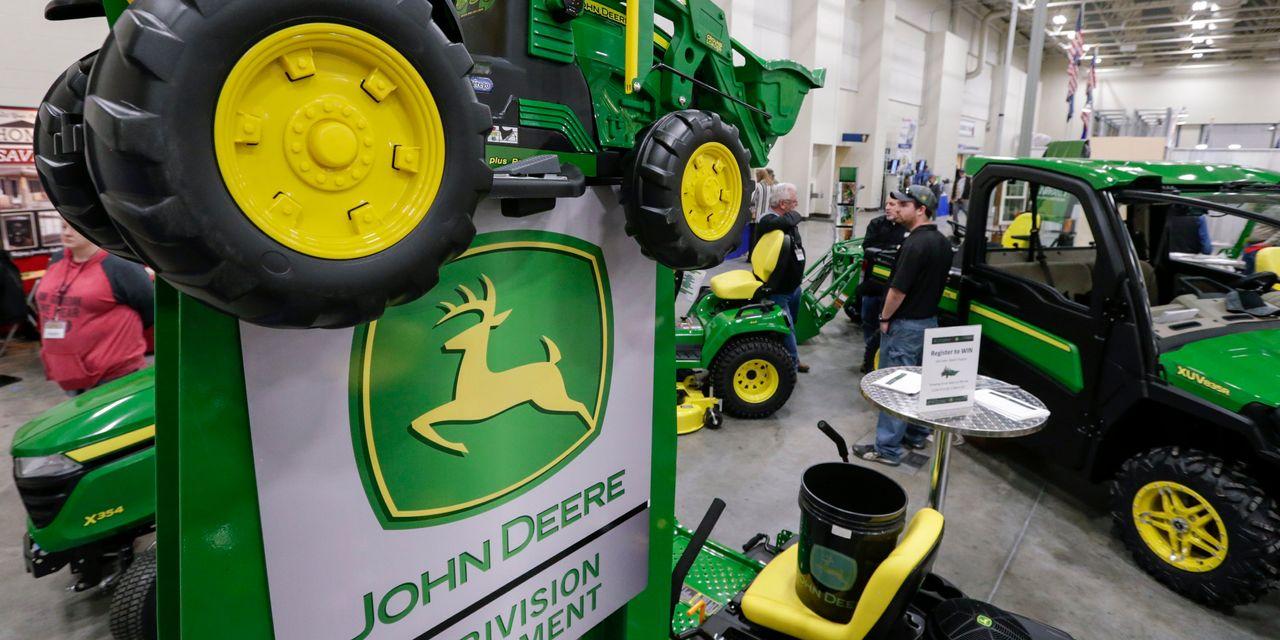
TRUMP CALLS FOR JOHN DEERE AND CATERPILLAR TO REDUCE FARMERS' TRACTOR AND EQUIPMENT EXPENSES

- Trump's Proposal: Trump is advocating for John Deere and Caterpillar to reduce costs for farmers by lowering the prices of tractors and equipment.
- Impact on Farmers: The proposal aims to alleviate financial burdens on farmers, making agricultural operations more affordable.

Deere & Co. Market Cap Surpasses Honeywell

- Market Cap Comparison: Deere & Co. (DE) boasts a market capitalization of $156.12 billion, surpassing Honeywell (HON) at $143.53 billion, indicating Deere's stronger market position which may attract more large-scale investors.
- Investor Misconceptions: Many novice investors often overlook the significance of market capitalization, mistakenly comparing stock prices without understanding share counts, highlighting the critical role of market cap in assessing true company value.
- Market Positioning Impact: Market capitalization not only affects a company's ranking among peers but also determines which mutual funds and ETFs are willing to hold the stock, particularly as large funds tend to favor companies valued over $10 billion.
- Stock Performance: At Thursday's close, DE's stock rose approximately 0.6%, while HON fell about 0.3%, reflecting positive market sentiment towards Deere and its relatively strong performance.
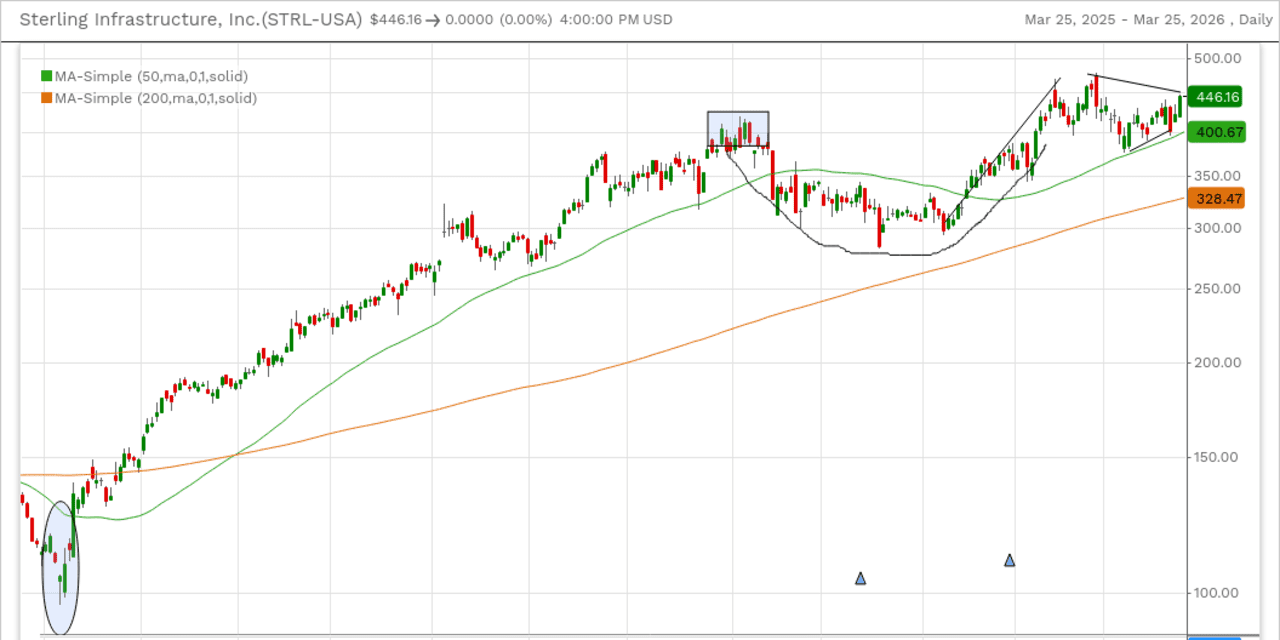
A Look Back at Previous Stock Selections: Sterling Infrastructure, Corpay, Deere


Importance of Revisiting Stock Picks: Reviewing former stock picks helps investors measure effectiveness and refine their strategies and discipline.
Identifying Patterns and Assumptions: By analyzing past calls, investors can recognize successful patterns and identify incorrect assumptions that may have influenced decisions.
Improving Decision-Making: Regular evaluations of past investments enhance future decision-making processes by learning from previous outcomes.
Reinforcing Accountability: This practice ensures that investment ideas are assessed based on their market performance, not just the initial investment thesis.
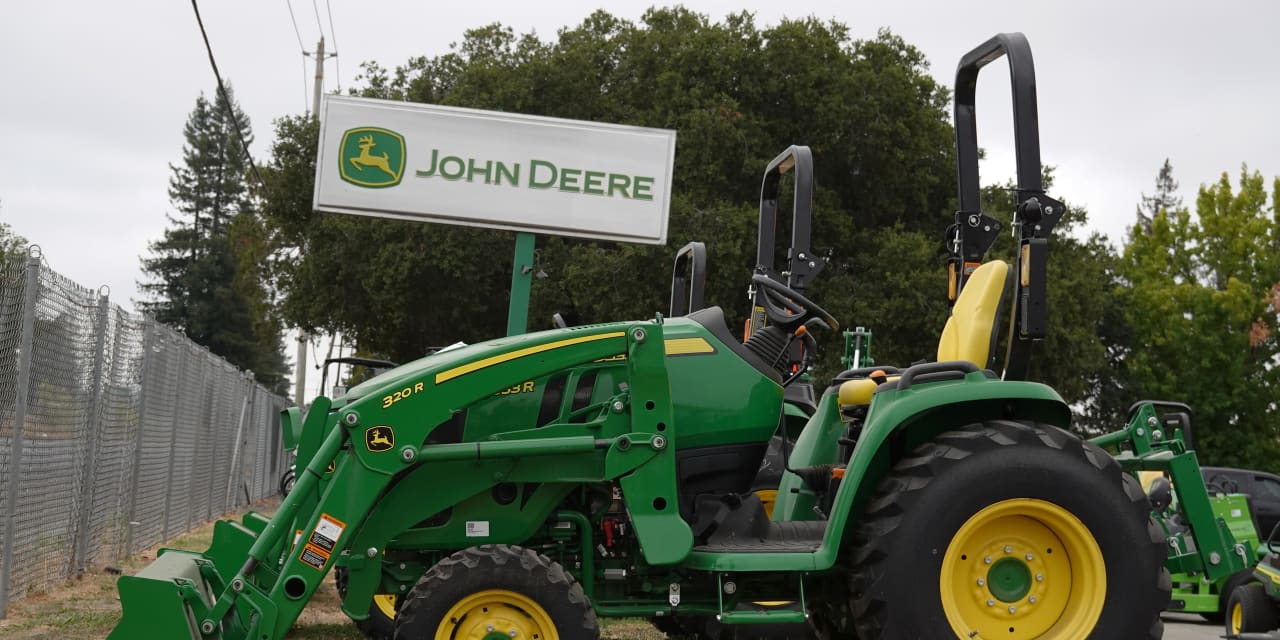
Steer Clear of Deere and Other Costly Industrial Stocks: Here Are 3 Alternatives to Consider.


- Physical Goods Surge: Companies producing physical goods are experiencing significant growth this year.
- AI-Disruptible Services Lag: In contrast, shares of service and software providers that are vulnerable to AI disruption are not performing as well.
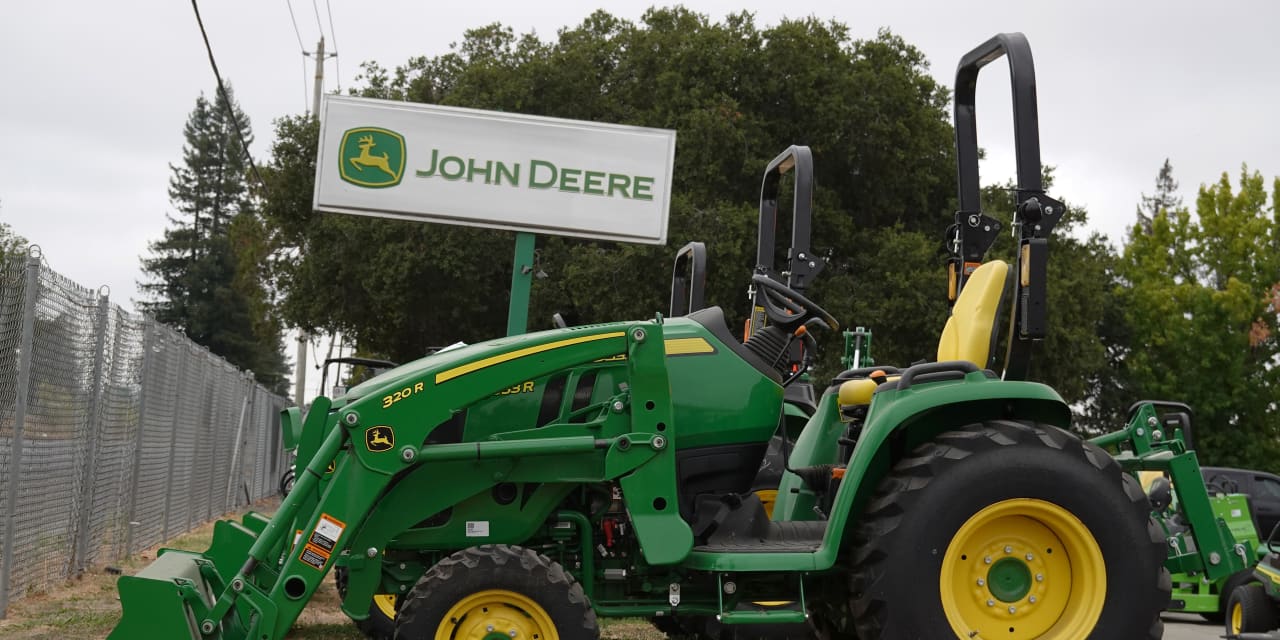
Analysts Recommend Avoiding Deere and Other Industrial Stocks, Favoring Federal Signal and Others as Buys.

- Physical Goods Surge: This year has seen a significant increase in the production and sales of physical goods.
- AI-Disruptible Services Lag: Companies focused on AI-disruptible services and software are not keeping pace with those producing tangible products.

Industrials Post Best Start in 25 Years, Outlook Ahead
- Strong Sector Performance: In 2026, industrials have emerged as a star in the stock market, with the State Street Industrial Select Sector SPDR ETF (XLI) rallying over 5% year-to-date, showcasing robust market demand among the S&P 500 sectors.
- Significant Stock Gains: Among the top 20 stocks by market cap, 14 have risen this year, with GE Vernova up 37%, Caterpillar up 25%, and Lockheed Martin up 26%, reflecting a strong recovery in the sector and increased investor confidence.
- Market Challenges Intensify: Despite the strong performance of industrials, the S&P 500 index has declined nearly 4% due to geopolitical risks and ongoing concerns in artificial intelligence and private credit, highlighting the complexity and uncertainty of the market environment.
- Cautious Future Growth: Trivariate Research notes that industrials are trading at a forward price-to-earnings ratio of about 24, indicating high valuations, and future earnings revisions are necessary to sustain current performance, adding to investor scrutiny and challenges.
TRUMP CALLS FOR JOHN DEERE AND CATERPILLAR TO REDUCE FARMERS' TRACTOR AND EQUIPMENT EXPENSES
- Trump's Proposal: Trump is advocating for John Deere and Caterpillar to reduce costs for farmers by lowering the prices of tractors and equipment.
- Impact on Farmers: The proposal aims to alleviate financial burdens on farmers, making agricultural operations more affordable.
Deere & Co. Market Cap Surpasses Honeywell
- Market Cap Comparison: Deere & Co. (DE) boasts a market capitalization of $156.12 billion, surpassing Honeywell (HON) at $143.53 billion, indicating Deere's stronger market position which may attract more large-scale investors.
- Investor Misconceptions: Many novice investors often overlook the significance of market capitalization, mistakenly comparing stock prices without understanding share counts, highlighting the critical role of market cap in assessing true company value.
- Market Positioning Impact: Market capitalization not only affects a company's ranking among peers but also determines which mutual funds and ETFs are willing to hold the stock, particularly as large funds tend to favor companies valued over $10 billion.
- Stock Performance: At Thursday's close, DE's stock rose approximately 0.6%, while HON fell about 0.3%, reflecting positive market sentiment towards Deere and its relatively strong performance.
A Look Back at Previous Stock Selections: Sterling Infrastructure, Corpay, Deere
Importance of Revisiting Stock Picks: Reviewing former stock picks helps investors measure effectiveness and refine their strategies and discipline.
Identifying Patterns and Assumptions: By analyzing past calls, investors can recognize successful patterns and identify incorrect assumptions that may have influenced decisions.
Improving Decision-Making: Regular evaluations of past investments enhance future decision-making processes by learning from previous outcomes.
Reinforcing Accountability: This practice ensures that investment ideas are assessed based on their market performance, not just the initial investment thesis.
Steer Clear of Deere and Other Costly Industrial Stocks: Here Are 3 Alternatives to Consider.
- Physical Goods Surge: Companies producing physical goods are experiencing significant growth this year.
- AI-Disruptible Services Lag: In contrast, shares of service and software providers that are vulnerable to AI disruption are not performing as well.
Analysts Recommend Avoiding Deere and Other Industrial Stocks, Favoring Federal Signal and Others as Buys.
- Physical Goods Surge: This year has seen a significant increase in the production and sales of physical goods.
- AI-Disruptible Services Lag: Companies focused on AI-disruptible services and software are not keeping pace with those producing tangible products.
Industrials Post Best Start in 25 Years, Outlook Ahead
- Strong Sector Performance: In 2026, industrials have emerged as a star in the stock market, with the State Street Industrial Select Sector SPDR ETF (XLI) rallying over 5% year-to-date, showcasing robust market demand among the S&P 500 sectors.
- Significant Stock Gains: Among the top 20 stocks by market cap, 14 have risen this year, with GE Vernova up 37%, Caterpillar up 25%, and Lockheed Martin up 26%, reflecting a strong recovery in the sector and increased investor confidence.
- Market Challenges Intensify: Despite the strong performance of industrials, the S&P 500 index has declined nearly 4% due to geopolitical risks and ongoing concerns in artificial intelligence and private credit, highlighting the complexity and uncertainty of the market environment.
- Cautious Future Growth: Trivariate Research notes that industrials are trading at a forward price-to-earnings ratio of about 24, indicating high valuations, and future earnings revisions are necessary to sustain current performance, adding to investor scrutiny and challenges.