Deere & Company (DE) Q1 2026 Earnings Call Transcript
Operating Margin for Equipment Operations 5.9%, reflecting a diversified portfolio and higher net sales year-over-year. The increase was driven by shipping volumes ahead of plan and strengthening order books.
Net Sales and Revenues $9.611 billion, up 13% year-over-year. Driven by higher shipment volumes and positive effects of foreign currency translation.
Net Sales for Equipment Operations $8.001 billion, up 18% year-over-year. Driven by higher shipment volumes and positive effects of foreign currency translation.
Net Income Attributable to Deere & Company $656 million or $2.42 per diluted share. The increase was due to higher shipment volumes and operational efficiencies.
Production & Precision Ag Net Sales $3.163 billion, up 3% year-over-year. Driven by positive effects of foreign currency translation, though offset by additional incentives for the South American market.
Small Ag & Turf Net Sales $2.168 billion, up 24% year-over-year. Driven by higher shipment volumes, favorable sales mix, and positive effects of foreign currency translation.
Construction & Forestry Net Sales $2.67 billion, up 34% year-over-year. Driven by higher shipment volumes and positive effects of foreign currency translation.
Worldwide Financial Services Net Income $244 million, up year-over-year. Driven by favorable financing spreads and a lower provision for credit losses.
Trade with 70% Backtested Accuracy
Analyst Views on DE

About DE
About the author


Can the AI Rally Sustain Amid Inflation Fears?


- Market Performance Review: The S&P 500 has surged approximately 19% since its March low, surpassing 7,500 for the first time this week, reflecting a revival in enthusiasm for artificial intelligence, yet the absence of cyclical sectors raises concerns.
- Internal and External Pressures: Despite a 3% rise in the S&P 500 this month, it remains nearly flat on an equal-weight basis, with the financial sector being the worst performer year-to-date, down over 6%, indicating potential impacts of high inflation on the economy.
- Nvidia Earnings Outlook: Nvidia is set to report earnings, with high expectations that CEO Jensen Huang will once again deliver a beat, although its market cap nearing $6 trillion marks a historic high, its valuation appears relatively attractive compared to peers.
- Retail Market Dynamics: Retailers like Walmart and Target are about to release earnings, and the low consumer sentiment may affect sales performance, particularly for lower-income consumers under pressure from rising oil prices, with Walmart's low-price strategy potentially giving it a competitive edge.

Stocks Pull Back but S&P 500 on Track for Seventh Straight Positive Week

- Rising Bond Yields: The massive bond selloff pushed the 10-year Treasury yield to approximately 4.6% and the 30-year yield above 5.1%, which could lead to increased borrowing costs, thereby affecting corporate investment decisions and consumer spending.
- Oil Price Surge: West Texas Intermediate crude oil prices climbed back above $105 per barrel, and this rise in oil prices may exacerbate inflation concerns, potentially impacting consumer confidence and spending, especially in a high-inflation environment.
- Volatility in AI Stocks: Stocks like Arm Holdings and Nvidia experienced profit-taking as enthusiasm for AI waned, indicating a cautious investor sentiment towards high-risk assets amid rising interest rates and oil prices.
- Upcoming Earnings Reports: A significant week of earnings is ahead with key companies like Home Depot and Nvidia scheduled to report, and the market will closely monitor these results for their potential impact on stock prices in the context of increasing economic uncertainty.
Investment Strategy Analysis in Old-Economy Businesses


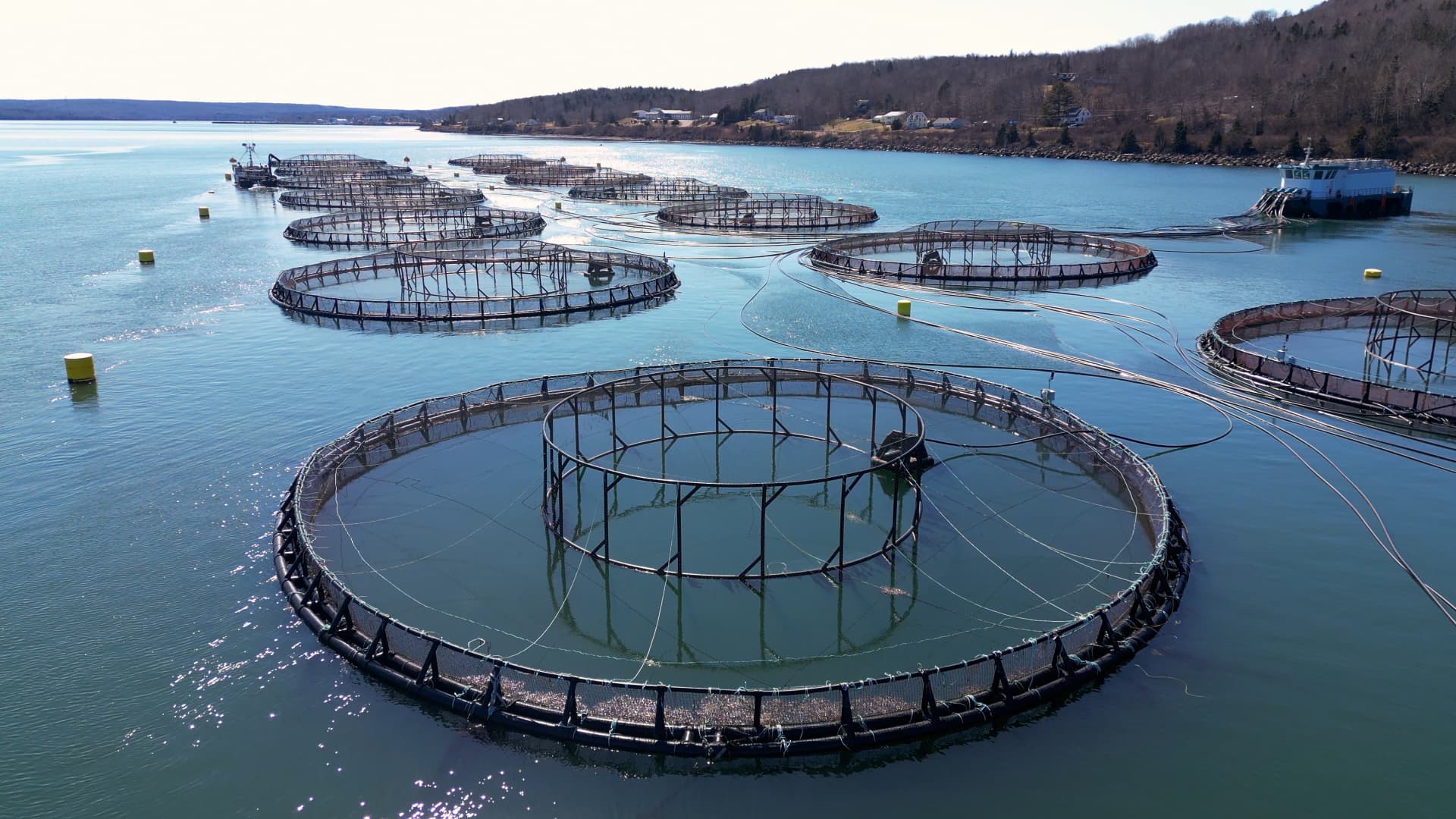
- Diverse Investment Portfolio: Equity Group Investments owns a John Deere dealership, a bluefin tuna fishery, and a pedestrian bridge connecting San Diego to Tijuana International Airport, showcasing its diversified investment strategy in old-economy businesses aimed at reducing reliance on emerging technologies and enhancing long-term stability.
- Long-Term Investment Perspective: EGI's president, Mark Sotir, emphasizes that the firm prefers to deploy capital over longer durations, typically 10 to 12 years, avoiding asset-light companies that require frequent trading, thereby ensuring the long-term viability of the industries they invest in.
- Tax Incentive Policies: The new

AI Revolutionizing Crop Micronutrient Management

- Investment Surge: Major technology and agriculture companies have invested over $3.15 billion in crop micronutrients, with Ecorobotix raising $150 million in 2025 and Microsoft committing $3 billion for AI infrastructure in agriculture applications in India, indicating strong market demand for precision nutrient management.
- Accelerating Technology Adoption: John Deere's See and Spray technology now covers 5 million acres in North America, enhancing crop management efficiency through AI-powered nutrient deficiency detection, while Yara International expands its AI capabilities via Atfarm and N-Sensor platforms, further driving precision fertilization applications.
- Precision Application Dominance: AI-powered precision sprayers and Variable Rate Application (VRA) mapping using satellite imagery are emerging as leading solutions, enabling targeted micronutrient delivery and reducing waste, thereby enhancing agricultural sustainability.
- Digital Innovation Breakthrough: Digital twin models facilitate virtual formulation testing of crops and soil systems, while computer vision technologies enable plant-level nutrient deficiency identification at unprecedented scales, propelling the smart transformation of agricultural production.

HALO Stocks Significantly Impacted by AI Developments


- HALO Stock Concept: HALO stocks refer to companies with heavy assets and low obsolescence risk, theoretically immune to AI replacement; recent news of Anthropic's new AI tool caused IBM's stock to drop 13% in a single day, highlighting market concerns.
- Energy Company Performance: For instance, ExxonMobil's stock has risen 24% this year, largely driven by the Iran war and soaring oil prices, indicating that energy companies are poised to benefit from the growing demand for AI, despite overall consumer spending trends.
- Consumer Goods Challenges: McDonald's stock has declined about 7% year-to-date, impacted by low consumer sentiment and rising gasoline prices; despite its substantial assets, it faces challenges from weakening consumer demand, illustrating the vulnerabilities of HALO stocks.
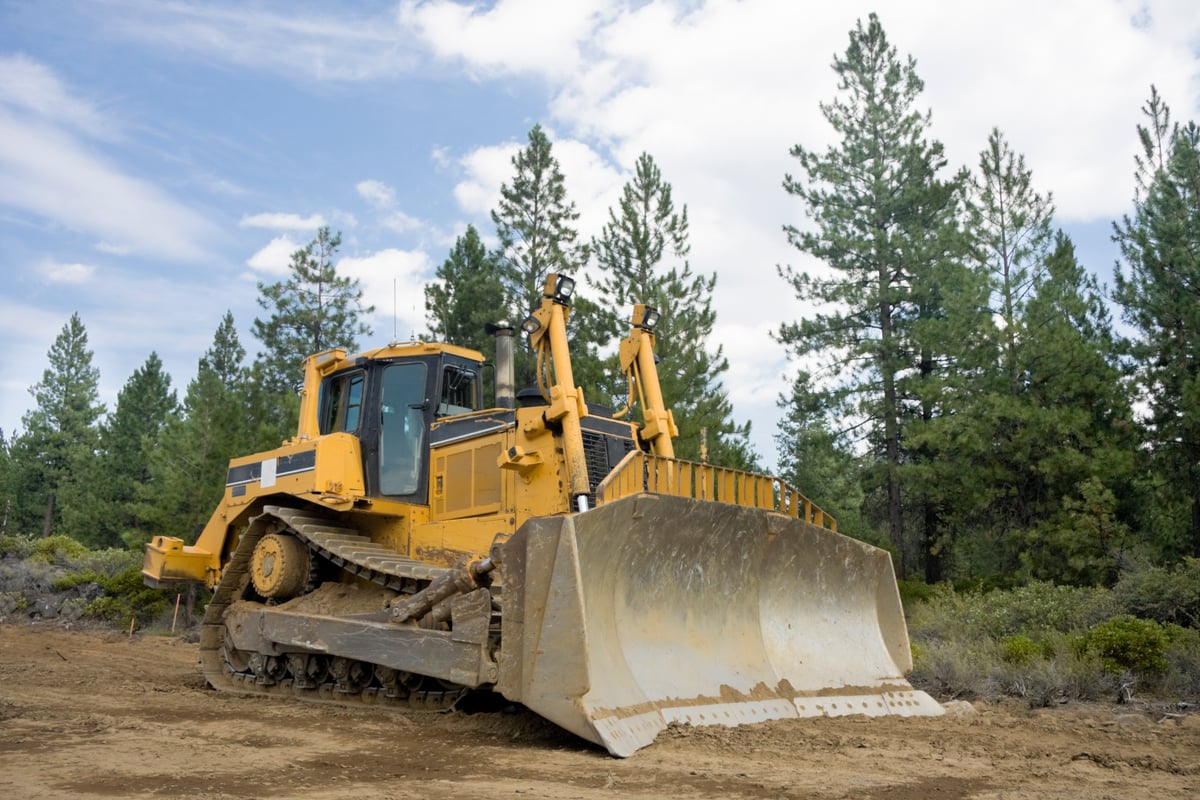
- Strong Performance of Equipment Manufacturers: Caterpillar and Deere have shown exceptional performance in 2026, with stock increases of 59% and 26%, respectively, significantly outperforming the S&P 500's 7%, indicating their crucial role in the AI build-out.
Analysis of HALO Stocks Market Performance
- HALO Stocks Concept Review: HALO stocks refer to companies with heavy assets that are less likely to be replaced by AI; the recent launch of new AI agents by Anthropic has reignited market interest in these stocks, particularly as financial data companies like Thomson Reuters and Moody's saw declines due to concerns.
- Strong Performance of Energy Companies: For instance, ExxonMobil's stock rose 24% in 2026, primarily driven by soaring oil prices due to the Iran war, indicating that energy companies maintain significant market resilience amid growing AI demand.
- Challenges for Consumer Goods Companies: Despite McDonald's substantial physical assets, its stock has dropped about 7% in 2026, reflecting the negative impact of high gasoline prices on consumer spending, particularly among its target demographic.
- Robust Growth in Construction and Agriculture Equipment: Caterpillar and Deere have seen stock increases of 59% and 26% in 2026, respectively, significantly outperforming the broader market, highlighting their essential role in infrastructure development amid the AI revolution.
Can the AI Rally Sustain Amid Inflation Fears?
- Market Performance Review: The S&P 500 has surged approximately 19% since its March low, surpassing 7,500 for the first time this week, reflecting a revival in enthusiasm for artificial intelligence, yet the absence of cyclical sectors raises concerns.
- Internal and External Pressures: Despite a 3% rise in the S&P 500 this month, it remains nearly flat on an equal-weight basis, with the financial sector being the worst performer year-to-date, down over 6%, indicating potential impacts of high inflation on the economy.
- Nvidia Earnings Outlook: Nvidia is set to report earnings, with high expectations that CEO Jensen Huang will once again deliver a beat, although its market cap nearing $6 trillion marks a historic high, its valuation appears relatively attractive compared to peers.
- Retail Market Dynamics: Retailers like Walmart and Target are about to release earnings, and the low consumer sentiment may affect sales performance, particularly for lower-income consumers under pressure from rising oil prices, with Walmart's low-price strategy potentially giving it a competitive edge.
Stocks Pull Back but S&P 500 on Track for Seventh Straight Positive Week
- Rising Bond Yields: The massive bond selloff pushed the 10-year Treasury yield to approximately 4.6% and the 30-year yield above 5.1%, which could lead to increased borrowing costs, thereby affecting corporate investment decisions and consumer spending.
- Oil Price Surge: West Texas Intermediate crude oil prices climbed back above $105 per barrel, and this rise in oil prices may exacerbate inflation concerns, potentially impacting consumer confidence and spending, especially in a high-inflation environment.
- Volatility in AI Stocks: Stocks like Arm Holdings and Nvidia experienced profit-taking as enthusiasm for AI waned, indicating a cautious investor sentiment towards high-risk assets amid rising interest rates and oil prices.
- Upcoming Earnings Reports: A significant week of earnings is ahead with key companies like Home Depot and Nvidia scheduled to report, and the market will closely monitor these results for their potential impact on stock prices in the context of increasing economic uncertainty.
Investment Strategy Analysis in Old-Economy Businesses
- Diverse Investment Portfolio: Equity Group Investments owns a John Deere dealership, a bluefin tuna fishery, and a pedestrian bridge connecting San Diego to Tijuana International Airport, showcasing its diversified investment strategy in old-economy businesses aimed at reducing reliance on emerging technologies and enhancing long-term stability.
- Long-Term Investment Perspective: EGI's president, Mark Sotir, emphasizes that the firm prefers to deploy capital over longer durations, typically 10 to 12 years, avoiding asset-light companies that require frequent trading, thereby ensuring the long-term viability of the industries they invest in.
- Tax Incentive Policies: The new
AI Revolutionizing Crop Micronutrient Management
- Investment Surge: Major technology and agriculture companies have invested over $3.15 billion in crop micronutrients, with Ecorobotix raising $150 million in 2025 and Microsoft committing $3 billion for AI infrastructure in agriculture applications in India, indicating strong market demand for precision nutrient management.
- Accelerating Technology Adoption: John Deere's See and Spray technology now covers 5 million acres in North America, enhancing crop management efficiency through AI-powered nutrient deficiency detection, while Yara International expands its AI capabilities via Atfarm and N-Sensor platforms, further driving precision fertilization applications.
- Precision Application Dominance: AI-powered precision sprayers and Variable Rate Application (VRA) mapping using satellite imagery are emerging as leading solutions, enabling targeted micronutrient delivery and reducing waste, thereby enhancing agricultural sustainability.
- Digital Innovation Breakthrough: Digital twin models facilitate virtual formulation testing of crops and soil systems, while computer vision technologies enable plant-level nutrient deficiency identification at unprecedented scales, propelling the smart transformation of agricultural production.
HALO Stocks Significantly Impacted by AI Developments
- HALO Stock Concept: HALO stocks refer to companies with heavy assets and low obsolescence risk, theoretically immune to AI replacement; recent news of Anthropic's new AI tool caused IBM's stock to drop 13% in a single day, highlighting market concerns.
- Energy Company Performance: For instance, ExxonMobil's stock has risen 24% this year, largely driven by the Iran war and soaring oil prices, indicating that energy companies are poised to benefit from the growing demand for AI, despite overall consumer spending trends.
- Consumer Goods Challenges: McDonald's stock has declined about 7% year-to-date, impacted by low consumer sentiment and rising gasoline prices; despite its substantial assets, it faces challenges from weakening consumer demand, illustrating the vulnerabilities of HALO stocks.
- Strong Performance of Equipment Manufacturers: Caterpillar and Deere have shown exceptional performance in 2026, with stock increases of 59% and 26%, respectively, significantly outperforming the S&P 500's 7%, indicating their crucial role in the AI build-out.
Analysis of HALO Stocks Market Performance
- HALO Stocks Concept Review: HALO stocks refer to companies with heavy assets that are less likely to be replaced by AI; the recent launch of new AI agents by Anthropic has reignited market interest in these stocks, particularly as financial data companies like Thomson Reuters and Moody's saw declines due to concerns.
- Strong Performance of Energy Companies: For instance, ExxonMobil's stock rose 24% in 2026, primarily driven by soaring oil prices due to the Iran war, indicating that energy companies maintain significant market resilience amid growing AI demand.
- Challenges for Consumer Goods Companies: Despite McDonald's substantial physical assets, its stock has dropped about 7% in 2026, reflecting the negative impact of high gasoline prices on consumer spending, particularly among its target demographic.
- Robust Growth in Construction and Agriculture Equipment: Caterpillar and Deere have seen stock increases of 59% and 26% in 2026, respectively, significantly outperforming the broader market, highlighting their essential role in infrastructure development amid the AI revolution.