Costco Hits All-Time High, Speculation on Stock Split
Written by Emily J. Thompson, Senior Investment Analyst
Updated: 15 hours ago
0mins
Should l Buy COST?
Source: seekingalpha
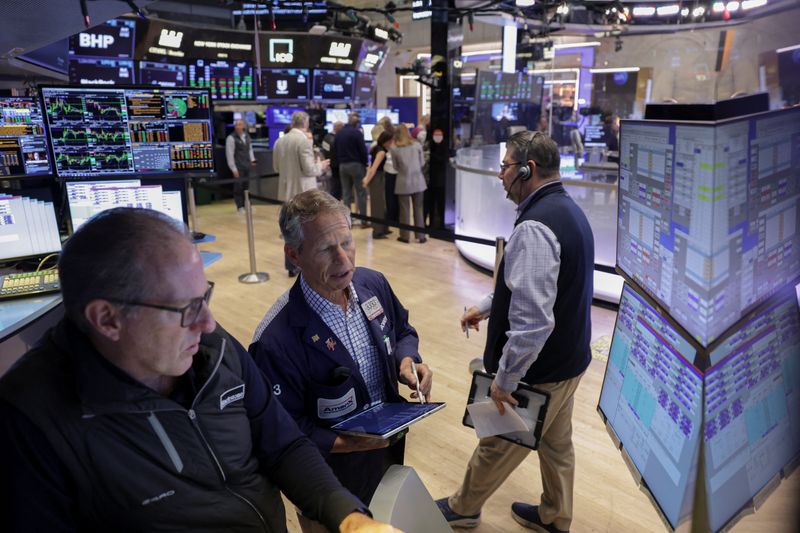
- Record High Stock Price: Costco (COST) reached an all-time high of $1,096.50 on Tuesday, reflecting over a 25% increase in 2026, indicating strong market demand and investor confidence, which may attract more institutional investors.
- Speculation on Stock Split: With no stock split since 2000, the recent surge in share price has reignited speculation about a potential split, as historically all five splits occurred during periods of rapid expansion, which could influence investors' holding strategies.
- Shareholder Return Strategy: Despite ongoing discussions about splits, Costco prefers to reward shareholders through special dividends, having issued five since 2012, demonstrating the company's confidence in sustained growth and commitment to its investors.
- Leading Market Capitalization: With a market cap of $485 billion, Costco surpasses Coca-Cola (KO), Procter & Gamble (PG), Alibaba (BABA), and Home Depot (HD), showcasing its strong competitive position and market leadership in the retail sector.
Trade with 70% Backtested Accuracy
Stop guessing "Should I Buy COST?" and start using high-conviction signals backed by rigorous historical data.
Sign up today to access powerful investing tools and make smarter, data-driven decisions.
Analyst Views on COST
Wall Street analysts forecast COST stock price to fall
24 Analyst Rating
19 Buy
4 Hold
1 Sell
Strong Buy
Current: 1094.320

Low
769.00
Averages
1061
High
1205
Current: 1094.320
Low
769.00
Averages
1061
High
1205
About COST
Costco Wholesale Corporation (Costco) operates membership warehouses and e-commerce sites that offer a selection of nationally branded and private-label products in a wide range of categories. The Company buys the majority of its merchandise directly from suppliers and route it to cross-docking consolidation points (depots) or directly to its warehouses. It operates 891 warehouses, including 614 in the United States and Puerto Rico, 108 in Canada, 40 in Mexico, 35 in Japan, 29 in the United Kingdom, 19 in Korea, 15 in Australia, 14 in Taiwan, seven in China, five in Spain, two in France, and one each in Iceland, New Zealand and Sweden. It also operates e-commerce sites in the United States, Canada, the United Kingdom, Mexico, Korea, Taiwan, Japan and Australia. The Company provides wide selection of merchandise, plus the convenience of specialty departments and exclusive member services.
About the author

Emily J. Thompson
Emily J. Thompson, a Chartered Financial Analyst (CFA) with 12 years in investment research, graduated with honors from the Wharton School. Specializing in industrial and technology stocks, she provides in-depth analysis for Intellectia’s earnings and market brief reports.
Oppenheimer Raises Costco Price Target to $1,160 Ahead of Earnings
- Price Target Increase: Oppenheimer analyst Rupesh Parikh raised Costco's price target from $1,100 to $1,160, a 5% increase, reflecting confidence in the company's future performance despite facing short-term fuel cost pressures.
- Defensive Business Model: The analyst highlighted Costco's defensive business model and superior value proposition, which are expected to continue driving significant market share gains, even amid challenges from inflation and reduced social transfers.
- Sales Growth Momentum: Costco reported sales of $23.92 billion in April, a 13% increase year-over-year, and raised its quarterly dividend from $1.30 to $1.47, indicating strong sales momentum among higher-income consumers.
- Optimistic Market Sentiment: According to Stocktwits, retail sentiment for Costco remains 'bullish', with analysts generally providing positive coverage, reflecting investor optimism about the company's future performance.
See More

Costco Stock Nears $1,000, Split Likely Unlikely
- Stock Price Nears $1,000: As of December 31, 2025, Costco's shares closed at $862, frequently flirting with the $1,000 mark throughout the year, and while market speculation about a split is rising, historical trends suggest that a split is unlikely, indicating management's confidence in sustained price growth.
- Psychological Effects and Short-term Gains: Analysts note that high stock prices may limit retail investor participation, and a split could lower the price to attract more investors; historical data shows that companies announcing splits have averaged a 25.4% annual return, suggesting potential short-term benefits from such actions.
- Signal of Management Confidence: The decision not to split shares may be interpreted as a vote of confidence from management regarding the company's value, indicating they expect the stock price to rise organically rather than relying on financial engineering to create short-term price fluctuations, which is a positive signal for long-term investors.
- Ongoing Shareholder Returns: Despite not splitting shares, Costco continues to reward shareholders through consistent dividends and special dividends, having paid a special dividend of $15 per share in January 2024 and $10 per share in December 2020, alongside a remarkable 170% stock price return over the past five years, demonstrating the company's commitment to long-term shareholders.
See More

Target Q1 2026 Earnings Beat Expectations Amid Macro Uncertainty


- Earnings Beat: Target reported Q1 2026 net sales of $25.4 billion, a 6% year-over-year increase, with adjusted EPS of $1.71 surpassing the $1.46 consensus, indicating robust performance in a competitive retail landscape.
- Guidance Raised: Management raised the full-year sales growth guidance to 4%, doubling the previous forecast, reflecting confidence in future performance despite ongoing macroeconomic uncertainties.
- Market Reaction: Despite strong results, Target's stock fell 7% post-report, reflecting investor concerns over macro outlook and a 'sell-the-news' mentality, highlighting market sensitivity to high valuations.
- Competitive Landscape: Target's strong performance provides a positive signal for upcoming earnings from Walmart and Costco, but also cautions investors to remain vigilant in a high-valuation environment to avoid overreacting to market sentiment.
See More
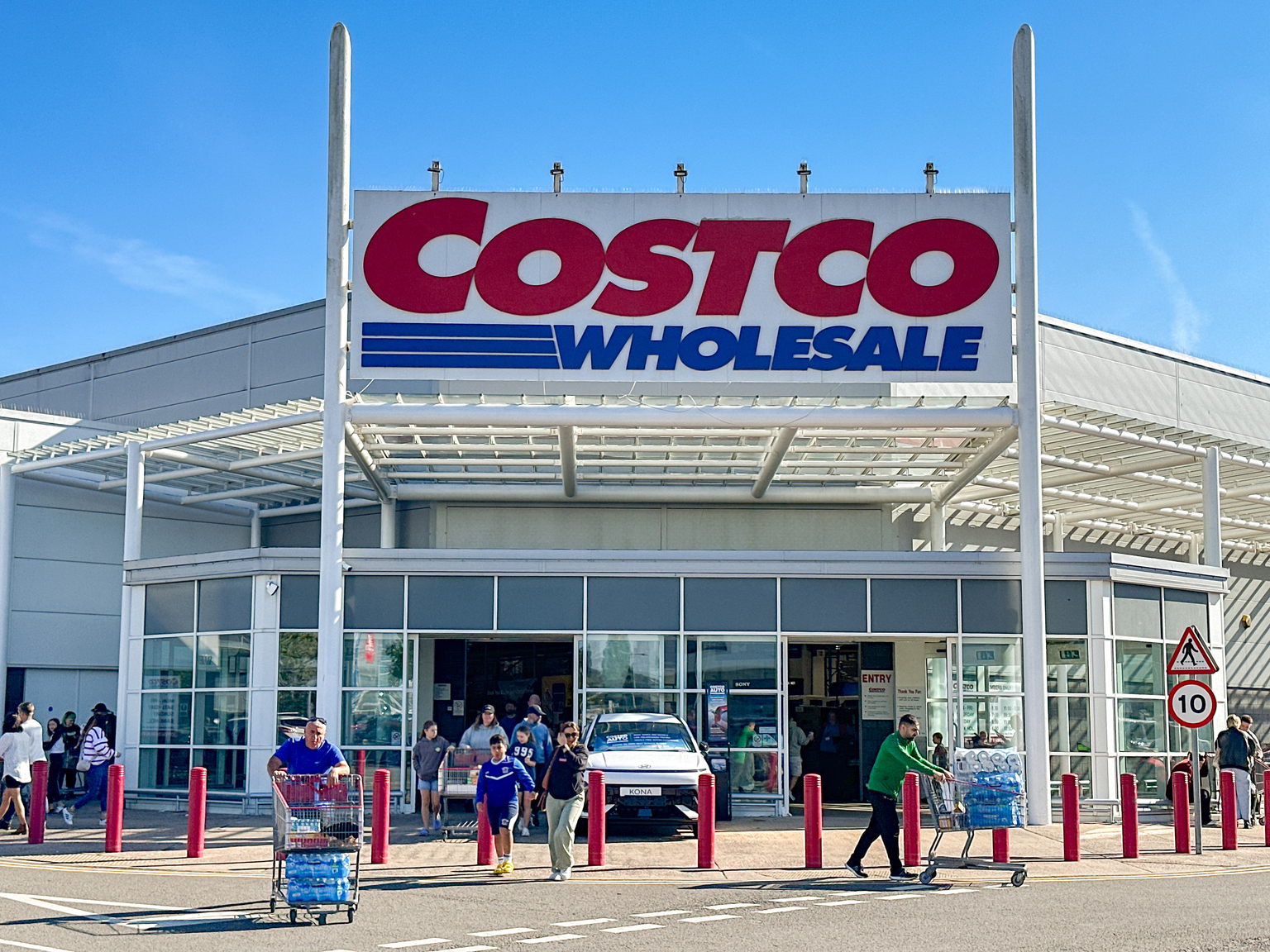
Costco Hits All-Time High, Speculation on Stock Split
- Record High Stock Price: Costco (COST) reached an all-time high of $1,096.50 on Tuesday, reflecting over a 25% increase in 2026, indicating strong market demand and investor confidence, which may attract more institutional investors.
- Speculation on Stock Split: With no stock split since 2000, the recent surge in share price has reignited speculation about a potential split, as historically all five splits occurred during periods of rapid expansion, which could influence investors' holding strategies.
- Shareholder Return Strategy: Despite ongoing discussions about splits, Costco prefers to reward shareholders through special dividends, having issued five since 2012, demonstrating the company's confidence in sustained growth and commitment to its investors.
- Leading Market Capitalization: With a market cap of $485 billion, Costco surpasses Coca-Cola (KO), Procter & Gamble (PG), Alibaba (BABA), and Home Depot (HD), showcasing its strong competitive position and market leadership in the retail sector.
See More

U.S. Stocks Decline Amid Rising Treasury Yields


- Market Decline: U.S. stock indices fell as both the S&P 500 and Dow Jones dropped 0.7%, while the Nasdaq lost 0.8%, reflecting heightened concerns over inflationary pressures amid rising Treasury yields.
- Impact of Treasury Yields: The 30-year U.S. Treasury bond yield reached levels not seen since 2007, prompting investors to shift towards bonds, which suppressed stock performance, particularly in technology sectors, thereby increasing market uncertainty.
- Trump's Threat to Iran: President Trump threatened potential strikes on Iran, which heightened geopolitical risks and could impact energy prices and overall market sentiment, reflecting the sensitivity of investors to international tensions.
- Poor ETF Performance: ETFs tracking benchmark indices, such as the SPDR S&P 500 ETF and Invesco QQQ Trust, fell by 0.7% and 0.6% respectively, indicating a cautious investor sentiment regarding future market trends in the context of high inflation and rate hike expectations.
See More
Inflation Returns: Market Implications Analyzed
- Consumer Price Index Surge: The Consumer Price Index (CPI) rose by 3.8% year-over-year in April, exceeding expectations and indicating heightened inflationary pressures, particularly with energy prices increasing by 6.1%, which will directly impact consumer spending.
- Producer Price Index Spike: The Producer Price Index (PPI) increased by 1.4% month-over-month and 6% year-over-year in April, suggesting that rising production costs may further elevate consumer prices, affecting corporate profit margins.
- Wage Growth Lagging: With inflation rates surpassing annual wage growth for the first time, real hourly earnings have declined by 0.3%, leading to decreased consumer purchasing power, which could impact overall consumer spending and market demand.
- Market Reaction Divergence: Despite the rise in CPI, the S&P 500 index has increased by 8% this year, yet only 52% of stocks are above their 50-day moving average, indicating significant internal market divergence, with some companies facing sales and margin pressures.
See More
Oppenheimer Raises Costco Price Target to $1,160 Ahead of Earnings
- Price Target Increase: Oppenheimer analyst Rupesh Parikh raised Costco's price target from $1,100 to $1,160, a 5% increase, reflecting confidence in the company's future performance despite facing short-term fuel cost pressures.
- Defensive Business Model: The analyst highlighted Costco's defensive business model and superior value proposition, which are expected to continue driving significant market share gains, even amid challenges from inflation and reduced social transfers.
- Sales Growth Momentum: Costco reported sales of $23.92 billion in April, a 13% increase year-over-year, and raised its quarterly dividend from $1.30 to $1.47, indicating strong sales momentum among higher-income consumers.
- Optimistic Market Sentiment: According to Stocktwits, retail sentiment for Costco remains 'bullish', with analysts generally providing positive coverage, reflecting investor optimism about the company's future performance.
See More
Costco Stock Nears $1,000, Split Likely Unlikely
- Stock Price Nears $1,000: As of December 31, 2025, Costco's shares closed at $862, frequently flirting with the $1,000 mark throughout the year, and while market speculation about a split is rising, historical trends suggest that a split is unlikely, indicating management's confidence in sustained price growth.
- Psychological Effects and Short-term Gains: Analysts note that high stock prices may limit retail investor participation, and a split could lower the price to attract more investors; historical data shows that companies announcing splits have averaged a 25.4% annual return, suggesting potential short-term benefits from such actions.
- Signal of Management Confidence: The decision not to split shares may be interpreted as a vote of confidence from management regarding the company's value, indicating they expect the stock price to rise organically rather than relying on financial engineering to create short-term price fluctuations, which is a positive signal for long-term investors.
- Ongoing Shareholder Returns: Despite not splitting shares, Costco continues to reward shareholders through consistent dividends and special dividends, having paid a special dividend of $15 per share in January 2024 and $10 per share in December 2020, alongside a remarkable 170% stock price return over the past five years, demonstrating the company's commitment to long-term shareholders.
See More
Target Q1 2026 Earnings Beat Expectations Amid Macro Uncertainty
- Earnings Beat: Target reported Q1 2026 net sales of $25.4 billion, a 6% year-over-year increase, with adjusted EPS of $1.71 surpassing the $1.46 consensus, indicating robust performance in a competitive retail landscape.
- Guidance Raised: Management raised the full-year sales growth guidance to 4%, doubling the previous forecast, reflecting confidence in future performance despite ongoing macroeconomic uncertainties.
- Market Reaction: Despite strong results, Target's stock fell 7% post-report, reflecting investor concerns over macro outlook and a 'sell-the-news' mentality, highlighting market sensitivity to high valuations.
- Competitive Landscape: Target's strong performance provides a positive signal for upcoming earnings from Walmart and Costco, but also cautions investors to remain vigilant in a high-valuation environment to avoid overreacting to market sentiment.
See More
Costco Hits All-Time High, Speculation on Stock Split
- Record High Stock Price: Costco (COST) reached an all-time high of $1,096.50 on Tuesday, reflecting over a 25% increase in 2026, indicating strong market demand and investor confidence, which may attract more institutional investors.
- Speculation on Stock Split: With no stock split since 2000, the recent surge in share price has reignited speculation about a potential split, as historically all five splits occurred during periods of rapid expansion, which could influence investors' holding strategies.
- Shareholder Return Strategy: Despite ongoing discussions about splits, Costco prefers to reward shareholders through special dividends, having issued five since 2012, demonstrating the company's confidence in sustained growth and commitment to its investors.
- Leading Market Capitalization: With a market cap of $485 billion, Costco surpasses Coca-Cola (KO), Procter & Gamble (PG), Alibaba (BABA), and Home Depot (HD), showcasing its strong competitive position and market leadership in the retail sector.
See More
U.S. Stocks Decline Amid Rising Treasury Yields
- Market Decline: U.S. stock indices fell as both the S&P 500 and Dow Jones dropped 0.7%, while the Nasdaq lost 0.8%, reflecting heightened concerns over inflationary pressures amid rising Treasury yields.
- Impact of Treasury Yields: The 30-year U.S. Treasury bond yield reached levels not seen since 2007, prompting investors to shift towards bonds, which suppressed stock performance, particularly in technology sectors, thereby increasing market uncertainty.
- Trump's Threat to Iran: President Trump threatened potential strikes on Iran, which heightened geopolitical risks and could impact energy prices and overall market sentiment, reflecting the sensitivity of investors to international tensions.
- Poor ETF Performance: ETFs tracking benchmark indices, such as the SPDR S&P 500 ETF and Invesco QQQ Trust, fell by 0.7% and 0.6% respectively, indicating a cautious investor sentiment regarding future market trends in the context of high inflation and rate hike expectations.
See More
Inflation Returns: Market Implications Analyzed
- Consumer Price Index Surge: The Consumer Price Index (CPI) rose by 3.8% year-over-year in April, exceeding expectations and indicating heightened inflationary pressures, particularly with energy prices increasing by 6.1%, which will directly impact consumer spending.
- Producer Price Index Spike: The Producer Price Index (PPI) increased by 1.4% month-over-month and 6% year-over-year in April, suggesting that rising production costs may further elevate consumer prices, affecting corporate profit margins.
- Wage Growth Lagging: With inflation rates surpassing annual wage growth for the first time, real hourly earnings have declined by 0.3%, leading to decreased consumer purchasing power, which could impact overall consumer spending and market demand.
- Market Reaction Divergence: Despite the rise in CPI, the S&P 500 index has increased by 8% this year, yet only 52% of stocks are above their 50-day moving average, indicating significant internal market divergence, with some companies facing sales and margin pressures.
See More