Consumer Staples Giants Leverage AI for Competitive Edge
Written by Emily J. Thompson, Senior Investment Analyst
Updated: 2 days ago
0mins
Should l Buy WMT?
Source: Fool
- Walmart's Market Advantage: With over 280 million shoppers weekly, Walmart leverages its strong bargaining power and private label to negotiate better prices with suppliers, while using its AI shopping assistant, Sparky, to enhance sales and solidify its market position.
- Costco's Brand Loyalty: Costco passes savings from bulk purchases to customers, maintaining pricing power with its Kirkland Signature brand and achieving a membership renewal rate above 92%, ensuring stable growth in a competitive retail landscape.
- Procter & Gamble's Product Diversity: P&G offers essential products from toothpaste to laundry detergent, boasting a gross margin of 50.88% and a dividend yield of 2.97%, maintaining strong brand loyalty and market share despite price increase pressures.
- AI in Product Development: P&G is utilizing AI to enhance product development efficiency and employee productivity, optimizing internal processes and strengthening its adaptability and innovation capabilities in a rapidly changing market.
Trade with 70% Backtested Accuracy
Stop guessing "Should I Buy WMT?" and start using high-conviction signals backed by rigorous historical data.
Sign up today to access powerful investing tools and make smarter, data-driven decisions.
Analyst Views on WMT
Wall Street analysts forecast WMT stock price to fall
26 Analyst Rating
25 Buy
1 Hold
0 Sell
Strong Buy
Current: 131.470

Low
119.00
Averages
125.75
High
136.00
Current: 131.470
Low
119.00
Averages
125.75
High
136.00
About WMT
Walmart Inc. is a technology-powered omnichannel retailer. The Company is engaged in the operation of retail and wholesale stores and clubs, as well as eCommerce Websites and mobile applications, located throughout the United States (U.S.), Africa, Canada, Central America, Chile, China, India and Mexico. It operates in three reportable segments: Walmart U.S., Walmart International and Sam's Club U.S. The Walmart U.S. segment includes the Company's mass merchandising concept in the U.S., as well as eCommerce, which includes omni-channel initiatives and certain other business offerings such as advertising services. The Walmart International segment consists of the Company's operations outside of the U.S. through its subsidiaries, as well as eCommerce and omni-channel initiatives. The Sam's Club U.S. segment includes the warehouse membership clubs in the U.S., as well as samsclub.com and omni-channel initiatives.
About the author

Emily J. Thompson
Emily J. Thompson, a Chartered Financial Analyst (CFA) with 12 years in investment research, graduated with honors from the Wharton School. Specializing in industrial and technology stocks, she provides in-depth analysis for Intellectia’s earnings and market brief reports.
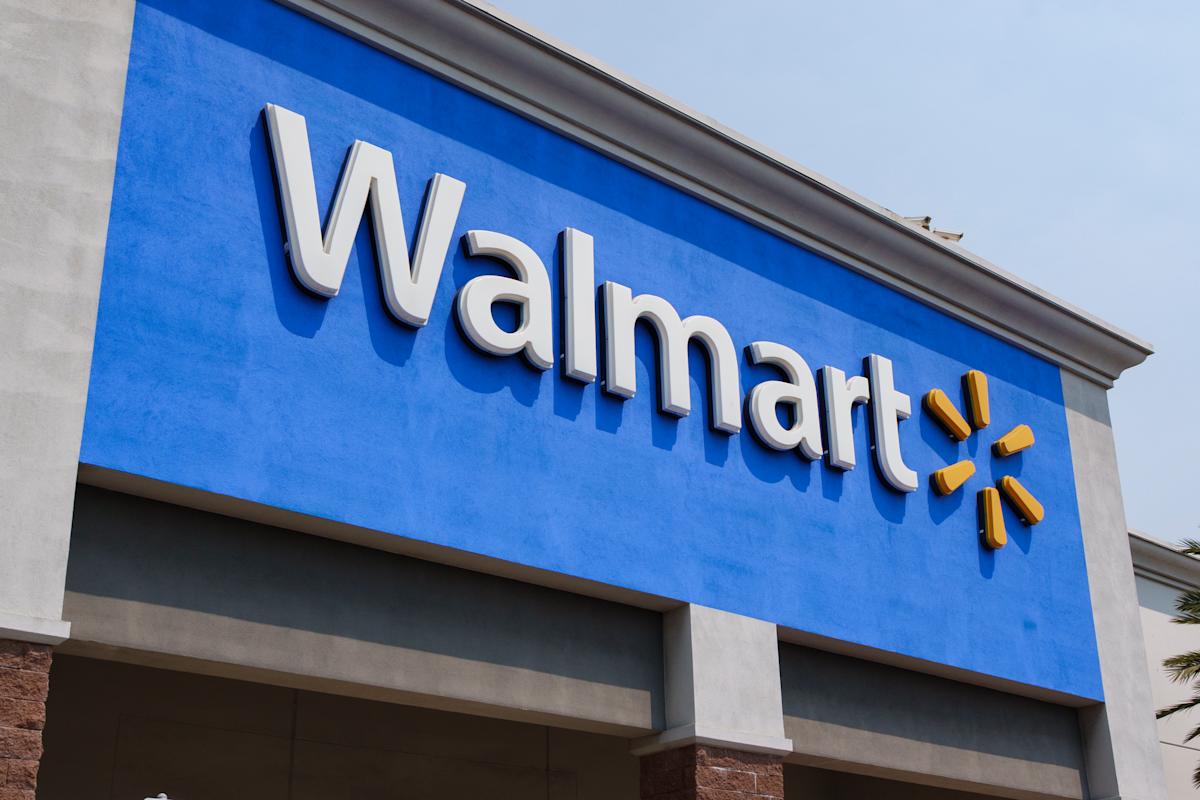
Walmart Cuts Jobs Amid Economic Pressures

- Job Cuts Announcement: Walmart plans to cut 1,000 corporate jobs to address redundancies, following a previous layoff of 1,500 employees last May, indicating a strong commitment to cost control amid rising energy prices.
- Stock Performance: Walmart's stock has risen 17% this year, significantly outperforming the S&P 500's 8% gain, demonstrating the company's robust performance despite challenges in consumer spending power.
- Consumer Spending Pressure: Citi analysts warn that purchasing power for consumers earning less than $50,000 annually turned negative in April, with middle-income households facing over $90 monthly increases in essential spending, highlighting ongoing inflationary pressures.
- Cautious Outlook: Analysts generally expect Walmart to refrain from raising its full-year guidance due to uncertainties surrounding fuel prices and consumer responses, which may lead to stock volatility following the earnings report.
See More

Walmart to Release Q1 Earnings on May 21, 2026
- Earnings Release Schedule: Walmart will announce its Q1 earnings on May 21, 2026, at 6 a.m. CDT, followed by a live investor conference call at 7 a.m. CDT, hosted by CEO John Furner and CFO John David Rainey, ensuring transparency and information sharing with stakeholders.
- Company Scale and Impact: With fiscal year 2026 revenue of $713 billion and approximately 2.1 million associates worldwide, Walmart attracts around 280 million customers weekly, showcasing its strong influence and leadership position in the global retail market.
- Commitment to Sustainability: Walmart continues to lead in sustainability, corporate philanthropy, and employment opportunities, indicating its focus not only on financial performance but also on social responsibility and environmental protection, enhancing its brand image.
- Omnichannel Retail Strategy: As a people-led, tech-powered omnichannel retailer, Walmart serves customers anytime and anywhere through stores, online, and mobile devices, further solidifying its competitive advantage in the global retail industry.
See More
SK Hynix Approaches $1 Trillion Market Value Amid AI Demand
- Market Value Milestone: SK Hynix is nearing a $1 trillion market cap, driven by robust AI demand that has led to a staggering 274% increase in 2025 and over 200% this year, reflecting strong market interest in AI-related products.
- Korea's AI Industry Rise: Should SK Hynix surpass the trillion-dollar mark, South Korea would become the second country after the U.S. to have multiple trillion-dollar companies, solidifying its critical role in the global AI supply chain.
- KOSPI Index Performance: The KOSPI index has surged over 86% this year, marking its best annual performance since 1999, attracting significant foreign investment and demonstrating investor confidence in the semiconductor sector.
- Market Sentiment Analysis: Analyst Fabien Yip notes that current market sentiment is driven by FOMO (fear of missing out) particularly around AI-related companies in Japan and Korea, further propelling stock prices upward.
See More
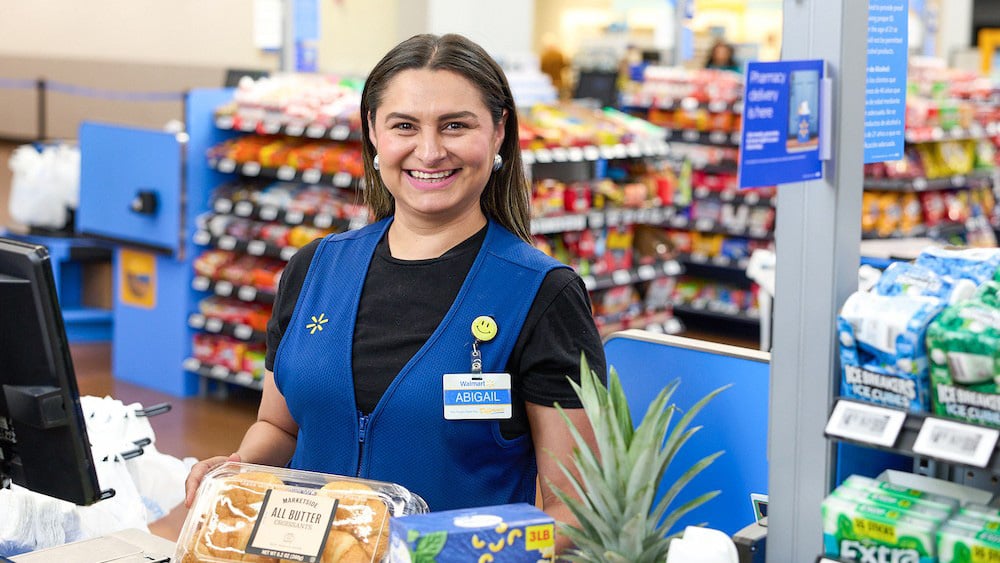
Walmart and Coca-Cola Outperforming Market Amid Rebound

- Walmart's E-commerce Growth: Walmart's e-commerce sales surged 24% year-over-year, and despite holding only 9.2% market share, it remains the second-largest e-commerce player in the U.S., showcasing strong growth momentum that enhances its competitive edge in retail.
- Walmart's Market Coverage: As the world's largest physical retailer, Walmart operates over 5,000 stores in the U.S., with 90% of the population living within 10 miles of a store, which ensures resilience during economic fluctuations and solidifies its market position.
- Coca-Cola's Global Opportunities: Coca-Cola holds only 14% of the global market share and just 6% in developing regions, presenting significant growth potential for future expansion, particularly in emerging markets and organic industry growth.
- Coca-Cola's Stable Returns: With a 64-year streak of dividend increases and a current yield of 2.57%, Coca-Cola excels in times of economic pressure, attracting investors seeking stable income and enhancing its market appeal.
See More
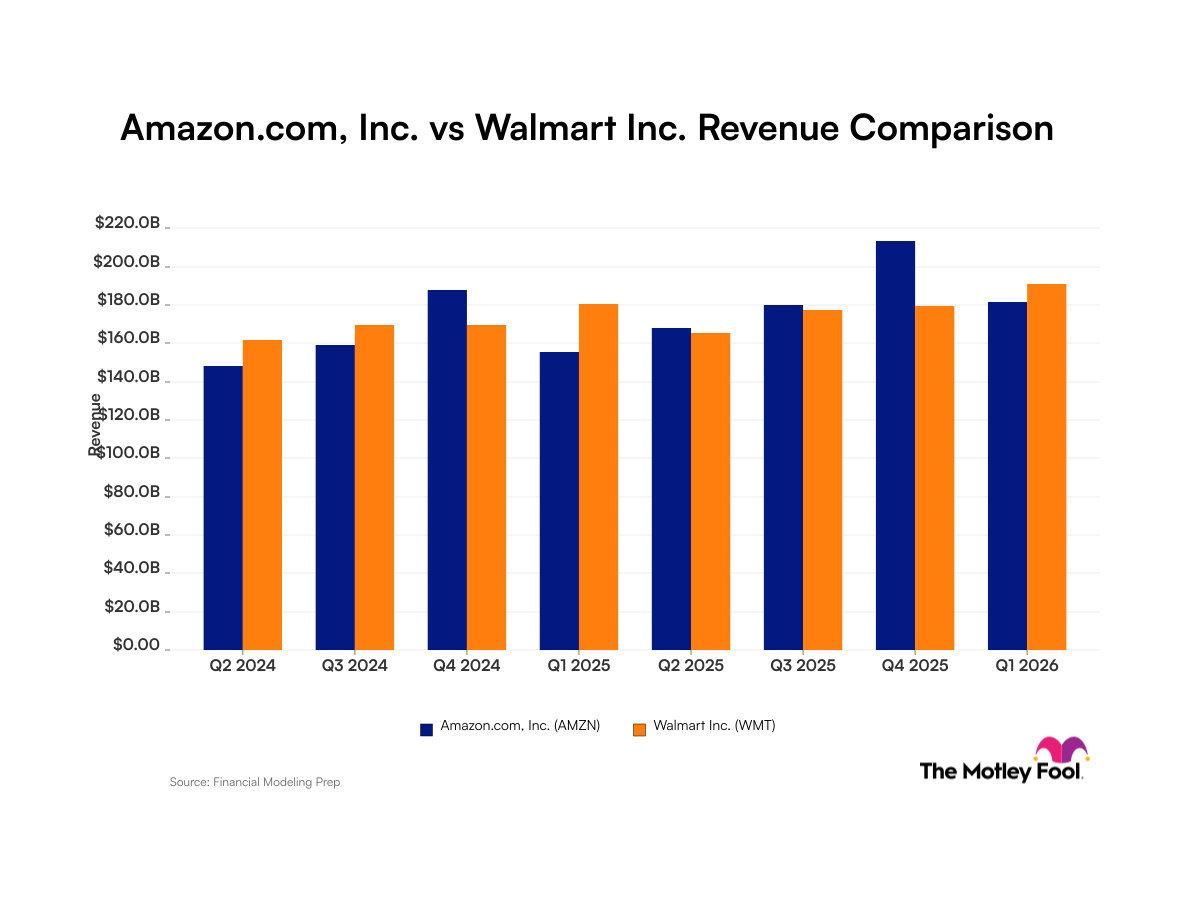
Amazon and Walmart's E-commerce Rivalry Intensifies

- Revenue Growth Comparison: Amazon's total revenue reached $181 billion in the latest quarter, marking a 17% year-over-year increase and surpassing Walmart's trailing $742 billion annual revenue for the first time, highlighting its strong growth potential in e-commerce and cloud computing.
- Rise of AI Assistants: Both Amazon and Walmart have launched AI shopping assistants, with Amazon's Rufus assistant seeing user numbers double, while Walmart's Sparky assistant has driven higher order values, indicating the critical role of AI technology in future e-commerce competition.
- Retail Market Scale: Despite Amazon's retail sales of $70 billion being lower than Walmart's $191 billion quarterly revenue, the rapid growth of Amazon's non-retail services, such as AWS, provides significant momentum for its future development.
- Strategic Investment Focus: Both companies are making substantial investments in AI, suggesting that future retail winners may depend on the capabilities of their AI tools and services, with Amazon's cloud service growth influencing its investment strategy for its online store.
See More

Investment Outlook: Walmart vs. Costco
- Stock Performance Comparison: Over the past five years, Walmart's stock has risen approximately 190%, while Costco's has increased by 175%, both outperforming the S&P 500's 82% gain, indicating strong resilience in fluctuating economic conditions.
- Valuation and Market Cap Analysis: Walmart's market cap has reached $1 trillion, while Costco stands at around $450 billion; despite both appearing overvalued, Walmart's P/E ratio is 53, compared to Costco's 48, reflecting high market expectations for both companies.
- Growth Potential Assessment: Although both retailers are experiencing single-digit growth, Costco's growth rate typically exceeds Walmart's, particularly when consumer spending appetite increases, highlighting its potential advantage in economic recovery scenarios.
- Market Positioning Differences: Walmart focuses more on essentials, while Costco encourages higher discretionary spending; as economic conditions improve, Costco's growth potential may be greater, especially in e-commerce and new market expansions.
See More
Walmart Cuts Jobs Amid Economic Pressures
- Job Cuts Announcement: Walmart plans to cut 1,000 corporate jobs to address redundancies, following a previous layoff of 1,500 employees last May, indicating a strong commitment to cost control amid rising energy prices.
- Stock Performance: Walmart's stock has risen 17% this year, significantly outperforming the S&P 500's 8% gain, demonstrating the company's robust performance despite challenges in consumer spending power.
- Consumer Spending Pressure: Citi analysts warn that purchasing power for consumers earning less than $50,000 annually turned negative in April, with middle-income households facing over $90 monthly increases in essential spending, highlighting ongoing inflationary pressures.
- Cautious Outlook: Analysts generally expect Walmart to refrain from raising its full-year guidance due to uncertainties surrounding fuel prices and consumer responses, which may lead to stock volatility following the earnings report.
See More
Walmart to Release Q1 Earnings on May 21, 2026
- Earnings Release Schedule: Walmart will announce its Q1 earnings on May 21, 2026, at 6 a.m. CDT, followed by a live investor conference call at 7 a.m. CDT, hosted by CEO John Furner and CFO John David Rainey, ensuring transparency and information sharing with stakeholders.
- Company Scale and Impact: With fiscal year 2026 revenue of $713 billion and approximately 2.1 million associates worldwide, Walmart attracts around 280 million customers weekly, showcasing its strong influence and leadership position in the global retail market.
- Commitment to Sustainability: Walmart continues to lead in sustainability, corporate philanthropy, and employment opportunities, indicating its focus not only on financial performance but also on social responsibility and environmental protection, enhancing its brand image.
- Omnichannel Retail Strategy: As a people-led, tech-powered omnichannel retailer, Walmart serves customers anytime and anywhere through stores, online, and mobile devices, further solidifying its competitive advantage in the global retail industry.
See More
SK Hynix Approaches $1 Trillion Market Value Amid AI Demand
- Market Value Milestone: SK Hynix is nearing a $1 trillion market cap, driven by robust AI demand that has led to a staggering 274% increase in 2025 and over 200% this year, reflecting strong market interest in AI-related products.
- Korea's AI Industry Rise: Should SK Hynix surpass the trillion-dollar mark, South Korea would become the second country after the U.S. to have multiple trillion-dollar companies, solidifying its critical role in the global AI supply chain.
- KOSPI Index Performance: The KOSPI index has surged over 86% this year, marking its best annual performance since 1999, attracting significant foreign investment and demonstrating investor confidence in the semiconductor sector.
- Market Sentiment Analysis: Analyst Fabien Yip notes that current market sentiment is driven by FOMO (fear of missing out) particularly around AI-related companies in Japan and Korea, further propelling stock prices upward.
See More
Walmart and Coca-Cola Outperforming Market Amid Rebound
- Walmart's E-commerce Growth: Walmart's e-commerce sales surged 24% year-over-year, and despite holding only 9.2% market share, it remains the second-largest e-commerce player in the U.S., showcasing strong growth momentum that enhances its competitive edge in retail.
- Walmart's Market Coverage: As the world's largest physical retailer, Walmart operates over 5,000 stores in the U.S., with 90% of the population living within 10 miles of a store, which ensures resilience during economic fluctuations and solidifies its market position.
- Coca-Cola's Global Opportunities: Coca-Cola holds only 14% of the global market share and just 6% in developing regions, presenting significant growth potential for future expansion, particularly in emerging markets and organic industry growth.
- Coca-Cola's Stable Returns: With a 64-year streak of dividend increases and a current yield of 2.57%, Coca-Cola excels in times of economic pressure, attracting investors seeking stable income and enhancing its market appeal.
See More
Amazon and Walmart's E-commerce Rivalry Intensifies
- Revenue Growth Comparison: Amazon's total revenue reached $181 billion in the latest quarter, marking a 17% year-over-year increase and surpassing Walmart's trailing $742 billion annual revenue for the first time, highlighting its strong growth potential in e-commerce and cloud computing.
- Rise of AI Assistants: Both Amazon and Walmart have launched AI shopping assistants, with Amazon's Rufus assistant seeing user numbers double, while Walmart's Sparky assistant has driven higher order values, indicating the critical role of AI technology in future e-commerce competition.
- Retail Market Scale: Despite Amazon's retail sales of $70 billion being lower than Walmart's $191 billion quarterly revenue, the rapid growth of Amazon's non-retail services, such as AWS, provides significant momentum for its future development.
- Strategic Investment Focus: Both companies are making substantial investments in AI, suggesting that future retail winners may depend on the capabilities of their AI tools and services, with Amazon's cloud service growth influencing its investment strategy for its online store.
See More
Investment Outlook: Walmart vs. Costco
- Stock Performance Comparison: Over the past five years, Walmart's stock has risen approximately 190%, while Costco's has increased by 175%, both outperforming the S&P 500's 82% gain, indicating strong resilience in fluctuating economic conditions.
- Valuation and Market Cap Analysis: Walmart's market cap has reached $1 trillion, while Costco stands at around $450 billion; despite both appearing overvalued, Walmart's P/E ratio is 53, compared to Costco's 48, reflecting high market expectations for both companies.
- Growth Potential Assessment: Although both retailers are experiencing single-digit growth, Costco's growth rate typically exceeds Walmart's, particularly when consumer spending appetite increases, highlighting its potential advantage in economic recovery scenarios.
- Market Positioning Differences: Walmart focuses more on essentials, while Costco encourages higher discretionary spending; as economic conditions improve, Costco's growth potential may be greater, especially in e-commerce and new market expansions.
See More