Consumer Sentiment Hits Record Low Amid Rising Inflation
Written by Emily J. Thompson, Senior Investment Analyst
Updated: 54 minutes ago
0mins
Source: Fool
- Consumer Confidence Plummets: The Michigan Consumer Sentiment Index fell to 48.2 in May, the lowest since 1952, down from 49.8 in April, indicating a pessimistic outlook among consumers that could lead to reduced spending, negatively impacting corporate earnings and stock prices.
- Inflation Accelerates: The Consumer Price Index (CPI) rose to 3.8% in April, the highest in three years, primarily driven by soaring oil prices due to the Iran conflict, which is raising manufacturing and transportation costs, potentially forcing the Federal Reserve to raise interest rates and further dampening market sentiment.
- Domino Effect of Rate Hikes: Higher interest rates will increase borrowing costs for companies, limiting investment and expansion plans, which could slow profit growth and weaken demand for large purchases like homes and cars, increasing the risk of a stock market downturn.
- Valuation Pressure on Markets: The S&P 500 currently trades at a forward P/E ratio of 21, above the five-year average of 19.9, and while earnings are expected to grow by 21% in 2026, persistent low consumer sentiment and rising inflation could lead companies to miss earnings estimates, setting the stage for a significant market decline.
Trade with 70% Backtested Accuracy
Stop guessing "Should I Buy USB?" and start using high-conviction signals backed by rigorous historical data.
Sign up today to access powerful investing tools and make smarter, data-driven decisions.
Analyst Views on USB
Wall Street analysts forecast USB stock price to rise
20 Analyst Rating
12 Buy
7 Hold
1 Sell
Moderate Buy
Current: 54.480

Low
50.00
Averages
58.87
High
75.00
Current: 54.480
Low
50.00
Averages
58.87
High
75.00
About USB
U.S. Bancorp is a financial services holding company. Its segments are Wealth, Corporate, Commercial and Institutional Banking, Consumer and Business Banking, Payment Services, and Treasury and Corporate Support. It provides a full range of financial services, including lending and depository services, cash management, capital markets, and trust and investment management services. It also engages in credit card services, merchant and ATM processing, mortgage banking, insurance, brokerage and leasing. Its banking subsidiary, U.S. Bank National Association (USBNA), is engaged in the banking business, principally in domestic markets. USBNA provides a range of products and services to individuals, businesses, institutional organizations, governmental entities and other financial institutions. Its non-banking subsidiaries offer investment and insurance products to its customers principally within its domestic markets, and fund administration services to a range of mutual and other funds.
About the author

Emily J. Thompson
Emily J. Thompson, a Chartered Financial Analyst (CFA) with 12 years in investment research, graduated with honors from the Wharton School. Specializing in industrial and technology stocks, she provides in-depth analysis for Intellectia’s earnings and market brief reports.

Consumer Sentiment Hits Record Low Amid Rising Inflation


- Consumer Confidence Plummets: The Michigan Consumer Sentiment Index fell to 48.2 in May, the lowest since 1952, down from 49.8 in April, indicating a pessimistic outlook among consumers that could lead to reduced spending, negatively impacting corporate earnings and stock prices.
- Inflation Accelerates: The Consumer Price Index (CPI) rose to 3.8% in April, the highest in three years, primarily driven by soaring oil prices due to the Iran conflict, which is raising manufacturing and transportation costs, potentially forcing the Federal Reserve to raise interest rates and further dampening market sentiment.
- Domino Effect of Rate Hikes: Higher interest rates will increase borrowing costs for companies, limiting investment and expansion plans, which could slow profit growth and weaken demand for large purchases like homes and cars, increasing the risk of a stock market downturn.
- Valuation Pressure on Markets: The S&P 500 currently trades at a forward P/E ratio of 21, above the five-year average of 19.9, and while earnings are expected to grow by 21% in 2026, persistent low consumer sentiment and rising inflation could lead companies to miss earnings estimates, setting the stage for a significant market decline.
See More

US-India Relations Face New Challenges Amidst US-China Summit


- Tension in US-India Relations: The shift in the Trump administration's China policy has strained US-India relations, with experts noting India's concerns that the US may prioritize China as the main negotiating partner, thereby diminishing India's strategic role in the Indo-Pacific.
- Need for Enhanced Strategic Value: To counter potential marginalization, India must establish more tangible cooperation with the US in sectors such as defense, maritime security, and critical minerals, thereby enhancing its strategic value and ensuring its importance in US-China relations.
- Changes in Trade Policy: The Trump administration's trade policy has become more transactional, with a 25% penalty tariff imposed on India last year for allegedly profiting from cheap Russian oil, further deteriorating bilateral relations.
- Concerns Over G2 Concept: India's attention to the US-China summit has intensified, with fears that the so-called 'G2' concept may marginalize middle powers like India, impacting its voice and influence in international affairs.
See More
Amazon Launches New Business Credit Cards


- Dynamic Rewards System: Amazon's newly launched Prime Business Card offers Prime members 5% cash back on up to $150,000 in annual U.S. purchases, while non-members receive 3%, significantly enhancing customer value and loyalty in Amazon spending.
- Flexible Payment Options: The new cards allow users to split eligible Amazon purchases into fixed monthly payments at 0% APR for up to 12 months, aiding businesses in managing cash flow and reducing financial strain.
- Spending Management Tools: The built-in spending management capabilities enable businesses to track expenses in real-time, set spending limits, and establish approval rules, enhancing financial transparency and control to meet modern business needs.
- Global Acceptance and Security: The new cards are accepted at over 100 million locations worldwide, leveraging Mastercard's secure network and AI-driven fraud monitoring to ensure transaction safety, empowering businesses to pay confidently in a complex global marketplace.
See More

AI Companies' Strong Growth Fuels Market Confidence

- TSMC's Impressive Performance: Taiwan Semiconductor Manufacturing Company (TSMC) reported a 41% year-over-year revenue increase in Q1 2026, with gross margins rising to 66.2%, highlighting its strong growth in AI; the company projects a 35% revenue increase for Q2, solidifying its market leadership.
- Amazon's Cloud Services Surge: Amazon's Q1 results showed AWS achieving triple-digit revenue growth, with significant increases in customer spending on AI services, while its advertising business grew 24% year-over-year, indicating sustained competitiveness in the digital advertising market.
- Lemonade's Insurance Innovation: Lemonade's in-force premium rose 32% year-over-year, showcasing the appeal of its digital platform; despite ongoing losses, the company anticipates achieving positive EBITDA by year-end and net income next year, reflecting strong market potential.
- Market Confidence Rebounds: The strong performance of AI-related companies has boosted market confidence, with the S&P 500 rising 8%, as investors remain optimistic about the future growth prospects of these companies, particularly in technology and cloud computing investments.
See More

Taiwan Semiconductor Benefits from Massive Hyperscaler Spending
- TSMC Earnings Surge: In Q1 2026, Taiwan Semiconductor's revenue increased by 41% year-over-year, with gross margin rising to 66.2%, showcasing its strong growth in AI; the company projects a 35% revenue increase for Q2, further solidifying its market position.
- Amazon Cloud Services Growth: Amazon's Q1 report revealed triple-digit revenue growth in AWS, driven by customer demand for AI services, which is expected to continue attracting high-profile clients and enhancing its competitive edge in the cloud market.
- Lemonade Insurance Innovation: Lemonade's in-force premium grew by 32% year-over-year, with its digital platform and AI algorithms improving operational efficiency; despite ongoing losses, the company anticipates achieving positive EBITDA by year-end and net income next year, indicating significant market potential.
- Investment Opportunities Arise: Although TSMC was not listed among the best investment stocks by The Motley Fool, its ongoing growth in AI and rising market demand make it a focal point for investors, especially in the current market landscape.
See More
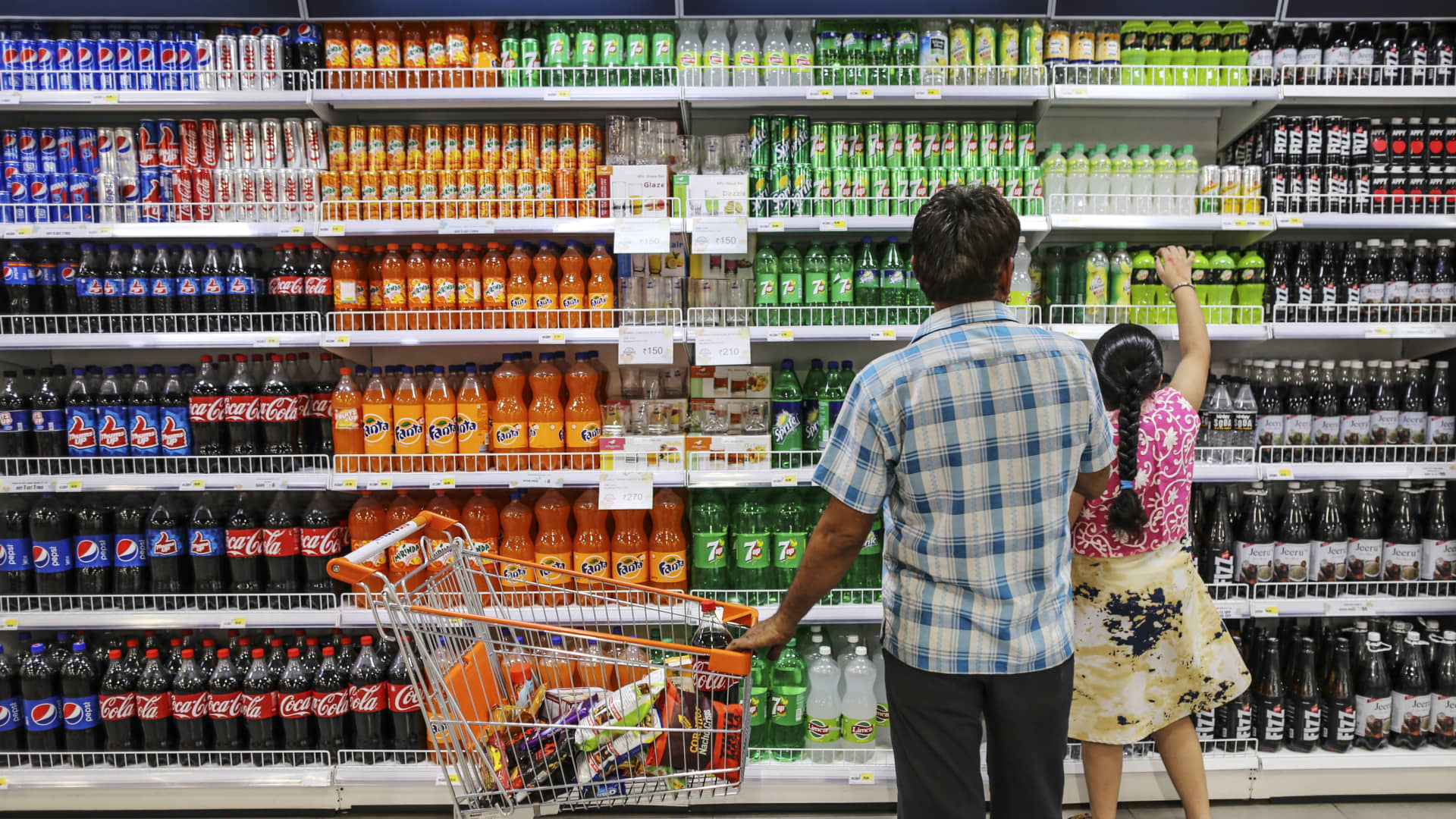
Social Media Influencers Transform India's Food and Beverage Market
- Health Beverage Transformation: PepsiCo reports that over 50% of its beverage portfolio in India consists of low- to no-sugar options, with plans to increase this to 90%, reflecting a significant shift towards healthier consumer preferences in the market.
- Consumer Awareness Rise: Social media influencers are urging consumers to read labels, leading brands like Dabur and Mondelez to reduce sugar content; Dabur has cut sugar by 21% in its juices by 2023 and aims for an additional 20% reduction, highlighting the strong demand for healthier products.
- Rise of D2C Brands: The growth of social media is facilitating the rise of direct-to-consumer brands in India, posing a threat to traditional companies that fail to adapt, as experts indicate this trend will be a crucial lever for future personal care and food brands.
- Strengthened Food Safety Regulations: India's food safety regulator has banned certain beverages from using
See More
Consumer Sentiment Hits Record Low Amid Rising Inflation
- Consumer Confidence Plummets: The Michigan Consumer Sentiment Index fell to 48.2 in May, the lowest since 1952, down from 49.8 in April, indicating a pessimistic outlook among consumers that could lead to reduced spending, negatively impacting corporate earnings and stock prices.
- Inflation Accelerates: The Consumer Price Index (CPI) rose to 3.8% in April, the highest in three years, primarily driven by soaring oil prices due to the Iran conflict, which is raising manufacturing and transportation costs, potentially forcing the Federal Reserve to raise interest rates and further dampening market sentiment.
- Domino Effect of Rate Hikes: Higher interest rates will increase borrowing costs for companies, limiting investment and expansion plans, which could slow profit growth and weaken demand for large purchases like homes and cars, increasing the risk of a stock market downturn.
- Valuation Pressure on Markets: The S&P 500 currently trades at a forward P/E ratio of 21, above the five-year average of 19.9, and while earnings are expected to grow by 21% in 2026, persistent low consumer sentiment and rising inflation could lead companies to miss earnings estimates, setting the stage for a significant market decline.
See More
US-India Relations Face New Challenges Amidst US-China Summit
- Tension in US-India Relations: The shift in the Trump administration's China policy has strained US-India relations, with experts noting India's concerns that the US may prioritize China as the main negotiating partner, thereby diminishing India's strategic role in the Indo-Pacific.
- Need for Enhanced Strategic Value: To counter potential marginalization, India must establish more tangible cooperation with the US in sectors such as defense, maritime security, and critical minerals, thereby enhancing its strategic value and ensuring its importance in US-China relations.
- Changes in Trade Policy: The Trump administration's trade policy has become more transactional, with a 25% penalty tariff imposed on India last year for allegedly profiting from cheap Russian oil, further deteriorating bilateral relations.
- Concerns Over G2 Concept: India's attention to the US-China summit has intensified, with fears that the so-called 'G2' concept may marginalize middle powers like India, impacting its voice and influence in international affairs.
See More
Amazon Launches New Business Credit Cards
- Dynamic Rewards System: Amazon's newly launched Prime Business Card offers Prime members 5% cash back on up to $150,000 in annual U.S. purchases, while non-members receive 3%, significantly enhancing customer value and loyalty in Amazon spending.
- Flexible Payment Options: The new cards allow users to split eligible Amazon purchases into fixed monthly payments at 0% APR for up to 12 months, aiding businesses in managing cash flow and reducing financial strain.
- Spending Management Tools: The built-in spending management capabilities enable businesses to track expenses in real-time, set spending limits, and establish approval rules, enhancing financial transparency and control to meet modern business needs.
- Global Acceptance and Security: The new cards are accepted at over 100 million locations worldwide, leveraging Mastercard's secure network and AI-driven fraud monitoring to ensure transaction safety, empowering businesses to pay confidently in a complex global marketplace.
See More
AI Companies' Strong Growth Fuels Market Confidence
- TSMC's Impressive Performance: Taiwan Semiconductor Manufacturing Company (TSMC) reported a 41% year-over-year revenue increase in Q1 2026, with gross margins rising to 66.2%, highlighting its strong growth in AI; the company projects a 35% revenue increase for Q2, solidifying its market leadership.
- Amazon's Cloud Services Surge: Amazon's Q1 results showed AWS achieving triple-digit revenue growth, with significant increases in customer spending on AI services, while its advertising business grew 24% year-over-year, indicating sustained competitiveness in the digital advertising market.
- Lemonade's Insurance Innovation: Lemonade's in-force premium rose 32% year-over-year, showcasing the appeal of its digital platform; despite ongoing losses, the company anticipates achieving positive EBITDA by year-end and net income next year, reflecting strong market potential.
- Market Confidence Rebounds: The strong performance of AI-related companies has boosted market confidence, with the S&P 500 rising 8%, as investors remain optimistic about the future growth prospects of these companies, particularly in technology and cloud computing investments.
See More
Taiwan Semiconductor Benefits from Massive Hyperscaler Spending
- TSMC Earnings Surge: In Q1 2026, Taiwan Semiconductor's revenue increased by 41% year-over-year, with gross margin rising to 66.2%, showcasing its strong growth in AI; the company projects a 35% revenue increase for Q2, further solidifying its market position.
- Amazon Cloud Services Growth: Amazon's Q1 report revealed triple-digit revenue growth in AWS, driven by customer demand for AI services, which is expected to continue attracting high-profile clients and enhancing its competitive edge in the cloud market.
- Lemonade Insurance Innovation: Lemonade's in-force premium grew by 32% year-over-year, with its digital platform and AI algorithms improving operational efficiency; despite ongoing losses, the company anticipates achieving positive EBITDA by year-end and net income next year, indicating significant market potential.
- Investment Opportunities Arise: Although TSMC was not listed among the best investment stocks by The Motley Fool, its ongoing growth in AI and rising market demand make it a focal point for investors, especially in the current market landscape.
See More
Social Media Influencers Transform India's Food and Beverage Market
- Health Beverage Transformation: PepsiCo reports that over 50% of its beverage portfolio in India consists of low- to no-sugar options, with plans to increase this to 90%, reflecting a significant shift towards healthier consumer preferences in the market.
- Consumer Awareness Rise: Social media influencers are urging consumers to read labels, leading brands like Dabur and Mondelez to reduce sugar content; Dabur has cut sugar by 21% in its juices by 2023 and aims for an additional 20% reduction, highlighting the strong demand for healthier products.
- Rise of D2C Brands: The growth of social media is facilitating the rise of direct-to-consumer brands in India, posing a threat to traditional companies that fail to adapt, as experts indicate this trend will be a crucial lever for future personal care and food brands.
- Strengthened Food Safety Regulations: India's food safety regulator has banned certain beverages from using
See More