Constellation Brands Faces Challenges and Opportunities Amid Changing Trends
Written by Emily J. Thompson, Senior Investment Analyst
Updated: Feb 26 2026
0mins
Should l Buy STZ?
Source: Fool
- Market Share Dynamics: Constellation Brands has seen steady market share gains in the U.S. since acquiring Modelo, Corona, and Pacifico in 2013, although recent trends show a 2.2% year-over-year decline in beer shipments and a 1% drop in net sales and operating income due to decreasing alcohol consumption among younger generations.
- Revenue Fluctuations: The company's revenue has fallen from a peak of nearly $10 billion in 2024 to $9.4 billion over the past 12 months, reflecting long-term changes in alcohol consumption trends, particularly as the percentage of U.S. drinkers has dropped to 54%, the lowest level on record.
- Attractive Stock Valuation: Despite the challenges of declining consumption, Constellation Brands' stock trades at just 11.6 times trailing operating earnings and offers a 2.56% dividend yield, making it appealing for contrarian investors, especially given the company's ongoing stock repurchase program.
- Long-Term Growth Potential: With continued market share gains and enhanced pricing power, Constellation Brands' earnings are expected to gradually recover over the next few years, suggesting that while short-term challenges exist, long-term holding could yield significant returns for investors.
Trade with 70% Backtested Accuracy
Stop guessing "Should I Buy STZ?" and start using high-conviction signals backed by rigorous historical data.
Sign up today to access powerful investing tools and make smarter, data-driven decisions.
Analyst Views on STZ
Wall Street analysts forecast STZ stock price to rise
15 Analyst Rating
7 Buy
7 Hold
1 Sell
Moderate Buy
Current: 151.090

Low
135.00
Averages
163.00
High
209.00
Current: 151.090
Low
135.00
Averages
163.00
High
209.00
About STZ
Constellation Brands, Inc. is a producer and marketer of beer, wine, and spirits with operations in the United States, Mexico, New Zealand, and Italy with brands, such as Corona Extra, Modelo Especial, Robert Mondavi Winery, Kim Crawford, The Prisoner Wine Company, High West, Casa Noble, and Mi CAMPO. Its segments include Beer, Wine and Spirits, and Corporate Operations and Other. In the Beer segment, its portfolio consists of high-end imported beer brands and ABAs. It has a perpetual brand license to produce its Mexican beer portfolio and to import, market, and sell such a portfolio in the United States. In the Wine and Spirits segment, it sells a portfolio that includes higher-end wine brands complemented by certain higher-end spirits brands. Its Corporate Operations and Other segment consists of costs of corporate development, corporate finance, corporate strategy, executive management, growth, human resources, internal audit, investor relations, IT, legal and public relations.
About the author

Emily J. Thompson
Emily J. Thompson, a Chartered Financial Analyst (CFA) with 12 years in investment research, graduated with honors from the Wharton School. Specializing in industrial and technology stocks, she provides in-depth analysis for Intellectia’s earnings and market brief reports.
Impact of Trump's Tariffs One Year Later


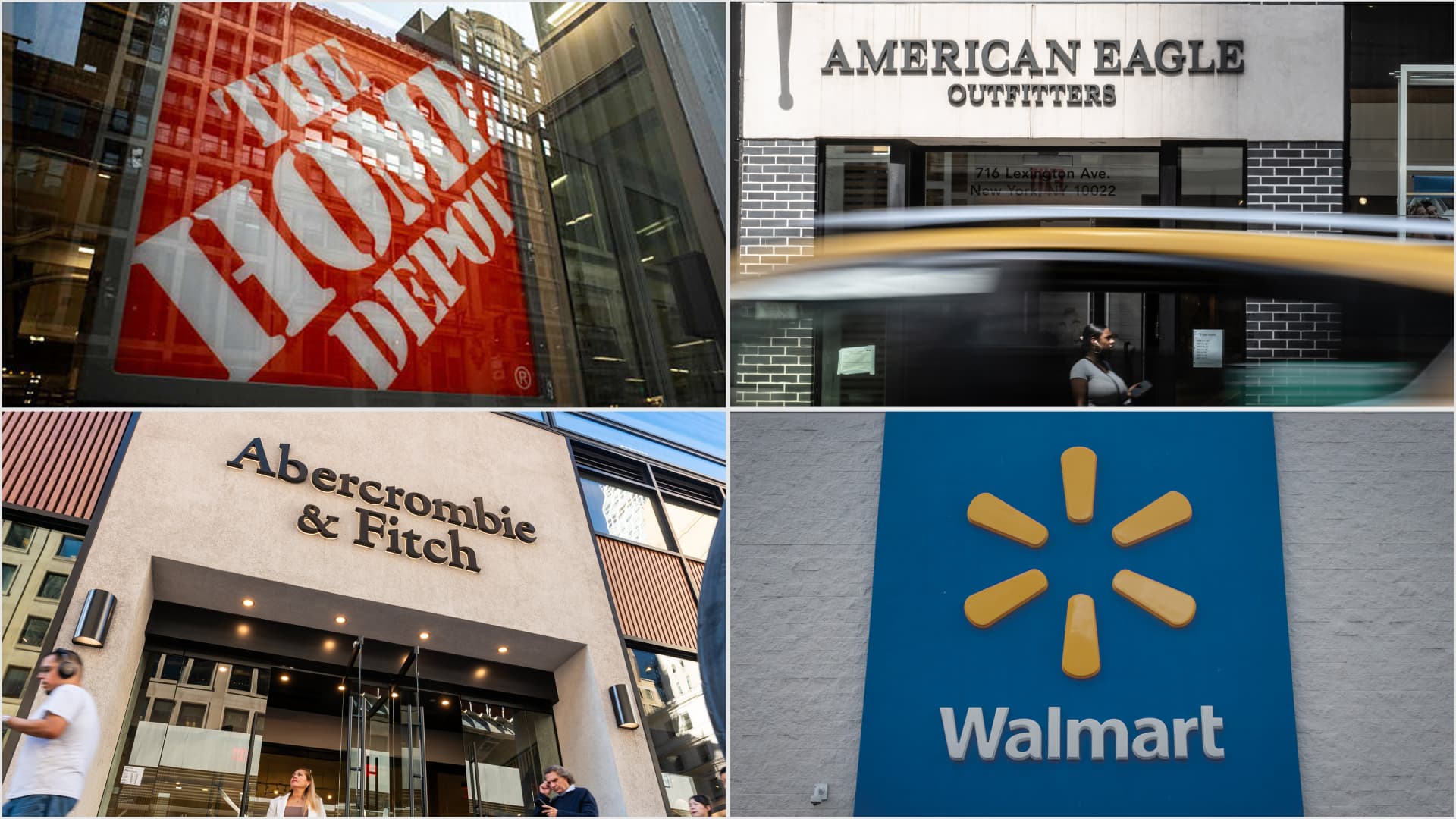
- Widespread Tariff Impact: Trump's tariff policies have placed significant economic pressure on U.S. businesses over the past year, with approximately 80% to 85% of costs absorbed by companies, leading to reduced profits and increased consumer prices, thereby exacerbating overall economic uncertainty.
- Retail Sector Adaptation: While large retailers like Walmart have emerged relatively unscathed, smaller businesses have been severely impacted, with Home Depot aiming to limit purchases from any single country to 10% to reduce dependency and enhance supply chain flexibility.
- Automotive Industry Cost Surge: Automakers such as General Motors and Toyota are facing tariff impacts estimated at up to $9.5 billion, and although the Trump administration has taken steps to alleviate overlapping tariffs, overall costs remain significant, forcing companies to reassess their supply chain strategies.
- Pharmaceutical Sector Stability: Pharmaceutical companies have secured three-year tariff exemptions through pricing agreements with Trump, although new tariffs impose 100% on companies that do not reach agreements, the overall industry is still striving to increase investments in U.S. manufacturing.
See More
Investors Optimistic as Market Stages Strong Comeback

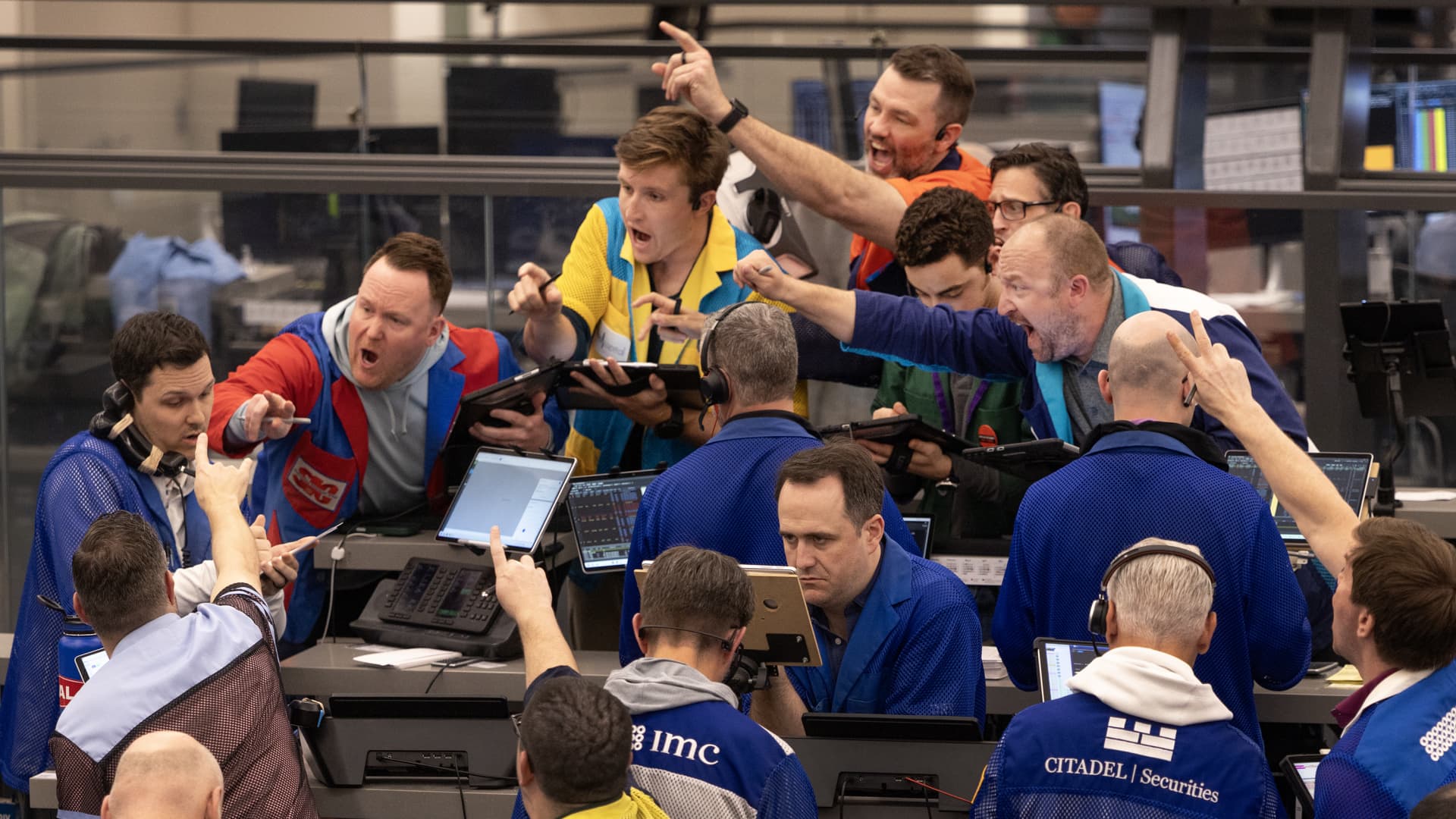
- Market Rebound Signal: The S&P 500 index rose 3.4% by the end of the holiday-shortened week, marking its best performance since May, indicating increased investor confidence in a market rebound despite fluctuations on Thursday.
- Oil Price Impact Analysis: With U.S. gasoline prices surpassing $4 per gallon, concerns about future inflation have intensified, particularly as the conflict in the Strait of Hormuz has driven up key commodity prices, and the upcoming consumer price index is expected to reflect the war's economic impact.
- Market Risk Warning: Despite the rebound, Siebert Financial's investment chief Mark Malek cautioned that current volatility is not over, advising investors to be cautious with short-term trades, especially during the holiday weekend when ground military actions could escalate.
- Future Data Outlook: Next week will bring significant economic data, including the March consumer price index, which is expected to jump from 2.4% to 3.1%, serving as the first key indicator to assess the war's impact, prompting market participants to closely monitor these figures to adjust their investment strategies.
See More
Market Volatility and Surge in Oil Prices


- Surge in Oil Prices: President Trump's address indicated a hardline U.S. stance on Iran, causing WTI crude prices to exceed $110 per barrel, reflecting market concerns over Middle Eastern tensions that could impact global economic recovery.
- Brief Market Rebound: Despite rising oil prices, stocks briefly turned positive due to reports of Iran drafting a plan with Oman to monitor the Strait of Hormuz, yet this rebound was short-lived, highlighting the fragility of market sentiment.
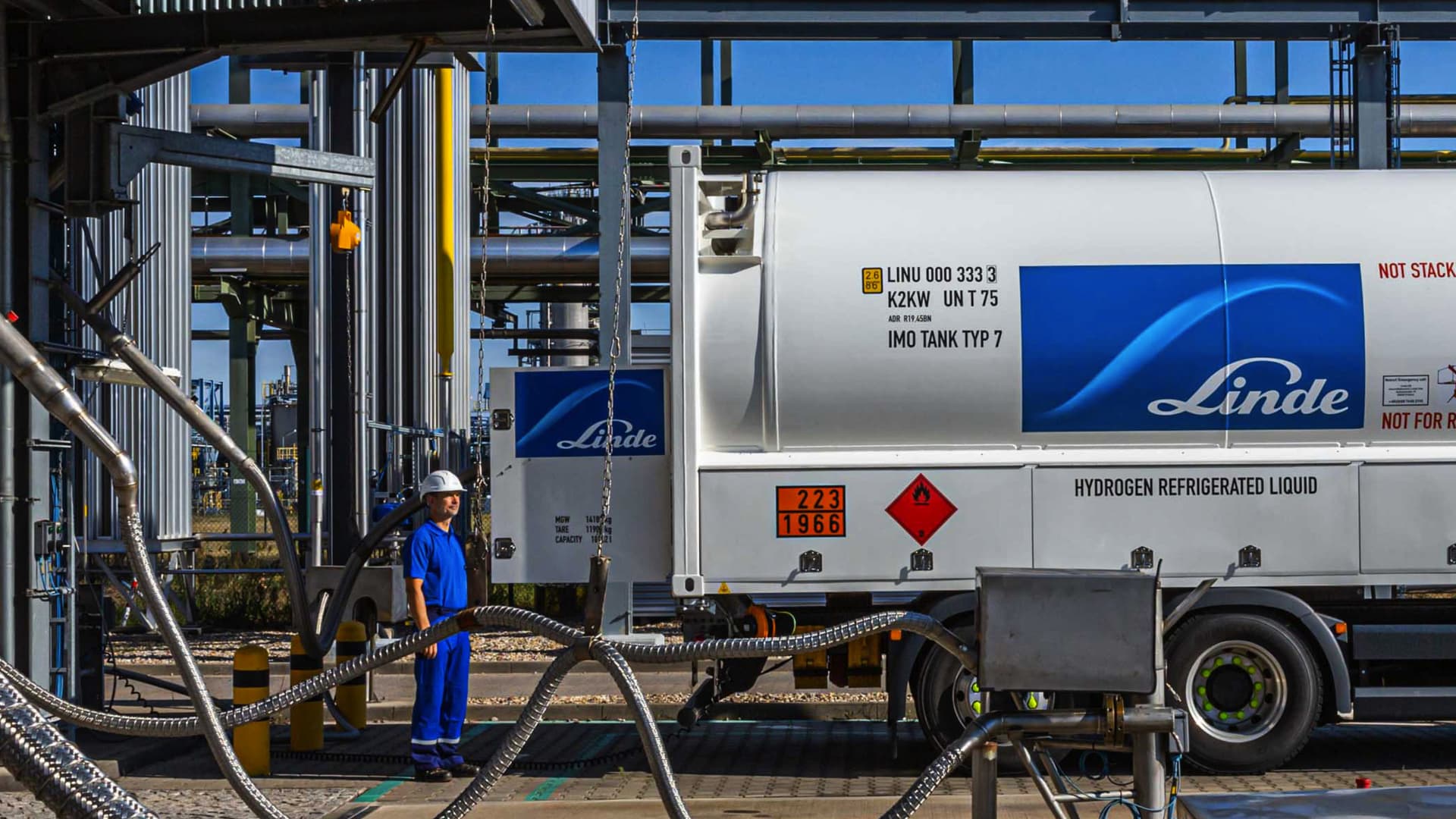
- Helium Supply Chain Disruption: The Wall Street Journal noted that the war has disrupted helium supply chains in Qatar, with Linde and Air Products identified as beneficiaries, although Linde faces challenges due to its smaller helium revenue share compared to Air Products.
- Upcoming Economic Data: While the stock market is closed for Good Friday, attention will turn to the March jobs report, with economists predicting an addition of 60,000 jobs and an unchanged unemployment rate of 4.4%, which will influence market expectations for economic recovery.
See More

Rising Rates Increasing Pressure on Stocks

- Impact of Rising Rates: As interest rates continue to rise, stocks are facing increasing pressure, particularly in the context of a month-long conflict that heightens inflation concerns, which may lead strategists to lower year-end targets.
- Strong Stock Recommendations: Experts suggest holding stocks with strong company-specific strengths during volatility, particularly those with high return on equity and solid earnings per share growth, to navigate market uncertainties.
- ROE Growth Rankings: Vertiv Holdings Co (VRT) leads the list with an impressive year-over-year ROE growth of 87.59%, followed closely by AT&T Inc. (T) and Analog Devices, Inc. (ADI), showcasing these companies' robust performance in the current economic climate.
- Diverse Industry Performance: The top ten stocks span various industries including electrical components, telecommunications, semiconductors, and data center REITs, indicating that strong financial performance is evident across different sectors, reflecting market diversity and potential opportunities.
See More

Market Volatility and Amazon's Acquisition Talks


- Market Volatility: Stocks experienced significant declines at the open on Thursday due to President Trump's hawkish remarks on the Iran war, which raised concerns and caused oil prices to surge; however, news of Iran working with Oman on a shipping protocol eased oil price pressures, allowing the S&P 500 to briefly trade higher, reflecting the market's high uncertainty.
- Amazon Acquisition Talks: Amazon is in negotiations to acquire satellite company Globalstar to advance its internet-from-space service, Leo, having launched about 200 low Earth orbit satellites despite competition from SpaceX's Starlink, which has over 10,000 satellites; this move is expected to enhance rural internet access and make Prime membership more attractive.
- Microsoft's AI Investment Lag: A profile on Microsoft CFO Amy Mood highlighted the company's conservative approach to AI spending, which has led to a competitive disadvantage, with the stock down 23% year-to-date; nevertheless, analysts remain optimistic about management's ability to address these challenges, maintaining a $600 price target.
- Rapid Stock Review: Stocks mentioned in Thursday's rapid-fire segment included Brinker, Texas Roadhouse, and Constellation Brands, indicating a focus on diversified investment strategies while emphasizing Jim Cramer's long-term holding approach in specific stocks within his charitable trust.
See More

Evercore ISI Adds STZ to Tactical Action Positioning List
- Short-Term Investment Opportunity: Evercore ISI has added Constellation Brands (STZ) to its Tactical Action & Positioning List, indicating that the company presents potential trading opportunities in the near term, with analysts highlighting the upcoming earnings report as a key catalyst.
- Earnings Report Significance: Analyst Robert Ottenstein emphasizes the importance of Constellation Brands' earnings release and conference call on April 8, noting that despite challenges from macro volatility and a CEO change, the company is expected to provide positive responses to critical issues, thereby boosting market confidence.
- Attractive Valuation: Ottenstein believes that Constellation Brands' current valuation adequately discounts downside risks, and assuming the business has bottomed out, there remains room for upside appreciation, showcasing its investment appeal.
- Dividend Yield: Constellation Brands' shares closed at $151.09 on Wednesday, with a 52-week range of $126.45 to $196.91, offering a 4.1% dividend yield for new buyers, further enhancing its attractiveness as an investment target.
See More
Impact of Trump's Tariffs One Year Later
- Widespread Tariff Impact: Trump's tariff policies have placed significant economic pressure on U.S. businesses over the past year, with approximately 80% to 85% of costs absorbed by companies, leading to reduced profits and increased consumer prices, thereby exacerbating overall economic uncertainty.
- Retail Sector Adaptation: While large retailers like Walmart have emerged relatively unscathed, smaller businesses have been severely impacted, with Home Depot aiming to limit purchases from any single country to 10% to reduce dependency and enhance supply chain flexibility.
- Automotive Industry Cost Surge: Automakers such as General Motors and Toyota are facing tariff impacts estimated at up to $9.5 billion, and although the Trump administration has taken steps to alleviate overlapping tariffs, overall costs remain significant, forcing companies to reassess their supply chain strategies.
- Pharmaceutical Sector Stability: Pharmaceutical companies have secured three-year tariff exemptions through pricing agreements with Trump, although new tariffs impose 100% on companies that do not reach agreements, the overall industry is still striving to increase investments in U.S. manufacturing.
See More
Investors Optimistic as Market Stages Strong Comeback
- Market Rebound Signal: The S&P 500 index rose 3.4% by the end of the holiday-shortened week, marking its best performance since May, indicating increased investor confidence in a market rebound despite fluctuations on Thursday.
- Oil Price Impact Analysis: With U.S. gasoline prices surpassing $4 per gallon, concerns about future inflation have intensified, particularly as the conflict in the Strait of Hormuz has driven up key commodity prices, and the upcoming consumer price index is expected to reflect the war's economic impact.
- Market Risk Warning: Despite the rebound, Siebert Financial's investment chief Mark Malek cautioned that current volatility is not over, advising investors to be cautious with short-term trades, especially during the holiday weekend when ground military actions could escalate.
- Future Data Outlook: Next week will bring significant economic data, including the March consumer price index, which is expected to jump from 2.4% to 3.1%, serving as the first key indicator to assess the war's impact, prompting market participants to closely monitor these figures to adjust their investment strategies.
See More
Market Volatility and Surge in Oil Prices
- Surge in Oil Prices: President Trump's address indicated a hardline U.S. stance on Iran, causing WTI crude prices to exceed $110 per barrel, reflecting market concerns over Middle Eastern tensions that could impact global economic recovery.
- Brief Market Rebound: Despite rising oil prices, stocks briefly turned positive due to reports of Iran drafting a plan with Oman to monitor the Strait of Hormuz, yet this rebound was short-lived, highlighting the fragility of market sentiment.
- Helium Supply Chain Disruption: The Wall Street Journal noted that the war has disrupted helium supply chains in Qatar, with Linde and Air Products identified as beneficiaries, although Linde faces challenges due to its smaller helium revenue share compared to Air Products.
- Upcoming Economic Data: While the stock market is closed for Good Friday, attention will turn to the March jobs report, with economists predicting an addition of 60,000 jobs and an unchanged unemployment rate of 4.4%, which will influence market expectations for economic recovery.
See More
Rising Rates Increasing Pressure on Stocks
- Impact of Rising Rates: As interest rates continue to rise, stocks are facing increasing pressure, particularly in the context of a month-long conflict that heightens inflation concerns, which may lead strategists to lower year-end targets.
- Strong Stock Recommendations: Experts suggest holding stocks with strong company-specific strengths during volatility, particularly those with high return on equity and solid earnings per share growth, to navigate market uncertainties.
- ROE Growth Rankings: Vertiv Holdings Co (VRT) leads the list with an impressive year-over-year ROE growth of 87.59%, followed closely by AT&T Inc. (T) and Analog Devices, Inc. (ADI), showcasing these companies' robust performance in the current economic climate.
- Diverse Industry Performance: The top ten stocks span various industries including electrical components, telecommunications, semiconductors, and data center REITs, indicating that strong financial performance is evident across different sectors, reflecting market diversity and potential opportunities.
See More
Market Volatility and Amazon's Acquisition Talks
- Market Volatility: Stocks experienced significant declines at the open on Thursday due to President Trump's hawkish remarks on the Iran war, which raised concerns and caused oil prices to surge; however, news of Iran working with Oman on a shipping protocol eased oil price pressures, allowing the S&P 500 to briefly trade higher, reflecting the market's high uncertainty.
- Amazon Acquisition Talks: Amazon is in negotiations to acquire satellite company Globalstar to advance its internet-from-space service, Leo, having launched about 200 low Earth orbit satellites despite competition from SpaceX's Starlink, which has over 10,000 satellites; this move is expected to enhance rural internet access and make Prime membership more attractive.
- Microsoft's AI Investment Lag: A profile on Microsoft CFO Amy Mood highlighted the company's conservative approach to AI spending, which has led to a competitive disadvantage, with the stock down 23% year-to-date; nevertheless, analysts remain optimistic about management's ability to address these challenges, maintaining a $600 price target.
- Rapid Stock Review: Stocks mentioned in Thursday's rapid-fire segment included Brinker, Texas Roadhouse, and Constellation Brands, indicating a focus on diversified investment strategies while emphasizing Jim Cramer's long-term holding approach in specific stocks within his charitable trust.
See More
Evercore ISI Adds STZ to Tactical Action Positioning List
- Short-Term Investment Opportunity: Evercore ISI has added Constellation Brands (STZ) to its Tactical Action & Positioning List, indicating that the company presents potential trading opportunities in the near term, with analysts highlighting the upcoming earnings report as a key catalyst.
- Earnings Report Significance: Analyst Robert Ottenstein emphasizes the importance of Constellation Brands' earnings release and conference call on April 8, noting that despite challenges from macro volatility and a CEO change, the company is expected to provide positive responses to critical issues, thereby boosting market confidence.
- Attractive Valuation: Ottenstein believes that Constellation Brands' current valuation adequately discounts downside risks, and assuming the business has bottomed out, there remains room for upside appreciation, showcasing its investment appeal.
- Dividend Yield: Constellation Brands' shares closed at $151.09 on Wednesday, with a 52-week range of $126.45 to $196.91, offering a 4.1% dividend yield for new buyers, further enhancing its attractiveness as an investment target.
See More