

Comparative Analysis of ServiceNow and Salesforce
Written by Emily J. Thompson, Senior Investment Analyst
Updated: 5 days ago
0mins

Source: NASDAQ.COM
- Revenue Growth Comparison: In Q1 2026, ServiceNow's total revenue grew 22% year-over-year to $3.77 billion, while Salesforce's revenue increased by 13% to $11.1 billion, indicating ServiceNow's stronger competitive position in a rapidly growing market.
- Surge in AI Tool Demand: ServiceNow's Now Assist generative AI product saw the number of customers spending over $1 million annually increase by more than 130% year-over-year, suggesting a rapid rise in enterprise demand for its AI solutions, which could drive future revenue growth.
- Outstanding Cash Flow Performance: ServiceNow reported approximately $1.67 billion in free cash flow for the quarter, achieving a 44% free cash flow margin, demonstrating its strong ability to convert revenue into cash and enhancing financial stability.
- Significant Valuation Discrepancy: Although ServiceNow's price-to-earnings ratio stands at about 67, significantly higher than Salesforce's 22, its rapid growth and robust cash flow make it more attractive to investors, despite the risks associated with its high valuation.
Trade with 70% Backtested Accuracy
Stop guessing "Should I Buy NOW?" and start using high-conviction signals backed by rigorous historical data.
Sign up today to access powerful investing tools and make smarter, data-driven decisions.
Analyst Views on NOW
Wall Street analysts forecast NOW stock price to rise
32 Analyst Rating
30 Buy
2 Hold
0 Sell
Strong Buy
Current: 106.060

Low
172.00
Averages
222.81
High
263.00
Current: 106.060
Low
172.00
Averages
222.81
High
263.00
About NOW
ServiceNow, Inc. provides an artificial intelligence (AI) platform for business transformation. The Company’s AI platform connects people, processes, data, and devices to increase productivity and maximize business outcomes. Its intelligent platform, the Now Platform, is a cloud-based solution that helps enterprises and organizations across public and private sectors digitize workflows. The workflow applications built on the Now Platform are organized into four primary areas: Technology, CRM and Industry, Core Business and Creator. Its products include IT Service Management, IT Operations Management, HR Service Delivery, ServiceNow AI Agents, AI Experience, Build Agent, ServiceNow AI Control Tower, AI Agent Fabric, RaptorDB, Workflow Data Fabric, Workplace Service Delivery, ServiceNow Platform Encryption, Telecommunications Service Operations Management, and others. The Company also offers identity security, helping organizations secure access across the enterprise.
About the author

Emily J. Thompson
Emily J. Thompson, a Chartered Financial Analyst (CFA) with 12 years in investment research, graduated with honors from the Wharton School. Specializing in industrial and technology stocks, she provides in-depth analysis for Intellectia’s earnings and market brief reports.

Microsoft Shares Drop Amid Restructuring and AI Concerns


- Stock Price Decline: Microsoft shares fell 1.77% to close at $390.34, primarily driven by Xbox restructuring news and sector-wide AI spending concerns, reflecting investor caution regarding the company's future growth prospects.
- Surge in Trading Volume: The trading volume reached 46.2 million shares, approximately 33% above the three-month average of 34.7 million shares, indicating a significant increase in market interest in Microsoft stock.
- AI Business Performance: Despite concerns over Xbox restructuring and doubts about cloud investment returns, Microsoft's AI business now generates over $37 billion annually, showcasing strong growth potential in Azure and other cloud services.
- Future Growth Outlook: Upcoming earnings reports will reveal whether demand for Azure and the adoption of Microsoft 365 Copilot can sustain revenue growth, thereby supporting the expansion of data centers.
See More

US Stocks Surge as Geopolitical Risks Ease


- Market Rebound: The S&P 500 rose 1.75%, the Dow Jones increased by 1.86%, and the Nasdaq 100 surged 3.29% as President Trump canceled military strikes on Iran, indicating a positive market response to easing geopolitical tensions.
- Chip Stocks Lead Gains: AI-related stocks drove chipmakers like Sandisk up over 14% and KLA Corp up over 13%, reflecting ongoing confidence in AI spending, which may further boost growth in the tech sector.
- Airline Stocks Benefit: With WTI crude oil prices falling more than 2%, airline stocks such as Alaska Air Group rose over 11%, and United Airlines and American Airlines increased over 9%, suggesting that lower fuel costs will enhance profitability prospects for these companies.
- Software Stocks Under Pressure: Oracle's stock fell over 8% due to higher-than-expected capital expenditures projected at $70 billion, exceeding market expectations by $20-25 billion, indicating concerns in the software sector that could impact overall tech stock performance.
See More
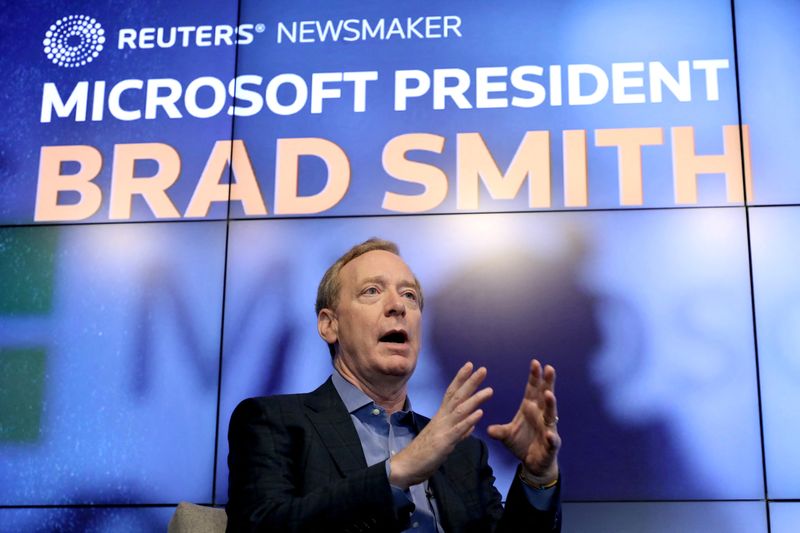
Microsoft Stock Declines Amid Restructuring News
- Stock Fluctuation: Microsoft closed at $390.34 on Thursday, down 1.77%, primarily influenced by Xbox restructuring news and sector-wide AI spending concerns, indicating market caution regarding the company's future growth prospects.
- Surge in Trading Volume: The trading volume reached 46.2 million shares, approximately 33% above the three-month average of 34.7 million shares, reflecting increased investor attention on Microsoft despite the stock decline.
- AI Business Growth: Microsoft's AI business now generates over $37 billion annually, and despite pressures from Xbox layoffs and budget cuts, strong growth in cloud services and Azure continues to support the company.
- Market Environment Impact: Concerns over Oracle's poor cloud performance have raised doubts about the returns on large cloud infrastructure investments, further intensifying worries about Microsoft's future profitability.
See More

US Stocks Edge Up as Software Stocks Weaken


- Market Performance: The S&P 500 Index rose by 0.03%, the Dow Jones Industrial Average increased by 0.42%, and the Nasdaq 100 Index gained 0.37%, indicating a market recovery driven by chipmakers and AI-related stocks, despite weakness in software stocks.
- Software Stock Pressure: Oracle's stock plummeted over 11% due to higher-than-expected capital expenditures, forecasting full-year spending of $70 billion, which is $20-25 billion above market expectations, thereby limiting overall market gains.
- Economic Data Impact: Weekly US jobless claims unexpectedly rose to 229,000, marking a four-month high and indicating a weaker labor market, while the May Producer Price Index increased by 6.5% year-on-year, the largest gain in 3.5 years, highlighting ongoing inflationary pressures.
- Geopolitical Risks: Oil prices experienced heightened volatility as President Trump threatened more aggressive actions against Iran, raising concerns about Middle East tensions that could impact global energy supplies and increase market uncertainty.
See More

US Stocks Edge Up Amid Oil Price Volatility and Economic Reports
- Market Performance: The S&P 500 Index rose by 0.20%, the Dow Jones Industrial Average increased by 0.43%, and the Nasdaq 100 Index gained 0.53%, indicating a market recovery driven by chipmakers and AI-related stocks, despite Oracle's stock plummeting over 10% due to higher-than-expected capital expenditures.
- Economic Data Impact: Weekly US jobless claims unexpectedly rose to 229,000, a four-month high, reflecting a weaker labor market, while the May Producer Price Index increased by 6.5% year-over-year, surpassing expectations, suggesting persistent inflationary pressures that may influence Federal Reserve policy decisions.
- Oil Price Volatility: WTI crude oil prices exhibited extreme volatility as President Trump threatened continued attacks on Iran and control over the Kharg Island oil terminal, leading to heightened concerns about global energy supply, with prices rallying more than 1% at one point.
- International Market Dynamics: European stock markets showed mixed results, with the Euro Stoxx 50 up 0.41% and China's Shanghai Composite down 0.16%, reflecting global market sensitivity to geopolitical tensions that could impact investor confidence.
See More

IBM and ServiceNow Collaborate to Enhance Data Governance


- Collaboration Background: IBM and ServiceNow are partnering to assist enterprises in data governance, modernizing legacy systems, and applying AI in core business operations, leveraging their technological strengths to drive digital transformation.
- Solution Development: The companies will jointly deliver solutions that modernize aging systems and extend ServiceNow's Workflow Data Fabric with IBM's enterprise data capabilities, expected to be available in the second half of 2026, facilitating autonomous IT operations for enterprises.
- Technology Integration: IBM provides the tools to modernize systems while ServiceNow offers the platform to utilize data across every business workflow, thereby helping enterprises transition from AI ambitions to scalable real-world outcomes.
- Key Focus Areas: This collaboration will concentrate on three key areas: application modernization, enterprise data governance, and autonomous infrastructure operations, aiming to create new solutions for customers and drive practical applications of AI in enterprises.
See More
Microsoft Shares Drop Amid Restructuring and AI Concerns
- Stock Price Decline: Microsoft shares fell 1.77% to close at $390.34, primarily driven by Xbox restructuring news and sector-wide AI spending concerns, reflecting investor caution regarding the company's future growth prospects.
- Surge in Trading Volume: The trading volume reached 46.2 million shares, approximately 33% above the three-month average of 34.7 million shares, indicating a significant increase in market interest in Microsoft stock.
- AI Business Performance: Despite concerns over Xbox restructuring and doubts about cloud investment returns, Microsoft's AI business now generates over $37 billion annually, showcasing strong growth potential in Azure and other cloud services.
- Future Growth Outlook: Upcoming earnings reports will reveal whether demand for Azure and the adoption of Microsoft 365 Copilot can sustain revenue growth, thereby supporting the expansion of data centers.
See More
US Stocks Surge as Geopolitical Risks Ease
- Market Rebound: The S&P 500 rose 1.75%, the Dow Jones increased by 1.86%, and the Nasdaq 100 surged 3.29% as President Trump canceled military strikes on Iran, indicating a positive market response to easing geopolitical tensions.
- Chip Stocks Lead Gains: AI-related stocks drove chipmakers like Sandisk up over 14% and KLA Corp up over 13%, reflecting ongoing confidence in AI spending, which may further boost growth in the tech sector.
- Airline Stocks Benefit: With WTI crude oil prices falling more than 2%, airline stocks such as Alaska Air Group rose over 11%, and United Airlines and American Airlines increased over 9%, suggesting that lower fuel costs will enhance profitability prospects for these companies.
- Software Stocks Under Pressure: Oracle's stock fell over 8% due to higher-than-expected capital expenditures projected at $70 billion, exceeding market expectations by $20-25 billion, indicating concerns in the software sector that could impact overall tech stock performance.
See More
Microsoft Stock Declines Amid Restructuring News
- Stock Fluctuation: Microsoft closed at $390.34 on Thursday, down 1.77%, primarily influenced by Xbox restructuring news and sector-wide AI spending concerns, indicating market caution regarding the company's future growth prospects.
- Surge in Trading Volume: The trading volume reached 46.2 million shares, approximately 33% above the three-month average of 34.7 million shares, reflecting increased investor attention on Microsoft despite the stock decline.
- AI Business Growth: Microsoft's AI business now generates over $37 billion annually, and despite pressures from Xbox layoffs and budget cuts, strong growth in cloud services and Azure continues to support the company.
- Market Environment Impact: Concerns over Oracle's poor cloud performance have raised doubts about the returns on large cloud infrastructure investments, further intensifying worries about Microsoft's future profitability.
See More
US Stocks Edge Up as Software Stocks Weaken
- Market Performance: The S&P 500 Index rose by 0.03%, the Dow Jones Industrial Average increased by 0.42%, and the Nasdaq 100 Index gained 0.37%, indicating a market recovery driven by chipmakers and AI-related stocks, despite weakness in software stocks.
- Software Stock Pressure: Oracle's stock plummeted over 11% due to higher-than-expected capital expenditures, forecasting full-year spending of $70 billion, which is $20-25 billion above market expectations, thereby limiting overall market gains.
- Economic Data Impact: Weekly US jobless claims unexpectedly rose to 229,000, marking a four-month high and indicating a weaker labor market, while the May Producer Price Index increased by 6.5% year-on-year, the largest gain in 3.5 years, highlighting ongoing inflationary pressures.
- Geopolitical Risks: Oil prices experienced heightened volatility as President Trump threatened more aggressive actions against Iran, raising concerns about Middle East tensions that could impact global energy supplies and increase market uncertainty.
See More
US Stocks Edge Up Amid Oil Price Volatility and Economic Reports
- Market Performance: The S&P 500 Index rose by 0.20%, the Dow Jones Industrial Average increased by 0.43%, and the Nasdaq 100 Index gained 0.53%, indicating a market recovery driven by chipmakers and AI-related stocks, despite Oracle's stock plummeting over 10% due to higher-than-expected capital expenditures.
- Economic Data Impact: Weekly US jobless claims unexpectedly rose to 229,000, a four-month high, reflecting a weaker labor market, while the May Producer Price Index increased by 6.5% year-over-year, surpassing expectations, suggesting persistent inflationary pressures that may influence Federal Reserve policy decisions.
- Oil Price Volatility: WTI crude oil prices exhibited extreme volatility as President Trump threatened continued attacks on Iran and control over the Kharg Island oil terminal, leading to heightened concerns about global energy supply, with prices rallying more than 1% at one point.
- International Market Dynamics: European stock markets showed mixed results, with the Euro Stoxx 50 up 0.41% and China's Shanghai Composite down 0.16%, reflecting global market sensitivity to geopolitical tensions that could impact investor confidence.
See More
IBM and ServiceNow Collaborate to Enhance Data Governance
- Collaboration Background: IBM and ServiceNow are partnering to assist enterprises in data governance, modernizing legacy systems, and applying AI in core business operations, leveraging their technological strengths to drive digital transformation.
- Solution Development: The companies will jointly deliver solutions that modernize aging systems and extend ServiceNow's Workflow Data Fabric with IBM's enterprise data capabilities, expected to be available in the second half of 2026, facilitating autonomous IT operations for enterprises.
- Technology Integration: IBM provides the tools to modernize systems while ServiceNow offers the platform to utilize data across every business workflow, thereby helping enterprises transition from AI ambitions to scalable real-world outcomes.
- Key Focus Areas: This collaboration will concentrate on three key areas: application modernization, enterprise data governance, and autonomous infrastructure operations, aiming to create new solutions for customers and drive practical applications of AI in enterprises.
See More





