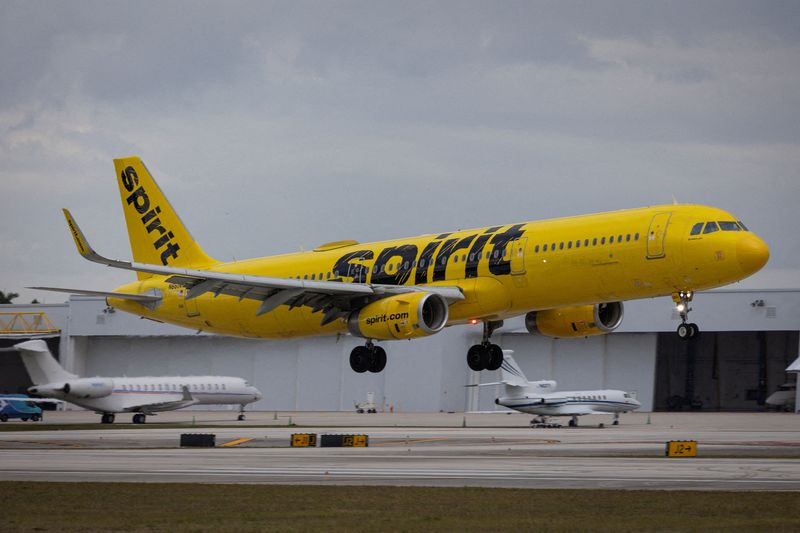
Company Expects Total Liquidity of $900M-$950M by Q2 2026
The company said, "Q2 adjusted diluted per share guidance, as noted below, reflects significant progress anticipated across key commercial initiatives on higher average aircraft utilization underpinned by moderating competitive capacity, with significantly elevated jet fuel prices impacting expected results. RASM and RASM, stage-length adjusted to 1,000 miles, are expected to be up over 20 percent and high-teens on a percentage basis, respectively, compared to the corresponding 2025 quarter. Having ended the Q1 with $974M of total liquidity, the Company expects total liquidity at the end the second quarter of 2026 in the range of $900M-$950M, bolstered by internal liquidity measures, including fleet-related activity and advanced discussions associated with an extension of the Company's co-brand credit card agreement."
Trade with 70% Backtested Accuracy
Analyst Views on ULCC

About ULCC
About the author

Frontier Group Q1 Earnings Announcement Scheduled

- Earnings Announcement Date: Frontier Group is set to announce its Q1 earnings on May 5th before market open, with a consensus EPS estimate of -$0.36, reflecting a significant year-over-year decline of 89.5%, indicating substantial profitability challenges for the company.
- Revenue Growth Expectations: Despite the weak EPS outlook, the revenue estimate stands at $1.05 billion, representing a 15.1% year-over-year increase, suggesting that the company may still capitalize on recovering market demand to drive top-line growth.
- Historical Performance Review: Over the past two years, Frontier has beaten EPS estimates 75% of the time and revenue estimates 38% of the time, highlighting the volatility in its earnings performance and adaptability to market conditions.
- Estimate Revision Dynamics: In the last three months, EPS estimates have seen 2 upward revisions and 6 downward revisions, while revenue estimates have experienced 7 upward revisions with no downward adjustments, reflecting market uncertainty and divergence regarding Frontier's future performance.

Frontier Airlines Expects Revenue Boost from Spirit Airlines Collapse

- Market Share Increase: The collapse of Spirit Airlines has instantly removed its market capacity, leading Frontier Airlines to anticipate a 3% to 5% uplift in revenue per available seat mile, significantly enhancing its competitive position in the airline industry.
- Optimistic Financial Outlook: Frontier expects unit revenue to rise over 20% in the second quarter, driven by strong demand and reduced competition, showcasing the company's robust recovery capabilities in the market.
- Stock Price Surge: Following the release of its first-quarter results, Frontier's shares rose more than 6% in afternoon trading, indicating increased investor confidence in its future growth prospects.
- Strategic Restructuring Impact: Frontier had previously planned to merge with Spirit Airlines, but the deal was thwarted by JetBlue's cash offer; Spirit's collapse now provides Frontier with an opportunity to reassess its market strategy.
Frontier Airlines Anticipates Revenue Boost from Spirit Airlines' Collapse
- Revenue Growth Expectation: Frontier Airlines anticipates a 3% to 5% uplift in revenue per available seat mile due to Spirit Airlines' collapse, which removes competitive pressure from the market.
- Market Overlap Analysis: Prior to its shutdown, Spirit Airlines had a 35% overlap in seat capacity with Frontier, indicating a direct benefit for Frontier as it captures Spirit's market share.
- Quarterly Performance: Following the release of its quarterly results, Frontier's shares surged over 6%, reflecting strong market confidence, with expectations of more than a 20% increase in unit revenue for the second quarter.
- Changing Competitive Landscape: With Spirit's exit, Frontier and other airlines like JetBlue are actively expanding routes, further solidifying their market positions, particularly in Florida, where Spirit was previously based.
Frontier Group Reports Wider Q1 Loss Due to Rising Jet Fuel Prices
- Wider Loss: Frontier Group reported an adjusted loss per share of 30 cents for Q1, widening from 19 cents a year earlier, indicating a significant decline in profitability under cost pressures.
- Impact of Rising Fuel Prices: The surge in jet fuel prices has eroded Frontier's margins, leading to poor overall financial performance and highlighting the airline industry's high sensitivity to fuel cost fluctuations.
- Market Environment Challenges: In the highly competitive low-cost airline market, Frontier faces ongoing operational challenges, particularly against the backdrop of rising fuel prices, which may affect its future pricing strategies and market share.
- Financial Health Risks: As losses deepen, concerns about Frontier's financial health arise, potentially leading investors to question its long-term profitability, which could impact stock performance and financing capabilities.
Frontier Group Q1 2026 Earnings Analysis
- Non-GAAP EPS: Frontier Group reported a Q1 2026 non-GAAP EPS of -$0.30, beating expectations by $0.06, indicating the company's ability to maintain some profitability amidst challenges.
- Revenue Performance: Total revenue reached $992 million, an 8.8% year-over-year increase, yet it missed market expectations by $58 million, reflecting ongoing challenges in the competitive airline market.
- Record Adjusted Revenue: Adjusted revenue nearly hit $1.1 billion, marking an all-time company record, with a 17% increase despite a 1% decrease in capacity compared to Q1 2025, showcasing significant operational optimization.
- Future Outlook: The company did not provide specific guidance for the full year 2026, but anticipates capacity growth of 6% to 8% in Q2, reflecting a cautiously optimistic stance on market recovery.

Market Dynamics and Outlook for US Stocks

- Market Volatility: The Dow Industrials dropped over 550 points, reflecting market concerns about economic outlook, particularly as major companies like Pfizer and DuPont continue to see declines, which may erode investor confidence.
- Pfizer Stock Performance: Pfizer has lost 1.8% over the past three months and is down 8.5% from its April high, indicating that the pressures faced by the company could impact its future profitability and investor sentiment.
- AMD Earnings Forecast: AMD is set to report earnings on Tuesday, with its stock gaining 70% over the past three months and 57% in the last month, yet it has dropped 6% from its record high, highlighting the market's keen interest and expected volatility around its performance.
- South Korean Market Surge: South Korea's stock market hit another new high on Monday, with the iShares MSCI South Korea ETF surging 183% over the past year, indicating a robust economic recovery that may attract more international investors.
Frontier Group Q1 Earnings Announcement Scheduled
- Earnings Announcement Date: Frontier Group is set to announce its Q1 earnings on May 5th before market open, with a consensus EPS estimate of -$0.36, reflecting a significant year-over-year decline of 89.5%, indicating substantial profitability challenges for the company.
- Revenue Growth Expectations: Despite the weak EPS outlook, the revenue estimate stands at $1.05 billion, representing a 15.1% year-over-year increase, suggesting that the company may still capitalize on recovering market demand to drive top-line growth.
- Historical Performance Review: Over the past two years, Frontier has beaten EPS estimates 75% of the time and revenue estimates 38% of the time, highlighting the volatility in its earnings performance and adaptability to market conditions.
- Estimate Revision Dynamics: In the last three months, EPS estimates have seen 2 upward revisions and 6 downward revisions, while revenue estimates have experienced 7 upward revisions with no downward adjustments, reflecting market uncertainty and divergence regarding Frontier's future performance.
Frontier Airlines Expects Revenue Boost from Spirit Airlines Collapse
- Market Share Increase: The collapse of Spirit Airlines has instantly removed its market capacity, leading Frontier Airlines to anticipate a 3% to 5% uplift in revenue per available seat mile, significantly enhancing its competitive position in the airline industry.
- Optimistic Financial Outlook: Frontier expects unit revenue to rise over 20% in the second quarter, driven by strong demand and reduced competition, showcasing the company's robust recovery capabilities in the market.
- Stock Price Surge: Following the release of its first-quarter results, Frontier's shares rose more than 6% in afternoon trading, indicating increased investor confidence in its future growth prospects.
- Strategic Restructuring Impact: Frontier had previously planned to merge with Spirit Airlines, but the deal was thwarted by JetBlue's cash offer; Spirit's collapse now provides Frontier with an opportunity to reassess its market strategy.
Frontier Airlines Anticipates Revenue Boost from Spirit Airlines' Collapse
- Revenue Growth Expectation: Frontier Airlines anticipates a 3% to 5% uplift in revenue per available seat mile due to Spirit Airlines' collapse, which removes competitive pressure from the market.
- Market Overlap Analysis: Prior to its shutdown, Spirit Airlines had a 35% overlap in seat capacity with Frontier, indicating a direct benefit for Frontier as it captures Spirit's market share.
- Quarterly Performance: Following the release of its quarterly results, Frontier's shares surged over 6%, reflecting strong market confidence, with expectations of more than a 20% increase in unit revenue for the second quarter.
- Changing Competitive Landscape: With Spirit's exit, Frontier and other airlines like JetBlue are actively expanding routes, further solidifying their market positions, particularly in Florida, where Spirit was previously based.
Frontier Group Reports Wider Q1 Loss Due to Rising Jet Fuel Prices
- Wider Loss: Frontier Group reported an adjusted loss per share of 30 cents for Q1, widening from 19 cents a year earlier, indicating a significant decline in profitability under cost pressures.
- Impact of Rising Fuel Prices: The surge in jet fuel prices has eroded Frontier's margins, leading to poor overall financial performance and highlighting the airline industry's high sensitivity to fuel cost fluctuations.
- Market Environment Challenges: In the highly competitive low-cost airline market, Frontier faces ongoing operational challenges, particularly against the backdrop of rising fuel prices, which may affect its future pricing strategies and market share.
- Financial Health Risks: As losses deepen, concerns about Frontier's financial health arise, potentially leading investors to question its long-term profitability, which could impact stock performance and financing capabilities.
Frontier Group Q1 2026 Earnings Analysis
- Non-GAAP EPS: Frontier Group reported a Q1 2026 non-GAAP EPS of -$0.30, beating expectations by $0.06, indicating the company's ability to maintain some profitability amidst challenges.
- Revenue Performance: Total revenue reached $992 million, an 8.8% year-over-year increase, yet it missed market expectations by $58 million, reflecting ongoing challenges in the competitive airline market.
- Record Adjusted Revenue: Adjusted revenue nearly hit $1.1 billion, marking an all-time company record, with a 17% increase despite a 1% decrease in capacity compared to Q1 2025, showcasing significant operational optimization.
- Future Outlook: The company did not provide specific guidance for the full year 2026, but anticipates capacity growth of 6% to 8% in Q2, reflecting a cautiously optimistic stance on market recovery.
Market Dynamics and Outlook for US Stocks
- Market Volatility: The Dow Industrials dropped over 550 points, reflecting market concerns about economic outlook, particularly as major companies like Pfizer and DuPont continue to see declines, which may erode investor confidence.
- Pfizer Stock Performance: Pfizer has lost 1.8% over the past three months and is down 8.5% from its April high, indicating that the pressures faced by the company could impact its future profitability and investor sentiment.
- AMD Earnings Forecast: AMD is set to report earnings on Tuesday, with its stock gaining 70% over the past three months and 57% in the last month, yet it has dropped 6% from its record high, highlighting the market's keen interest and expected volatility around its performance.
- South Korean Market Surge: South Korea's stock market hit another new high on Monday, with the iShares MSCI South Korea ETF surging 183% over the past year, indicating a robust economic recovery that may attract more international investors.