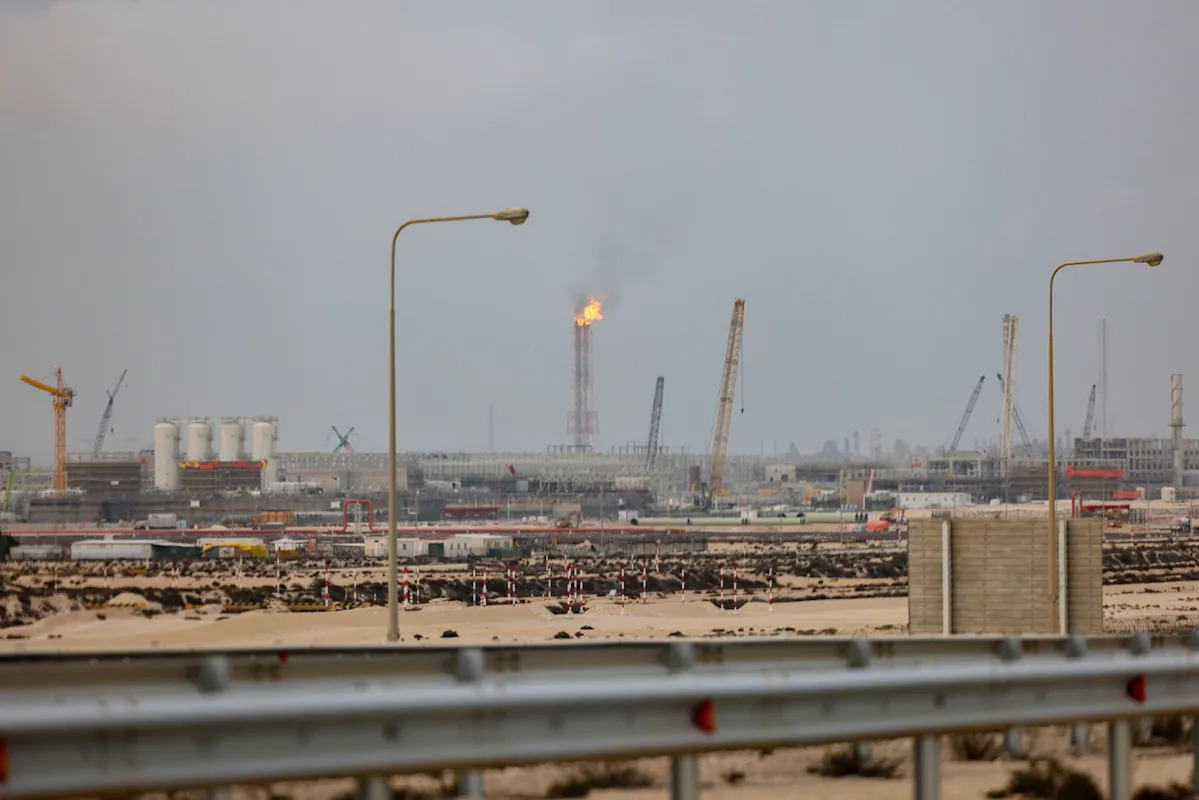
Coming to a Cash-Strapped Company Near You: Creditor-on-Creditor Violence
Written by Emily J. Thompson, Senior Investment Analyst
Updated: Aug 19 2024
0mins


Source: WSJ
Corporate Debt Dynamics: U.S. companies with low-rated bonds are leveraging competition among lenders to negotiate better terms, leading to a rise in what is termed "liability management exercises" by private-equity owners.
Investor Conflict: This situation has resulted in a phenomenon referred to as "creditor-on-creditor violence," highlighting the intense struggles among debt investors in the corporate debt market.
Trade with 70% Backtested Accuracy
Stop guessing "Should I Buy IVZ?" and start using high-conviction signals backed by rigorous historical data.
Sign up today to access powerful investing tools and make smarter, data-driven decisions.
Analyst Views on IVZ
Wall Street analysts forecast IVZ stock price to rise
11 Analyst Rating
4 Buy
7 Hold
0 Sell
Moderate Buy
Current: 23.310

Low
25.00
Averages
28.68
High
33.50
Current: 23.310
Low
25.00
Averages
28.68
High
33.50
About IVZ
Invesco Ltd. is an independent investment management firm. It serves the retail and institutional markets within the investment management industry in the Americas, Europe, Middle East, and Africa and Asia-Pacific in 120 countries. It offers a range of investment strategies across asset classes, investment styles, and geographies. Its asset classes include equity, fixed income, balanced, alternatives and money market. Its retail assets under management include exchange-traded funds, separately managed accounts, individual savings accounts, investment companies with variable capital, investment trusts, open-end mutual funds, unit investment trusts, and variable insurance funds. Its institutional assets include institutional separate accounts, private funds, open-end mutual funds, and collective trust funds. Its client base includes public and private entities, unions, non-profit organizations, endowments, foundations, financial institutions, and sovereign wealth funds.
About the author

Emily J. Thompson
Emily J. Thompson, a Chartered Financial Analyst (CFA) with 12 years in investment research, graduated with honors from the Wharton School. Specializing in industrial and technology stocks, she provides in-depth analysis for Intellectia’s earnings and market brief reports.

Federal Reserve's Rate Pause Attracts Short-Duration Asset Investments


- Attraction of Short-Term Assets: The Federal Reserve's decision to maintain the federal funds rate between 3.5% and 3.75% and the expectation of one rate cut this year keeps yields on short-term Treasuries and high-quality bonds at levels not seen in many years, drawing investor interest towards short-duration assets.
- Surge in Bond ETF Inflows: Ultra-short bond ETFs have seen $85 billion in inflows over the past 12 months, making them the leading category for new investments among fixed-income ETFs, indicating a strong market appetite for short-term debt instruments.
- Popularity of Bank Loans: Bank loans, also known as senior loans, have gained traction among retail investors due to their high yields and increased ETF issuance, with the T. Rowe Price Floating Rate ETF offering a 30-day SEC yield of 6.51%, showcasing their appeal.
- Stable Cash Asset Yields: Although the annual percentage rates for money market funds have fallen below 4%, they still provide relatively stable income, with the Crane 100 list showing an annualized seven-day yield of 3.47%, offering investors a safe income option.
See More
Invesco Supports Tax-Advantaged Child Savings Accounts
- Employee Benefit Enhancement: Invesco announces its commitment to match the U.S. government's $1,000 contribution for eligible newborns, effectively doubling the initial account size and enhancing financial resilience for employees' families, reflecting the company's focus on employee welfare.
- Long-Term Savings Advocacy: By supporting the newly established Section 530A Accounts, Invesco aims to encourage employees and their families to cultivate saving and investing habits from an early age, promoting future financial wellness in line with the company's mission to help people invest for a better future.
- Financial Education Support: Invesco has long been committed to promoting financial education and responsible investing, believing that early exposure to saving and investing can significantly improve financial outcomes, especially when paired with diversified investment solutions and strong investor education.
- Global Asset Management Strength: As of the end of 2025, Invesco manages $2.2 trillion in assets, and with its broad range of investment capabilities and global scale, the company is well-positioned to help retail and institutional investors navigate challenges and discover new possibilities for success.
See More

Invesco Supports Tax-Advantaged Child Savings Accounts
- Employee Benefit Enhancement: Invesco commits to match the U.S. government's $1,000 contribution to child savings accounts for eligible newborns of its employees, effectively doubling the initial account size and enhancing financial resilience for families.
- Long-Term Investment Habits: By supporting these child savings accounts, Invesco aims to foster long-term saving and investment habits from an early age, encouraging the next generation's participation in capital markets and improving future financial health.
- Advocacy for Financial Education: Invesco has long supported financial education and responsible investing, believing that early exposure to saving and investing can significantly improve financial outcomes, especially when paired with diversified investment solutions and robust investor education.
- Global Asset Management Strength: As of the end of 2025, Invesco manages $2.2 trillion in assets, and with its broad investment capabilities and global scale, the firm is well-positioned to help retail and institutional investors navigate challenges and discover new opportunities for success.
See More
Invesco Reports $2.26 Trillion in AUM, Driven by Inflows and Market Gains
- AUM Growth: Invesco's assets under management (AUM) reached $2.26 trillion at the end of February 2026, reflecting a 1.2% increase from the previous month, indicating the firm's robust performance in asset management.
- Strong Inflows: In February, Invesco achieved net long-term inflows of $4.7 billion, with money market net inflows totaling $13.5 billion, demonstrating sustained investor confidence in its offerings.
- Market Returns Impact: Favorable market returns contributed an increase of $9 billion to AUM, although foreign exchange fluctuations reduced AUM by $1.1 billion, yet the overall performance remains positive.
- Quarterly Average AUM: As of February 28, 2026, Invesco's preliminary average total AUM was $2.23 trillion, with active AUM at $1.14 trillion, reflecting the company's ongoing growth potential in the asset management sector.
See More

Stock Market Performance and Future Investment Warnings
- Impressive Market Returns: The S&P 500 has generated a total return of 300% over the past decade, significantly exceeding its long-term average, which raises concerns about future returns.
- Valuation Warning: The current CAPE ratio stands at 39.2, 54% higher than a decade ago and comparable to the dot-com bubble, indicating that elevated valuations may lead to subdued future returns.
- Investment Strategy Shift: Despite high valuations, investing remains a smart move, particularly as the tech sector's dominance and the influence of artificial intelligence inject new vitality into the market.
- Liquidity Impact: Since the 2009 financial crisis, the M2 money supply of the four major central banks has increased by 159%, supporting asset prices and potentially continuing to drive investment returns in the future.
See More

Middle East Conflict Triggers Surge in Natural Gas Prices


- Surge in Gas Prices: Amid the ongoing Middle East conflict, Dutch TTF futures surged 35% on Tuesday to over 60 euros ($69.64) per megawatt-hour, with prices up approximately 76% for the week, posing significant risks to European economic growth.
- Supply Disruption Risks: Qatar halted production due to Iranian drone strikes, leading to an estimated 19% reduction in global LNG supply, which could trigger severe supply squeezes in Europe and Asia, where LNG accounts for about 25% of total gas supply.
- Economic Impact Assessment: Rising energy prices are projected to negatively impact GDP, with Goldman Sachs estimating that a sustained 10% increase in energy prices could reduce GDP by 0.2% in both the UK and euro area, while Norway may see a slight benefit.
- Asian Market Vulnerability: India sources 58% of its LNG imports from the Middle East, accounting for nearly 2% of its primary energy consumption, and Singapore's imports are 27%, highlighting the heightened risks these nations face from energy supply disruptions.
See More
Federal Reserve's Rate Pause Attracts Short-Duration Asset Investments
- Attraction of Short-Term Assets: The Federal Reserve's decision to maintain the federal funds rate between 3.5% and 3.75% and the expectation of one rate cut this year keeps yields on short-term Treasuries and high-quality bonds at levels not seen in many years, drawing investor interest towards short-duration assets.
- Surge in Bond ETF Inflows: Ultra-short bond ETFs have seen $85 billion in inflows over the past 12 months, making them the leading category for new investments among fixed-income ETFs, indicating a strong market appetite for short-term debt instruments.
- Popularity of Bank Loans: Bank loans, also known as senior loans, have gained traction among retail investors due to their high yields and increased ETF issuance, with the T. Rowe Price Floating Rate ETF offering a 30-day SEC yield of 6.51%, showcasing their appeal.
- Stable Cash Asset Yields: Although the annual percentage rates for money market funds have fallen below 4%, they still provide relatively stable income, with the Crane 100 list showing an annualized seven-day yield of 3.47%, offering investors a safe income option.
See More
Invesco Supports Tax-Advantaged Child Savings Accounts
- Employee Benefit Enhancement: Invesco announces its commitment to match the U.S. government's $1,000 contribution for eligible newborns, effectively doubling the initial account size and enhancing financial resilience for employees' families, reflecting the company's focus on employee welfare.
- Long-Term Savings Advocacy: By supporting the newly established Section 530A Accounts, Invesco aims to encourage employees and their families to cultivate saving and investing habits from an early age, promoting future financial wellness in line with the company's mission to help people invest for a better future.
- Financial Education Support: Invesco has long been committed to promoting financial education and responsible investing, believing that early exposure to saving and investing can significantly improve financial outcomes, especially when paired with diversified investment solutions and strong investor education.
- Global Asset Management Strength: As of the end of 2025, Invesco manages $2.2 trillion in assets, and with its broad range of investment capabilities and global scale, the company is well-positioned to help retail and institutional investors navigate challenges and discover new possibilities for success.
See More
Invesco Supports Tax-Advantaged Child Savings Accounts
- Employee Benefit Enhancement: Invesco commits to match the U.S. government's $1,000 contribution to child savings accounts for eligible newborns of its employees, effectively doubling the initial account size and enhancing financial resilience for families.
- Long-Term Investment Habits: By supporting these child savings accounts, Invesco aims to foster long-term saving and investment habits from an early age, encouraging the next generation's participation in capital markets and improving future financial health.
- Advocacy for Financial Education: Invesco has long supported financial education and responsible investing, believing that early exposure to saving and investing can significantly improve financial outcomes, especially when paired with diversified investment solutions and robust investor education.
- Global Asset Management Strength: As of the end of 2025, Invesco manages $2.2 trillion in assets, and with its broad investment capabilities and global scale, the firm is well-positioned to help retail and institutional investors navigate challenges and discover new opportunities for success.
See More
Invesco Reports $2.26 Trillion in AUM, Driven by Inflows and Market Gains
- AUM Growth: Invesco's assets under management (AUM) reached $2.26 trillion at the end of February 2026, reflecting a 1.2% increase from the previous month, indicating the firm's robust performance in asset management.
- Strong Inflows: In February, Invesco achieved net long-term inflows of $4.7 billion, with money market net inflows totaling $13.5 billion, demonstrating sustained investor confidence in its offerings.
- Market Returns Impact: Favorable market returns contributed an increase of $9 billion to AUM, although foreign exchange fluctuations reduced AUM by $1.1 billion, yet the overall performance remains positive.
- Quarterly Average AUM: As of February 28, 2026, Invesco's preliminary average total AUM was $2.23 trillion, with active AUM at $1.14 trillion, reflecting the company's ongoing growth potential in the asset management sector.
See More
Stock Market Performance and Future Investment Warnings
- Impressive Market Returns: The S&P 500 has generated a total return of 300% over the past decade, significantly exceeding its long-term average, which raises concerns about future returns.
- Valuation Warning: The current CAPE ratio stands at 39.2, 54% higher than a decade ago and comparable to the dot-com bubble, indicating that elevated valuations may lead to subdued future returns.
- Investment Strategy Shift: Despite high valuations, investing remains a smart move, particularly as the tech sector's dominance and the influence of artificial intelligence inject new vitality into the market.
- Liquidity Impact: Since the 2009 financial crisis, the M2 money supply of the four major central banks has increased by 159%, supporting asset prices and potentially continuing to drive investment returns in the future.
See More
Middle East Conflict Triggers Surge in Natural Gas Prices
- Surge in Gas Prices: Amid the ongoing Middle East conflict, Dutch TTF futures surged 35% on Tuesday to over 60 euros ($69.64) per megawatt-hour, with prices up approximately 76% for the week, posing significant risks to European economic growth.
- Supply Disruption Risks: Qatar halted production due to Iranian drone strikes, leading to an estimated 19% reduction in global LNG supply, which could trigger severe supply squeezes in Europe and Asia, where LNG accounts for about 25% of total gas supply.
- Economic Impact Assessment: Rising energy prices are projected to negatively impact GDP, with Goldman Sachs estimating that a sustained 10% increase in energy prices could reduce GDP by 0.2% in both the UK and euro area, while Norway may see a slight benefit.
- Asian Market Vulnerability: India sources 58% of its LNG imports from the Middle East, accounting for nearly 2% of its primary energy consumption, and Singapore's imports are 27%, highlighting the heightened risks these nations face from energy supply disruptions.
See More