Coinbase CEO Brian Armstrong Withdraws Support for Senate Crypto Bill, Causing Major Legislative Setback
- Legislative Withdrawal Impact: Coinbase CEO Brian Armstrong's withdrawal of support for the Senate crypto market structure bill just before the vote led to an indefinite postponement of the markup, significantly undermining hopes for establishing regulatory clarity for digital assets in the U.S.
- Stablecoin Rewards Controversy: The bill's provision prohibiting crypto platforms from paying yields on idle stablecoin balances emerged from Wall Street banks' lobbying, posing an existential threat to Coinbase's 'Everything Exchange' strategy, with Armstrong labeling it a guise for 'consumer protection'.
- Regulatory Authority Shift: The bill's transfer of oversight from the Commodity Futures Trading Commission to the Securities and Exchange Commission raises concerns about increased regulatory pressure on the crypto industry, particularly given the SEC's historically aggressive enforcement approach, leaving the industry anxious about its future.
- Industry Split Reaction: Despite Armstrong's withdrawal causing fractures within the industry, other major players like Ripple and Kraken continue to support the bill, indicating differing perspectives on legislation that could affect future collaboration and negotiations.
Trade with 70% Backtested Accuracy
Analyst Views on COIN

About COIN
About the author

Coinbase Australia Secures Financial Services License Ahead of Legislation

- License Acquisition: Coinbase's Australian unit has secured a financial services license (AFSL), marking a critical step ahead of upcoming regulations that will enhance its competitive position in the local market.
- Product Expansion Plans: Following the license acquisition, the company plans to offer crypto and equity perpetuals to Australian users, with futures and options to follow, aiming to compete with traditional financial services through the Coinbase app.
- Market Operation History: Coinbase has been operating in Australia since 2016, establishing a local entity in 2022 and launching a dedicated platform with PayID support, retail advanced trading, and 24/7 customer support, further solidifying its market presence.
- Compliance Standards Enhancement: With the AFSL, Coinbase Australia will adhere to the same standards of conduct, disclosure, governance, and consumer protections as traditional financial service providers, enhancing user trust and improving market compliance.

Circle's Stablecoin Poised for Tenfold Growth by 2030


- Stablecoin Market Outlook: Treasury Secretary Scott Bessent predicts that the stablecoin market could grow tenfold by 2030, positioning Circle, the issuer of USDC with a market cap of $77 billion, for significant future growth that could enhance its market standing.
- Circle Stock Performance: Despite a strong performance post-IPO last year, Circle's stock is currently priced at $90, far below its 52-week high of nearly $300, primarily due to uncertainties in the regulatory environment for stablecoins rather than any inherent weakness in Circle's business model.
- Coinbase Strategic Shift: Coinbase is transforming into an

Investment Opportunities in the Crypto Market
- Circle Internet Group Outlook: Circle Internet Group's USDC stablecoin boasts a market cap of $77 billion, with projections suggesting a tenfold growth in the stablecoin market by 2030; despite underperforming since its IPO, the future growth potential remains significant.
- Coinbase Strategic Shift: Coinbase is undergoing a comprehensive strategic overhaul to become an 'everything exchange,' expanding beyond cryptocurrencies to include stock trading and AI-related services, with a market cap of $46 billion, demonstrating its commitment to diversification.
- Strategy's Bitcoin Advantage: Strategy is the world's largest corporate holder of Bitcoin, with its Bitcoin assets nearing $50 billion; although its stock has dropped 57% due to Bitcoin's decline, its long-term holding strategy remains appealing.
- Need for Long-Term Investment: Cryptocurrencies typically follow a four-year boom-bust cycle, requiring investors to be prepared for long-term holding; while short-term declines may occur, future market rebounds could yield substantial returns.
Global Stock Markets Surge on Iran Ceasefire Agreement

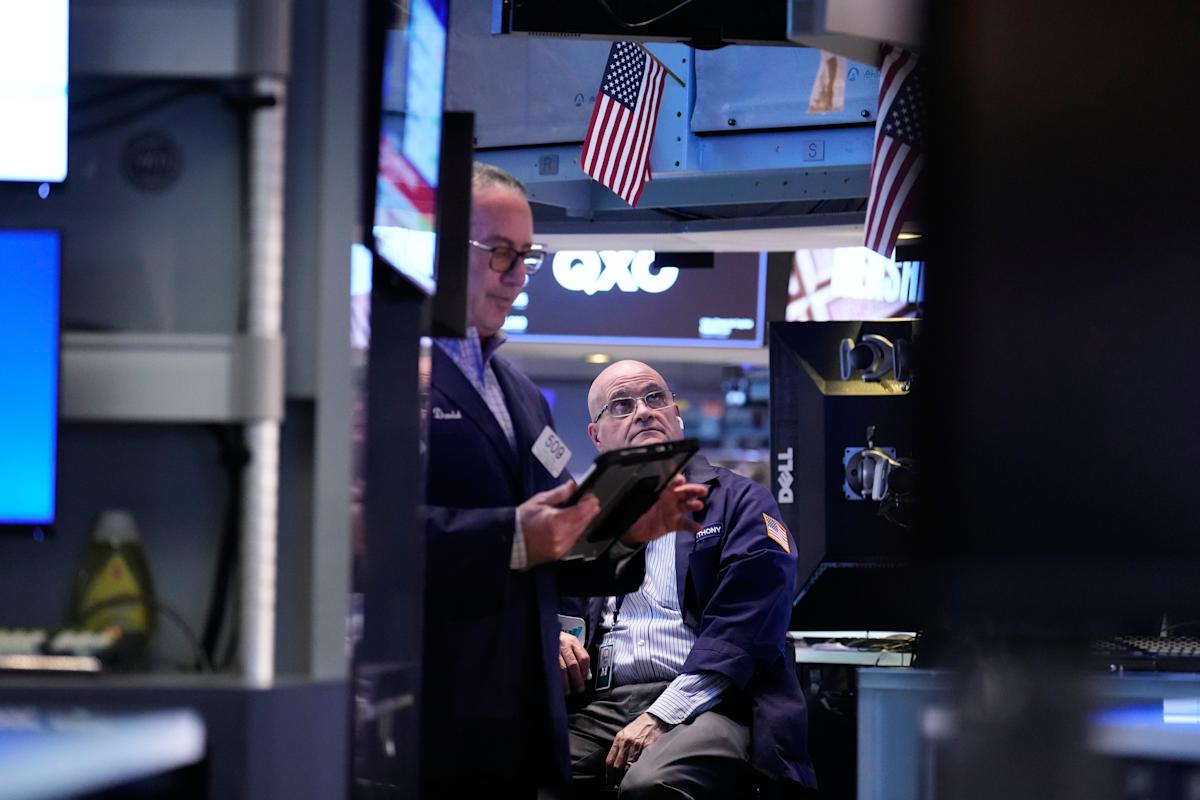
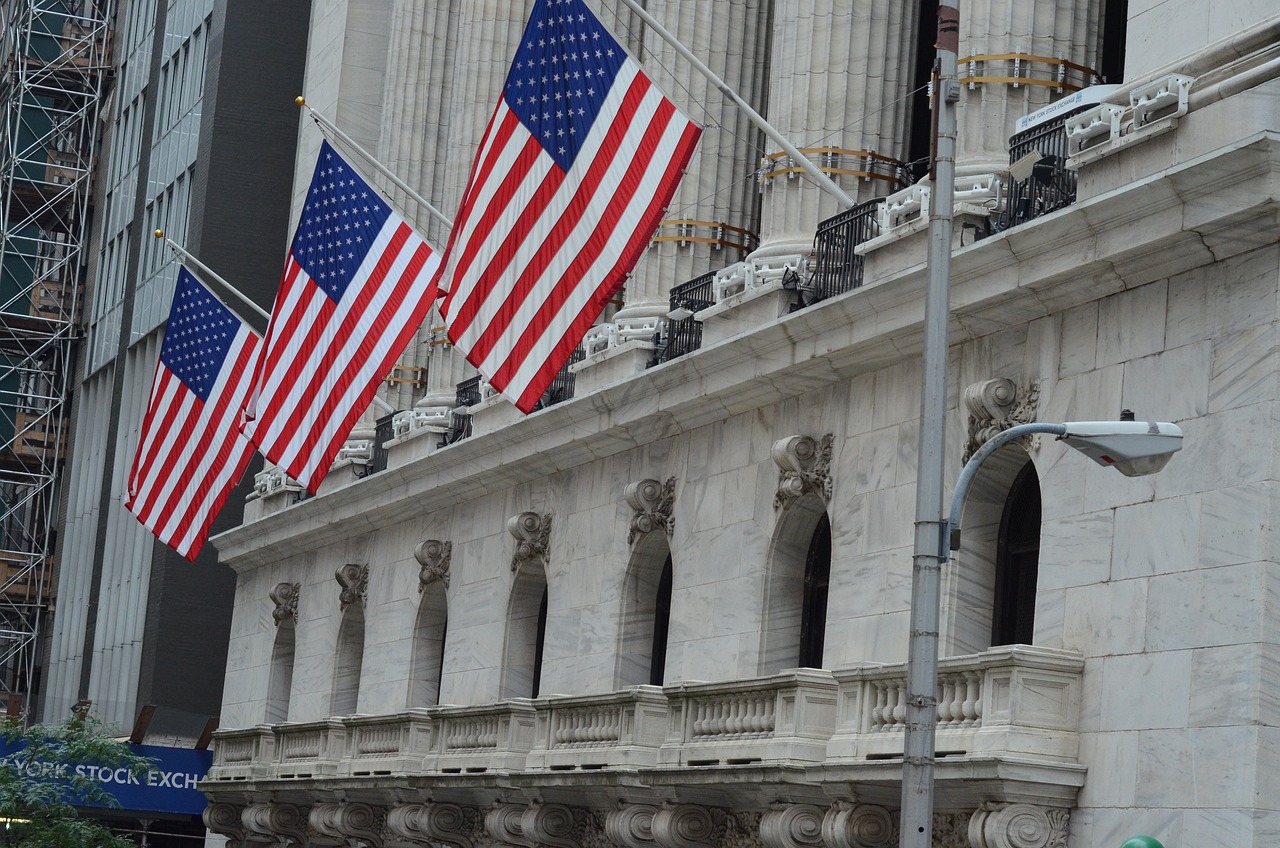
- Market Sentiment Rebound: Global stock markets surged on Wednesday as the US and Iran agreed to a two-week ceasefire, with the S&P 500 rising 2.51%, the Dow Jones up 2.85%, and the Nasdaq 100 increasing by 2.90%, reflecting a positive market response to easing geopolitical tensions.
- Crude Oil Price Plunge: The ceasefire news led to a more than 15% drop in crude oil prices to a 1.5-week low, alleviating inflation concerns and sparking a rally in global government bond markets, with the German 10-year Bund yield falling to a 3-week low, indicating a more optimistic outlook for the economy.
- Fed Policy Expectations: Although the market discounts only a 1% chance of a 25 bp rate hike at the upcoming April 28-29 FOMC meeting, the minutes from the March FOMC indicated heightened concerns among participants regarding upside risks to inflation and downside risks to employment, suggesting a more cautious approach to future monetary policy.
- Strong Tech Stock Performance: Chipmakers and AI infrastructure stocks saw significant gains on Wednesday, with Intel rising over 11%, driving the Nasdaq 100's increase, highlighting the tech sector's crucial role in the market recovery and further boosting investor confidence in technology stocks.

Global Stock Markets Surge on Iran Ceasefire Agreement
- Market Sentiment Rebounds: Global stock markets surged as the US and Iran agreed to a two-week ceasefire, with the S&P 500 rising 2.04%, the Dow Jones up 2.25%, and the Nasdaq 100 increasing by 2.52%, indicating a renewed investor confidence in risk assets.
- Crude Oil Price Plunge: The ceasefire news led to a more than 15% drop in crude oil prices to a 1.5-week low, alleviating inflation concerns and sparking a rally in global government bond markets, with the German 10-year Bund yield falling to a 3-week low, reflecting market expectations of a potential economic slowdown.
- US Treasury Yields Decline: The 10-year US Treasury yield fell to 4.228%, a 3-week low, as concerns over inflation eased, indicating increased demand for safe-haven assets, while also supporting the upcoming $39 billion auction of 10-year notes.
- Strong Performance in Tech Stocks: Amid the positive market sentiment, technology stocks performed strongly, with Amazon, Meta, and Alphabet all rising over 3%, showcasing sustained investor confidence in the tech sector, which may drive future investment inflows.

Four Accounts Earn $600,000 from US-Iran Ceasefire, Raising Concerns Over Potential Insider Trading on Polymarket


Recent Betting Activity: Four newly created wallets on the Polymarket platform made over $600,000 by betting on a U.S.-Iran ceasefire shortly before it was publicly announced, with no prior transaction history recorded for these accounts.
Proposed Regulations: Lawmakers are proposing new rules to restrict prediction market activities related to political or military events, following significant profits made by traders on Polymarket ahead of the ceasefire announcement.
Historical Context: This incident is not isolated; similar suspicious activities have been noted in the past, including six wallets identified in March that collectively made about $1.2 million on contracts tied to U.S. actions against Iran.
Legislative Measures: A proposed bill aims to prohibit federal officials and staff from trading on prediction markets, particularly concerning government policy or political outcomes, in response to concerns over potential conflicts of interest.
Coinbase Australia Secures Financial Services License Ahead of Legislation
- License Acquisition: Coinbase's Australian unit has secured a financial services license (AFSL), marking a critical step ahead of upcoming regulations that will enhance its competitive position in the local market.
- Product Expansion Plans: Following the license acquisition, the company plans to offer crypto and equity perpetuals to Australian users, with futures and options to follow, aiming to compete with traditional financial services through the Coinbase app.
- Market Operation History: Coinbase has been operating in Australia since 2016, establishing a local entity in 2022 and launching a dedicated platform with PayID support, retail advanced trading, and 24/7 customer support, further solidifying its market presence.
- Compliance Standards Enhancement: With the AFSL, Coinbase Australia will adhere to the same standards of conduct, disclosure, governance, and consumer protections as traditional financial service providers, enhancing user trust and improving market compliance.
Circle's Stablecoin Poised for Tenfold Growth by 2030
- Stablecoin Market Outlook: Treasury Secretary Scott Bessent predicts that the stablecoin market could grow tenfold by 2030, positioning Circle, the issuer of USDC with a market cap of $77 billion, for significant future growth that could enhance its market standing.
- Circle Stock Performance: Despite a strong performance post-IPO last year, Circle's stock is currently priced at $90, far below its 52-week high of nearly $300, primarily due to uncertainties in the regulatory environment for stablecoins rather than any inherent weakness in Circle's business model.
- Coinbase Strategic Shift: Coinbase is transforming into an
Investment Opportunities in the Crypto Market
- Circle Internet Group Outlook: Circle Internet Group's USDC stablecoin boasts a market cap of $77 billion, with projections suggesting a tenfold growth in the stablecoin market by 2030; despite underperforming since its IPO, the future growth potential remains significant.
- Coinbase Strategic Shift: Coinbase is undergoing a comprehensive strategic overhaul to become an 'everything exchange,' expanding beyond cryptocurrencies to include stock trading and AI-related services, with a market cap of $46 billion, demonstrating its commitment to diversification.
- Strategy's Bitcoin Advantage: Strategy is the world's largest corporate holder of Bitcoin, with its Bitcoin assets nearing $50 billion; although its stock has dropped 57% due to Bitcoin's decline, its long-term holding strategy remains appealing.
- Need for Long-Term Investment: Cryptocurrencies typically follow a four-year boom-bust cycle, requiring investors to be prepared for long-term holding; while short-term declines may occur, future market rebounds could yield substantial returns.
Global Stock Markets Surge on Iran Ceasefire Agreement
- Market Sentiment Rebound: Global stock markets surged on Wednesday as the US and Iran agreed to a two-week ceasefire, with the S&P 500 rising 2.51%, the Dow Jones up 2.85%, and the Nasdaq 100 increasing by 2.90%, reflecting a positive market response to easing geopolitical tensions.
- Crude Oil Price Plunge: The ceasefire news led to a more than 15% drop in crude oil prices to a 1.5-week low, alleviating inflation concerns and sparking a rally in global government bond markets, with the German 10-year Bund yield falling to a 3-week low, indicating a more optimistic outlook for the economy.
- Fed Policy Expectations: Although the market discounts only a 1% chance of a 25 bp rate hike at the upcoming April 28-29 FOMC meeting, the minutes from the March FOMC indicated heightened concerns among participants regarding upside risks to inflation and downside risks to employment, suggesting a more cautious approach to future monetary policy.
- Strong Tech Stock Performance: Chipmakers and AI infrastructure stocks saw significant gains on Wednesday, with Intel rising over 11%, driving the Nasdaq 100's increase, highlighting the tech sector's crucial role in the market recovery and further boosting investor confidence in technology stocks.
Global Stock Markets Surge on Iran Ceasefire Agreement
- Market Sentiment Rebounds: Global stock markets surged as the US and Iran agreed to a two-week ceasefire, with the S&P 500 rising 2.04%, the Dow Jones up 2.25%, and the Nasdaq 100 increasing by 2.52%, indicating a renewed investor confidence in risk assets.
- Crude Oil Price Plunge: The ceasefire news led to a more than 15% drop in crude oil prices to a 1.5-week low, alleviating inflation concerns and sparking a rally in global government bond markets, with the German 10-year Bund yield falling to a 3-week low, reflecting market expectations of a potential economic slowdown.
- US Treasury Yields Decline: The 10-year US Treasury yield fell to 4.228%, a 3-week low, as concerns over inflation eased, indicating increased demand for safe-haven assets, while also supporting the upcoming $39 billion auction of 10-year notes.
- Strong Performance in Tech Stocks: Amid the positive market sentiment, technology stocks performed strongly, with Amazon, Meta, and Alphabet all rising over 3%, showcasing sustained investor confidence in the tech sector, which may drive future investment inflows.
Four Accounts Earn $600,000 from US-Iran Ceasefire, Raising Concerns Over Potential Insider Trading on Polymarket
Recent Betting Activity: Four newly created wallets on the Polymarket platform made over $600,000 by betting on a U.S.-Iran ceasefire shortly before it was publicly announced, with no prior transaction history recorded for these accounts.
Proposed Regulations: Lawmakers are proposing new rules to restrict prediction market activities related to political or military events, following significant profits made by traders on Polymarket ahead of the ceasefire announcement.
Historical Context: This incident is not isolated; similar suspicious activities have been noted in the past, including six wallets identified in March that collectively made about $1.2 million on contracts tied to U.S. actions against Iran.
Legislative Measures: A proposed bill aims to prohibit federal officials and staff from trading on prediction markets, particularly concerning government policy or political outcomes, in response to concerns over potential conflicts of interest.