Coca-Cola and PepsiCo Earnings Analysis
Written by Emily J. Thompson, Senior Investment Analyst
Updated: May 01 2026
0mins

Source: Fool
- Sales Rebound: Both Coca-Cola and PepsiCo reported a rebound in sales as consumers returned to flagship cola products and ancillary items like coffee, tea, and bottled water, leading to a 2% annual net revenue growth for both companies by 2025.
- Coca-Cola's Strong Performance: In the latest quarter, Coca-Cola's net revenue grew by 12% year-over-year, significantly outperforming PepsiCo's 9% increase, indicating Coca-Cola's competitive edge in the market.
- Shareholder Return Discrepancy: Over the past five years, Coca-Cola has delivered total returns exceeding 60%, while PepsiCo's returns were only 25%, although both stocks underperformed the S&P 500's total return during the same period.
- Dividends and Valuation: Coca-Cola has raised its dividend for 64 consecutive years, while PepsiCo's annual dividend yield of 3.6% surpasses Coca-Cola's 2.12%, positioning both as Dividend Kings with strong growth potential in dividends.
Trade with 70% Backtested Accuracy
Stop guessing "Should I Buy KO?" and start using high-conviction signals backed by rigorous historical data.
Sign up today to access powerful investing tools and make smarter, data-driven decisions.
Analyst Views on KO
Wall Street analysts forecast KO stock price to rise
14 Analyst Rating
13 Buy
1 Hold
0 Sell
Strong Buy
Current: 78.430

Low
71.00
Averages
79.33
High
85.00
Current: 78.430
Low
71.00
Averages
79.33
High
85.00
About KO
The Coca-Cola Company is a beverage company. The Company's segments include Europe, Middle East and Africa (EMEA); Latin America; North America; Asia Pacific, and Bottling Investments. It sells multiple brands across several beverage categories worldwide. Its portfolio of sparkling soft drink brands includes Coca-Cola, Sprite and Fanta. Its water, sports, coffee and tea brands include Dasani, smartwater, vitaminwater, Topo Chico, BODYARMOR, Powerade, Costa, Georgia, Fuze Tea, Gold Peak and Ayataka. Its juice, value-added dairy and plant-based beverage brands include Minute Maid, Simply, innocent, Del Valle, fairlife and Santa Clara. It operates in two lines of business: concentrate operations and finished product operations. Its concentrate operations sell beverage concentrates, syrups, including fountain syrups, and certain finished beverages to authorized bottling operations. Its finished product operations sell sparkling soft drinks and a variety of other finished beverages.
About the author

Emily J. Thompson
Emily J. Thompson, a Chartered Financial Analyst (CFA) with 12 years in investment research, graduated with honors from the Wharton School. Specializing in industrial and technology stocks, she provides in-depth analysis for Intellectia’s earnings and market brief reports.
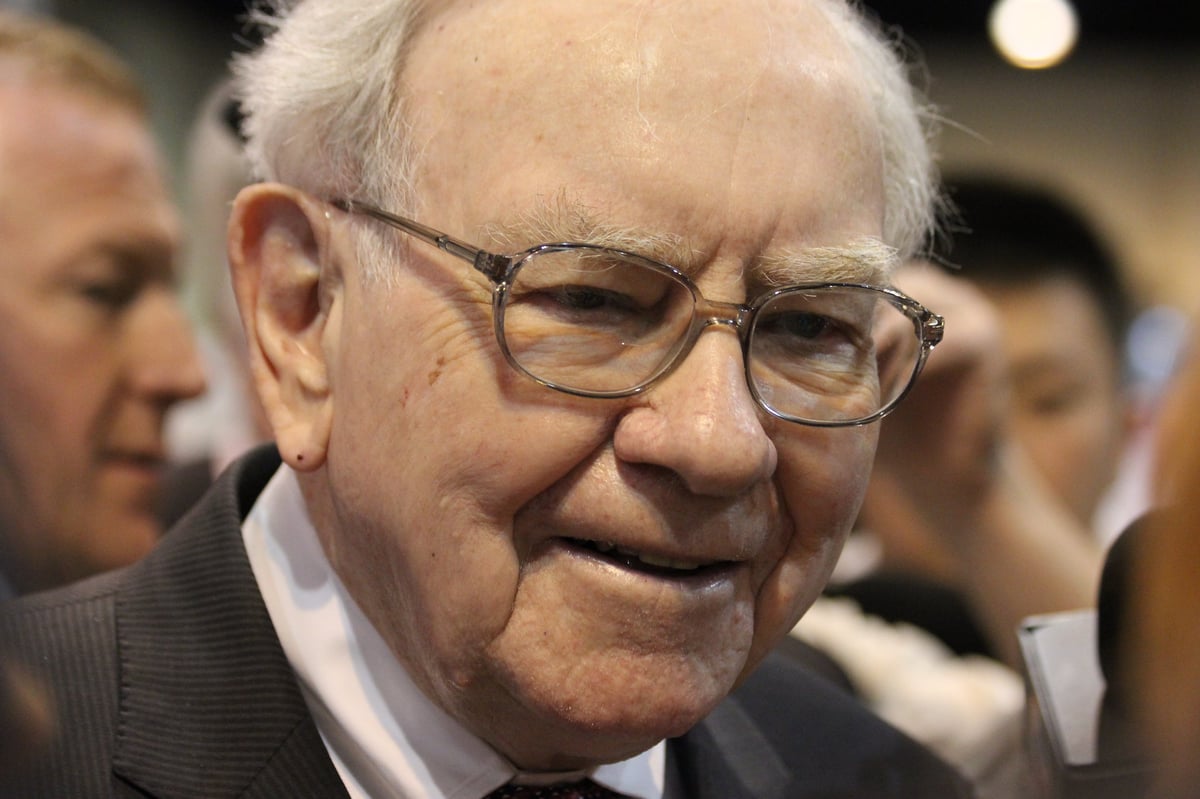
Buffett's Stable Investment Choices


- Credit Card Payment Growth: U.S. retail spending rose 3.7% last quarter despite rising prices, with Visa reporting a 9% increase in total payment volume, driving a 17% year-over-year revenue growth, indicating a sustained consumer reliance on credit cards and reflecting potential economic recovery.
- VeriSign's Stability: VeriSign achieved $1.66 billion in revenue last year, up 6.4%, with net income of $8.81 per share; while growth is slow, its monopoly in global domain management ensures long-term profitability and resilience against economic fluctuations.
- Coca-Cola's Consistent Returns: Coca-Cola, as Berkshire's third-largest holding valued over $30 billion, boasts a 64-year track record of consecutive dividend increases, demonstrating strong cash flow capabilities that provide stable support for investments during economic uncertainty.
- Buffett's Investment Philosophy: Although Buffett stepped down as CEO last year, his investment choices continue to dominate Berkshire's portfolio, emphasizing the importance of quality investing amidst market volatility and encouraging investors to focus on long-term value.
See More

Investment Outlook for Visa, VeriSign, and Coca-Cola
- Consumer Payment Trends: U.S. retail spending rose 3.7% last quarter despite rising prices, indicating a shift from cash to credit card payments, leading Visa to report a 9% increase in payment volume and a 17% year-over-year revenue growth, showcasing the company's resilience amid economic uncertainty.
- VeriSign's Market Position: As a key gatekeeper of global domain registration, VeriSign achieved $1.66 billion in revenue last year, up 6.4%, and its stable income stream and near-monopoly status make it attractive even in economic downturns, reflecting the value of long-term investments.
- Coca-Cola's Dividend Growth: Coca-Cola, Berkshire Hathaway's third-largest holding valued over $30 billion, has increased its per-share dividend for 64 consecutive years, demonstrating strong cash flow and market adaptability, making it a safe haven for investors in uncertain economic environments.
- Buffett's Investment Strategy: Although Buffett has stepped down as CEO, his stock-picking strategy continues to influence Berkshire's portfolio, particularly with stable investments like Visa, VeriSign, and Coca-Cola, emphasizing the importance of quality amidst market volatility.
See More
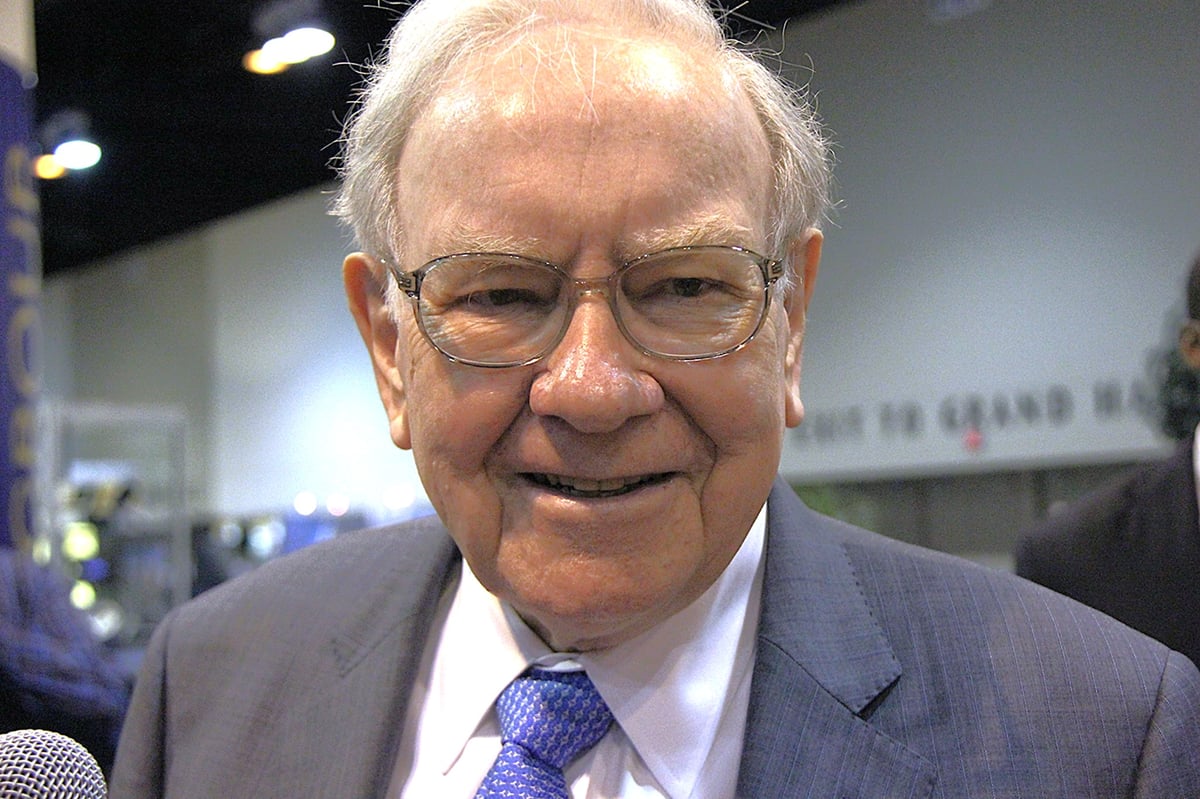
Buffett's Investment Portfolio Revealed


- Portfolio Concentration: As of December 31, 2025, over 70.9% of Buffett's Berkshire Hathaway portfolio is concentrated in five stocks: Apple, American Express, Bank of America, Coca-Cola, and Chevron, highlighting a highly concentrated investment strategy and risk management approach.
- Apple Holdings: Apple is Berkshire's largest holding with a market value of $61.9 billion, representing 22.6% of the portfolio; despite selling over 75% of its Apple shares in recent years, it remains a core asset, reflecting Buffett's commitment to long-term investments.
- Historical Investment Returns: Buffett first bought Coca-Cola in 1988 and American Express in 1963, and these long-held stocks have significantly appreciated over decades, becoming key pillars of Berkshire's portfolio, showcasing his investment foresight and patience.
- Investment Strategy Advice: To emulate Buffett's success, The Motley Fool recommends that investors build a diversified portfolio of at least 25 stocks, hoping to identify some big winners that can dominate their portfolios and drive wealth growth.
See More

Clorox Marks 48th Consecutive Dividend Increase Amid Challenges

- Dividend Milestone: Clorox has raised its quarterly dividend to $1.24 per share, marking its 48th consecutive annual increase, positioning it to potentially become a Dividend King within the next 15 months, appealing to passive income investors.
- Cash Flow and Earnings Pressure: Despite paying $452 million in dividends in the first three quarters of fiscal 2026, Clorox generated only $161 million in free cash flow, indicating pressure on its profitability that could affect future dividend sustainability.
- Cost Control Measures: Clorox is implementing cost-cutting strategies, such as reducing advertising and administrative expenses, and has completed a $580 million transition to a new enterprise resource planning system aimed at boosting operational efficiency, although its brand competitiveness still needs improvement.
- Deteriorating Financial Condition: Clorox's long-term debt and leverage ratios have reached their highest levels in a decade, reflecting a decline in financial health, and while its gross margin has recovered, it remains below pre-pandemic levels, introducing uncertainty for future growth.
See More

Clorox Faces Challenges Despite 48 Years of Dividend Increases
- Dividend Growth History: Clorox has increased its dividend for 48 consecutive years, with the latest quarterly dividend at $1.24 per share; however, unless it returns to consistent earnings and free cash flow growth, its dividend expenses may become unsustainable.
- Financial Warning Signs: In the nine months ending March 31, 2026, Clorox paid $452 million in dividends but generated only $161 million in free cash flow, indicating that declining profitability could threaten the sustainability of future dividends.
- Cost Control Measures: Clorox is addressing rising manufacturing and logistics costs by reducing advertising investments and selling administrative expenses, and completed a $580 million transition to a new enterprise resource planning system in February to enhance operational efficiency, yet its long-term growth still hinges on brand market resonance.
- Market Competition Pressure: While Clorox's forward P/E ratio of 15.7 may attract value investors, it still faces challenges in brand differentiation and pricing power compared to stable dividend kings like Coca-Cola, needing to demonstrate stronger market performance in the next 15 months.
See More
Coca-Cola and Hershey Present Dividend Investment Opportunities

- Coca-Cola's Steady Income: Coca-Cola has maintained 64 consecutive years of dividend increases, generating $12.5 billion in free cash flow last year while paying nearly $11 billion in dividends, showcasing its robust capital-light business model and expected continued income for investors.
- Market Adaptability: Despite challenges from changing tastes, Coca-Cola's low/no-calorie beverages accounted for nearly one-third of global volume in 2024, with 32 brands each generating over $1 billion in annual sales, demonstrating its adaptability to diverse consumer demands.
- Hershey's Growth Potential: Despite being impacted by soaring cocoa prices, Hershey has maintained 96 years of consecutive dividend payments, generating $1.85 billion in free cash flow and paying $1.1 billion in dividends last year, with projected adjusted sales growth of 2.5% to 3.5% in 2026, indicating resilience in adversity.
- Brand Diversification Strategy: Hershey achieved a 7.9% organic sales increase in Q1, driven by strong demand for its candy and snack brands, with management focusing on meeting diverse consumer preferences across occasions, ensuring sustained growth in the future.
See More
Buffett's Stable Investment Choices
- Credit Card Payment Growth: U.S. retail spending rose 3.7% last quarter despite rising prices, with Visa reporting a 9% increase in total payment volume, driving a 17% year-over-year revenue growth, indicating a sustained consumer reliance on credit cards and reflecting potential economic recovery.
- VeriSign's Stability: VeriSign achieved $1.66 billion in revenue last year, up 6.4%, with net income of $8.81 per share; while growth is slow, its monopoly in global domain management ensures long-term profitability and resilience against economic fluctuations.
- Coca-Cola's Consistent Returns: Coca-Cola, as Berkshire's third-largest holding valued over $30 billion, boasts a 64-year track record of consecutive dividend increases, demonstrating strong cash flow capabilities that provide stable support for investments during economic uncertainty.
- Buffett's Investment Philosophy: Although Buffett stepped down as CEO last year, his investment choices continue to dominate Berkshire's portfolio, emphasizing the importance of quality investing amidst market volatility and encouraging investors to focus on long-term value.
See More
Investment Outlook for Visa, VeriSign, and Coca-Cola
- Consumer Payment Trends: U.S. retail spending rose 3.7% last quarter despite rising prices, indicating a shift from cash to credit card payments, leading Visa to report a 9% increase in payment volume and a 17% year-over-year revenue growth, showcasing the company's resilience amid economic uncertainty.
- VeriSign's Market Position: As a key gatekeeper of global domain registration, VeriSign achieved $1.66 billion in revenue last year, up 6.4%, and its stable income stream and near-monopoly status make it attractive even in economic downturns, reflecting the value of long-term investments.
- Coca-Cola's Dividend Growth: Coca-Cola, Berkshire Hathaway's third-largest holding valued over $30 billion, has increased its per-share dividend for 64 consecutive years, demonstrating strong cash flow and market adaptability, making it a safe haven for investors in uncertain economic environments.
- Buffett's Investment Strategy: Although Buffett has stepped down as CEO, his stock-picking strategy continues to influence Berkshire's portfolio, particularly with stable investments like Visa, VeriSign, and Coca-Cola, emphasizing the importance of quality amidst market volatility.
See More
Buffett's Investment Portfolio Revealed
- Portfolio Concentration: As of December 31, 2025, over 70.9% of Buffett's Berkshire Hathaway portfolio is concentrated in five stocks: Apple, American Express, Bank of America, Coca-Cola, and Chevron, highlighting a highly concentrated investment strategy and risk management approach.
- Apple Holdings: Apple is Berkshire's largest holding with a market value of $61.9 billion, representing 22.6% of the portfolio; despite selling over 75% of its Apple shares in recent years, it remains a core asset, reflecting Buffett's commitment to long-term investments.
- Historical Investment Returns: Buffett first bought Coca-Cola in 1988 and American Express in 1963, and these long-held stocks have significantly appreciated over decades, becoming key pillars of Berkshire's portfolio, showcasing his investment foresight and patience.
- Investment Strategy Advice: To emulate Buffett's success, The Motley Fool recommends that investors build a diversified portfolio of at least 25 stocks, hoping to identify some big winners that can dominate their portfolios and drive wealth growth.
See More
Clorox Marks 48th Consecutive Dividend Increase Amid Challenges
- Dividend Milestone: Clorox has raised its quarterly dividend to $1.24 per share, marking its 48th consecutive annual increase, positioning it to potentially become a Dividend King within the next 15 months, appealing to passive income investors.
- Cash Flow and Earnings Pressure: Despite paying $452 million in dividends in the first three quarters of fiscal 2026, Clorox generated only $161 million in free cash flow, indicating pressure on its profitability that could affect future dividend sustainability.
- Cost Control Measures: Clorox is implementing cost-cutting strategies, such as reducing advertising and administrative expenses, and has completed a $580 million transition to a new enterprise resource planning system aimed at boosting operational efficiency, although its brand competitiveness still needs improvement.
- Deteriorating Financial Condition: Clorox's long-term debt and leverage ratios have reached their highest levels in a decade, reflecting a decline in financial health, and while its gross margin has recovered, it remains below pre-pandemic levels, introducing uncertainty for future growth.
See More
Clorox Faces Challenges Despite 48 Years of Dividend Increases
- Dividend Growth History: Clorox has increased its dividend for 48 consecutive years, with the latest quarterly dividend at $1.24 per share; however, unless it returns to consistent earnings and free cash flow growth, its dividend expenses may become unsustainable.
- Financial Warning Signs: In the nine months ending March 31, 2026, Clorox paid $452 million in dividends but generated only $161 million in free cash flow, indicating that declining profitability could threaten the sustainability of future dividends.
- Cost Control Measures: Clorox is addressing rising manufacturing and logistics costs by reducing advertising investments and selling administrative expenses, and completed a $580 million transition to a new enterprise resource planning system in February to enhance operational efficiency, yet its long-term growth still hinges on brand market resonance.
- Market Competition Pressure: While Clorox's forward P/E ratio of 15.7 may attract value investors, it still faces challenges in brand differentiation and pricing power compared to stable dividend kings like Coca-Cola, needing to demonstrate stronger market performance in the next 15 months.
See More
Coca-Cola and Hershey Present Dividend Investment Opportunities
- Coca-Cola's Steady Income: Coca-Cola has maintained 64 consecutive years of dividend increases, generating $12.5 billion in free cash flow last year while paying nearly $11 billion in dividends, showcasing its robust capital-light business model and expected continued income for investors.
- Market Adaptability: Despite challenges from changing tastes, Coca-Cola's low/no-calorie beverages accounted for nearly one-third of global volume in 2024, with 32 brands each generating over $1 billion in annual sales, demonstrating its adaptability to diverse consumer demands.
- Hershey's Growth Potential: Despite being impacted by soaring cocoa prices, Hershey has maintained 96 years of consecutive dividend payments, generating $1.85 billion in free cash flow and paying $1.1 billion in dividends last year, with projected adjusted sales growth of 2.5% to 3.5% in 2026, indicating resilience in adversity.
- Brand Diversification Strategy: Hershey achieved a 7.9% organic sales increase in Q1, driven by strong demand for its candy and snack brands, with management focusing on meeting diverse consumer preferences across occasions, ensuring sustained growth in the future.
See More