

Citigroup Scales Back DEI Policies Amid Shifting Political Landscape: Report
Written by Emily J. Thompson, Senior Investment Analyst
Updated: Feb 21 2025
0mins

Source: Benzinga
Citigroup's Shift in Diversity Policies: Citigroup has announced a significant change in its diversity policies, deciding to no longer set aspirational diversity goals unless required by law and eliminating the need for diverse candidate slates in hiring practices. This move reflects a broader backlash against diversity initiatives in the U.S. following political changes.
Market Reaction and Broader Trends: Citigroup shares are trading slightly higher amid these announcements, which come alongside similar policy shifts from other companies like Accenture, indicating a trend of reevaluating diversity and inclusion efforts in response to the evolving political climate.
Trade with 70% Backtested Accuracy
Stop guessing "Should I Buy C?" and start using high-conviction signals backed by rigorous historical data.
Sign up today to access powerful investing tools and make smarter, data-driven decisions.
Analyst Views on C
Wall Street analysts forecast C stock price to fall
18 Analyst Rating
15 Buy
3 Hold
0 Sell
Strong Buy
Current: 140.130

Low
87.00
Averages
131.00
High
150.00
Current: 140.130
Low
87.00
Averages
131.00
High
150.00
About C
Citigroup Inc. is a global diversified financial services holding company. The Company’s segments include Services, Markets, Banking, Wealth and U.S. Personal Banking (USPB). The Services segment includes Treasury and Trade Solutions (TTS) and securities services. TTS provides an integrated suite of tailored cash management, trade and working capital solutions to multinational corporations, financial institutions and public sector organizations. The Markets segment provides corporate, institutional and public sector clients around the world with a full range of sales and trading services across equities, foreign exchange, rates, spread products and commodities. The Banking segment includes investment banking, which supports client capital-raising needs to help strengthen and grow their businesses. The Wealth segment includes Private Bank, Wealth at Work and Citigold and provides financial services to a range of client segments. USPB segment includes branded cards and retail services.
About the author

Emily J. Thompson
Emily J. Thompson, a Chartered Financial Analyst (CFA) with 12 years in investment research, graduated with honors from the Wharton School. Specializing in industrial and technology stocks, she provides in-depth analysis for Intellectia’s earnings and market brief reports.
AMD's AI Event Could Boost Stock Price


- Stock Price Upside: AMD's shares have surged 131% in the first half of 2026, and despite a recent 5% drop due to semiconductor sell-offs, the upcoming AI event could reignite investor confidence.
- Helios Platform Demand: At the July 22-23 event, AMD is expected to announce significant customer wins for its Helios server solutions, with Meta set to deploy the platform in the second half of 2026, indicating strong market demand.
- Significant Technical Advantage: The Helios system features 432GB of high-bandwidth memory, surpassing Nvidia's 288GB, positioning AMD favorably in AI infrastructure and potentially attracting more hyperscaler customers.
- Future Growth Expectations: AMD's earnings per share are projected to jump 77% to $7.39 in 2023, and if it reaches $18.30 by 2028, the stock could see a 41% increase, highlighting strong long-term growth potential.
See More
AMD Shares Surge 131% in 2026, Positive Outlook Ahead
- Stock Performance: AMD's shares have surged by 131% in the first half of 2026, although they have recently dropped nearly 5% due to a sell-off in semiconductor stocks, indicating strong market confidence in its future growth despite short-term volatility.
- AI Event Announcement: AMD is set to hold its 'Advancing AI' event on July 22-23, where it is expected to unveil new AI platforms and customer deployment details, which could further boost investor confidence, especially after last year's event showcased the Helios server architecture.
- Strong Customer Demand: The Helios platform has been adopted by Meta, which plans to deploy it in the second half of 2026, and AMD's management noted strong customer demand during the May earnings call, suggesting potential to attract more hyperscaler clients.
- Earnings Expectations: AMD's earnings per share are projected to jump by 77% to $7.39 this year, and if it reaches $18.30 by 2028, trading at 40 times earnings could push its stock price to $732, representing a potential 41% increase, highlighting its long-term growth potential.
See More

Wall Street Major Indexes End Mixed After Weak Payrolls Report

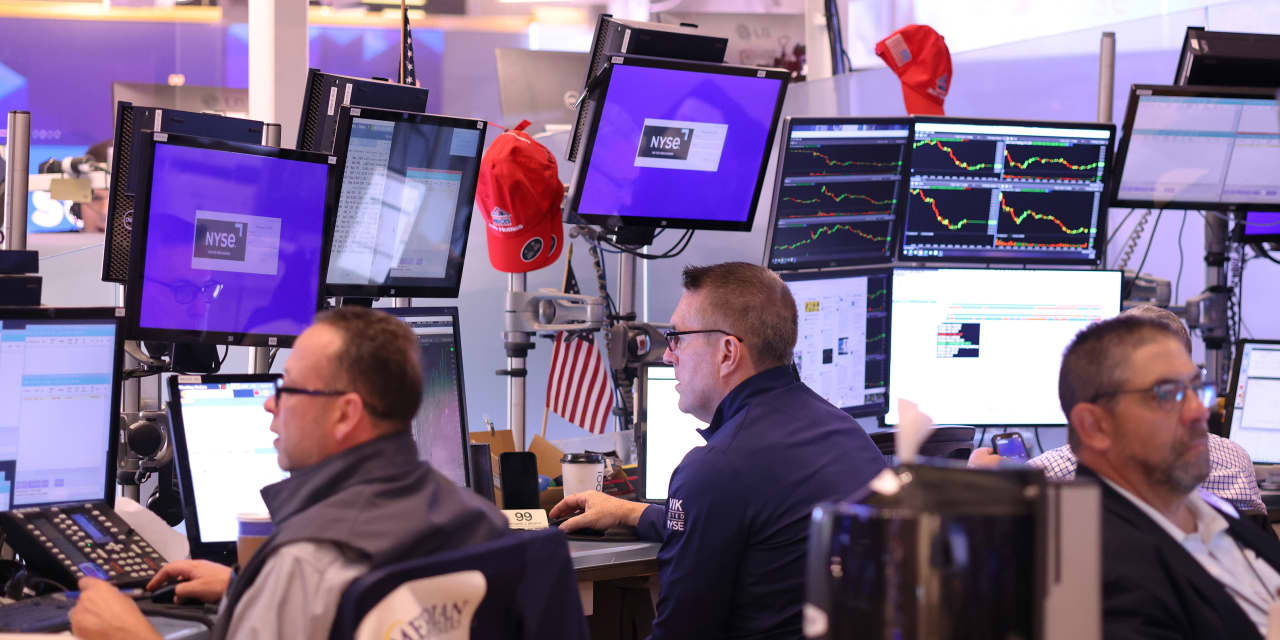
- Weak Payroll Data: The June non-farm payrolls report fell short of expectations, leading to mixed performances across major Wall Street indexes, with the Nasdaq down 0.8%, indicating concerns about the economic recovery as tech stocks like Tesla and Sandisk struggled.
- Analyst Rating Changes: DA Davidson upgraded Palantir from Neutral to Buy, raising the price target from $165 to $175, highlighting its competitive advantages in the AI era, which may attract more investor interest in its software solutions.
- Bank Stocks Downgraded: Oppenheimer downgraded Goldman Sachs and Morgan Stanley to Underperform, noting that while the banking sector is currently expanding, it remains in a mature cycle, suggesting a cautious outlook on long-term growth potential.
- Positive Energy Stock Outlook: Wolfe Research upgraded Chevron to Outperform with a price target of $210, citing that its long-term free cash flow prospects are not fully reflected in the stock price, indicating confidence in energy stocks amidst commodity price volatility.
See More
SK Hynix Considers Underwriting Fee for U.S. Listing
- Potential Fundraising Size: SK Hynix is preparing for a U.S. listing, potentially selling up to 2.5% of its outstanding shares, which could raise approximately $26.5 billion, reflecting the company's strong market position amid surging demand for AI infrastructure.
- Underwriting Fee Structure: The company is considering a fee of about 0.5% for underwriters, which, while below typical fees for large U.S. offerings, could still generate over $130 million for participating banks, highlighting the transaction's profitability potential.
- Market Leadership: As a leading supplier of high-bandwidth memory chips for NVIDIA AI processors, SK Hynix has greatly benefited from the AI investment boom, with its stock significantly rising over the past year, indicating strong investor optimism regarding long-term demand.
- Stock Volatility: Despite recent heightened volatility due to concerns over the sustainability of AI-related spending, SK Hynix's stock remains substantially higher than a year ago, demonstrating continued market confidence in its future growth prospects.
See More

Analysis of Investment Prospects in Financial Stocks

- Global Business Reach: Citigroup operates in over 90 markets, reporting FY 2025 revenue exceeding $85.2 billion, a 5% increase, with net income of $13.1 billion, reflecting a 13% growth, showcasing the success of its globalization strategy in facilitating complex financial transactions for multinational corporations.
- Dominance in U.S. Market: Wells Fargo's FY 2025 revenue was nearly $83.7 billion, with less than 2% growth and net income of $20.3 billion, a 9% increase, indicating that despite regulatory challenges, its extensive customer base and branch network in the U.S. provide stable revenue streams.
- Risks and Opportunities: Citigroup faces risks from currency fluctuations and regulatory challenges in international markets, while Wells Fargo must manage compliance costs and competition from fintech firms, with future growth potential hinging on effective risk management strategies.
- Valuation Comparison: Wells Fargo appears slightly cheaper based on forward P/E ratios, while Citigroup has a lower P/S ratio; with projected revenue growth of 10% to $93.9 billion and a 44% increase in net income to $18.8 billion in 2026, Citigroup demonstrates stronger growth potential.
See More

Bank of America Passes Stress Test but Holds Dividend Steady
- Stress Test Outcome: Bank of America successfully passed the Federal Reserve's stress test, yet unlike other major banks such as Goldman Sachs and Citigroup, which raised dividends by 11% and 12% respectively, it opted to maintain its dividend, reflecting a cautious market stance.
- Dividend Announcement Timing: Historically, Bank of America announces dividend increases in the third quarter, with expectations for an announcement alongside its upcoming second-quarter earnings report, indicating that management's decision is based on timing rather than any underlying issues with the company.
- Historical Increase Analysis: The last two annual dividend increases were 8% and 7%, which are substantial compared to the historical inflation rate of about 3%, leading to market expectations for a larger increase next time, though not excessively so given the previous generous hikes.
- Investment Value Assessment: Bank of America's price-to-earnings and price-to-book ratios are lower than those of JPMorgan Chase and Goldman Sachs, making it a value play in the banking sector, especially as its stock has only risen 20% over the past year compared to Citigroup's 60%, attracting income-focused investors' attention.
See More
AMD's AI Event Could Boost Stock Price
- Stock Price Upside: AMD's shares have surged 131% in the first half of 2026, and despite a recent 5% drop due to semiconductor sell-offs, the upcoming AI event could reignite investor confidence.
- Helios Platform Demand: At the July 22-23 event, AMD is expected to announce significant customer wins for its Helios server solutions, with Meta set to deploy the platform in the second half of 2026, indicating strong market demand.
- Significant Technical Advantage: The Helios system features 432GB of high-bandwidth memory, surpassing Nvidia's 288GB, positioning AMD favorably in AI infrastructure and potentially attracting more hyperscaler customers.
- Future Growth Expectations: AMD's earnings per share are projected to jump 77% to $7.39 in 2023, and if it reaches $18.30 by 2028, the stock could see a 41% increase, highlighting strong long-term growth potential.
See More
AMD Shares Surge 131% in 2026, Positive Outlook Ahead
- Stock Performance: AMD's shares have surged by 131% in the first half of 2026, although they have recently dropped nearly 5% due to a sell-off in semiconductor stocks, indicating strong market confidence in its future growth despite short-term volatility.
- AI Event Announcement: AMD is set to hold its 'Advancing AI' event on July 22-23, where it is expected to unveil new AI platforms and customer deployment details, which could further boost investor confidence, especially after last year's event showcased the Helios server architecture.
- Strong Customer Demand: The Helios platform has been adopted by Meta, which plans to deploy it in the second half of 2026, and AMD's management noted strong customer demand during the May earnings call, suggesting potential to attract more hyperscaler clients.
- Earnings Expectations: AMD's earnings per share are projected to jump by 77% to $7.39 this year, and if it reaches $18.30 by 2028, trading at 40 times earnings could push its stock price to $732, representing a potential 41% increase, highlighting its long-term growth potential.
See More
Wall Street Major Indexes End Mixed After Weak Payrolls Report
- Weak Payroll Data: The June non-farm payrolls report fell short of expectations, leading to mixed performances across major Wall Street indexes, with the Nasdaq down 0.8%, indicating concerns about the economic recovery as tech stocks like Tesla and Sandisk struggled.
- Analyst Rating Changes: DA Davidson upgraded Palantir from Neutral to Buy, raising the price target from $165 to $175, highlighting its competitive advantages in the AI era, which may attract more investor interest in its software solutions.
- Bank Stocks Downgraded: Oppenheimer downgraded Goldman Sachs and Morgan Stanley to Underperform, noting that while the banking sector is currently expanding, it remains in a mature cycle, suggesting a cautious outlook on long-term growth potential.
- Positive Energy Stock Outlook: Wolfe Research upgraded Chevron to Outperform with a price target of $210, citing that its long-term free cash flow prospects are not fully reflected in the stock price, indicating confidence in energy stocks amidst commodity price volatility.
See More
SK Hynix Considers Underwriting Fee for U.S. Listing
- Potential Fundraising Size: SK Hynix is preparing for a U.S. listing, potentially selling up to 2.5% of its outstanding shares, which could raise approximately $26.5 billion, reflecting the company's strong market position amid surging demand for AI infrastructure.
- Underwriting Fee Structure: The company is considering a fee of about 0.5% for underwriters, which, while below typical fees for large U.S. offerings, could still generate over $130 million for participating banks, highlighting the transaction's profitability potential.
- Market Leadership: As a leading supplier of high-bandwidth memory chips for NVIDIA AI processors, SK Hynix has greatly benefited from the AI investment boom, with its stock significantly rising over the past year, indicating strong investor optimism regarding long-term demand.
- Stock Volatility: Despite recent heightened volatility due to concerns over the sustainability of AI-related spending, SK Hynix's stock remains substantially higher than a year ago, demonstrating continued market confidence in its future growth prospects.
See More
Analysis of Investment Prospects in Financial Stocks
- Global Business Reach: Citigroup operates in over 90 markets, reporting FY 2025 revenue exceeding $85.2 billion, a 5% increase, with net income of $13.1 billion, reflecting a 13% growth, showcasing the success of its globalization strategy in facilitating complex financial transactions for multinational corporations.
- Dominance in U.S. Market: Wells Fargo's FY 2025 revenue was nearly $83.7 billion, with less than 2% growth and net income of $20.3 billion, a 9% increase, indicating that despite regulatory challenges, its extensive customer base and branch network in the U.S. provide stable revenue streams.
- Risks and Opportunities: Citigroup faces risks from currency fluctuations and regulatory challenges in international markets, while Wells Fargo must manage compliance costs and competition from fintech firms, with future growth potential hinging on effective risk management strategies.
- Valuation Comparison: Wells Fargo appears slightly cheaper based on forward P/E ratios, while Citigroup has a lower P/S ratio; with projected revenue growth of 10% to $93.9 billion and a 44% increase in net income to $18.8 billion in 2026, Citigroup demonstrates stronger growth potential.
See More
Bank of America Passes Stress Test but Holds Dividend Steady
- Stress Test Outcome: Bank of America successfully passed the Federal Reserve's stress test, yet unlike other major banks such as Goldman Sachs and Citigroup, which raised dividends by 11% and 12% respectively, it opted to maintain its dividend, reflecting a cautious market stance.
- Dividend Announcement Timing: Historically, Bank of America announces dividend increases in the third quarter, with expectations for an announcement alongside its upcoming second-quarter earnings report, indicating that management's decision is based on timing rather than any underlying issues with the company.
- Historical Increase Analysis: The last two annual dividend increases were 8% and 7%, which are substantial compared to the historical inflation rate of about 3%, leading to market expectations for a larger increase next time, though not excessively so given the previous generous hikes.
- Investment Value Assessment: Bank of America's price-to-earnings and price-to-book ratios are lower than those of JPMorgan Chase and Goldman Sachs, making it a value play in the banking sector, especially as its stock has only risen 20% over the past year compared to Citigroup's 60%, attracting income-focused investors' attention.
See More





