Cigna Stops Coverage for GLP-1 Weight Loss Drugs
Written by Emily J. Thompson, Senior Investment Analyst
Updated: 13 hours ago
0mins
Source: Newsfilter
- Policy Change Announcement: Cigna has decided to stop covering GLP-1 weight-loss drugs, including Novo Nordisk's Wegovy and Eli Lilly's Zepbound, effective July 1, reflecting the company's response to increased availability of these medications.
- Employee Communication: The change was communicated to employees via email on June 1, demonstrating Cigna's efforts in transparency and communication, although this move may raise concerns among employees regarding health management resources.
- Commitment to Health Management: A Cigna spokesperson confirmed that despite ending coverage for GLP-1 drugs, the company remains committed to supporting employee health through a variety of weight management programs and resources, aiming to mitigate potential negative impacts from the policy change.
- Market Impact Potential: This policy shift may affect the market demand for GLP-1 drugs, particularly within Cigna's employee base, potentially prompting other insurers to reassess their coverage, thereby influencing dynamics across the industry.
Trade with 70% Backtested Accuracy
Stop guessing "Should I Buy CI?" and start using high-conviction signals backed by rigorous historical data.
Sign up today to access powerful investing tools and make smarter, data-driven decisions.
Analyst Views on CI
Wall Street analysts forecast CI stock price to rise
16 Analyst Rating
14 Buy
2 Hold
0 Sell
Strong Buy
Current: 274.190

Low
300.00
Averages
335.63
High
378.00
Current: 274.190
Low
300.00
Averages
335.63
High
378.00
About CI
The Cigna Group is a global health company. The Company has two segments: Evernorth Health Services and Cigna Healthcare. Evernorth Health Services includes its Pharmacy Benefit Services and Specialty and Care Services operating segments, which provide independent and coordinated health solutions and capabilities to enable the healthcare system to work better and help people live richer, healthier lives. Cigna Healthcare includes the U.S. Healthcare and International Health operating segments, which provide comprehensive medical and coordinated solutions to customers and clients. Its Other Operations include corporate-owned life insurance (COLI), the Company's run-off operations and other non-strategic businesses. Specialty and Care Services provides specialty drugs for the treatment of complex and rare diseases, specialty distribution of pharmaceuticals and medical supplies, as well as clinical programs to help the clients.
About the author

Emily J. Thompson
Emily J. Thompson, a Chartered Financial Analyst (CFA) with 12 years in investment research, graduated with honors from the Wharton School. Specializing in industrial and technology stocks, she provides in-depth analysis for Intellectia’s earnings and market brief reports.

Cigna Foundation Launches Veteran Mental Health Grant Program
- Funding Amount and Goals: The Cigna Foundation offers $150,000 annual grants for veteran mental health initiatives, aiming to enhance mental well-being through housing stability and coordinated resources, reflecting a strong commitment to veteran welfare.
- Application Criteria and Deadline: The grant program is open to nonprofits serving veterans in ten priority states, including Arizona and Florida, with applications due by July 9 at 5 PM ET, ensuring timely support for veterans in need.
- Long-term Commitment and Impact: Cigna Foundation has pledged $9 million over three years to improve housing stability and related support services for approximately 40,000 homeless veterans, significantly enhancing their quality of life.
- Community Collaboration and Success Stories: By partnering with local organizations, the Cigna Foundation has invested over $6 million in 46 nonprofit partners, providing personalized services that help veterans achieve stable living paths, demonstrating the effectiveness of community-based solutions.
See More

Cigna Stops Coverage for GLP-1 Weight Loss Drugs

- Policy Change: Cigna announced that effective July 1, it will cease coverage for GLP-1 weight-loss drugs, including Novo Nordisk's Wegovy and Eli Lilly's Zepbound, impacting nearly 67,700 employees, indicating a strategic shift in cost management.
- Employee Impact: A spokesperson confirmed that current users of GLP-1 weight-loss drugs can obtain medications through manufacturers' direct-to-consumer sites or TrumpRx using cash-pay options, but these purchases will not count towards deductibles, potentially increasing financial burdens on employees.
- Coverage Limitations: This policy change only affects Cigna's employee health plan and will not impact other plans or coverage for GLP-1 drugs targeting type 2 diabetes, highlighting the company's strategic distinction between weight-loss and diabetes medications.
- Transition Arrangements: Cigna stated that existing prescriptions for GLP-1 drugs can be refilled until June 30, and employees with insurance approvals will continue to receive coverage for older generic anti-obesity medications, demonstrating the company's commitment to supporting employees during the transition.
See More
Cigna Stops Coverage for GLP-1 Weight Loss Drugs
- Policy Change Announcement: Cigna has decided to stop covering GLP-1 weight-loss drugs, including Novo Nordisk's Wegovy and Eli Lilly's Zepbound, effective July 1, reflecting the company's response to increased availability of these medications.
- Employee Communication: The change was communicated to employees via email on June 1, demonstrating Cigna's efforts in transparency and communication, although this move may raise concerns among employees regarding health management resources.
- Commitment to Health Management: A Cigna spokesperson confirmed that despite ending coverage for GLP-1 drugs, the company remains committed to supporting employee health through a variety of weight management programs and resources, aiming to mitigate potential negative impacts from the policy change.
- Market Impact Potential: This policy shift may affect the market demand for GLP-1 drugs, particularly within Cigna's employee base, potentially prompting other insurers to reassess their coverage, thereby influencing dynamics across the industry.
See More
Cost Analysis of Direct-to-Consumer Pharmacies for Generic Drugs

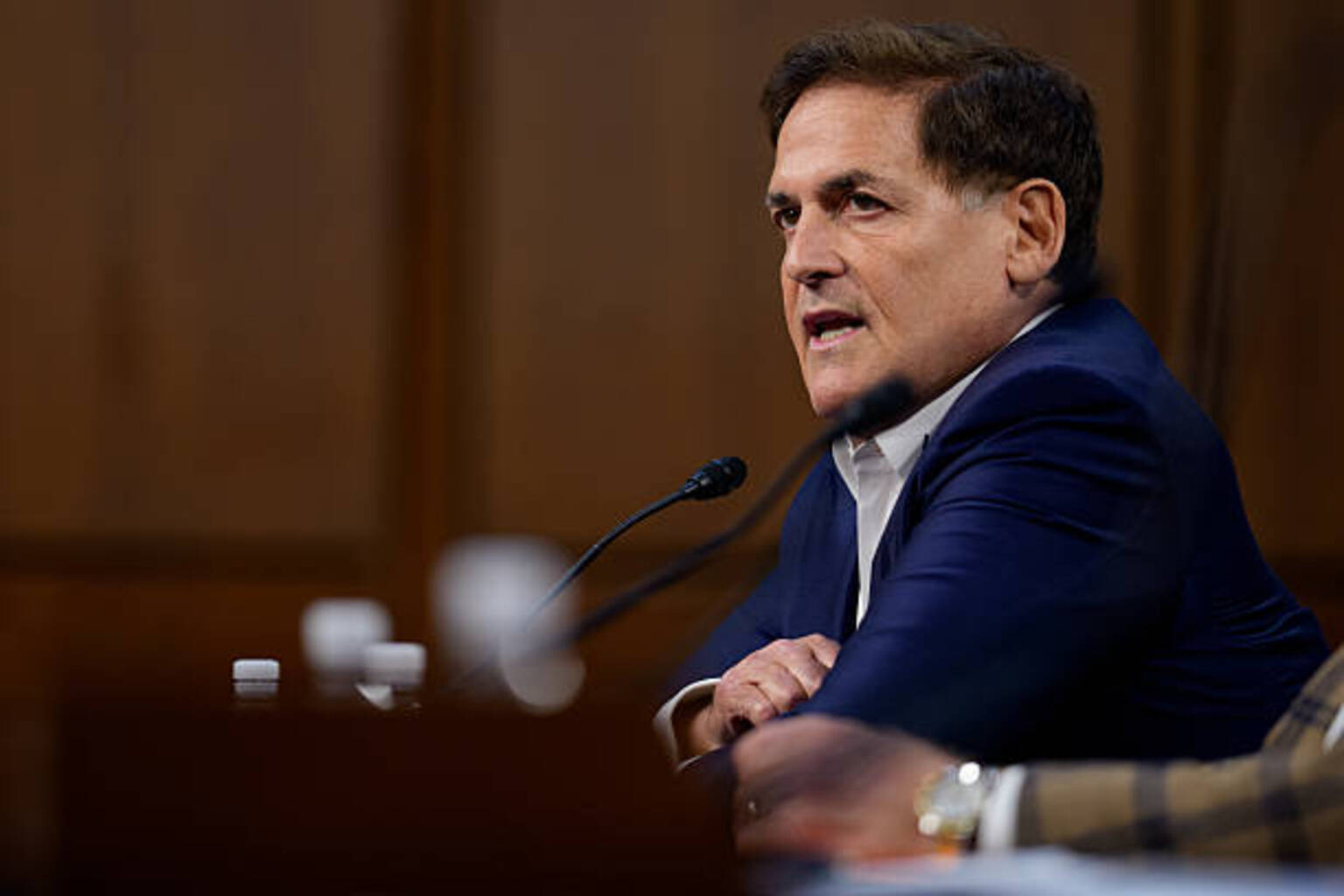
- Cost Savings on Medications: An analysis by the University of Texas MD Anderson Cancer Center reveals that consumers using Mark Cuban Cost Plus Drug pay less out-of-pocket for approximately 80% of prescriptions when their cost-sharing exceeds $15, leading to significant savings.
- Impact of High Cost-Sharing: For consumers with drug plan benefits that require more than $100 in cost-sharing, the median out-of-pocket cost is $25 with Cost Plus Drug compared to $140 with insurance, highlighting the clear advantages of direct-to-consumer pharmacies.
- Data-Driven Insights: The findings are based on an examination of over 60 million generic prescription claims from a national commercial claims database, ensuring the reliability and broad applicability of the results, which emphasize potential savings for consumers when choosing their medication payment methods.
- Consumer Recommendations: Researchers advise that consumers should consider direct-to-consumer pharmacies if their out-of-pocket costs exceed $15, optimizing their medication expenses and enhancing economic efficiency.
See More

US Stocks Close Higher: S&P 500 Hits All-Time High

- Market Performance: The S&P 500 rose by 0.61% and the Nasdaq 100 increased by 1.76%, reaching all-time highs, indicating strong demand for tech stocks amid falling oil prices and progress in US-Iran peace talks.
- Oil Price Volatility: WTI crude oil prices fell to a 2.5-week low as US-Iran negotiations aimed at reopening the Strait of Hormuz progressed, although military actions by US Central Command pressured market sentiment, leading to declines in energy stocks.
- Economic Data Impact: The Chicago Fed National Activity Index rose to a 13-month high of 0.14, surpassing expectations, while a slight decline in the consumer confidence index reflects the complexities of economic recovery, potentially influencing future market trends.
- Earnings Reports: As of Tuesday, 83% of the 475 S&P 500 companies reported earnings above expectations, with Q1 earnings projected to grow by 12% year-on-year, although excluding the tech sector, the increase is only 3%, highlighting disparities across industries.
See More

US Stock Indices Rally, Led by Technology Stocks

- Strong Market Performance: The S&P 500 Index rose by 0.81% and the Nasdaq 100 Index increased by 1.74%, reaching all-time highs, indicating robust market support for technology stocks, particularly amid falling crude oil prices and declining bond yields.
- Mixed Economic Data: The Chicago Fed National Activity Index rose to a 13-month high of 0.14, surpassing expectations, while the S&P Composite-20 home price index increased by only 0.83% year-on-year, below the expected 0.90%, suggesting weakness in the housing market that could impact future consumer confidence.
- Volatile Oil Market: WTI crude oil prices fell to a 2.5-week low due to progress in US-Iran peace talks, although US Central Command's strikes on Iranian targets caused market fluctuations, highlighting the ongoing geopolitical influence on energy markets.
- Earnings Season Insights: So far, 83% of the 475 S&P 500 companies have beaten earnings estimates, with Q1 earnings projected to rise by 12% year-on-year; however, excluding the technology sector, the increase is only 3%, reflecting pressure on overall economic growth.
See More
Cigna Foundation Launches Veteran Mental Health Grant Program
- Funding Amount and Goals: The Cigna Foundation offers $150,000 annual grants for veteran mental health initiatives, aiming to enhance mental well-being through housing stability and coordinated resources, reflecting a strong commitment to veteran welfare.
- Application Criteria and Deadline: The grant program is open to nonprofits serving veterans in ten priority states, including Arizona and Florida, with applications due by July 9 at 5 PM ET, ensuring timely support for veterans in need.
- Long-term Commitment and Impact: Cigna Foundation has pledged $9 million over three years to improve housing stability and related support services for approximately 40,000 homeless veterans, significantly enhancing their quality of life.
- Community Collaboration and Success Stories: By partnering with local organizations, the Cigna Foundation has invested over $6 million in 46 nonprofit partners, providing personalized services that help veterans achieve stable living paths, demonstrating the effectiveness of community-based solutions.
See More
Cigna Stops Coverage for GLP-1 Weight Loss Drugs
- Policy Change: Cigna announced that effective July 1, it will cease coverage for GLP-1 weight-loss drugs, including Novo Nordisk's Wegovy and Eli Lilly's Zepbound, impacting nearly 67,700 employees, indicating a strategic shift in cost management.
- Employee Impact: A spokesperson confirmed that current users of GLP-1 weight-loss drugs can obtain medications through manufacturers' direct-to-consumer sites or TrumpRx using cash-pay options, but these purchases will not count towards deductibles, potentially increasing financial burdens on employees.
- Coverage Limitations: This policy change only affects Cigna's employee health plan and will not impact other plans or coverage for GLP-1 drugs targeting type 2 diabetes, highlighting the company's strategic distinction between weight-loss and diabetes medications.
- Transition Arrangements: Cigna stated that existing prescriptions for GLP-1 drugs can be refilled until June 30, and employees with insurance approvals will continue to receive coverage for older generic anti-obesity medications, demonstrating the company's commitment to supporting employees during the transition.
See More
Cigna Stops Coverage for GLP-1 Weight Loss Drugs
- Policy Change Announcement: Cigna has decided to stop covering GLP-1 weight-loss drugs, including Novo Nordisk's Wegovy and Eli Lilly's Zepbound, effective July 1, reflecting the company's response to increased availability of these medications.
- Employee Communication: The change was communicated to employees via email on June 1, demonstrating Cigna's efforts in transparency and communication, although this move may raise concerns among employees regarding health management resources.
- Commitment to Health Management: A Cigna spokesperson confirmed that despite ending coverage for GLP-1 drugs, the company remains committed to supporting employee health through a variety of weight management programs and resources, aiming to mitigate potential negative impacts from the policy change.
- Market Impact Potential: This policy shift may affect the market demand for GLP-1 drugs, particularly within Cigna's employee base, potentially prompting other insurers to reassess their coverage, thereby influencing dynamics across the industry.
See More
Cost Analysis of Direct-to-Consumer Pharmacies for Generic Drugs
- Cost Savings on Medications: An analysis by the University of Texas MD Anderson Cancer Center reveals that consumers using Mark Cuban Cost Plus Drug pay less out-of-pocket for approximately 80% of prescriptions when their cost-sharing exceeds $15, leading to significant savings.
- Impact of High Cost-Sharing: For consumers with drug plan benefits that require more than $100 in cost-sharing, the median out-of-pocket cost is $25 with Cost Plus Drug compared to $140 with insurance, highlighting the clear advantages of direct-to-consumer pharmacies.
- Data-Driven Insights: The findings are based on an examination of over 60 million generic prescription claims from a national commercial claims database, ensuring the reliability and broad applicability of the results, which emphasize potential savings for consumers when choosing their medication payment methods.
- Consumer Recommendations: Researchers advise that consumers should consider direct-to-consumer pharmacies if their out-of-pocket costs exceed $15, optimizing their medication expenses and enhancing economic efficiency.
See More
US Stocks Close Higher: S&P 500 Hits All-Time High
- Market Performance: The S&P 500 rose by 0.61% and the Nasdaq 100 increased by 1.76%, reaching all-time highs, indicating strong demand for tech stocks amid falling oil prices and progress in US-Iran peace talks.
- Oil Price Volatility: WTI crude oil prices fell to a 2.5-week low as US-Iran negotiations aimed at reopening the Strait of Hormuz progressed, although military actions by US Central Command pressured market sentiment, leading to declines in energy stocks.
- Economic Data Impact: The Chicago Fed National Activity Index rose to a 13-month high of 0.14, surpassing expectations, while a slight decline in the consumer confidence index reflects the complexities of economic recovery, potentially influencing future market trends.
- Earnings Reports: As of Tuesday, 83% of the 475 S&P 500 companies reported earnings above expectations, with Q1 earnings projected to grow by 12% year-on-year, although excluding the tech sector, the increase is only 3%, highlighting disparities across industries.
See More
US Stock Indices Rally, Led by Technology Stocks
- Strong Market Performance: The S&P 500 Index rose by 0.81% and the Nasdaq 100 Index increased by 1.74%, reaching all-time highs, indicating robust market support for technology stocks, particularly amid falling crude oil prices and declining bond yields.
- Mixed Economic Data: The Chicago Fed National Activity Index rose to a 13-month high of 0.14, surpassing expectations, while the S&P Composite-20 home price index increased by only 0.83% year-on-year, below the expected 0.90%, suggesting weakness in the housing market that could impact future consumer confidence.
- Volatile Oil Market: WTI crude oil prices fell to a 2.5-week low due to progress in US-Iran peace talks, although US Central Command's strikes on Iranian targets caused market fluctuations, highlighting the ongoing geopolitical influence on energy markets.
- Earnings Season Insights: So far, 83% of the 475 S&P 500 companies have beaten earnings estimates, with Q1 earnings projected to rise by 12% year-on-year; however, excluding the technology sector, the increase is only 3%, reflecting pressure on overall economic growth.
See More